 EN
EN
- Pregled
- Pogosto zastavljena vprašanja
- Priporočeni izdelki
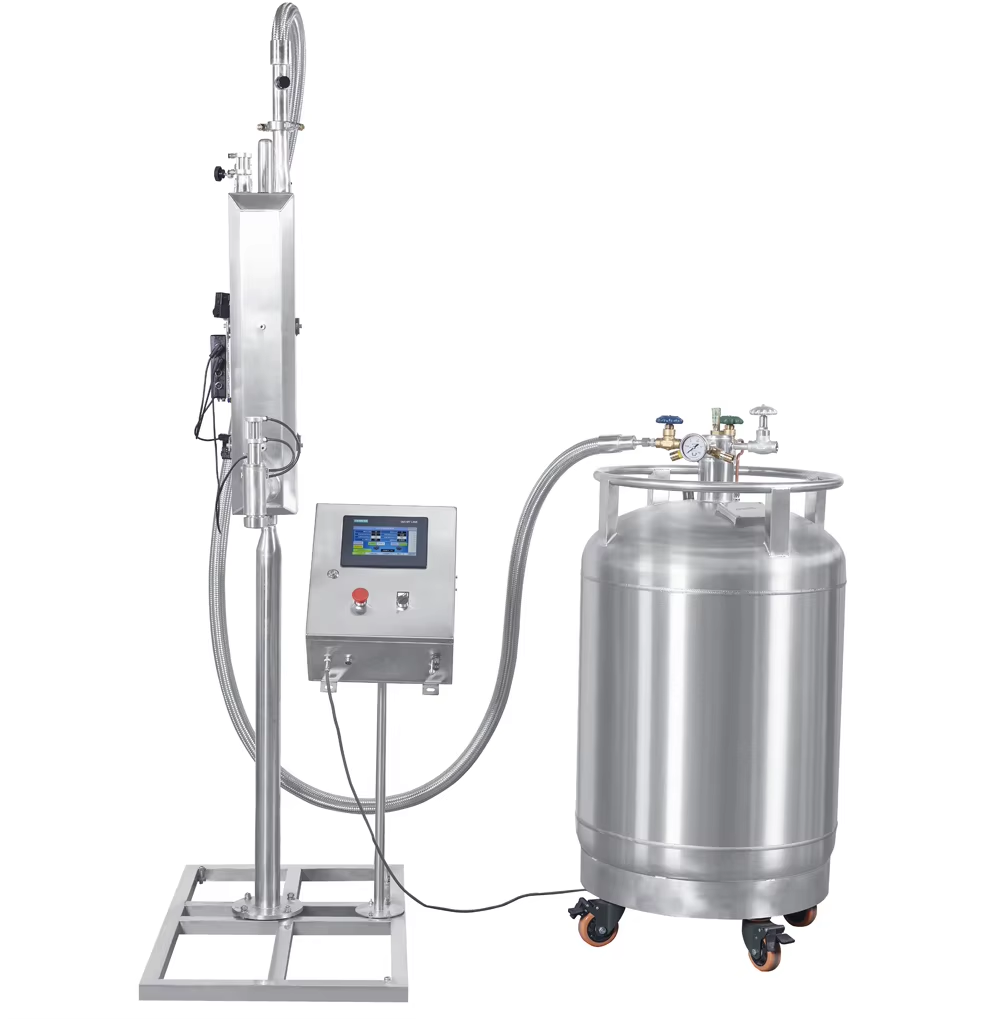
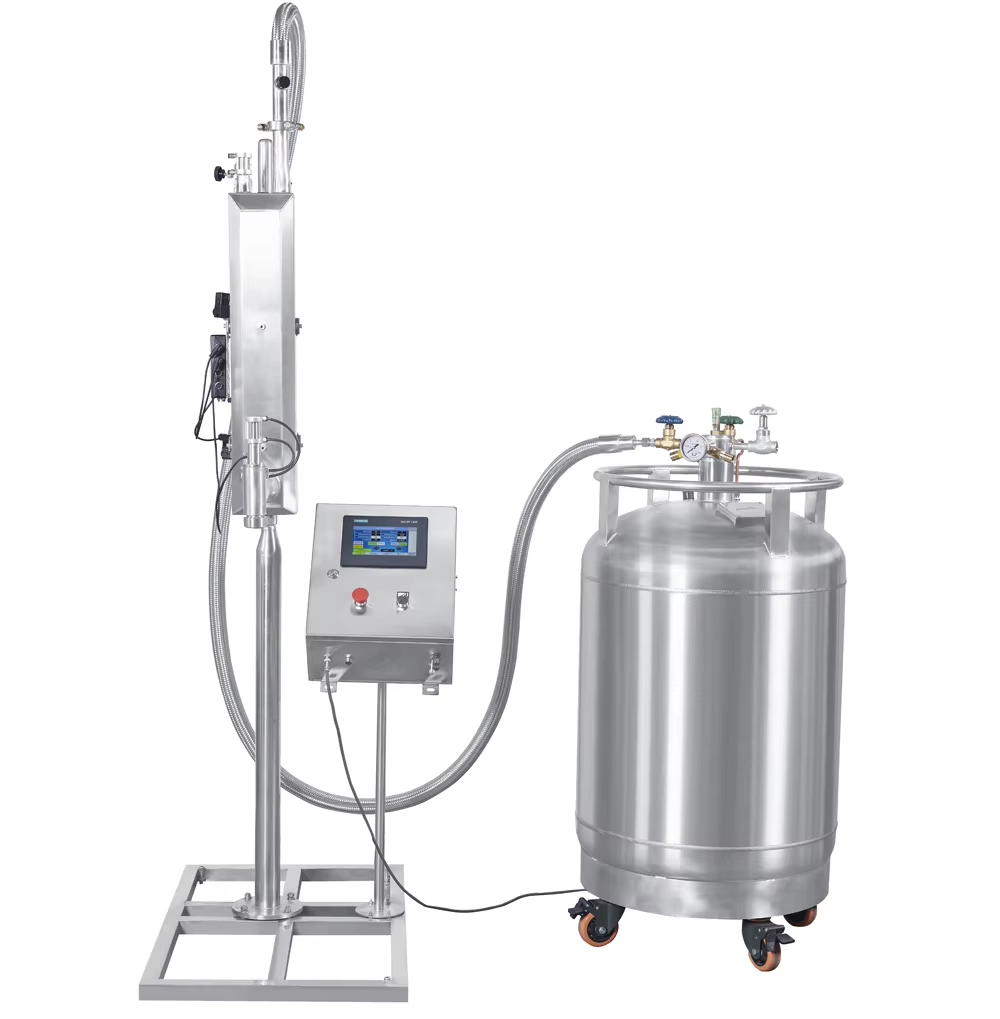
Predstavljamo avtomatski sistem za razdeljevanje tekočega dušika z visoko hitrostjo blagovne znamke Mars, napredno rešitev za učinkovito razdeljevanje tekočega dušika z natančnostjo in hitrostjo. Ne glede na to, ali delujete v živilski industriji, zdravstveni oskrbi ali opravljate znanstvene raziskave, ta inovativen razdeljevalni stroj je zasnovan tako, da preprosto izpolnjuje vaše potrebe.
S sodobnim in elegantnim dizajnom je avtomatski sistem za razdeljevanje tekočega dušika z visoko hitrostjo blagovne znamke Mars ne samo vizualno privlačen, temveč tudi zelo funkcionalen. Stroj je opremljen z napredno tehnologijo, ki omogoča avtomatsko razdeljevanje tekočega dušika pri visokih hitrostih, kar prihrani vaš čas in trud v vsakodnevnem delovanju.
Ta sistemska naprava za razdeljevanje tekočega dušika je idealna za podjetja in organizacije, ki potrebujejo zanesljivo in učinkovito metodo razdeljevanja tekočega dušika. Blagovna znamka Mars je znana po svoji zmotnosti do kakovosti in inovacij, in ta izdelek ni izjema. Lahko se zaneseš, da bo avtomatska sistemska naprava za razdeljevanje tekočega dušika Mars High Speed brezhibno in dosledno delovala, da zagotovi nemoten in učinkovit potek vaših operacij.
Ena od ključnih značilnosti te sistemske naprave za razdeljevanje je njena visokohitrostna zmogljivost. S sposobnostjo hitrega in natančnega razdeljevanja tekočega dušika lahko povečaš produktivnost v svojem delovnem okolju in optimiziraš procese. To je še posebej pomembno za industrije, kjer je čas kritičen in kjer je natančnost ključna.
Poleg svoje hitrosti ponuja sistem avtomatskega visokohitrostnega dozatorja tekočega dušika Mars tudi prijazen vmesnik, ki omogoča enostavno uporabo. Stroj je zasnovan z udobjem v mislih, kar vam omogoča enostavno prilagajanje nastavitev in spremljanje učinkovitosti. To zagotavlja, da se lahko osredotočite na delo brez nepotrebnih odvračanj.
Sistem avtomatskega visokohitrostnega dozatorja tekočega dušika Mars je vrhunska izdelek, ki bo zagotovo izboljšal vaše operacije in povečal učinkovitost. Zahvaljujoč se napredni tehnologiji, visokohitrostnim zmogljivostim in prijaznemu dizajnu je ta sistem dozatorja nepogrešljiv za vsako podjetje ali organizacijo, ki se za doziranje tekočega dušika. Zaupajte blagovni znamki Mars glede na kakovost in zanesljivost ter izkusite razliko, ki jo lahko ta inovativen izdelek naredi v vašem vsakdanjem delovanju.
Samodejni visokohitrostni razdelilnik tekočega dušika
Kovinske konzerve so postopoma nadomeščene z aluminijastimi in plastičnimi konzervami, vendar aluminijasta in plastična posoda zahtevata povečan tlak, da se telo ne deformira. Injektiranje tekočega dušika je idealna rešitev, saj se ob uparjanju tekočega dušika prostornina poveča 700-krat, kar omogoča po odstranitvi zraka iz posode nastanek vakuuma, hkrati pa poveča notranji tlak v posodi, ohrani okroglo obliko posode med shranjevanjem, podaljša roko uporabnosti in omogoča udobno prevoz. Na podlagi podobnih referenc in izkušenj s tujimi napravami je naša podjetje razvilo ta produkt, ki zapolnjuje vrzel v industriji
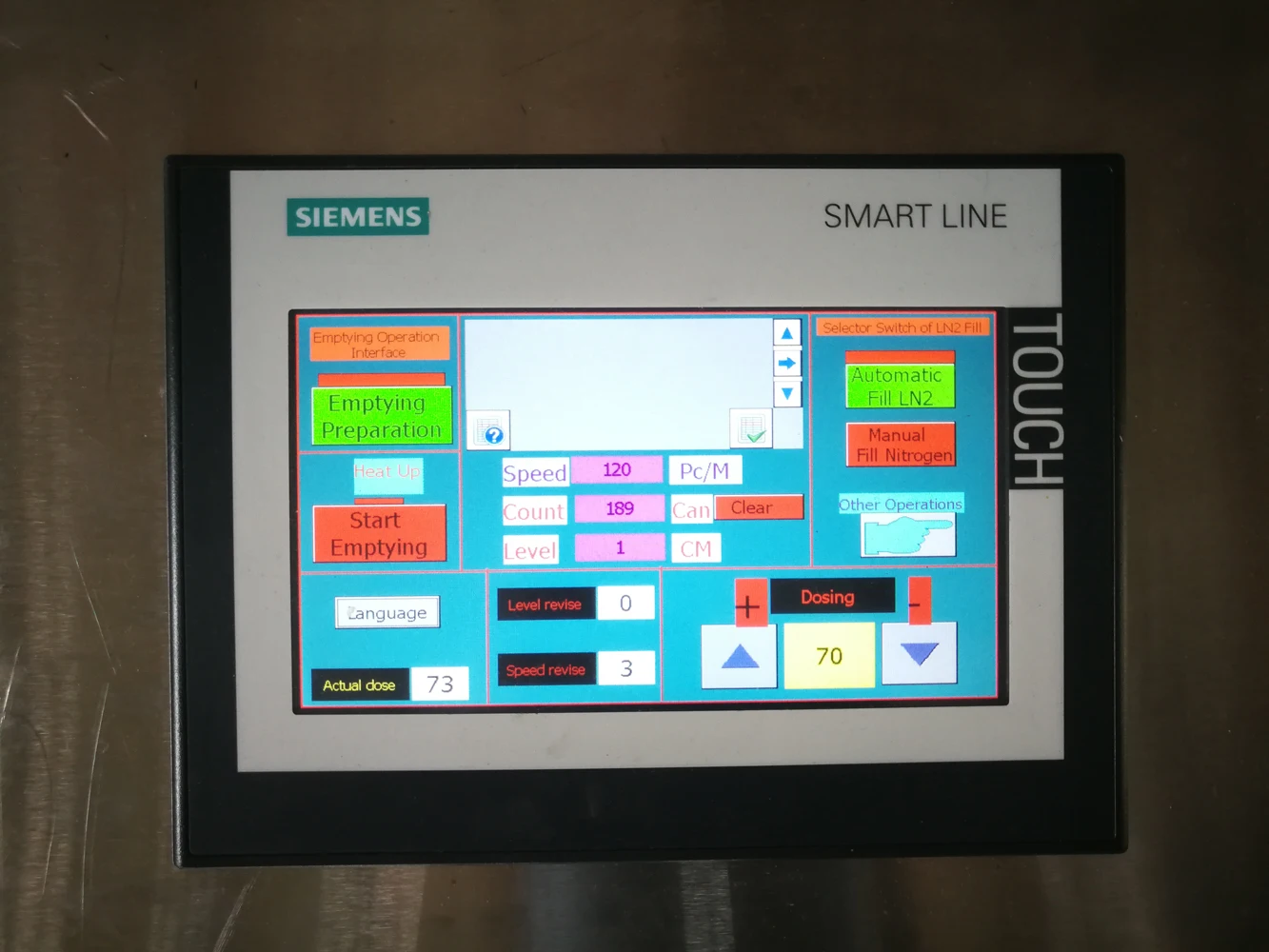
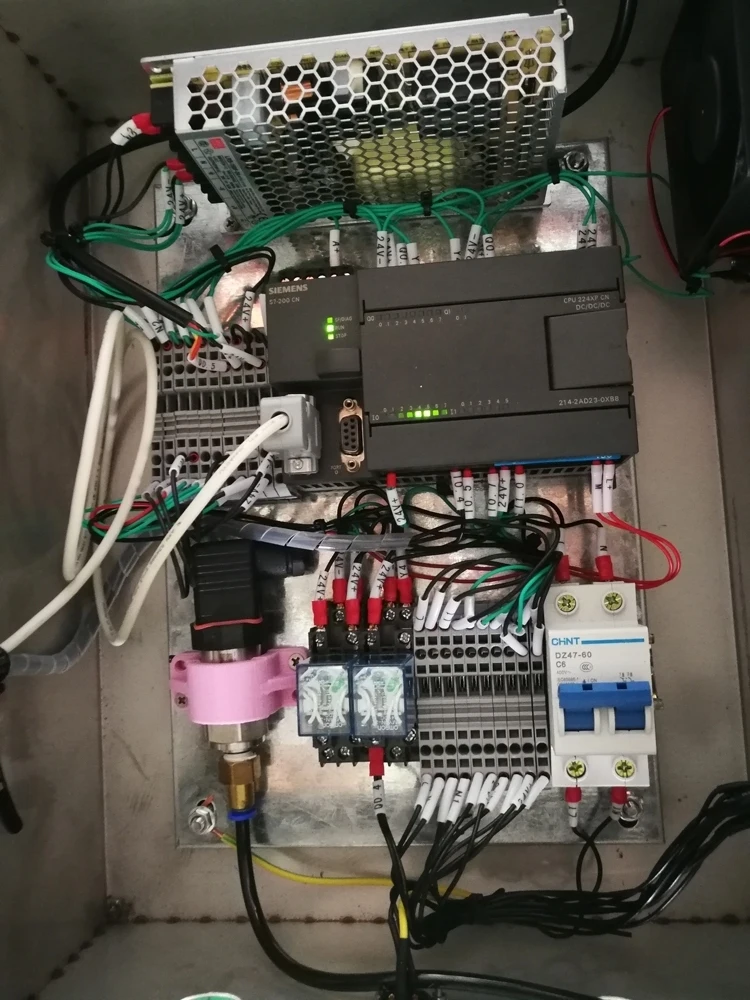
Natančno uravnava količino tekočega dušika, izdelek nima posode brez dušikovega polnjenja, programirljivo logično krmilje Siemens PLC in krmilni sistem z dotikovnim zaslonom, enostavno in priročno za uporabo, kompakten videz, enostavna namestitev, primerna za katero koli proizvodno linijo, celotna linija uporablja vakuumsko toplotno izolacijo s tekočim dušikom, da zagotovimo največjo možno prihranek tekočega dušika, ne zahteven delovni okolje
Delovne pogoje
1. Dovod tekočega dušika: 15 (0,1 MPa) z vezjo tekočega dušika do ust.
2. Stisnjen zrak ali dušik: uporablja se za delovanje polnilnega ventila. Potrebno je navesti "premer, tlak 50-100 psig (3,4 do 6,9 bar). Nastavitveni tlak 50 psig (0,35 MPa), če je nastavitev največjega tlaka previsoka, to negativno vpliva na življenjsko dobo jedra polnilnega ventila in notranjih vakuumskih cevi
Tehnični parametri:
Glave za polnjenje |
1 |
Proizvodnja hitrost |
0-500 pločevink/min |
| Primerna velikost pločevinke | koli koli |
| Natančnost odmerjanja | ±5% |
Lastna poraba tekočega dušika pri stroju za tekoči dušik |
0,2 L/h |
| Čas odmerjanja je nastavljiv | 15-1000 ms |
| Količina odmerjanja je nastavljiva | 0,01-14 g/krat |
Moč motorja |
0.1KW |
Strojni napetost |
220V,50HZ |
Nadzorna napetost |
24 V, DC/AC |
Skupne dimenzije |
950×177×603 mm |
Neto teža |
15KG |
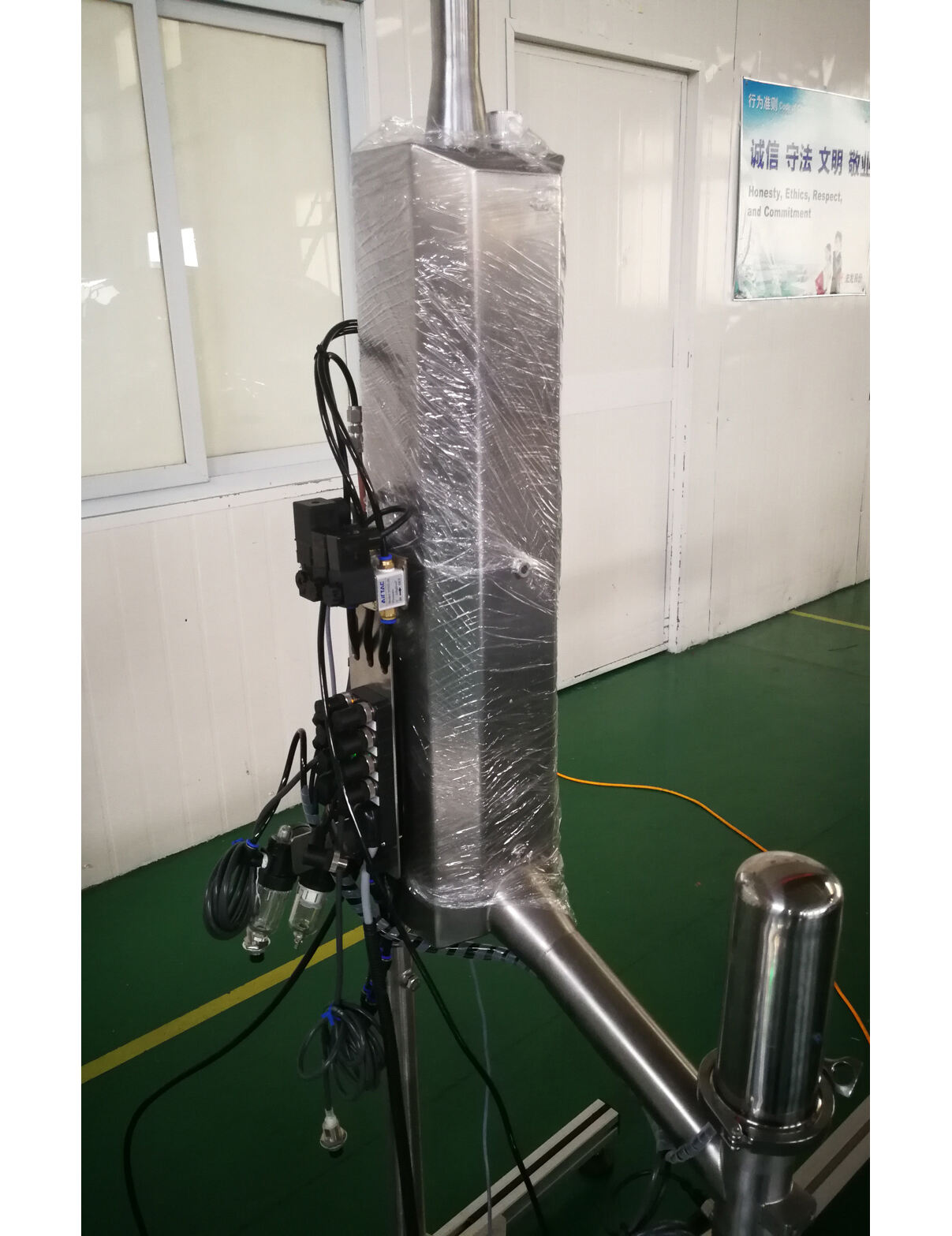
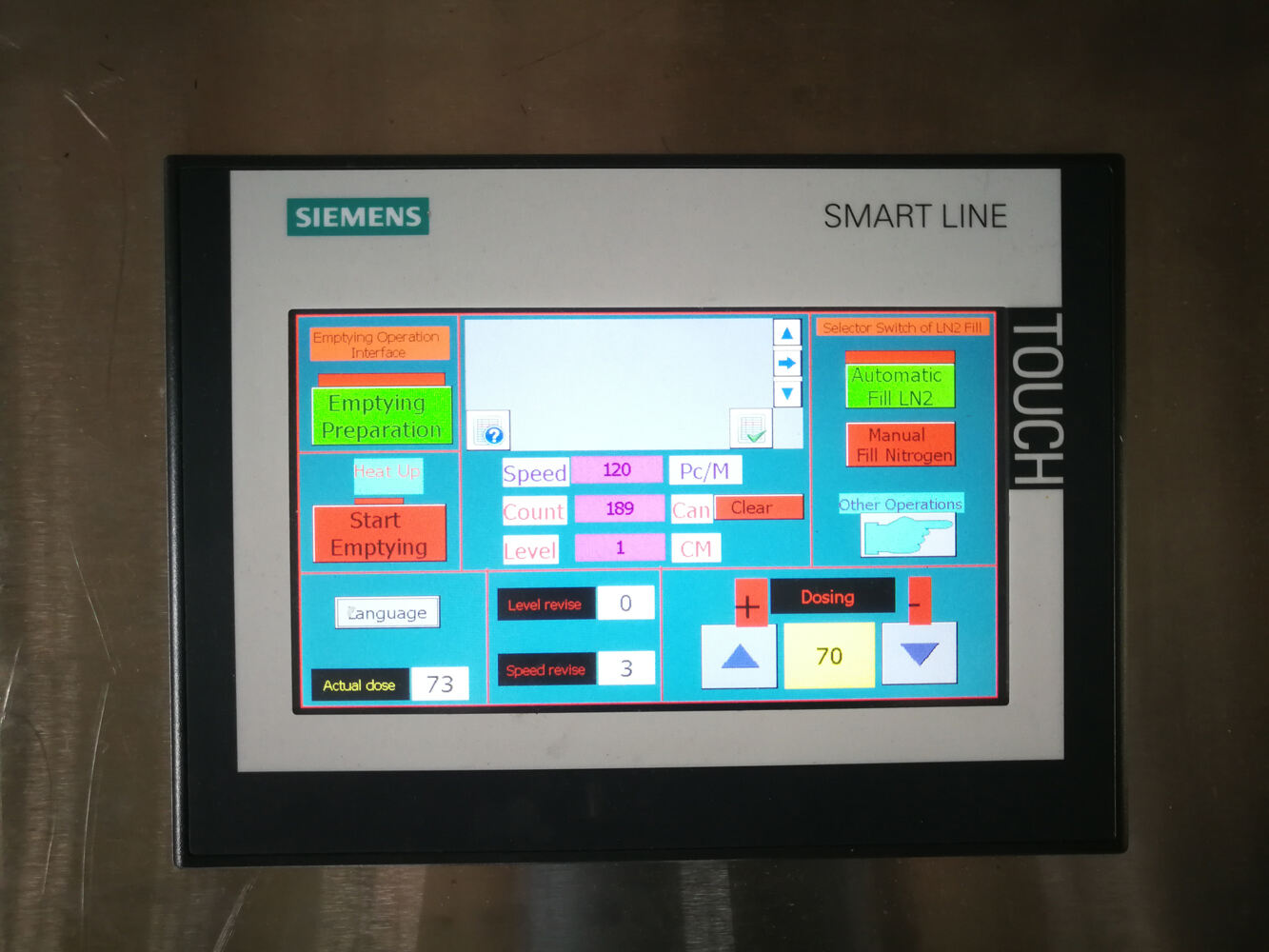
YDJ-300 Dozirna naprava za tekoči dušik je najnovejša dozirna naprava za tekoči dušik v Kitajska, ki uporablja podobne stroje v tujini za referenco. Lahko natančno nadzoruje doziranje prostornine, doziranje brez posode brez tekočine, majhne velikosti, enostavna namestitev in uskladitev z vsemi polnilnimi proizvodnimi linijami. Nadzorni sistem vsebuje Siemens PLC in zaslon z dotikom, vse cevi uporabljajo vakuumsko toplotno izolirane cevi, ki zagotavljajo najmanjšo porabo tekočega dušika in delovanje brez zaledenitve
Delovni proces:
Tekoči dušik se upari in prostornina razširi 700-krat, iztisne zrak in ustvari vakuum v pločevinki, poveča notranji tlak aluminijaste pločevinke/pet pločevinke, da podaljša roko trajanja pijač v pločevinkah in ohrani dober videz za boljšo prevoz in shranjevanje
Delovni pogoji:
1. Dovod tekočega dušika: Regulirajte na 15 (0,1 MPa) in priključite na cev tekočega dušika
2. Stisnjen zrak ali dušik: Napajanje delujočega dozirnega ventila. Premer cevi mora biti 1/4 palca in tlak mora biti med 50 psig in 100 psig (3,4 do 6,9 bar). Nastavite tlak na 50 psig (0,35 MPa). Ne nastavljajte previsokega tlaka, saj previsok tlak povzroča večje obremenitve, kar skrajša življenjsko dobo elementa dozirnega ventila in notranjih vakuumskih cevi
Značilnosti:
1. Brez posode ni doziranja ter intervalno doziranje pri nizki hitrosti za zmanjšanje porabe tekočega dušika; dozirna armatura je vedno pri visoki hitrosti odprta. Samodejno zazna visoko ali nizko hitrost.
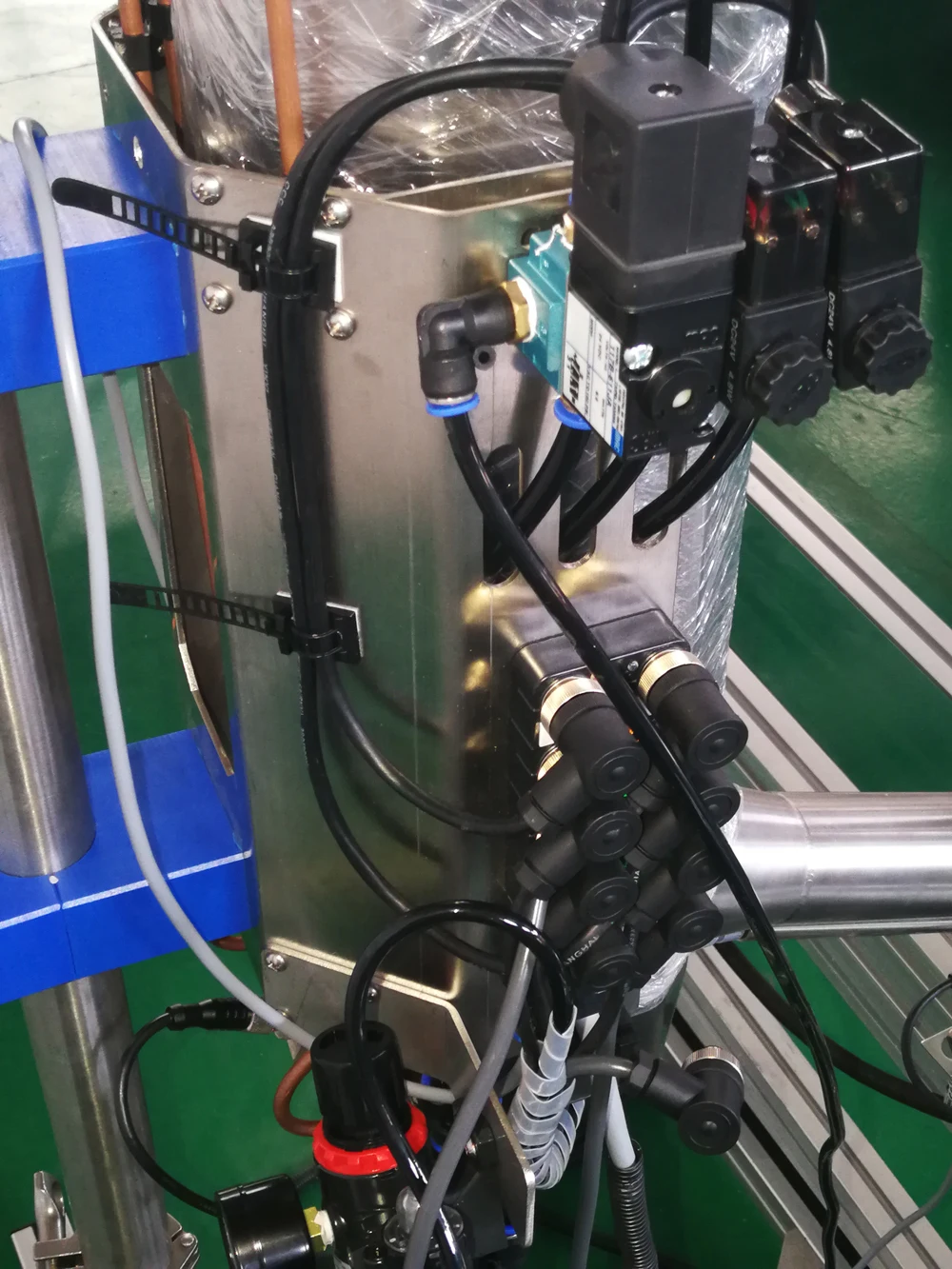
2. Vakuum in toplotna izolacija za zaščito
3. Poseben sistem za nego šobe učinkovito preprečuje zamrzovanje in zamašitev šobe s pljem.
4. Tekoče-plinasto separater zagotavlja tekoči dušik v ultra hladnem stanju, izboljša čistost tekoče faze, da doseže bolj natančno in stabilno doziranje.
5. Funkcija dušenja z tekočim dušikom, učinkovito nadzoruje odbijanje in pršenje tekočega dušika. Dnevna količina tekočega dušika je stabilna in zagotavlja tlak v pločevinki enakost .
6. Filter (neobvezno) 10μm odstrani trdne nečistoče
7. Natančna doziranje hitrosti tekočega dušika lahko doseže 300 cpn, hitrost nenehnega doziranja pa lahko doseže 800 cpn
8. Zmogljivost prilagodljivost in učinkovita vakuumska izolacijska cev za tekoči dušik zagotavlja najmanjšo porabo tekočega dušika
9. Napreden dozirni ventil zagotavlja prevoz čistega in tekočega dušika
10. Najnižji izpusni tlak dozirnega ventila zagotavlja najmanjše razprševanje tekočega dušika
11. Delovanje brez izgorelinj
12. Natančna nastavljivost količine in časa doziranja
13. Nenehno samonadzorovanje prek alarmnega indikatorja
14. PLC krmilnik/Dotikovni zaslon/možnost izbire jezika upor niškega vmesnika
15. Možnost povezave vakuumske in toplotno izolirane cevi tekočega dušika, prav tako lahko zagotovimo popoln sistem oskrbe s tekočino od shranjevanja tekočega dušika do polnilne proizvodne linije
16. Majhna velikost in enostavna namestitev
17. Različni tipi strojev zagotavljajo primernost za proizvodne linije različnih kapacitet
18. Uporabno za vse velikosti PET steklenic in tanke stene odpiralnih pločevink pri proizvodnji vrste
|
Q1 Kakšna je razlika med vročim polnjenjem in hladnim aseptičnim polnjenjem soka — katero priporočate in zakaj? |
Izbira prave tehnologije polnjenja je najpomembnejša odločitev za vašo proizvodno linijo soka. Neposredno vpliva na okus izdelka, njegovo tržno življenjsko dobo, stroške embalaže in logistiko. Osnovna tehnična razlika Vroče polnjenje: vroče polnjenje običajno pomeni polnjenje pri temperaturah od 85 °C do 95 °C. Na ta način se sočasno sterilizirata tako sok/čaj kot tudi steklenica. Steklenica mora zdržati to toploto brez deformacije. Material za steklenice je dražji. Vendar so naložbe v proizvodno linijo nižje. Hladno aseptično polnjenje: steklenica, pokrovček in okolje se sterilizirajo ločeno (z uporabo pare ali kemikalij), nato pa se v steklenico natoči sterilni, ohlajen izdelek. Skupne naložbe so višje. Vendar je material za steklenice cenejši in omogoča ohranitev svežega okusa pijače. |
|
Q2 Ali lahko ta linija obdeluje soki z mesnatim delom ali vlakninami, ali je namenjena le jasnim sokom? |
Ta linija je posebej zasnovana za čist sok (npr. jabolčni, grozdni, razjasnjeni sok). Je ni priporočljivo namenjen sokom z visoko vsebino mehkega dela ali vlaknin, kot so pomarančni, paradižnikov ali smoothiji, saj mehki del lahko povzroči zamašitev. Za soka z mehkim delom imamo posebne stroje. |
|
Q3 Katero sterilizacijsko metodo uporabljate — UHT, HTST ali tunelski pasivirnik? |
1. UHT (ultravisokotemperaturna) – najprimernejša za aseptično polnjenje Postopek: 135–150 °C (275–302 °F) za 2–5 sekund. Uporabna področja: Mleko, rastlinska pijača, mlečne sladice, tekoče jajca. Prednosti: Omogoča shranjevanje pri sobni temperaturi (6–12 mesecev) brez hladilne naprave.
Oprema: Ploščati ali cevasti UHT sterilizator + aseptični sistem za polnjenje. 2. HTST (kratek čas pri visoki temperaturi) – najprimernejši za verižno distribucijo Postopek: 72–85 °C (161–185 °F) za 15–30 sekund. Uporabna področja: Sveže mleko, sokovi, pivo, mešanica za sladoled. Prednosti: Bolje ohrani okus in prehranske snovi; nižji stroški energije. Veljavnost: 2–6 tednov v hladilniku. 3. Tunelski pasirizator – Pasirizacija po napolnjevanju. Postopek: Večzonsko pršenje (predgrevanje → pasirizacija → ohlajanje) pri 60–98 °C. Uporabna področja: Pivo, jabolčni sok, konzervirjava zelenjava, železne vrečke za hišne ljubljenčke, stekleni kozarci. Prednosti: Sterilizacija po embaliranju; ni potreben aseptični polnilnik. |
|
Q4 Ali vključuje linija sistem za doziranje tekočega dušika? Kakšen je namen vbrizgavanja dušika pri polnjenju soka? |
Da, ponujamo izbirni sistem za doziranje tekočega dušika (LND) vgrajen v naše linije za polnjenje – zlasti za PET stekleničenje vodo, sok, jedljivo olje , neogljikovane napitke polnjenje konzerv . Doziranje tekočega dušika (LN₂) služi dvema ključnima namenoma pri polnjenju soka in napitkov: 1. Zamenjava kisika – Podaljšanje roka trajanja in ohranjanje kakovosti Majhna kapljica tekočega dušika (LN₂) se izhlapi v prostoru nad tekočino v posodi pred zapiranjem. Razširjajoči se dušikov plin iztiska kisik (glavni povzročitelj oksidacije, izgube vitamina C in bleščenja barve). Rezultat: Zmanjšana koncentracija raztopljenega kisika (DO) → daljši rok trajanja brez dodajanja konzervansov. 2. Trdota in skladnost za skladiščenje – Preprečevanje udarjanja sten (pri PET steklenicah) PET steklenice, napolnjene z sokom, se pogosto zaradi ohlajanja zvlečejo navznoter (učinek podtlaka). Doziranje LN₂ doda nadzorovan notranji tlak (1,5–3 bar) po zapiranju.
Rezultat: Steklenice ostanejo togih, lahkih in skladljivih za palete — ni potrebe po debelejšem plastiku ali vakuumskih ploščah. Za sokove z vročim polnjenjem: Tekoči dušik (LN₂) nadomesti dragocene vakuumsko izolirane plošče ali sisteme za dušikovo izpiranje. |
|
Q5 Kateri materiali za steklenice so podprti — le PET ali tudi steklo in HDPE? |
Za naprave za vroče polnjenje so običajno podprti materiali za steklenice PET, steklo in HDPE, odvisno od konstrukcije naprave in temperature polnjenja. PET: Primernega za vroče polnjenje le v primeru toplotno obdelanega (kristaliziranega) PET-a; standardni PET ne more vzdržati visokih temperatur nad 60 °C. Steklo: Popolnoma združljivo z večino aplikacij za vroče polnjenje (sokovi, čaji itd.) zaradi odlične toplotne odpornosti. HDPE: Omejena združljivost — za vroče polnjenje se lahko uporabljajo le različice visoko gostega polietilena z visoko toplotno stabilnostjo (nekatere do 90–95 °C). . standardni HDPE se lahko deformira |
|
Q6 Kakšen je obseg temperatur polnjenja za izdelke s sokom, ki se polnijo vroče? |
Izdelki s sokom, ki se polnijo vroče, imajo običajno obseg temperatur polnjenja od 8 0°C do 95 °C (1 76°F do 203 °F).
Za optimalno sterilizacijo posode in pokrovka večina aplikacij za vroče polnjenje cilja temperaturo od 88 °C do 92 °C (190 °F do 198 °F). Najnižja temperatura, potrebna za dosego komercialne sterilnosti brez konzervansov, je splošno 8 0°C (1 76°F). |
|
Q7 Kako zagotovite, da se sok med procesom polnjenja ne okisli ali spremeni barvo? |
1. Zmanjšajte izpostavljenost kisiku Uporabite popolnoma zaprt sistem za polnjenje z izpiranjem z nereaktivnim plinom (npr. dušikom), da izpodrinete kisik iz komore za polnjenje in posod pred in po polnjenju. Namestite odzračevalnik pred polnjenjem za odstranitev raztopljenega kisika iz soka pred segrevanjem.
2. Nadzorujte temperaturo in čas Ohranjajte visoko temperaturo polnjenja (8 0–95 °C) pri vročem polnjenju, kar sterilizira in zmanjša raztopljivost kisika. Zmanjšajte čas zadrževanja izdelka med odzračevanjem in zapiranjem, da omejite oksidativne reakcije.
3. Optimizirajte obliko opreme Uporabite sanitarno opremo, nizkonapetostne ventile in črpalke, da preprečite vnašanje zraka. Uporabite pogonske enote z variabilno frekvenco, da se izognete prekomerni turbulenci med polnjenjem. Z zagotavljanjem polnilnih šob brez razprševanja zmanjšajte penjenje in oksidacijo.
4. Dodajte antioksidante (če je dovoljeno) Vključite askorbinsko kislino, eritorbinsko kislino ali ekstrakt rožmarina za zaviranje encimskega in neencimskega potemnela.
5. Integriteta steklenic in zapiranj Predhodno segrejte posode, da zmanjšate toplotni udarec in kondenzacijo, ki lahko ujeti kisik.
Takoj po polnjenju zaprite (≤ 2 sekundi) z izpiranjem pokrova z vodno paro ali dušikom.
Za dolgoročno stabilnost barve uporabite pokrove ali podloge, ki absorbirajo kisik.
6. Čiščenje in vzdrževanje Redno preverjajte tesnjenja, tesnila in priključkov cevi za morebitne uhajanja.
Očistite polnilne sklede in šobice, da se izognete ostankom karamelizirane soka (ki povzročajo obarvanost). 1. Zmanjšajte izpostavljenost kisiku |
|
V8 Kakšna je pričakovana rok uporabnosti sokovnih izdelkov, napolnjenih na vaši liniji brez hladitve? |
Pri vročem polnjenju sokov je pričakovana rok uporabnosti brez hladitve običajno med 6 in 12 mesecev, odvisno od kislosti izdelka (pH < 4,2), temperature polnjenja (≥8 0°C–95 °C), sterilizacije steklenic in pokrovkov ter barierne učinkovitosti embalažnega materiala. |
|
Q9 Ali se ista linija lahko uporablja tako za nepomešane sokske izdelke kot tudi za gazirane sokske pijače? |
No, the običajna vroča polnilna linija se lahko uporablja tako za nepomešane (negazirane) sokske izdelke samo za gazirane sokske pijače za to je potreben izobarni stroj za polnjenje. |
|
V10 Z katerimi standardi varnosti hrane je skladen vaš proizvodni sistem za sokove (FDA, CE, ISO 22000 itd.)? |
Naš proizvodni sistem za sokove izpolnjuje zahteve oznake CE (Conformité Européenne) glede varnosti strojev in elektromagnetne združljivosti ter standard ISO 22000 za sisteme upravljanja varnosti hrane. Posebej za stroje za vroče polnjenje upoštevamo tudi načela cGMP (trenutne dobre proizvodne prakse) in HACCP (analiza nevarnosti in kritične kontrolne točke), da zagotovimo mikrobiološko varnost, celovitost zapiranja in skladnost s termičnim obdelovalnim postopkom. |