 EN
EN
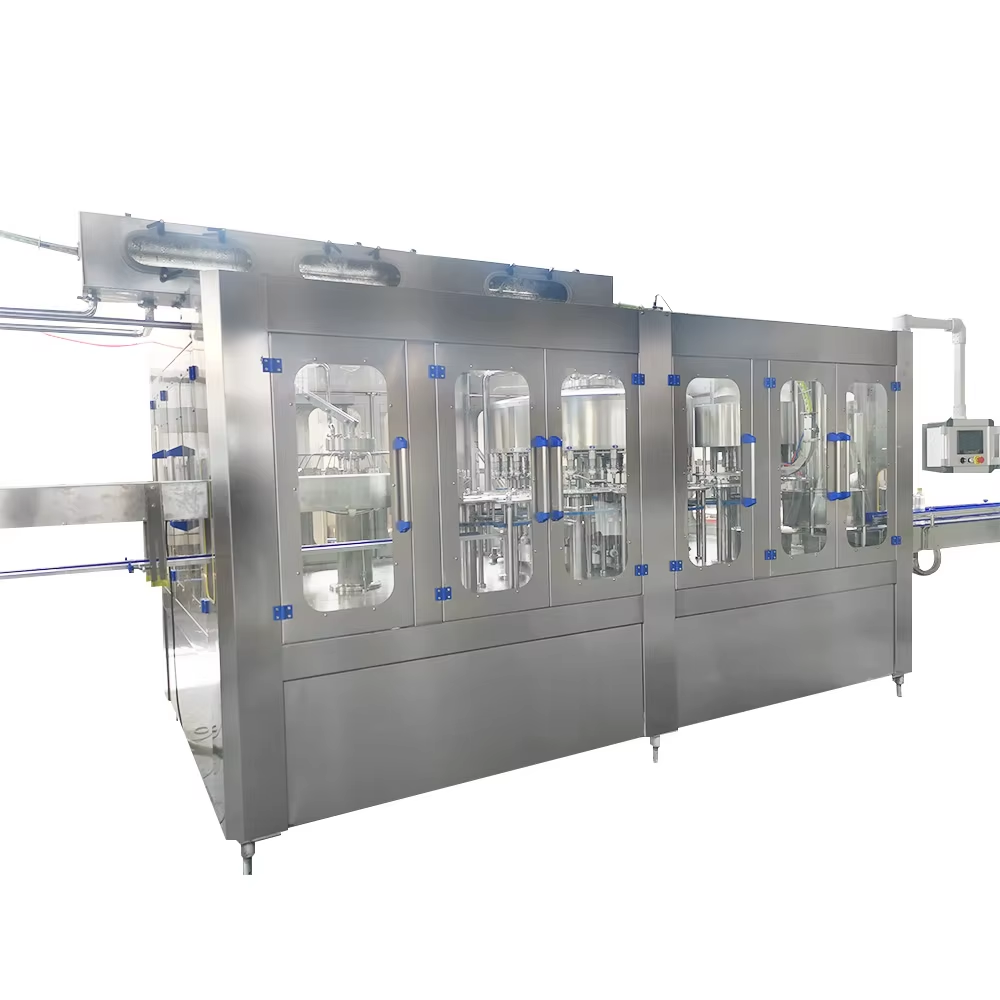
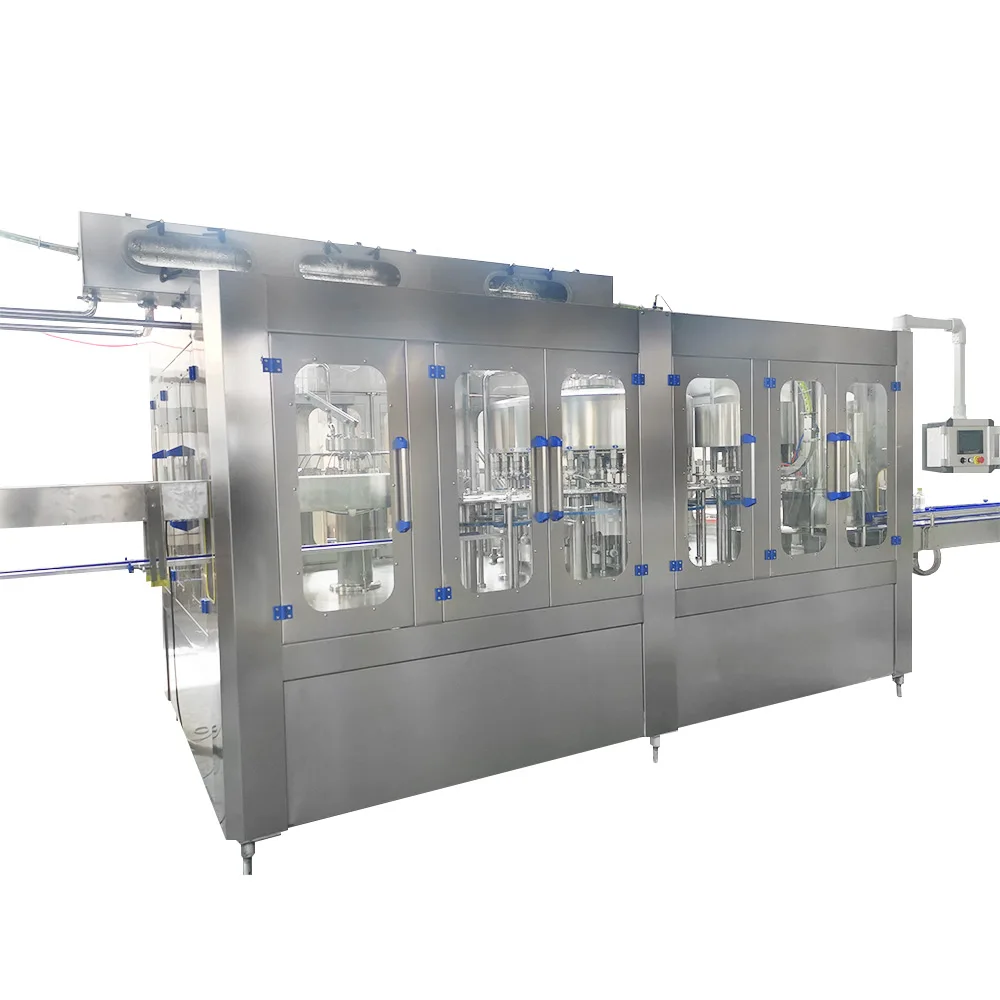
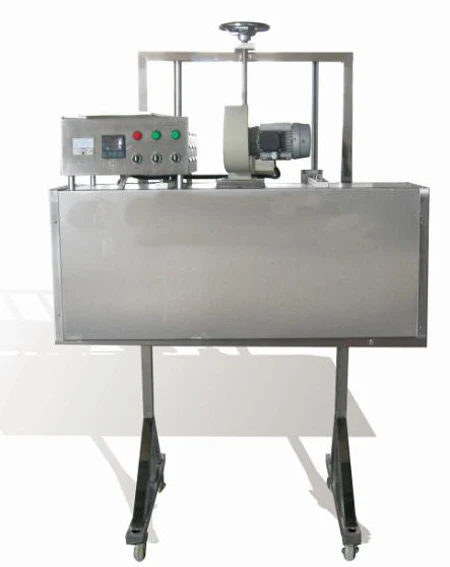
Automatic Liquid Nitrogen Filling Dosing Sprayer Machine Price for Oil Water PET Bottle
-
Extend Shelf Life • Reduce Oxygen • Strengthen Containers
-
The Smart Way to Pressurize, Purge, and Preserve
-
Optimized Cryogenic Dosing for Product Freshness and Package Integrity
-
Consistent, Controllable, Cost-Effective Nitrogen Injection
- Overview
- FAQ
- Recommended Products
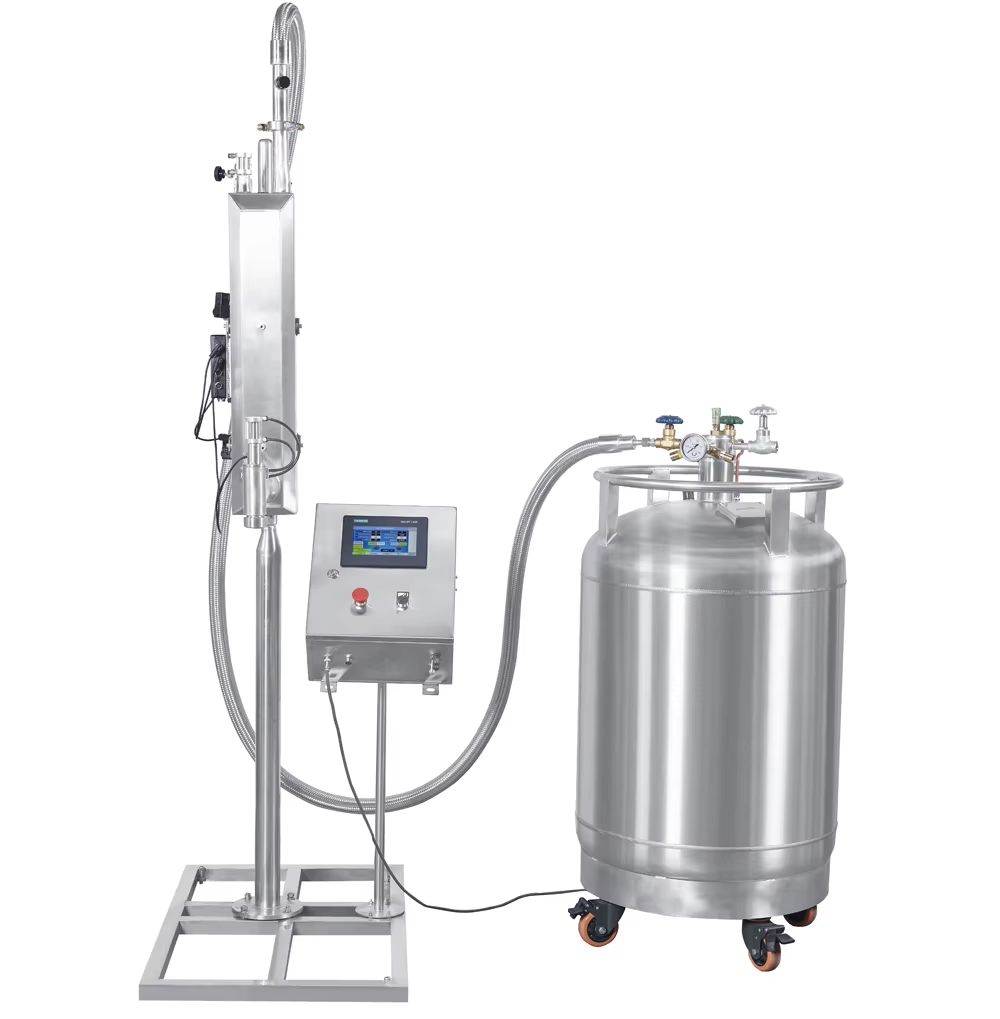
Automatic Liquid nitrogen Filling Dosing Sprayer Machine Price for Oil Water PET Bottle
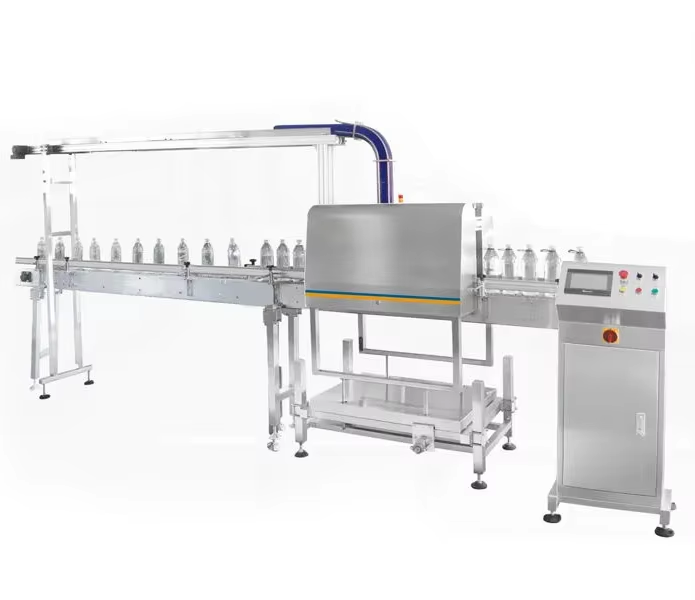
Introducing, the Mars Automatic Liquid Nitrogen Filling Dosing Sprayer Machine, the ultimate solution for filling and dosing liquids into PET bottles with precision and efficiency. This innovative machine is designed to streamline your production process, saving you time and labor costs.
Using cutting-edge technology, the Mars Automatic Liquid Nitrogen Filling Dosing Sprayer Machine ensures accurate and consistent filling of liquids such as oil and water into PET bottles. The liquid nitrogen system allows for rapid cooling of the liquid, preventing foaming and ensuring a smooth and efficient filling process.
With adjustable dosing settings, you can easily customize the amount of liquid dispensed into each bottle, allowing for precise control over your production output. Whether you are filling bottles for personal use or for commercial distribution, the Mars Automatic Liquid Nitrogen Filling Dosing Sprayer Machine is the perfect solution for all your liquid filling needs.
Not only does this machine offer superior performance, but it is also incredibly easy to use. Simply load your PET bottles onto the conveyor belt, set the dosing parameters, and let the machine do the rest. Its user-friendly interface makes it easy to operate, even for those with minimal experience in liquid filling technology.
In addition to its efficiency and ease of use, the Mars Automatic Liquid Nitrogen Filling Dosing Sprayer Machine is also highly durable and built to withstand the rigors of continuous use. Its robust construction ensures long-lasting performance, making it a smart investment for any business looking to streamline their production process.
When it comes to pricing, the Mars Automatic Liquid Nitrogen Filling Dosing Sprayer Machine offers exceptional value for money. With competitive pricing and low operating costs, this machine is a cost-effective solution for businesses of all sizes.
The Mars Automatic Liquid Nitrogen Filling Dosing Sprayer Machine is a top-of-the-line product that will revolutionize the way you fill and dose liquids into PET bottles. With its advanced technology, user-friendly design, and competitive pricing, this machine is the ideal choice for businesses seeking to improve their production efficiency. Invest in the Mars Automatic Liquid Nitrogen Filling Dosing Sprayer Machine and experience the difference it can make for your business today
Technical Parameter:
Filling heads |
1 |
Production speed |
0-500cans/Min |
| Suitable can size | any |
| Dosing precision | ±5% |
Liquid nitrogen machine itself liquid nitrogen consumption |
0.2L/H |
| Adjustable dosing time | 15-1000ms |
| Adjustable dosing amount | 0.01-14g/time |
Motor power |
0.1Kw |
Voltage |
220V, 50HZ |
Control voltage |
24V, DC/AC |
Overall dimension |
950×177×603mm |
Net weight |
15Kg |
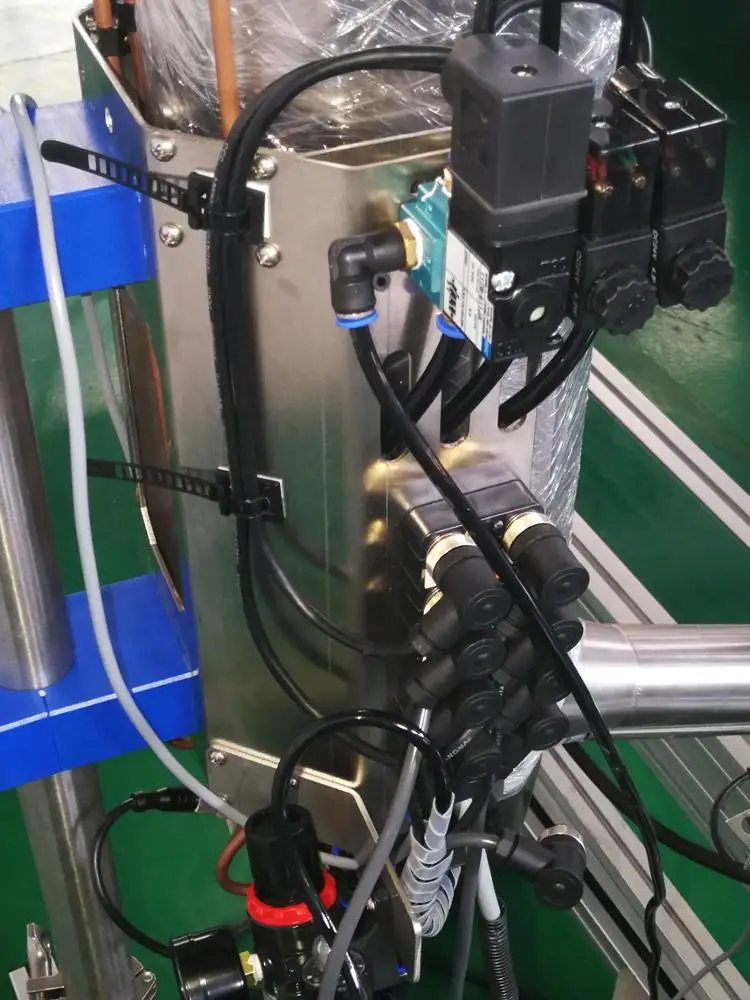
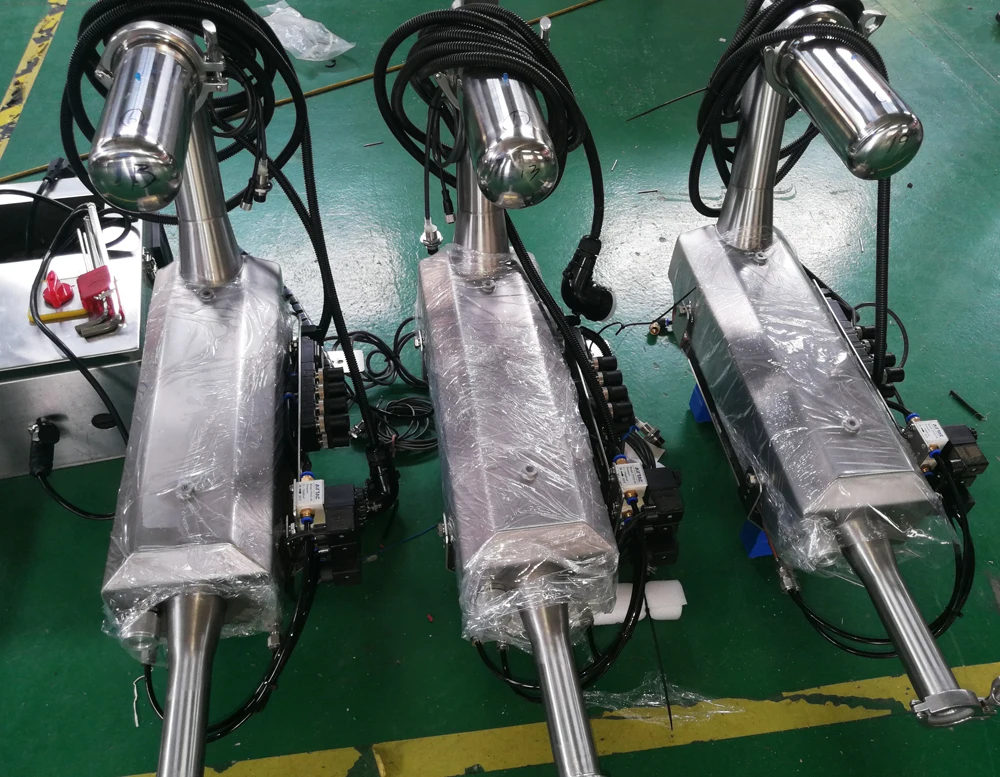
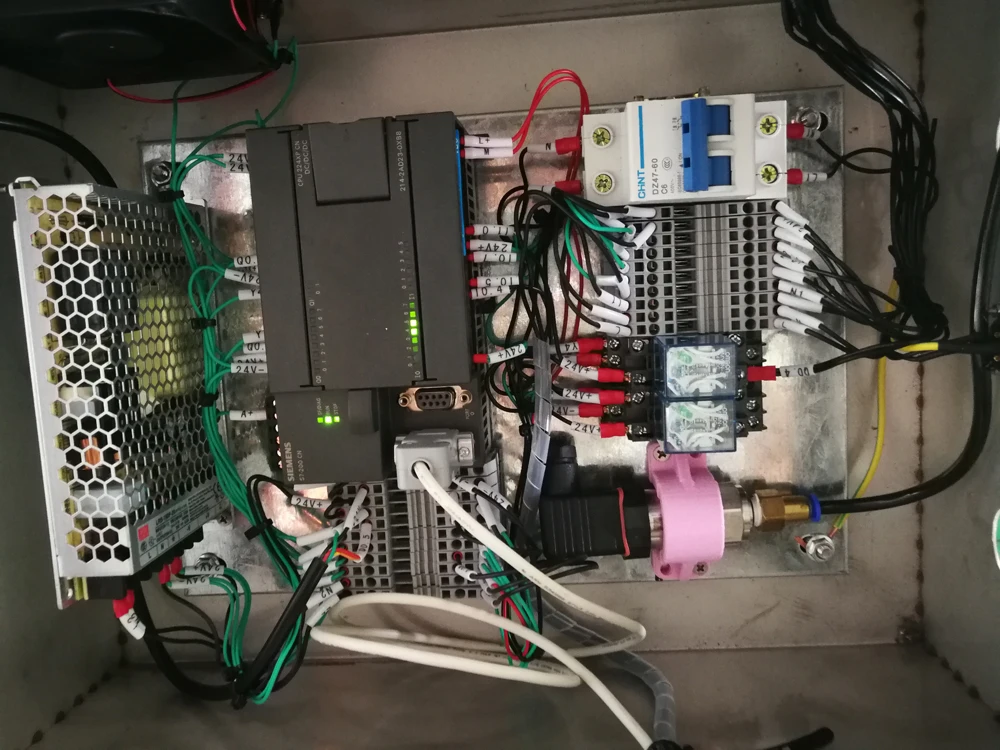
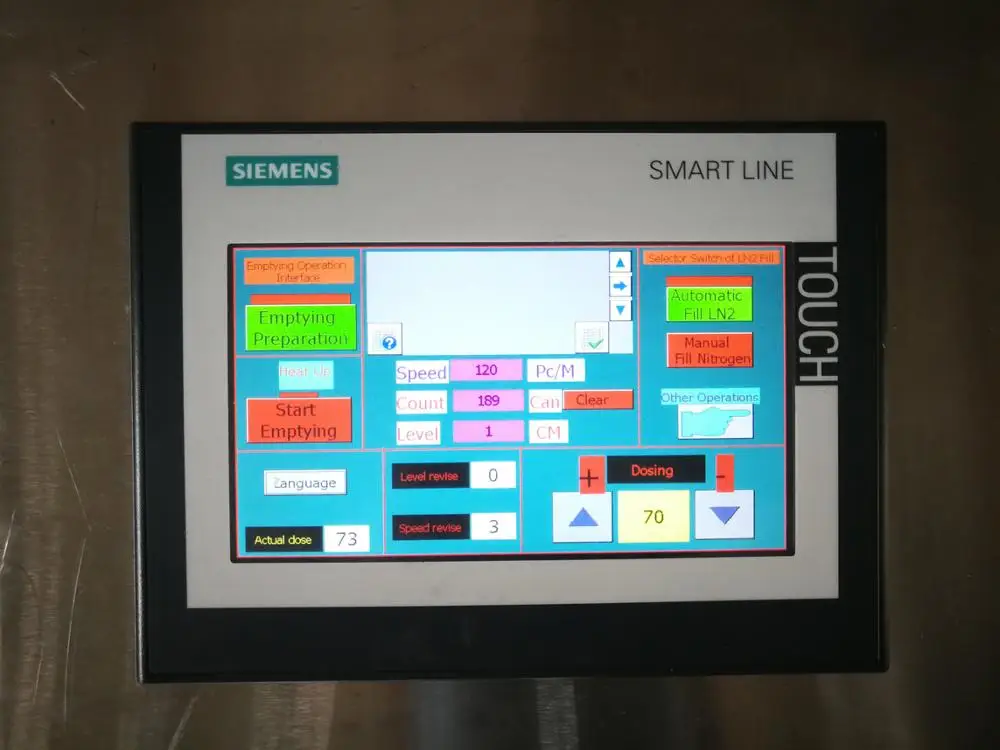
YDJ-300 Liquid Nitrogen Dosing Machineis the latest liquid nitrogen dosing machine in China which uses the similar machines abroad for reference. It could control dosing volume accurately, no-container-no-liquid dosing, small size, easy installation and could coordinate with any filling production line. Control system comprises Siemens PLC and touch screen, all pipes adopt vacuum heat-insulated pipes which could ensure minimum consumption of liquid nitrogen and no frosting operation condition
Working Process:
Liquid nitrogen Gasify and volume expansion 700 times, extrude the air out and form vacuum in the can, increase the aluminum can/pet can internal pressure to prolong the canned beverage shelf life and keep good looking for better transportation and store
Operation Conditions:
1. Supple of Liquid Nitrogen: Regulate to 15 (0.1MPa) and connect to liquid nitrogen pipe
2. Compressed Air or Nitrogen: Supply to the working of dosing valve. The pipe diameter must be 1/4inch and pressure range is from 50psig to 100psig (3.4 to 6.9 bar). Set the pressure to 50 psig (0.35MPa). Please do not set the pressure too high, high pressure means high impact, it will shorten the lifetime of dosing valve element and internal vacuum pipe
Characteristics:
1. No container no dose and interval dose method in low speed to reduce liquid nitrogen consumption; dosing valve is always open in high speed. Automatic detects high speed or low speed.
2. Vacuum & heat insulation protection
3. Special nozzle care system effectively avoided nozzle frost and ice blockage phenomenon.
4. Liquid-gas separator ensures liquid nitrogen in a ultra cold state, improves liquid phase purity to make the dose more precision and steady.
5. Liquid nitrogen buffer function, effectively control liquid nitrogen bounce splash. Liquid nitrogen dosing amount is steady and ensures can pressure equality.
6. Filter(optional) 10μm to removes particulate pollution
7. Precise dosing liquid nitrogen speed could reach to 300cpm, continuous dosing speed could reach to 800cpm
8. Capacity adjustability and effectively vacuum liquid nitrogen insulation pipe ensures minimum liquid nitrogen consumption
9. Advanced dosing valve ensures transport pure and liquid nitrogen.
10. Lowest outlet pressure of dosing valve ensures minimum liquid nitrogen splash.
11. No frost operating condition.
12. Precise adjustability of dosing amount and dosing time
13. Continuous self-monitoring through alarm indicator
14. PLC control/Touch screen/user-interface language selectivity
15. Could connect liquid nitrogen vacuum and heat insulation pipe, also could provide a complete liquid supply system from liquid nitrogen storage tank to filling production line.
16. Small size and easy to install
17. Diversity machine types ensures to suit different capacity production lines.
18. Apply to all different sizes pet bottles and thin-wall easy open cans production lines
|
Q1 What is the difference between hot filling and cold aseptic filling for juice — which do you recommend and why? |
Choosing the right filling technology is the most critical decision for your juice production line. It directly impacts your product's taste, shelf life, packaging costs, and logistics. The Core Technical Difference Hot Fill: hot filling is typically means filling temperature from 85°C to 95°C. in this way both the juice/tea and bottle are sterilized simultaneously. The bottle must withstand this heat without deforming. The bottle material cost is higher. But machine production line invest is lower. Cold Aseptic Filling: the bottle, cap, and the environment separately sterilized(using steam or chemicals), then fill the bottle with a sterile, chilled product. The total invest is high. But bottle material is lower and can keep drink fresh taste well. |
|
Q2 Can this line handle juices with pulp or fiber content, or is it only for clear juice? |
This line is specifically designed for clear juice (e.g., apple, grape, clarified juice). It is not recommended for high-pulp or high-fiber juices such as orange, tomato, or smoothies, as pulp may cause clogging. For pulp-containing juices, we have special machine for it. |
|
Q3 What sterilization method do you use — UHT, HTST, or tunnel pasteurizer? |
1. UHT (Ultra-High Temperature) – Best for Aseptic Filling Process: 135–150°C (275–302°F) for 2–5 seconds. Application: Milk, plant-based beverages, dairy desserts, liquid eggs. Advantage: Enables ambient storage (6–12 months) without refrigeration.
Equipment: Plate or tubular UHT sterilizer + aseptic filling system. 2. HTST (High-Temperature Short-Time) – Best for Chained Distribution Process: 72–85°C (161–185°F) for 15–30 seconds. Application: Fresh milk, juice, beer, ice cream mix. Advantage: Better preserves flavor & nutrients; lower energy cost. Shelf life: 2–6 weeks refrigerated. 3. Tunnel Pasteurizer – It is after filling pasteurizing. Process: Multi-zone spray (preheat → pasteurization → cooling) at 60–98°C. Application: Beer, cider, canned vegetables, pet food pouches, glass jars. Advantage: Post-packaging sterilization; no aseptic filler required. |
|
Q4 Does the line include a liquid nitrogen dosing system? What is the purpose of nitrogen injection in juice filling? |
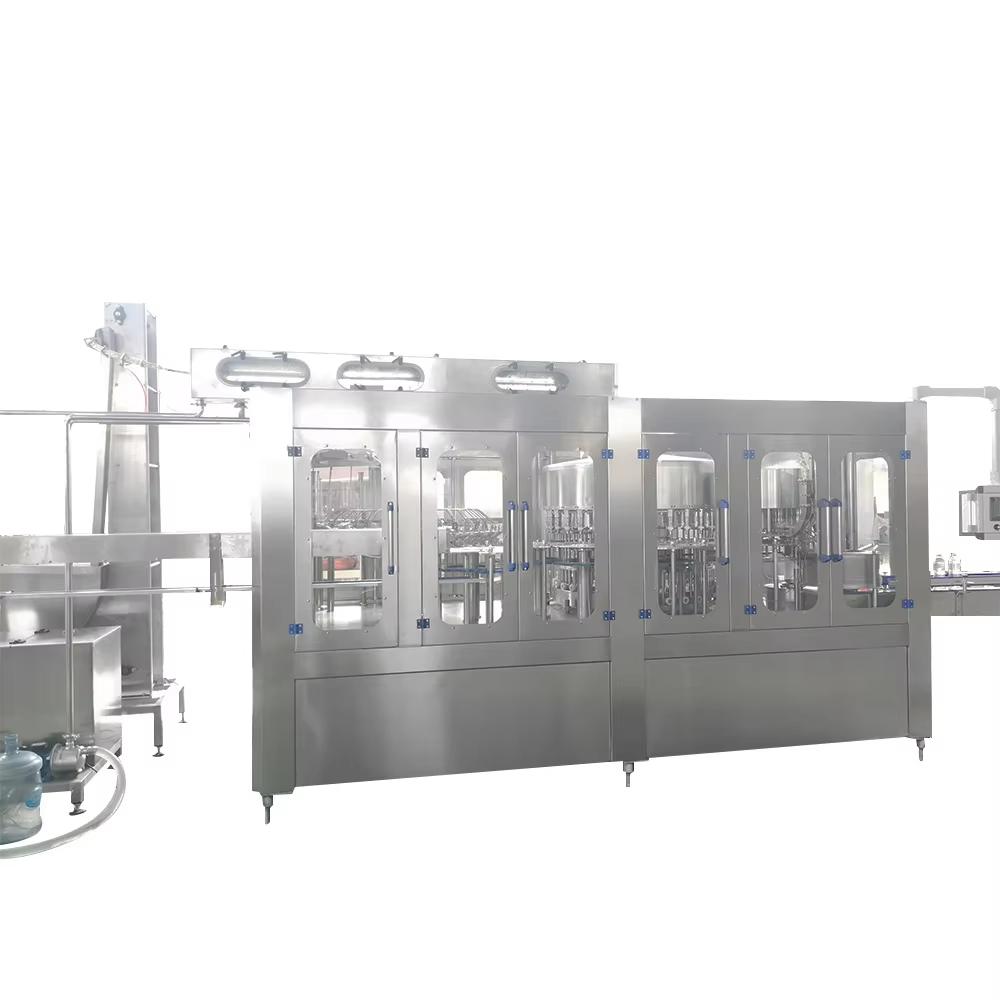
Yes, we offer an optional liquid nitrogen dosing system (LND) integrated with our filling lines — particularly for PET bottling water, juice, edible oil, non-carbonated drink can filling. Liquid nitrogen (LN₂) dosing serves two critical purposes in juice and beverage filling: 1. Oxygen displacement – Extend shelf life & preserve quality A small drop of LN₂ vaporizes inside the container headspace before sealing. The expanding nitrogen gas pushes out oxygen (the main cause of oxidation, vitamin C loss, and color fading). Result: Reduced dissolved oxygen (DO) → longer shelf life without adding preservatives. 2. Rigidity & stackability – Prevent paneling (for PET bottles) Juice-filled PET bottles often collapse inward during cooling (vacuum effect). LN₂ dosing adds a controlled internal pressure (1.5–3 bar) after capping.
Result: Bottles remain rigid, lightweight, and stackable for palletizing — no need for thicker plastic or vacuum panels. For hot-fill juices: LN₂ replaces expensive vacuum panels or nitrogen flushing systems. |
|
Q5 What bottle materials are supported — PET only, or also glass and HDPE? |
For hot-filling machines, supported bottle materials typically include PET, glass, and HDPE, depending on the machine design and filling temperature. PET: Suitable for hot-filling only with heat-set (crystallized) PET; standard PET cannot withstand high temperatures above 60°C. Glass:Fully compatible with most hot-filling applications (juice, tea, etc.) due to excellent thermal resistance. HDPE:Limited compatibility — only high-density polyethylene grades with high thermal stability (some up to 90–95°C) can be used for hot-filling. standard HDPE may deform |
|
Q6 What is the filling temperature range for hot-fill juice products? |
Hot-fill juice products typically have a filling temperature range of 80°C to 95°C (176°F to 203°F).
For optimal sterilization of the container and cap, most hot-fill applications target 88°C to 92°C (190°F to 198°F). The minimum temperature required to achieve commercial sterility without preservatives is generally 80°C (176°F). |
|
Q7 How do you ensure the juice does not oxidize or change color during the filling process? |
1. Minimize Oxygen Exposure Use a fully enclosed filling system with inert gas flushing (e.g., nitrogen) to displace oxygen from the filling chamber and containers before and after filling. Install a deaerator before filling to remove dissolved oxygen from the juice prior to heating.
2. Control Temperature & Time Maintain a high filling temperature (80–95°C) for hot-fill, which sterilizes and reduces oxygen solubility. Reduce product hold time between deaeration and sealing to limit oxidative reactions.
3. Optimize Equipment Design Apply sanitary, low-shear valves and pumps to prevent air entrainment. Use variable frequency drives to avoid excessive turbulence during filling. Ensure splash-free filling nozzles to minimize foam and oxidation.
4. Add Antioxidants (if permitted) Include ascorbic acid, erythorbic acid, or rosemary extract to inhibit enzymatic and non-enzymatic browning.
5. Bottle & Seal Integrity Pre-heat containers to reduce thermal shock and condensation, which can trap oxygen.
Apply immediate capping after filling (≤2 seconds) with steam or nitrogen cap flushing.
Use oxygen-scavenging caps or liners for long-term color stability.
6. Cleaning & Maintenance Regularly check for leaks in seals, gaskets, and pipe connections.
Clean filler bowls and nozzles to avoid caramelized juice residue (which promotes discoloration).1. Minimize Oxygen Exposure |
|
Q8 What is the shelf life we can expect for juice products filled on your line without refrigeration? |
For hot-fill juice line, the expected shelf life without refrigeration typically ranges from 6 to 12 months, depending on product acidity (pH < 4.2), filling temperature (≥80°C–95°C), bottle and cap sterilization, and barrier properties of the packaging material. |
|
Q9 Can the same line be used for both still juice and carbonated juice drinks? |
No, the normal hot filling line can be used for both still (non-carbonated) juice only, for carbonated juice drinks, it need isobaric pressure filling machine. |
|
Q10 What food safety standards does your juice line comply with (FDA, CE, ISO 22000, etc.)? |
Our juice production line complies with CE (Conformité Européenne) for machinery safety and electromagnetic compatibility, and ISO 22000 for food safety management systems. For hot filling machines specifically, we also follow cGMP (Current Good Manufacturing Practices) and HACCP (Hazard Analysis Critical Control Points) principles to ensure microbiological safety, seal integrity, and thermal processing compliance. |