 EN
EN
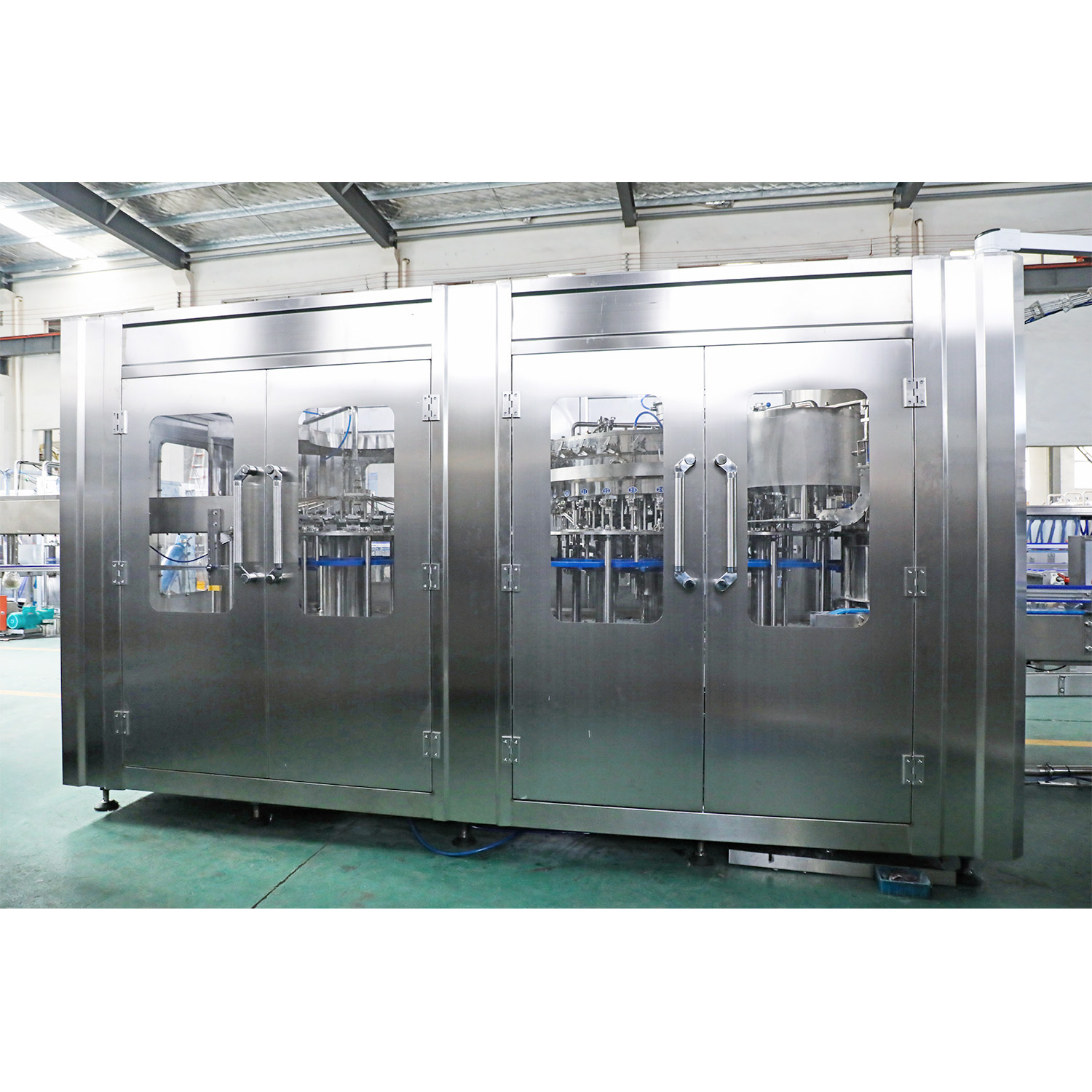
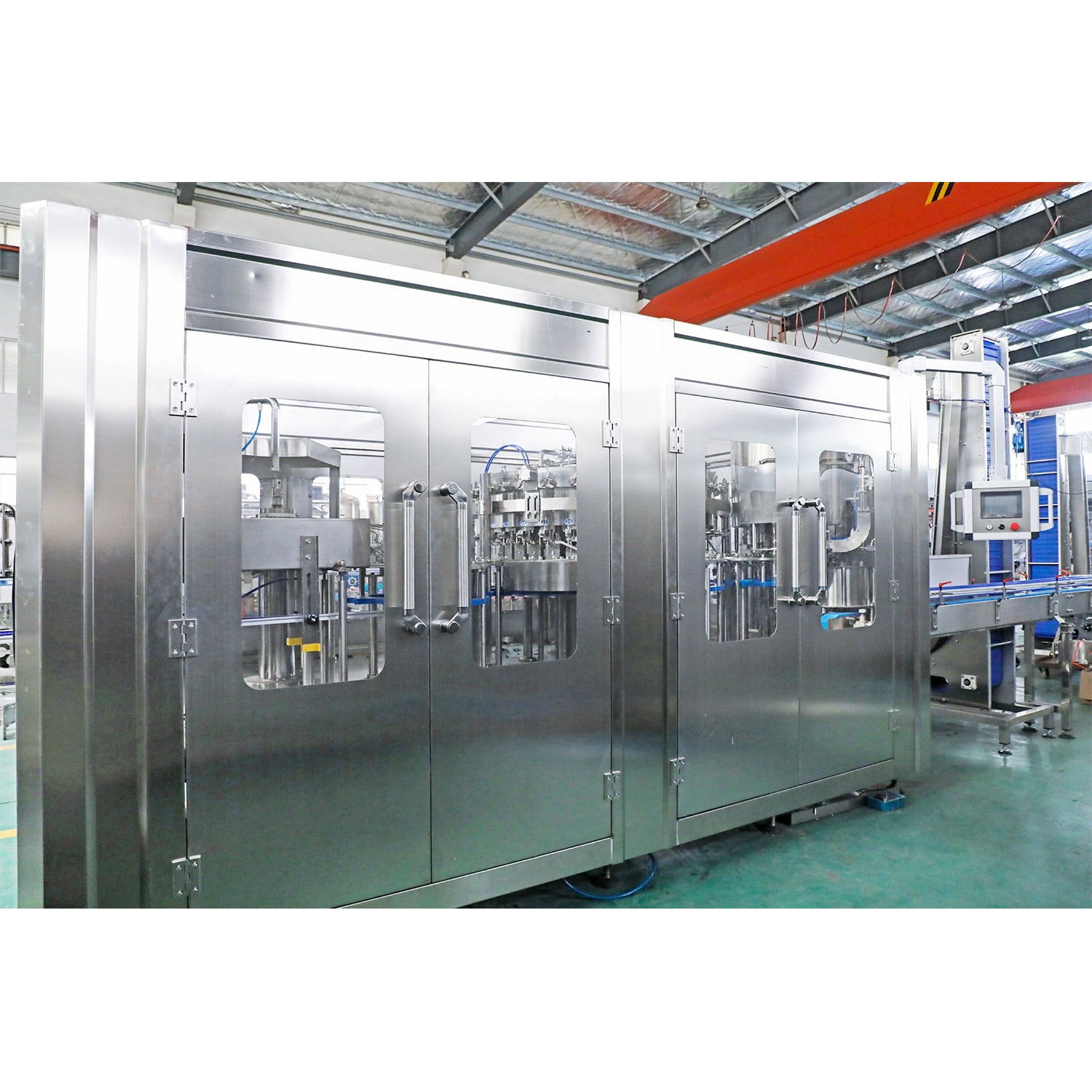
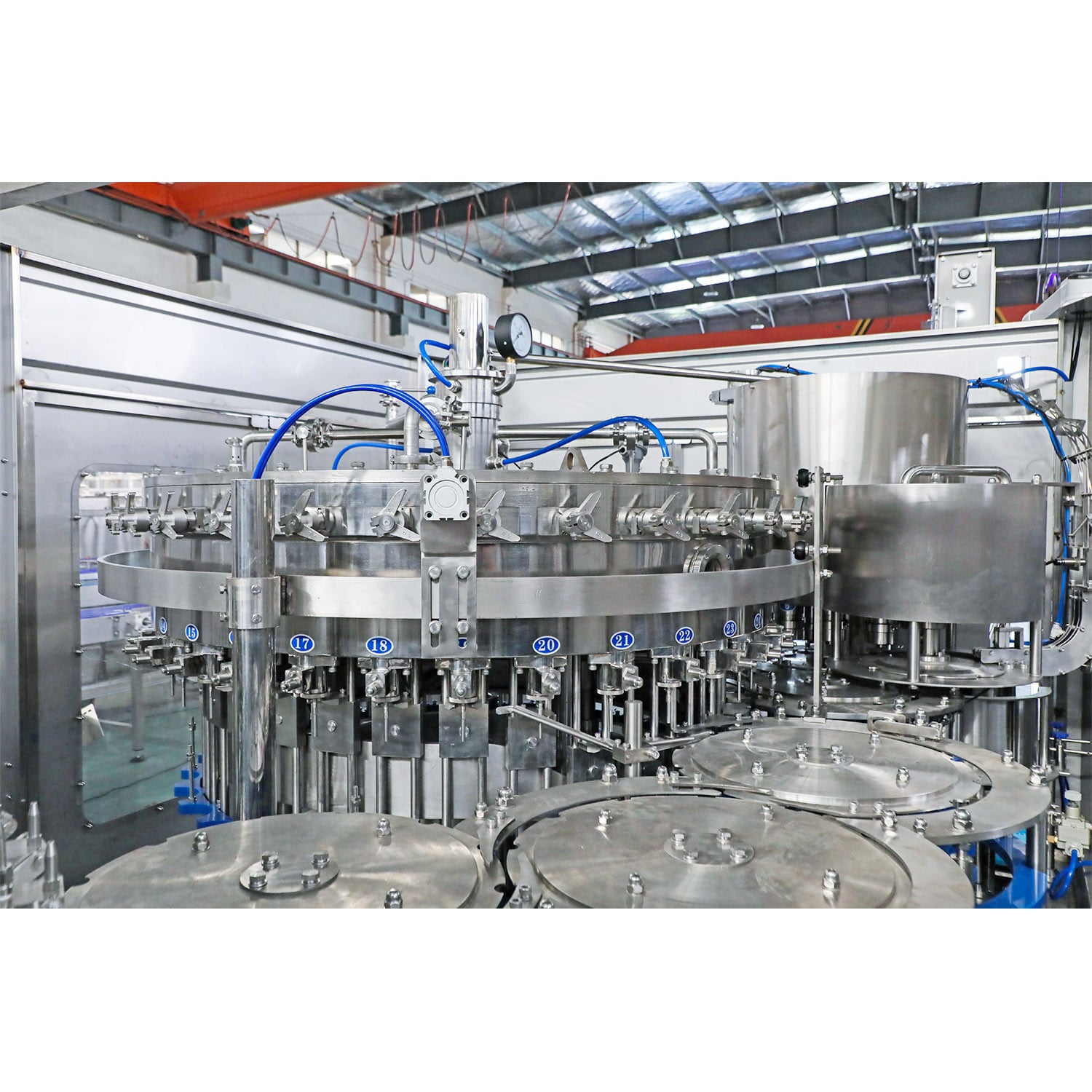
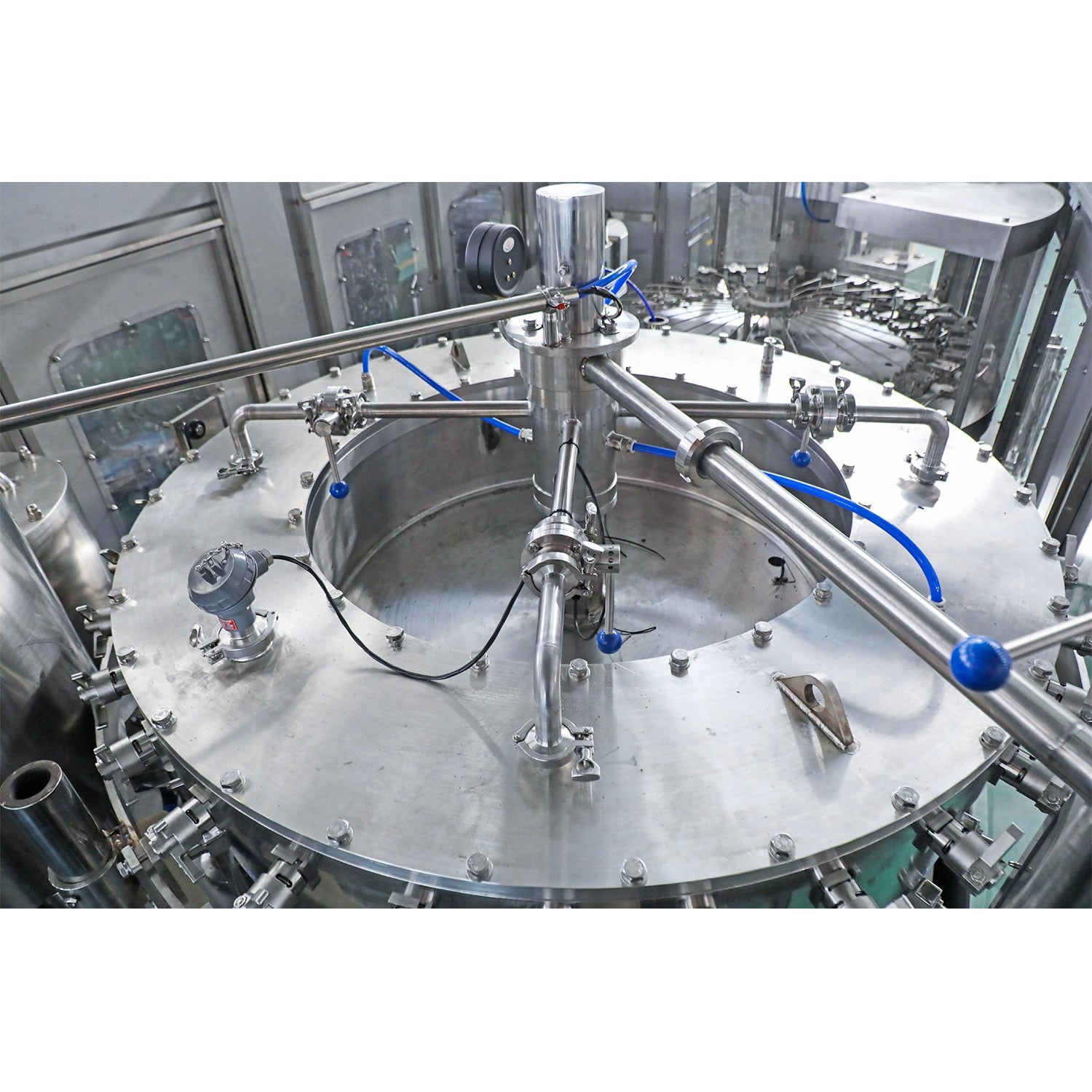
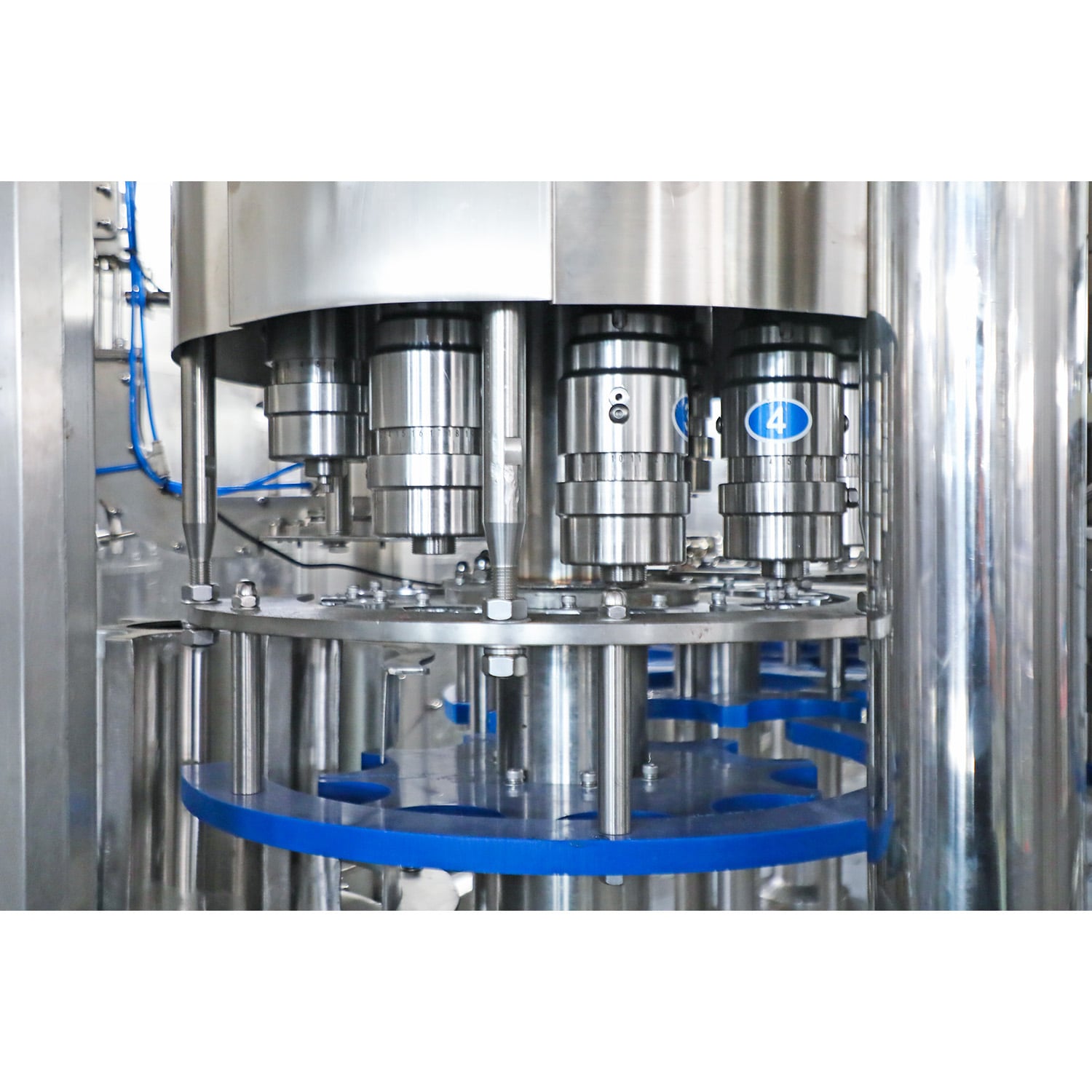
12000BPH Complete Automatic Carbonated Soft Drink (CSD) Production Line for Plastic PET Bottles
High-Speed Filling Bottling Line Solutions for Soda, Sparkling Water & Beer – Preserving Carbonation with Precision
- Overview
- Technical parameter
- FAQ
- Recommended Products
Bottle Unscrambling & Conveying
Bulk PET bottles are sorted, oriented, and fed into the line via a compact unscrambler. An air conveyor gently transports empty bottles without contact, reducing contamination risk.Integrated Rinser & Filler
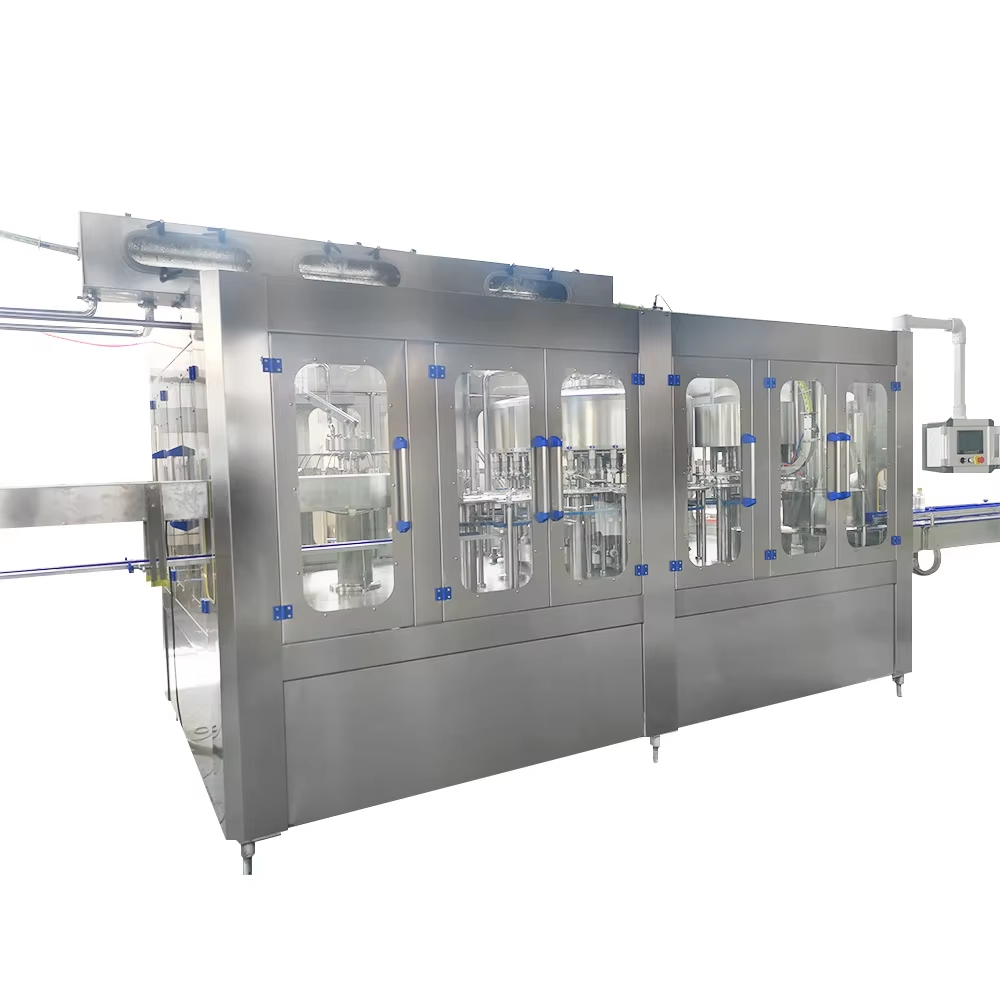
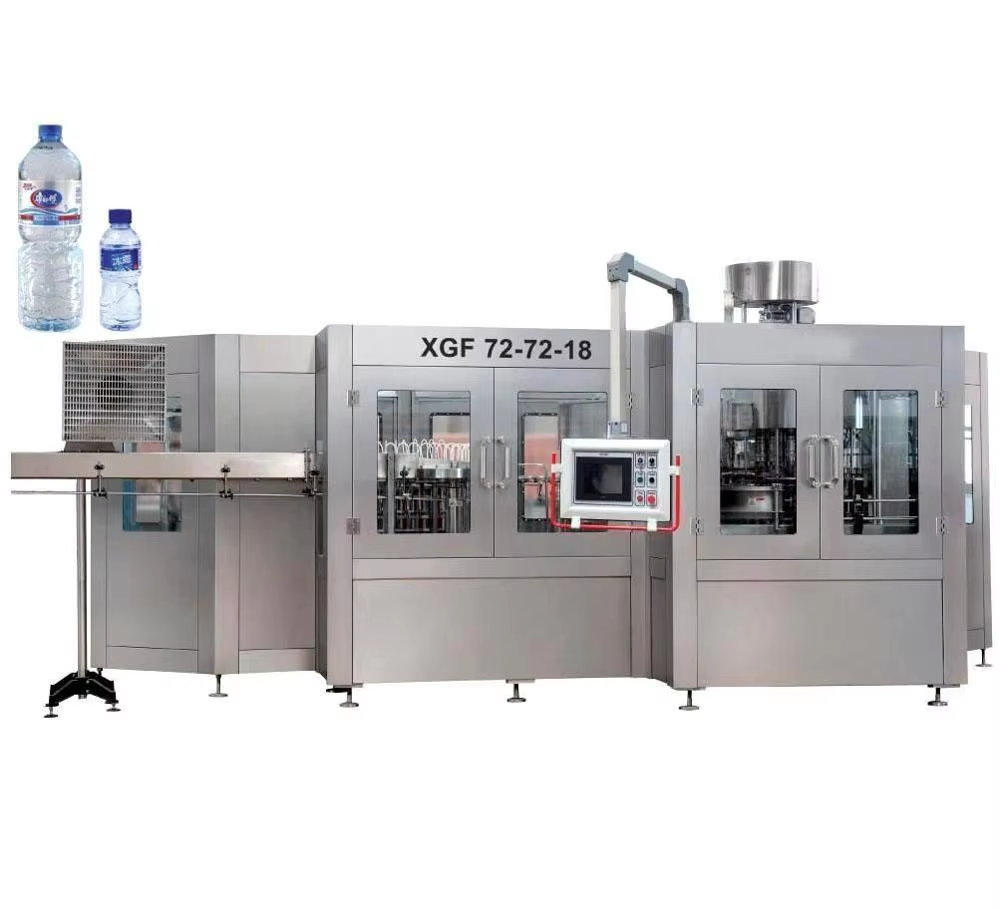
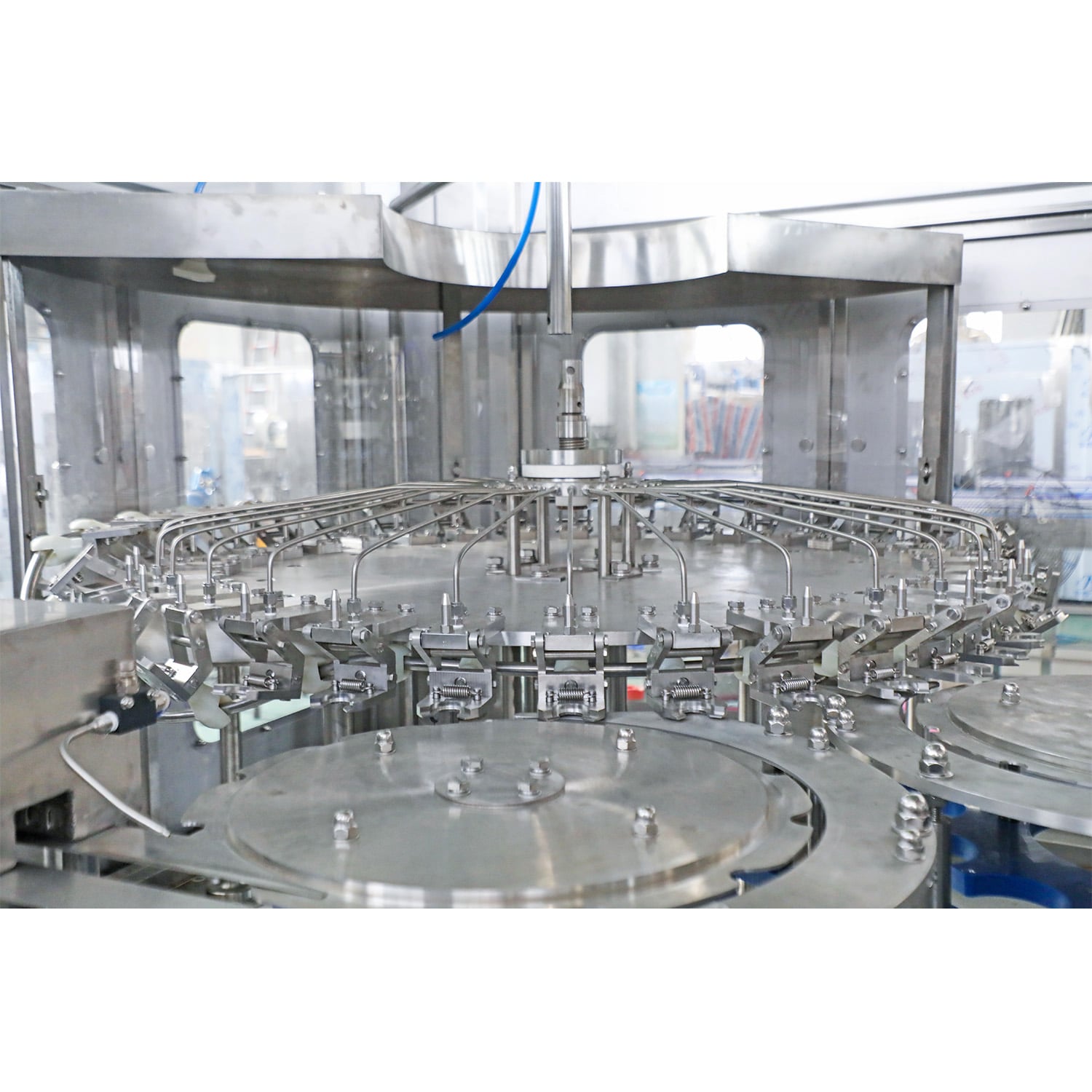
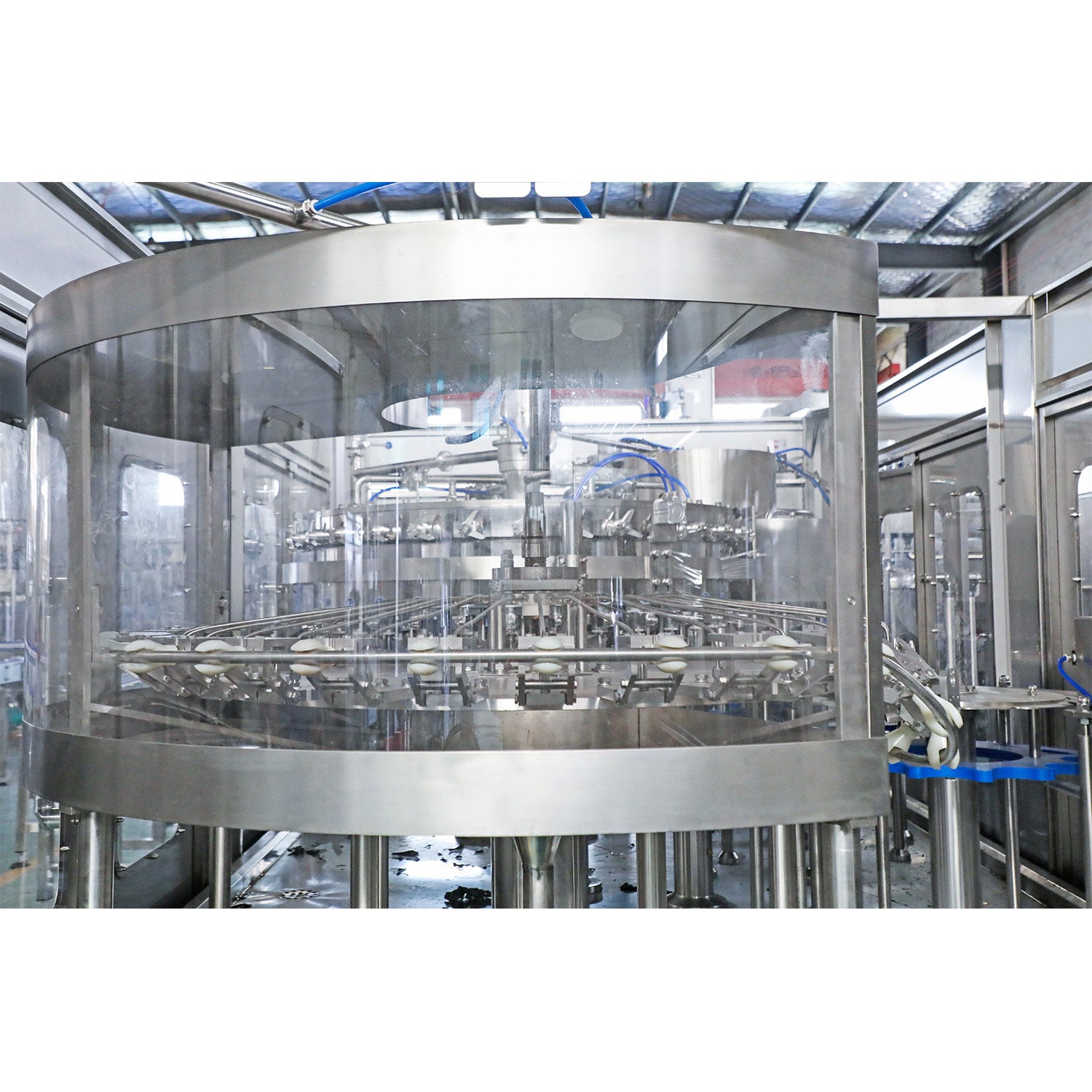
Bottles are rinsed with sterile water or air before entering the isobaric counter-pressure filler. The filler uses CO₂ back-pressure to match bottle pressure, preventing foam and carbonation loss. Filling accuracy is typically ±1ml.Capper with Snap/Screw Cap Handling
A high-turret capper applies pre-threaded or snap caps under pressure, ensuring perfect seal integrity to retain CO₂. Optional cap sterilizer available.Warming Tunnel
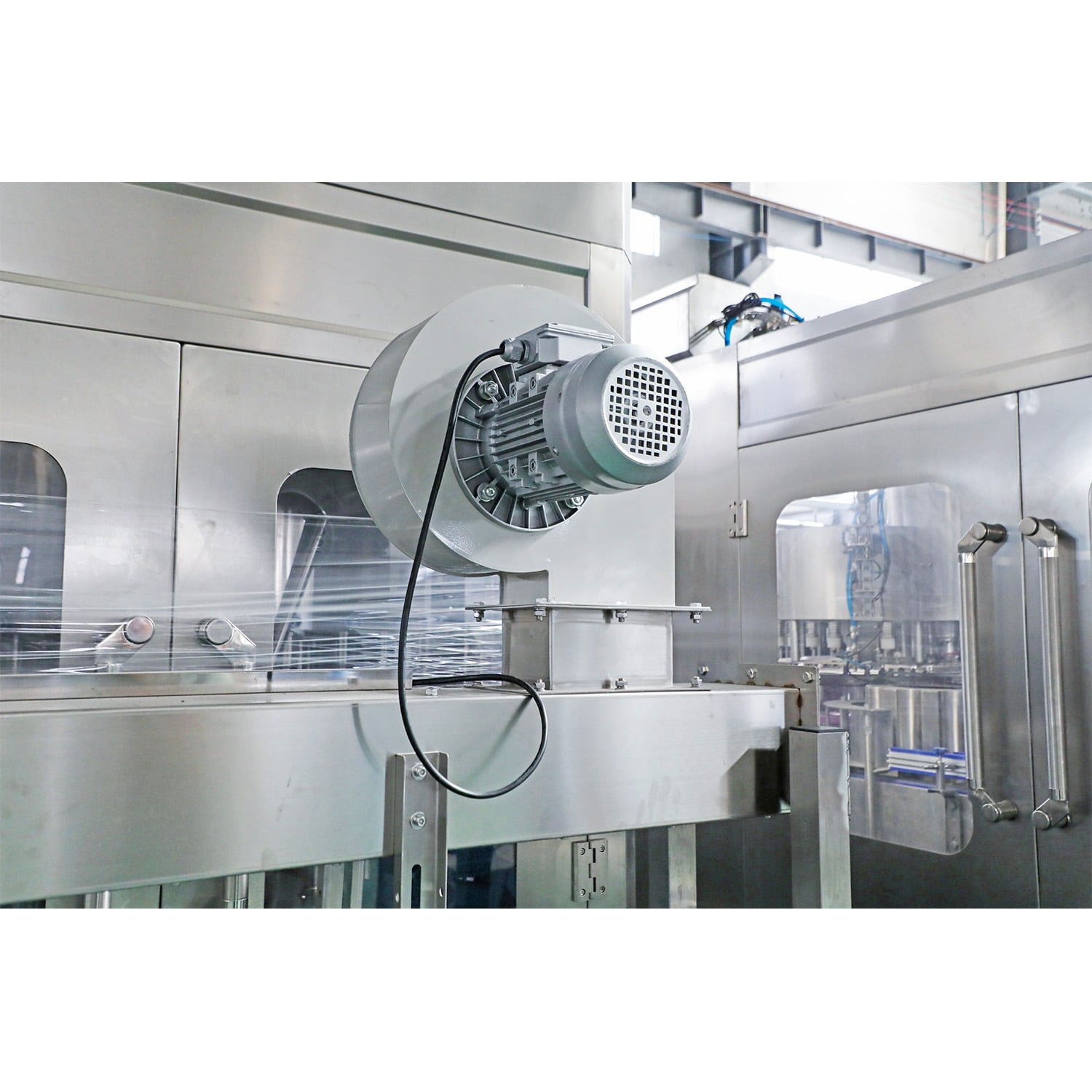
For cold-fill processes (≤4°C), bottles pass through a warm tunnel to raise surface temperature above dew point, preventing condensation on labeling and packing stages.Labeling Unit
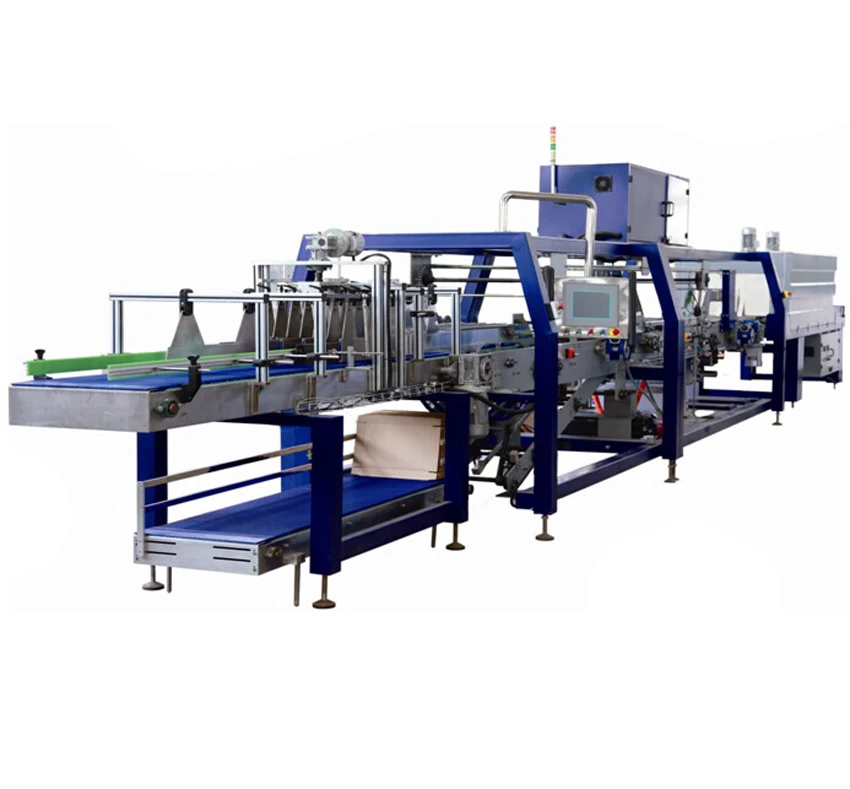
Options include roll-fed, shrink-sleeve, or pressure-sensitive labeling. For CSD, shrink-sleeve with electric tunnel provides full-body decoration and tamper evidence.Packing & Palletizing
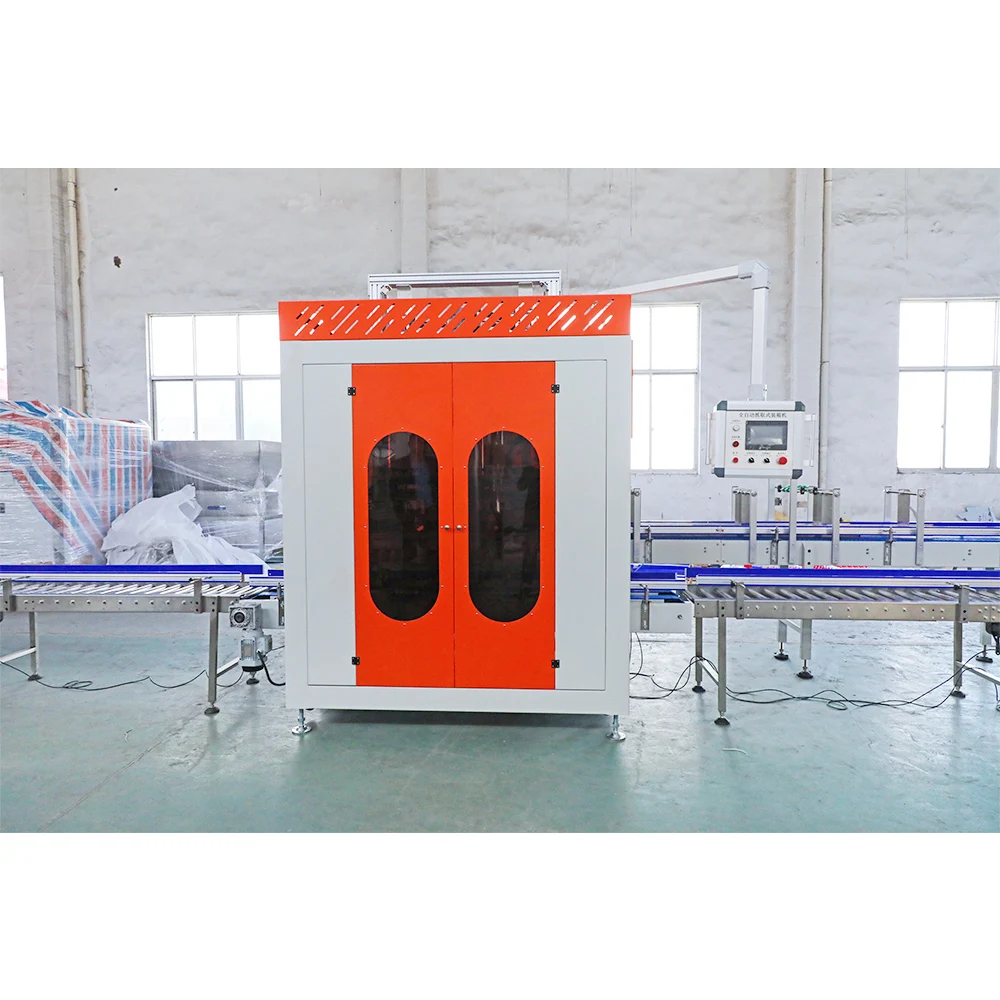
Final packer applies film wrap or tray packing, followed by robotic or gantry palletizer for warehouse delivery.Carbonation stability – CO₂ loss <0.2 vol% during filling.
Oxygen control – Dissolved oxygen increase <15 ppb.
Production speed – 6,000 to 48,000 bottles/hour (depending on model).
Container range – 0.2L to 2.5L PET bottles (change parts available).
CIP/SIP – Automated cleaning-in-place and sterilization-in-place for filler/capper.
Materials – Food-grade stainless steel (304/316L), sanitary fittings.
Carbonated soft drinks (Cola, lemon-lime, orange soda)
Sparkling water & club soda
Carbonated juices & functional sparkling beverages
Beer (low-oxygen PET bottle filling)
Hard seltzers & alcoholic carbonated drinks
✅ Maintains product taste – Low oxygen pick-up and precise CO₂ control.
✅ High output efficiency – Continuous operation with minimal jams.
✅ Easy changeover – Quick-adjust format parts for different bottle sizes.
✅ Complies with global standards – CE, ISO, FDA (food contact materials).
✅ Complete after-sales – Installation, training, and remote support.
1. Overview
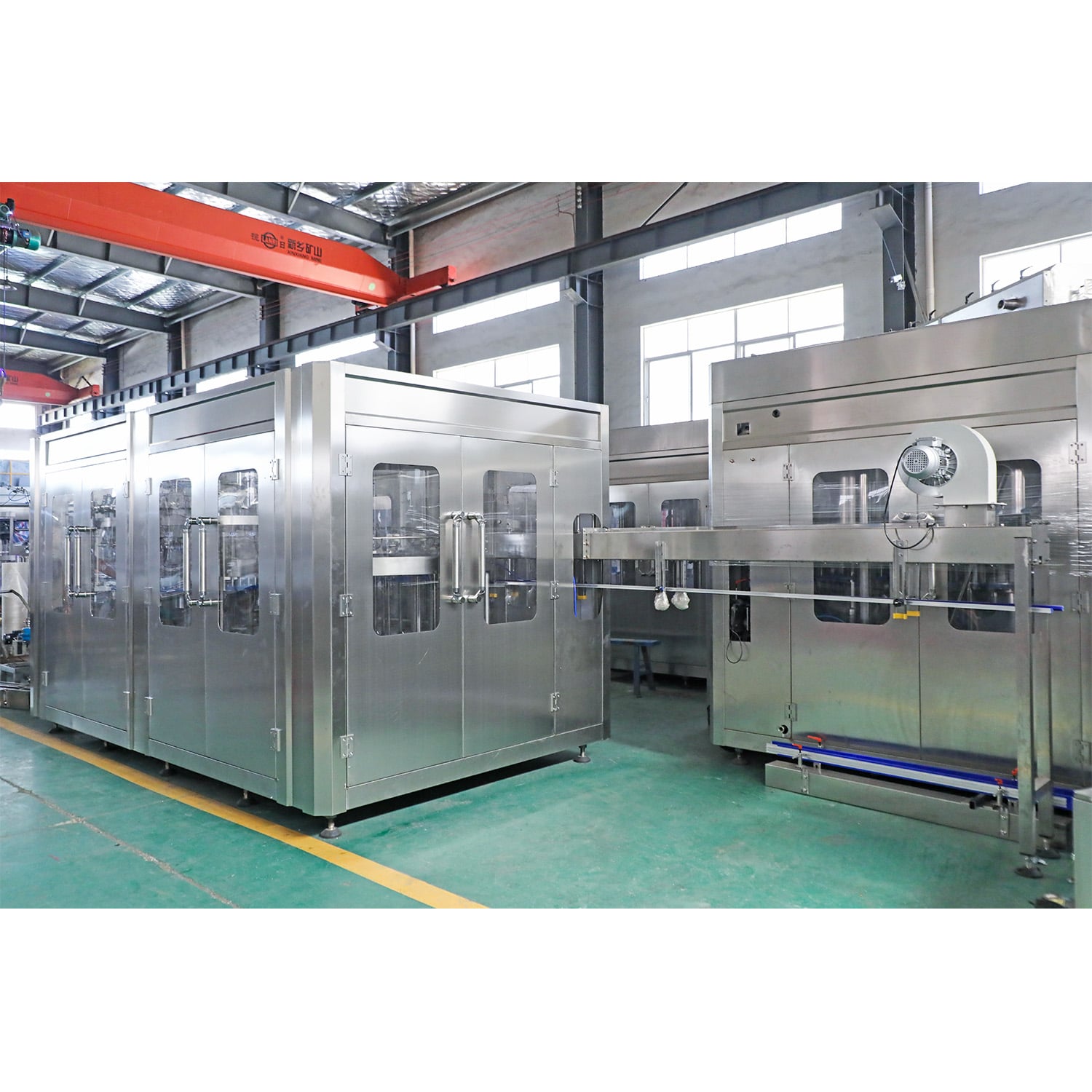
This plastic bottle carbonated beverage production line is specifically designed for filling carbonated soft drinks (CSD), sparkling water, soda, beer, and other effervescent beverages into PET bottles. The system ensures precise counter-pressure filling, low oxygen pick-up, and stable carbonation retention – critical factors for product quality and shelf life. From bottle unscrambling to final shrink-wrapping, the line integrates fully automatic, CIP-capable equipment suitable for 24/7 industrial operation.
2. Key Process Stages
3. Technical Highlights
4. Applications
5. Why Choose This Line
6. Conclusion
This PET bottle carbonated beverage production line offers beverage manufacturers a reliable, high-speed, and hygienic solution for producing carbonated drinks with consistent quality. Whether you are launching a new sparkling water brand or upgrading an existing CSD line, the system delivers low total cost of ownership and exceptional carbonation preservation.
|
Model |
DCGF32-32-10 |
|
Production capacity |
9,000-10,000B/H(basis on 500ml bottle) |
|
Filling precision |
≤±3mm(liquid level) |
|
Filling pressure |
<0.4Mpa |
|
Polyester bottle specification |
bottle diameter:φ50-φ108mm bottle height: 150-340mm |
|
Suitable cap type |
plastic screw cap |
|
Water pressure of washing bottle |
0.18-0.25Mpa |
|
water consumption for washing bottle |
1000Kg/h |
|
Spraying position |
12 |
|
Dripping bottle position |
7 |
|
Gas source pressure |
0.7Mpa |
|
Gas consumption |
1m3/min |
|
Total power |
6.99Kw |
|
Overall dimension |
4100×2800×2750mm |
|
Total weight |
7000Kg |
|
Q1 What filling technology do you use for carbonated drinks-isobaric pressure filling? How does it prevent CO2 loss? |
Yes, isobaric pressure filling is the standard technology used for carbonated drinks to prevent CO2 loss. This method maintains equal pressure between the product tank and the bottle throughout the filling process. How it prevents CO2 loss: Back-pressure pressurization – Before filling, the empty bottle is pressurized with CO2 gas to match the pressure inside the product tank. Slow counter-pressure filling-The drink is introduced under controlled pressure, preventing sudden release of dissolved CO2.
Under-cap flushing & sealing – After filling, the bottle headspace is flushed with CO2 and immediately sealed to avoid gas escape.
This process ensures that the carbonation level stays consistent, preserving taste, shelf life, and product quality. |
||||||||||||||||||||||||
|
Q2 What is the maximum CO2 volume (carbonation level) your line can handle? |
The maximum CO2 volume (carbonation level) our equipment can handle depends on the specific model and configuration. Generally, our standard production lines support a carbonation range of up to 3.0 to 4.5 volumes of CO2 for most beverage applications. For high-carbonation products (e.g., sparkling water, energy drinks, or sodas requiring higher fizz levels), we can customize the system to handle up to 5.0 volumes, provided that the filling and sealing components are upgraded with high-pressure ratings and appropriate materials. Please confirm your target carbonation level and product temperature so we can recommend the most suitable solution and verify compatibility with tank pressure, filling valves, and sealing performance. |
||||||||||||||||||||||||
|
Q3 Can this line fill both carbonated water and flavored CSD (cola, lemon, etc.) without changing the machine? |
Yes, this line can fill both carbonated water and flavored carbonated soft drinks (CSD), such as cola and lemon, without changeover parts, . Key requirements include: Compatible filling valves – capable of handling different liquid characteristics (e.g., varying CO₂ levels, flavors). Automated CIP (Clean-In-Place) system – to remove flavor residues between product changeovers. Adjustable parameters – such as filling pressure, speed, and temperature to suit different product recipes. Flavor-free product circuit design – to avoid cross-contamination without mechanical changeover.
As long as the line meets these criteria (common in modern multi-product CSD fillers), no physical machine change is needed. Always confirm with the manufacturer's specifications for your specific model.
|
||||||||||||||||||||||||
|
Q4 What is the production speed for a standard 500ml CSD bottle line? |
The production speed for a standard 500ml carbonated soft drink (CSD) bottle line typically ranges from 1,000 to 24,000BPH. Key factors influencing speed include the blow molding, filling, capping, labeling, and packaging machinery.
|
||||||||||||||||||||||||
|
Q5 Does the line include a CO2 mixer/carbonator, or do we need to source that separately? |
Mars packing machinery can provide complete bottling line solution for CSD which not only including CO2 mixer/carbonator. But whole line including labeling and packing machine |
||||||||||||||||||||||||
|
Q6 What is the bottle size range this line supports for CSD products? |
The bottle size range this line supports for CSD (carbonated soft drink) products typically spans from 200 ml to 1.5 L, depending on the specific filling and packaging equipment configuration. Common supported sizes include 200 ml, 250 ml, 330 ml, 500 ml, 1 L, 1.25 L, 1.5 L. over 1.5L also can be customized made according to customer requirements. |
||||||||||||||||||||||||
|
Q7 How do you handle the pressure difference during filling to avoid bottle deformation or excess foaming? |
for isobaric pressure filling machines, pressure balance is the key to preventing bottle deformation and foaming. Here are proven methods: 1. Pre-Equalization (Pressure Balancing) Before filling, the bottle is filled with CO₂ or N2 to match the tank pressure.
This eliminates sudden pressure drops that cause bottle collapse (for thin-walled PET/glass) or foam eruption.
2. Controlled Depressurization (Snifting) After filling, gas is slowly released from the bottle headspace through a snifting valve. Rapid depressurization → CO₂ breakout → foaming. Slow release prevents this.
3. Back-Pressure Regulation Maintain a consistent counter-pressure (typically 1.5–2.5 bar for carbonated drinks).
Use a precision pressure regulator and flow control valve to stabilize tank-to-bottle.
4. Foam Reduction Techniques Reduce filling speed during initial and final stages (programmable PLC control).
Chill product to 2–4°C (lower temperature = lower foam formation). 5. Maintenance Tips Clean snifting valves and vent tubes regularly (clogged vents cause pressure spikes).
Check sealing gaskets for leaks – uneven pressure leads to distortion. |
||||||||||||||||||||||||
|
Q8 Can your CSD line also fill non-carbonated beverages like still water or juice, making it a dual-purpose line? |
Yes, our CSD filling line can also handle non-carbonated beverages such as still water and juice, making it a dual-purpose filling solution.
This is achieved through isobaric (counter-pressure) filling technology, which is typically used for carbonated soft drinks but can be adapted for still product filling with simple adjustments:
Pressure control flexibility – For still beverages, the counter-pressure can be minimized or run with low/no back pressure, preventing foaming or overfilling.
Quick changeover parts – Different filling valves, seals, and tube sets can be replaced to suit low-viscosity (water) or medium-viscosity (juice) products.
CIP/SIP compatibility – Full clean-in-place and sterilize-in-place systems ensure no flavor or ingredient cross-contamination between carbonated and non-carbonated runs.
Same bottle compatibility – The line works with PET or glass bottles for both product types, ideal for factories needing flexible production. This makes our isobaric filler a true 2-in-1 solution – perfect for beverage plants looking to maximize line utilization and reduce additional equipment investment. |
||||||||||||||||||||||||
|
Q9 What is the CIP (Clean-In-Place) process for the CSD line between flavor changes? |
What is the CIP Process for a CSD Line Between Flavor Changes? In Carbonated Soft Drink (CSD) production, changing from one flavor (e.g., Cola to Lemon-Lime or Orange) requires a specific Intermediate CIP (Clean-In-Place) or Flavor Change CIP. Unlike a full sanitation CIP (which uses hot water and strong chemicals), the flavor-change CIP focuses on removing color, taste, and odor to prevent cross-contamination.
Below is the standard 5-step CIP sequence used by most CSD bottling lines (e.g., Krones, Sidel, KHS) for flavor changes:
|
||||||||||||||||||||||||
|
Q10 What countries have you supplied CSD bottling lines to? Can you provide references or case studies? |
We have supplied complete CSD (Carbonated Soft Drink) bottling lines — including mixing, filling, capping, labeling, packing, and turnkey solutions — to clients in the following countries: India, Pakistan, Uzbekistan,Mexico, Brazil, Colombia, Peru, Chile, Ecuador, Russia, Serbia, USA, Canada, Australia (machinery compliant with CE, ISO, and local safety standards)
References & Case Studies Available Upon Request We protect client confidentiality but can share sanitized case studies, installation photos, video links, and contactable references (with prior permission) from:
Case Study 1 (USA): 4,000 BPH Glass bottle CSD line — reduced syrup loss by 18%
Case Study 2 (Russia): 12,000 BPH PET bottle line for cola & lemon-lime drinks — operating 3 shifts/day
Case Study 3 (Mexico): Turnkey CSD plant with water treatment, mixing tank, and monobloc filler — 98.5% efficiency after 6 months
Case Study 4 (Tajikistan): High-speed 16,000 BPH can line for energy & CSD — ISO 22000 certified
To request specific case studies or speak to a reference in your region, contact us with your:
Target country Container type (PET/glass/can) Expected production capacity (BPH or BPD) We will send you relevant customer feedback, machine running videos, and production reports within 24 hours. |