 EN
EN
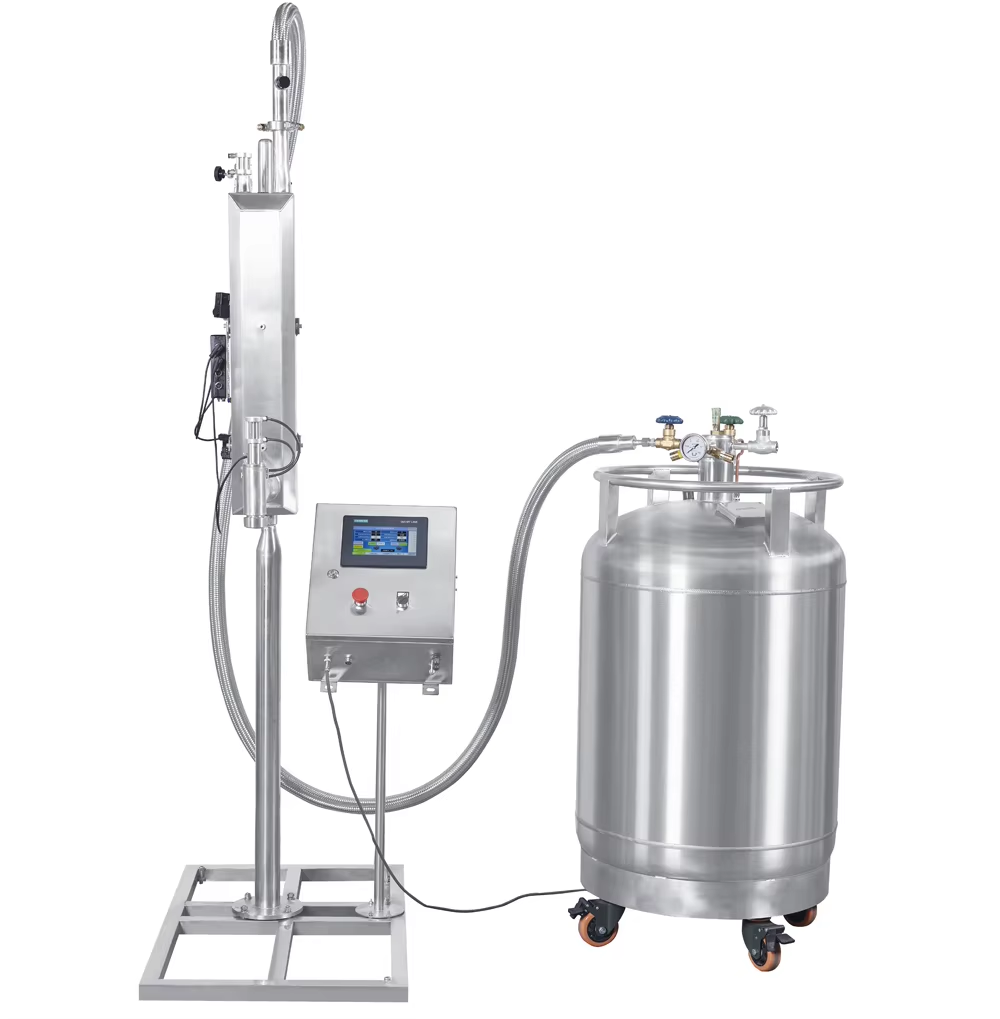
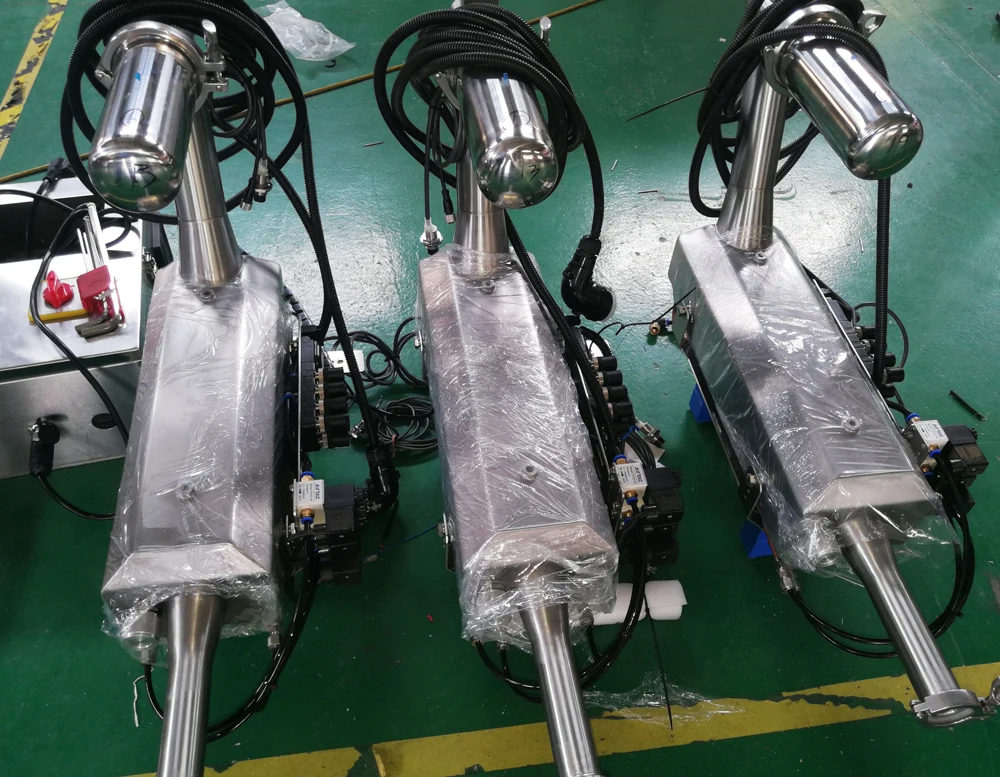
Automatikus folyékony nitrogén töltő adagoló injektáló hordozó gép 220V fém/dobozok/palackok töltéséhez italokhoz, gyümölcslevetek PLC maggal
- Áttekintés
- GYIK
- Ajánlott termékek
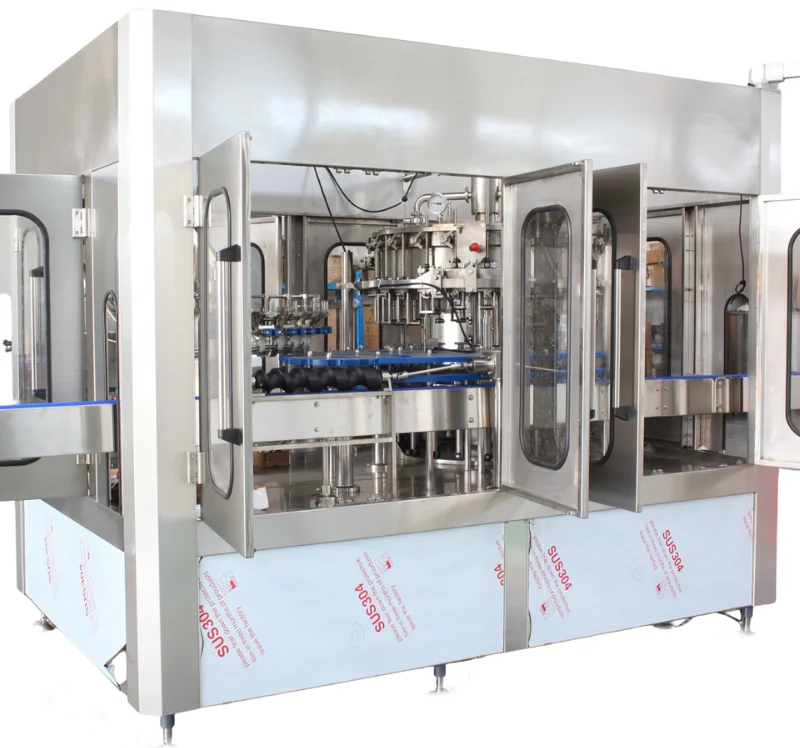
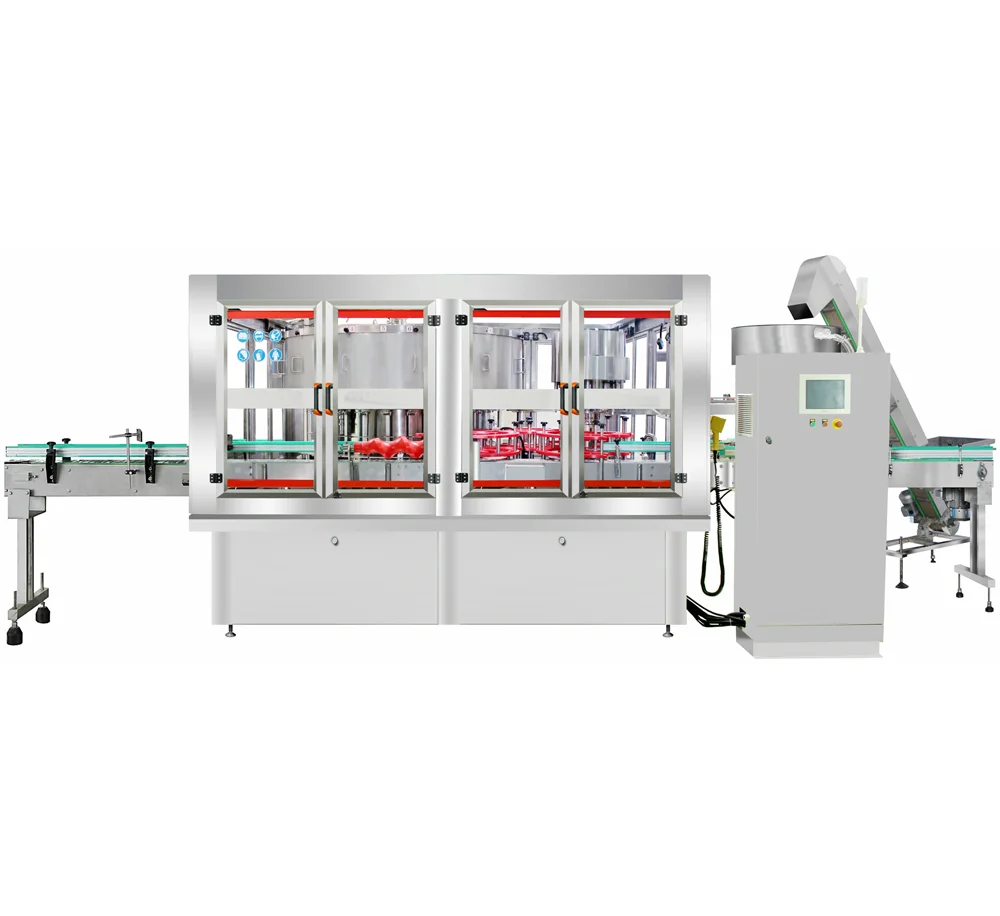
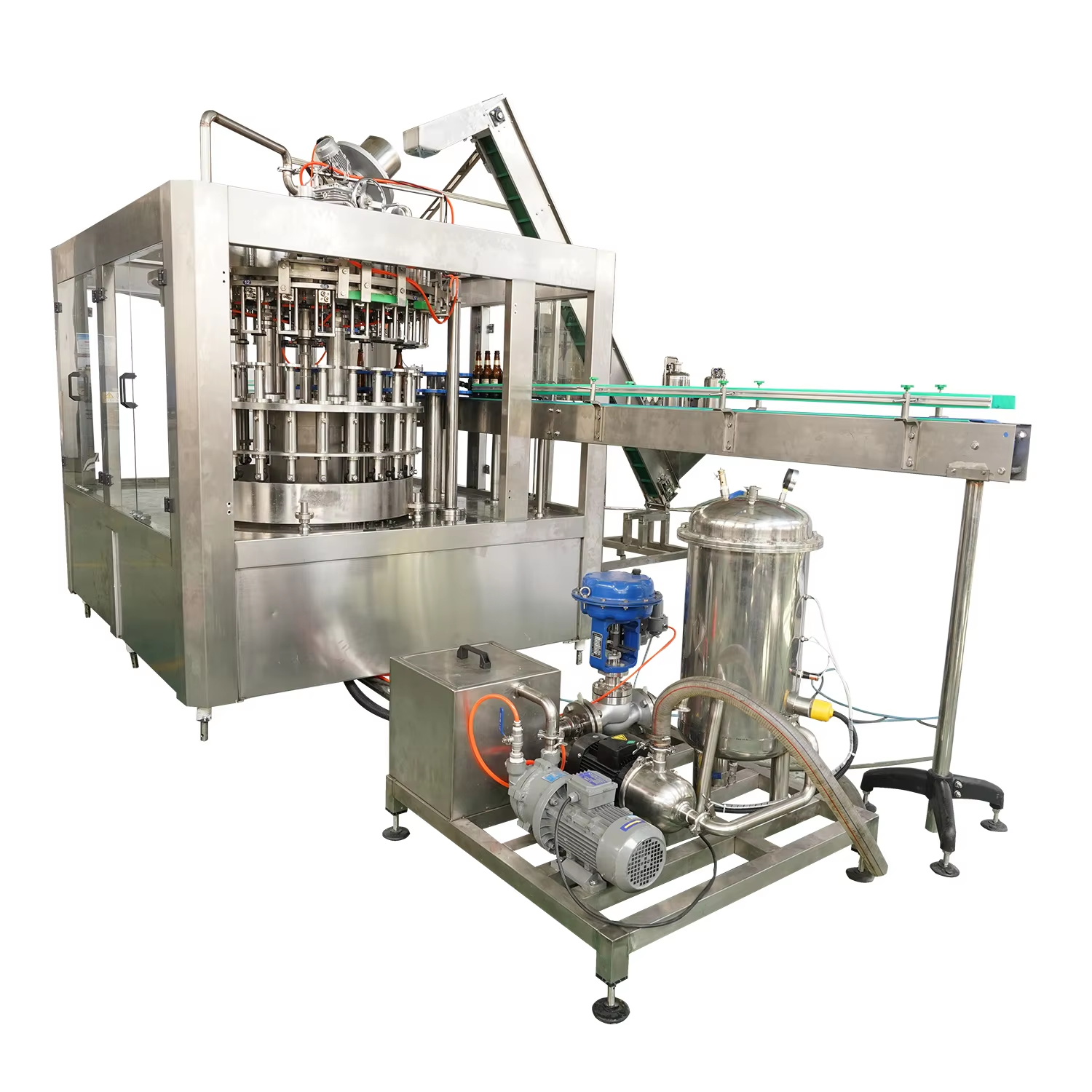
Bemutatjuk a Mars Automatikus Folyékony Nitrogén Töltőadagoló Injektáló Gépét 220V feszültséggel, amely forradalmian új kiegészítője az italtermelési folyamatnak. Ez a korszerű gép a fém dobozok és üvegek töltési folyamatának egyszerűsítését szolgálja, biztosítva a folyékony nitrogén pontos adagolását és befecskendezését, így növelve a frissességet és a termékminőséget.
PLC maggal működő, a Mars Automatikus Folyékony Nitrogén Töltőadagoló Injektáló Gépe az eddiginél is magasabb hatékonyságot és pontosságot kínál. Csak egy gombnyomásra programozható a gép, hogy az italokat és leveleket a tökéletes mennyiségű folyékony nitrogénnel töltse meg, így garantálva az optimális ízhatást és tárolhatóságot.
Akár alumínium dobozokat, üvegpalackokat, akár műanyag edényeket tölt, ez a sokoldalú gép mindent képes kezelni. Korszerű technológiája biztosítja a folyadéknitrogén egyenletes adagolását és infúzióját, így folyamatosan magas minőségű termékek készülnek, amelyek meg fogják lepni ügyfelei körében.
A Mars Automatikus Folyadéknitrogén Töltő, Adagoló, Injektáló és Infúziós Gépe nemcsak a termékek általános minőségét javítja, hanem hosszabbítja is a szavatossági idejüket. A folyadéknitrogén termékbe injektálásával ez a gép hatékonyan lassítja az oxidációs folyamatot, így a termékek hosszabb ideig maradnak frissek.
A kiváló funkciókon túl a Mars Automatikus Folyadéknitrogén Töltő, Adagoló, Injektáló és Infúziós Gép rendkívül felhasználóbarát is. Könnyen kezelhető felülete egyszerűvé teszi az üzemeltetést, tartós kivitele pedig hosszú élettartamot biztosít még igényes termelési környezetben is.
Frissítse italgyártó sorát a Mars Automatic Liquid Nitrogen Filling Dosing Injection Infused gépével (220V), és érezze a különbséget a termékminőségben és a hatékonyságban. Köszönjön búcsút az egyenetlen töltésnek, és üdvözölje a tökéletesen átitatott italokat, amelyek kiemelik márkáját a versenyből.
Vásárolja meg még ma a Mars Automatic Liquid Nitrogen Filling Dosing Injection Infused gépét, és emelje italgyártását egy új szintre. A korszerű technológiájának és megbízható teljesítményének köszönhetően ez a gép egy újító megoldás minden olyan gyártó számára, aki kiváló minőségű italokat szeretne szállítani ügyfeleinek.
Automatikus folyékony nitrogén töltő adagoló befecskendező infúziós gép:
A konzervdobozokat fokozatosan alumíniumdobozok, műanyag dobozok váltják fel, azonban az alumínium- és műanyagdobozokhoz nyomás hozzáadására is szükség van, hogy a test ne deformálódjon. A cseppfolyós nitrogén injektálás ideális megoldás, mivel a cseppfolyós nitrogéntartály térfogata elpárologtatás után 700-szorosára nő, amely a tartályba helyezése után kiszorítja a levegőt, létrehozva a vákuumot, valamint növeli a tartály belső nyomását, így meghosszabbítva a tárolt termék szavatossági idejét, megőrizve annak kerekded megjelenését és a szállítás kényelmét. Cégem referenciákat gyűjtött, átvette a külföldi fejlett berendezések előnyeit, ezzel a termékkel betöltve az iparág egyik szakadékát.
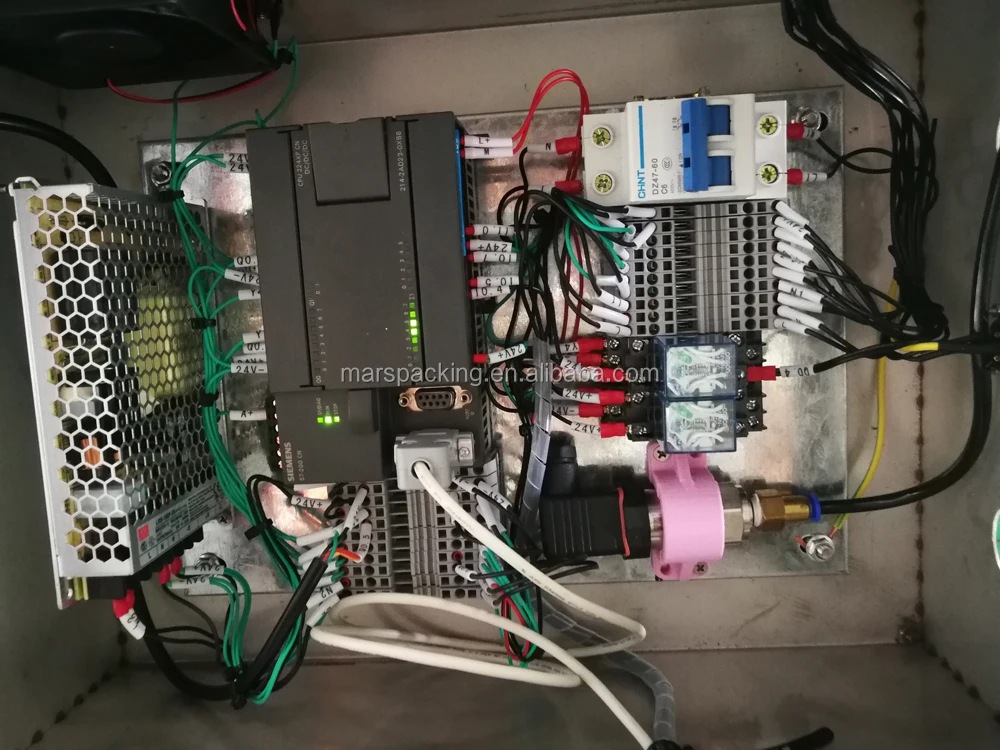
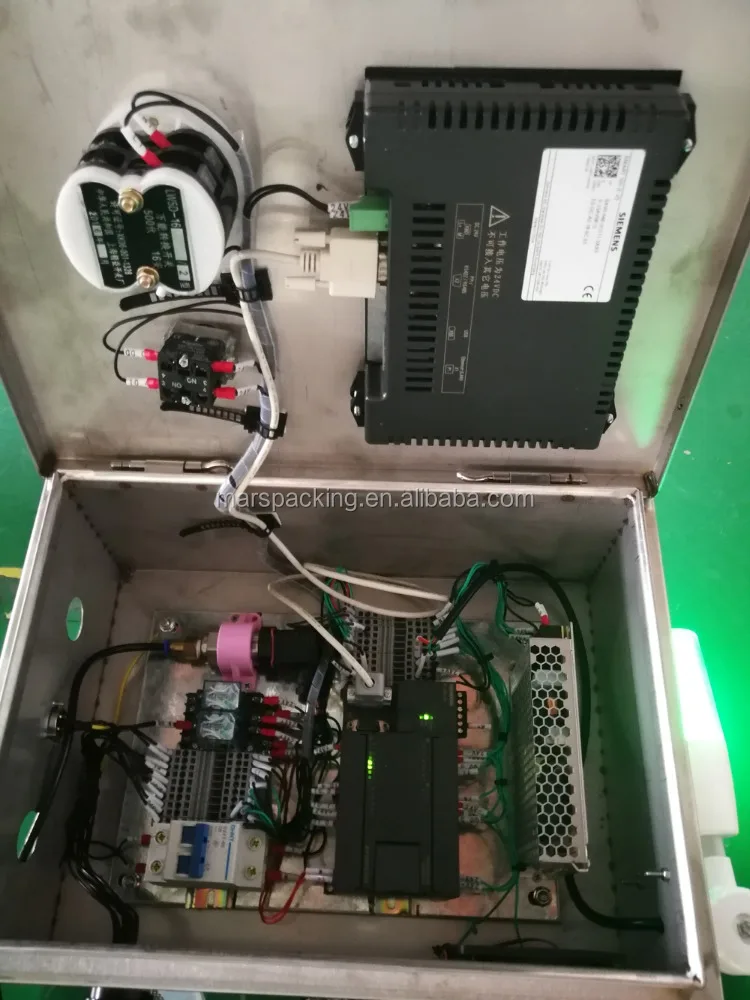
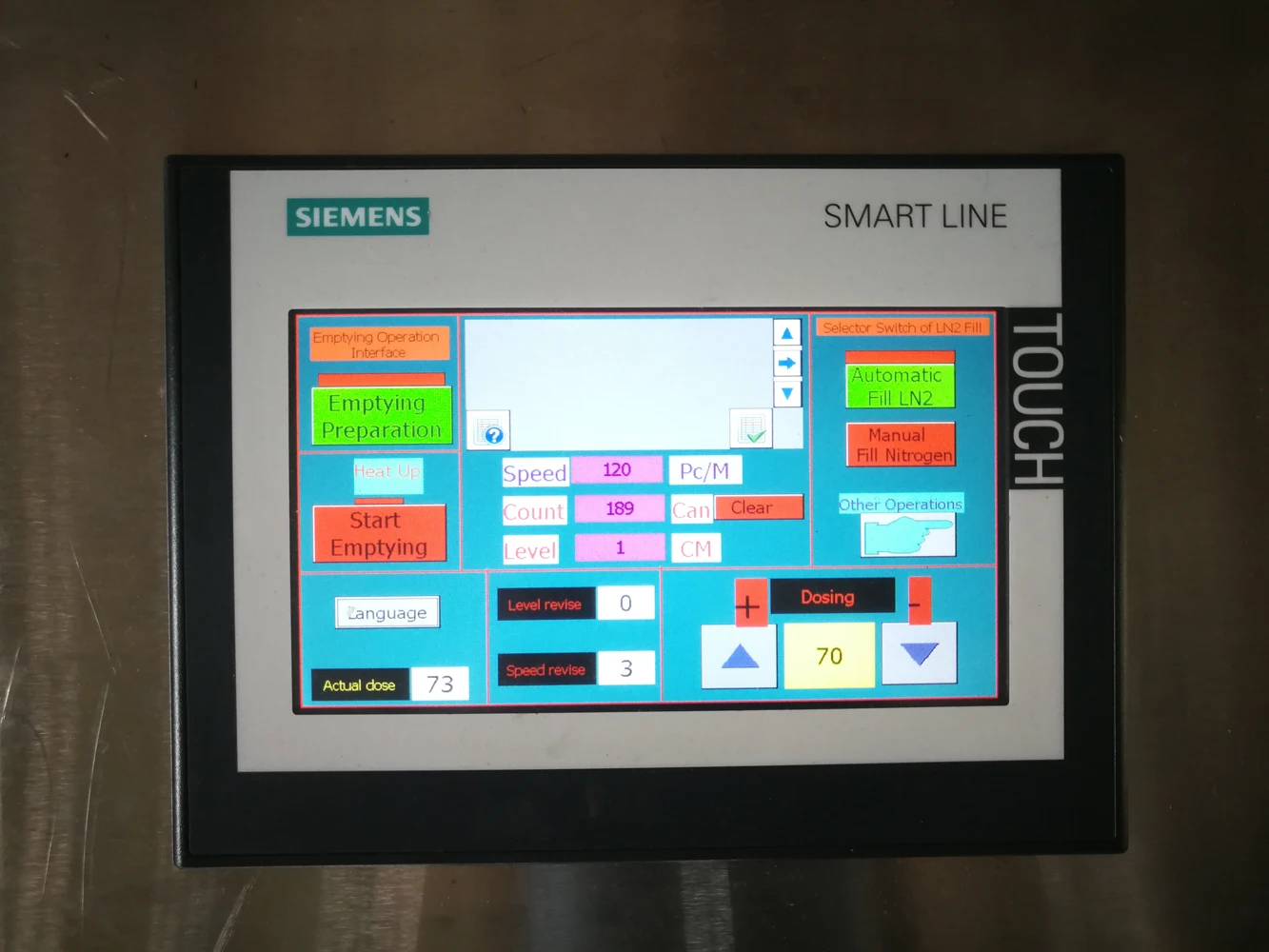
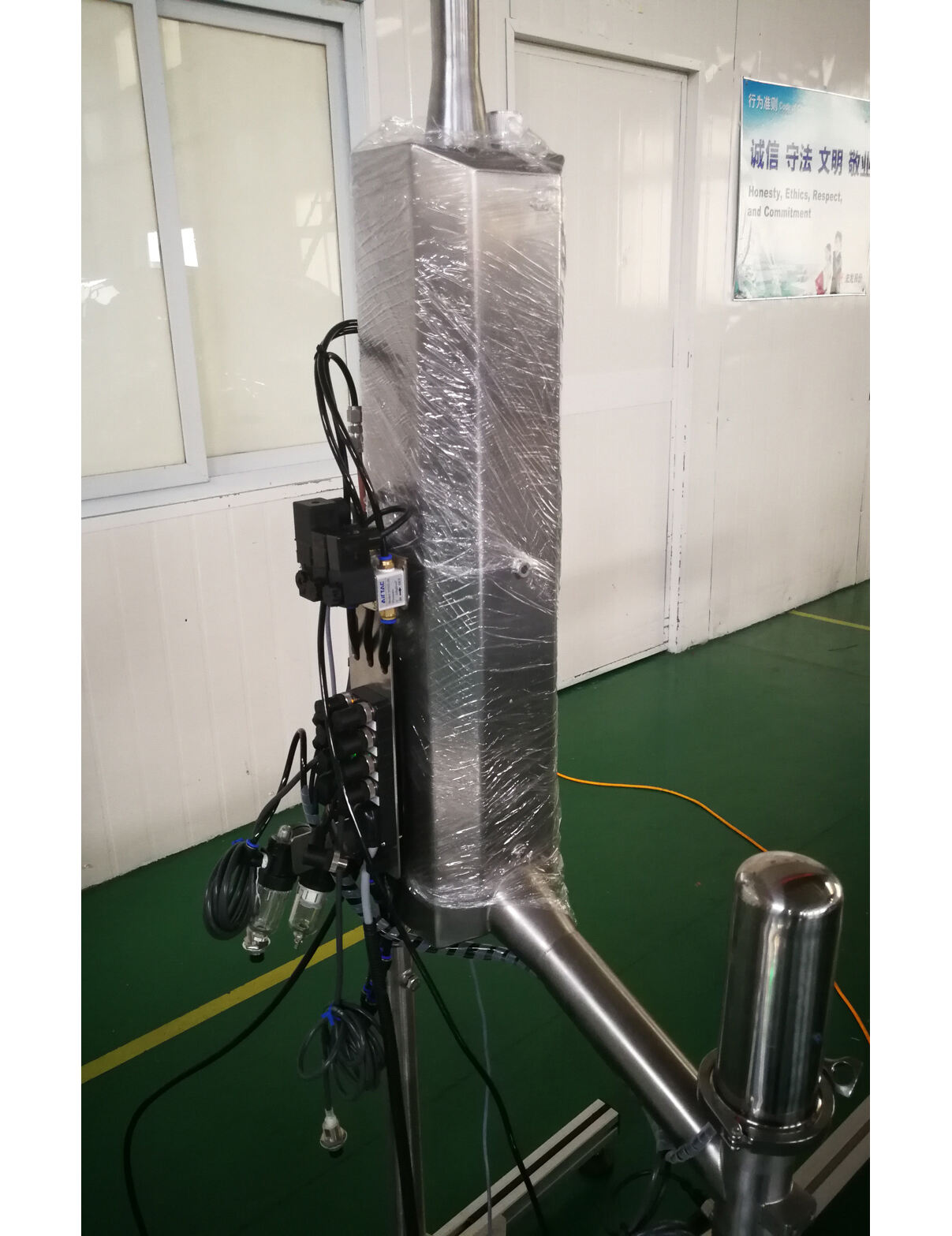
Pontosan szabályozza a cseppfolyós nitrogén mennyiségét, a terméknek nincs tartálya, nincs nitrogén töltés, Siemens PLC programozható vezérlő és érintőképernyős vezérlőrendszer, egyszerű, kényelmes és könnyen érthető beállítás, kompakt megjelenés, könnyű telepítés, bármely gyártósorral való együttműködésre képes, az egész sorozat vákuumos cseppfolyós nitrogén hőszigetelő csővezetéket alkalmaz, így biztosítva a cseppfolyós nitrogén minimális fogyasztását, nem igényel különösebb üzemeltetési környezetet
Működési feltételek
1. cseppfolyós nitrogén ellátás: 15 (0,1 MPa) cseppfolyós nitrogén csatlakozással
2. Sűrített levegő vagy nitrogén: a póttöltő szelep működésének biztosítására szolgál. Szükséges a „átmérő”, nyomástartomány 50-100 psig (3,4 - 6,9 bar). Beállított nyomás 50 psig (0,35 MPa), túl magas nyomásbeállítás jelentős hatással van, és nem előnyös a póttöltő szeleptest és a belső vákuumcső élettartamára
A műszaki paraméter:
Töltőfejek |
1 |
Termelési sebesség |
0-300 doboz/perc |
Alkalmas dobozméret |
bármilyen |
Motor teljesítmény |
0,2kW |
Feszültség |
220V,50HZ |
| Vezérlőfeszültség | 24 V DC/AC |
Teljes méretek |
1000×600×2000 mm |
Nettó súly |
32Kg |
|
Q1 Mi a különbség a meleg töltés és a hideg aszeptikus töltés között gyümölcslé esetében – melyiket ajánlaná, és miért? |
A megfelelő töltőtechnológia kiválasztása a legfontosabb döntés az Ön gyümölcslé-termelő során. Ez közvetlenül befolyásolja termékének ízét, eltarthatóságát, csomagolási költségeit és logisztikai folyamatait. A lényeges műszaki különbség Meleg töltés: a meleg töltés általában 85–95 °C-os töltési hőmérsékletet jelent. Ebben az esetben a gyümölcslé/tea és a palack egyszerre sterilizálódik. A palacknak ellenállnia kell ennek a hőnek deformáció nélkül. A palack anyagköltsége magasabb. Azonban a gépi gyártósorba történő beruházás alacsonyabb. Hideg aszeptikus töltés: a palack, a kupak és a környezet külön-külön sterilizálódik (gőzzel vagy vegyszerekkel), majd a palackba steril, hűtött terméket töltünk. A teljes beruházás magasabb. Azonban a palack anyagköltsége alacsonyabb, és a ital friss ízét jobban megőrzi. |
|
Q2 Képes-e ez a sor rost- vagy leves tartalmú gyümölcslékeket is kezelni, vagy kizárólag tiszta gyümölcslére szolgál? |
Ez a sor kifejezetten erre lett tervezve tisztított gyümölcslé (pl. alma-, szőlő- vagy tisztított gyümölcslé). Ez nem ajánlott nem alkalmas magas rost- vagy gyümölcshúsrész-tartalmú lékhez, például narancs-, paradicsomléhez vagy smoothie-khoz, mivel a gyümölcshús eltömítheti a berendezést. Gyümölcshúst tartalmazó lékhez külön gépet biztosítunk. |
|
Q3 Milyen szterilizálási módszert használ – UHT, HTST vagy alagút-paszteurizálót? |
1. UHT (ultra magas hőmérsékletű) – Legjobb az aszeptikus töltéshez Folyamat: 135–150 °C (275–302 °F) 2–5 másodpercig. Alkalmazás: Tej, növényi tejitalok, tejes desszertek, folyékony tojás. Előnyök: Lehetővé teszi szobahőmérsékleten történő tárolás (6–12 hónap) hűtés nélkül.
A berendezés: Lemezes vagy csöves UHT-szterilizáló + aszeptikus töltőrendszer. 2. HTST (magas hőmérsékletű, rövid idejű) – Legjobb láncszerű elosztáshoz Folyamat: 72–85 °C (161–185 °F) 15–30 másodpercig. Alkalmazás: Friss tej, gyümölcslé, sör, fagylaltkeverék. Előnyök: Jobban megőrzi az íz- és tápanyagtartalmat; alacsonyabb az energiafelhasználás. Szavatossági idő: 2–6 hét hűtött tárolás esetén. 3. Alagút-paszteurizáló – A töltés utáni paszteurizálás. Folyamat: Többzónás permetezés (előmelegítés → paszteurizálás → hűtés) 60–98 °C-on. Alkalmazás: Sör, szidró, konzervzöldség, háziállat-tápszeres zacskók, üvegkonzervek. Előnyök: Csomagolás utáni szterilizálás; nincs szükség aszeptikus töltőre. |
|
Q4 Tartalmazza a vonal folyékony nitrogén adagoló rendszert? Mi a nitrogén injektálás célja a gyümölcslé töltésénél? |
Igen, opcionális folyékony nitrogén adagoló rendszert (LND) kínálunk integrálva töltővonalainkkal – különösen a PET palackozáshoz víz, gyümölcslé, étolaj , nem szénsavmentes italokhoz konnyű feltöltés . A folyékony nitrogén (LN₂) adagolás két kritikus célt szolgál a gyümölcslé- és italtöltésnél: 1. Oxigénkiszorítás – A szavatossági idő meghosszabbítása és a minőség megőrzése Egy kis csepp folyékony nitrogén elpárolog a tartály felett lévő térben a zárás előtt. A táguló nitrogéngáz kiszorítja az oxigént (az oxidáció, a C-vitamin-veszteség és a színelfakulás fő okát). Eredmény: Csökkent oldott oxigén-tartalom (DO) → hosszabb szavatossági idő konzerválószer-hozzáadás nélkül. 2. merevség és egymásra rakhatóság – a deformáció megelőzése (PET palackok esetében) A gyümölcslével töltött PET palackok gyakran összeesnek hűtés közben (vákuumhatás). A folyékony nitrogén adagolása kontrollált belső nyomást biztosít (1,5–3 bar) a kupakolás után.
Eredmény: A palackok merevek, könnyűek és egymásra rakhatók a palettázáshoz — nincs szükség vastagabb műanyagra vagy vákuumpanelre. Meleg töltéshez szánt gyümölcsléek esetén: A folyékony nitrogén (LN₂) helyettesíti a drága vákuumpanelokat vagy a nitrogénnel történő lefújási rendszereket. |
|
Q5 Milyen palackanyagok támogatottak — csak PET, vagy üveg és HDPE is? |
Meleg töltőgépek esetén a támogatott palackanyagok általában PET, üveg és HDPE, a gép tervezésétől és a töltési hőmérséklettől függően. PET: Csak hőkezelt (kristályosított) PET alkalmas meleg töltésre; a szokásos PET nem bírja el a magas hőmérsékletet, amely meghaladja a 60 °C-ot. Üveg: Kiváló hőállósága miatt teljesen kompatibilis a legtöbb meleg töltési alkalmazással (gyümölcslé, tea stb.). HDPE: Korlátozott kompatibilitás — csak a magas hőállóságú, nagy sűrűségű polietilén fajták (néhány típus akár 90–95 °C-ig) használhatók meleg töltésre. . a szokásos HDPE deformálódhat |
|
Q6 Milyen a meleg töltésű gyümölcslé-termékek töltési hőmérséklet-tartománya? |
A meleg töltésű gyümölcslé-termékek töltési hőmérséklet-tartománya általában 8 0°C és 95 °C között van (1 76°F és 203 °F).
A tároló és a kupak optimális sterilizálása érdekében a legtöbb meleg töltéses alkalmazás 88–92 °C-os (190–198 °F-os) hőmérsékletet céloz meg. A tartósítószer nélküli kereskedelmi sterilizáláshoz szükséges minimális hőmérséklet általában 8 0°C (1 76°F). |
|
Q7 Hogyan biztosítja, hogy a gyümölcslé ne oxidálódjon vagy változzon meg a színén a töltési folyamat során? |
1. Az oxigénexpozíció minimalizálása Használjon teljesen zárt töltőrendszert inaktív gázzal (pl. nitrogénnel) történő lefúvatással az oxigén kiszorítására a töltőkamrából és a tárolóedényekből a töltés előtt és után. Telepítsen egy levegőtlenítő berendezést töltés előtt a lében oldott oxigén eltávolítására a melegítés előtt.
2. Hőmérséklet- és időszabályozás Tartsa meg a magas töltési hőmérsékletet (8 0–95 °C) a meleg töltésnél, amely sterilizál és csökkenti az oxigén oldhatóságát. Csökkentse a termék tartási idejét a levegőtlenítés és a zárás között az oxidációs reakciók korlátozása érdekében.
3. A berendezés tervezésének optimalizálása Alkalmazzon higiénikus, alacsony nyíróerőt kifejtő szelepeket és szivattyúkat a levegő bekeveredésének megelőzésére. Használjon változó frekvenciájú meghajtásokat a túlzott turbulencia elkerülésére töltés közben. Biztosítsa a fröccsenésmentes töltőfejeket a habképződés és az oxidáció minimalizálására.
4. Antioxidánsok hozzáadása (ha engedélyezett) Tartalmazzon aszkorbinsavat, eritorbinsavat vagy rózsmáré-kivonatot az enzimes és nem enzimes barnulás gátlására.
5. Palackolás és zárás integritása Melegítse elő a tárolóedényeket a hőmérsékleti sokk és a kondenzáció csökkentésére, amely oxigént zárhat be.
Azonnali kupakolás alkalmazása töltés után (≤2 másodperc), gőzös vagy nitrogénes kupakmosással.
Oxigénkötő kupakok vagy belső rétegek használata hosszú távú színstabilitás érdekében.
6. Tisztítás és karbantartás Rendszeresen ellenőrizze a tömítések, tömítőgyűrűk és csőcsatlakozások szivárgásait.
Tisztítsa meg a töltőtálakat és a fúvókákat a karamellizált gyümölcslé-maradékok eltávolítására (amelyek elősegítik a színváltozást). 1. Minimalizálja az oxigénexpozíciót |
|
Q8 Mennyi a várható eltarthatóság a hűtés nélkül tárolt, Önök gyártósorán töltött gyümölcslé-termékek esetében? |
A meleg töltésre kialakított gyümölcslé-gyártósor esetében a hűtés nélküli várható eltarthatóság általában 6–12 hónap között mozog, a termék savasságától (pH < 4,2), a töltés hőmérsékletétől (≥8 0°C–95 °C), a palack és a kupak sterilizálásától, valamint a csomagolóanyag gátfunkciójától függően. |
|
Q9 Ugyanazt a gyártósorot lehet-e mind a sima (nem szénsavas) gyümölcslére, mind a szénsavas gyümölcslé-italokra használni? |
No, a normál meleg töltősort lehet használni mind a sima (nem szénsavas) gyümölcslére csak szénsavas gyümölcslé-italokra szükség van izobár nyomású töltőgépre. |
|
Q10 Milyen élelmiszer-biztonsági szabványoknak felel meg a gyümölcslé-gyártó vonalad (FDA, CE, ISO 22000 stb.)? |
Gyümölcslé-termelő vonalunk megfelel a gépek biztonságára és elektromágneses összeférhetőségére vonatkozó CE-szabványnak (Conformité Européenne), valamint az élelmiszer-biztonsági menedzsmentrendszerekre vonatkozó ISO 22000 szabványnak. A meleg töltőgépek esetében továbbá a cGMP (jelenlegi jó gyártási gyakorlat) és az HACCP (veszélyelemzés és kritikus ellenőrzési pontok) elveit is követjük annak biztosítására, hogy mikrobiológiai biztonság, zárás integritása és hőkezelési előírások betartása megvalósuljon. |