 EN
EN
- Prehľad
- Často kladené otázky
- Odporúčané produkty
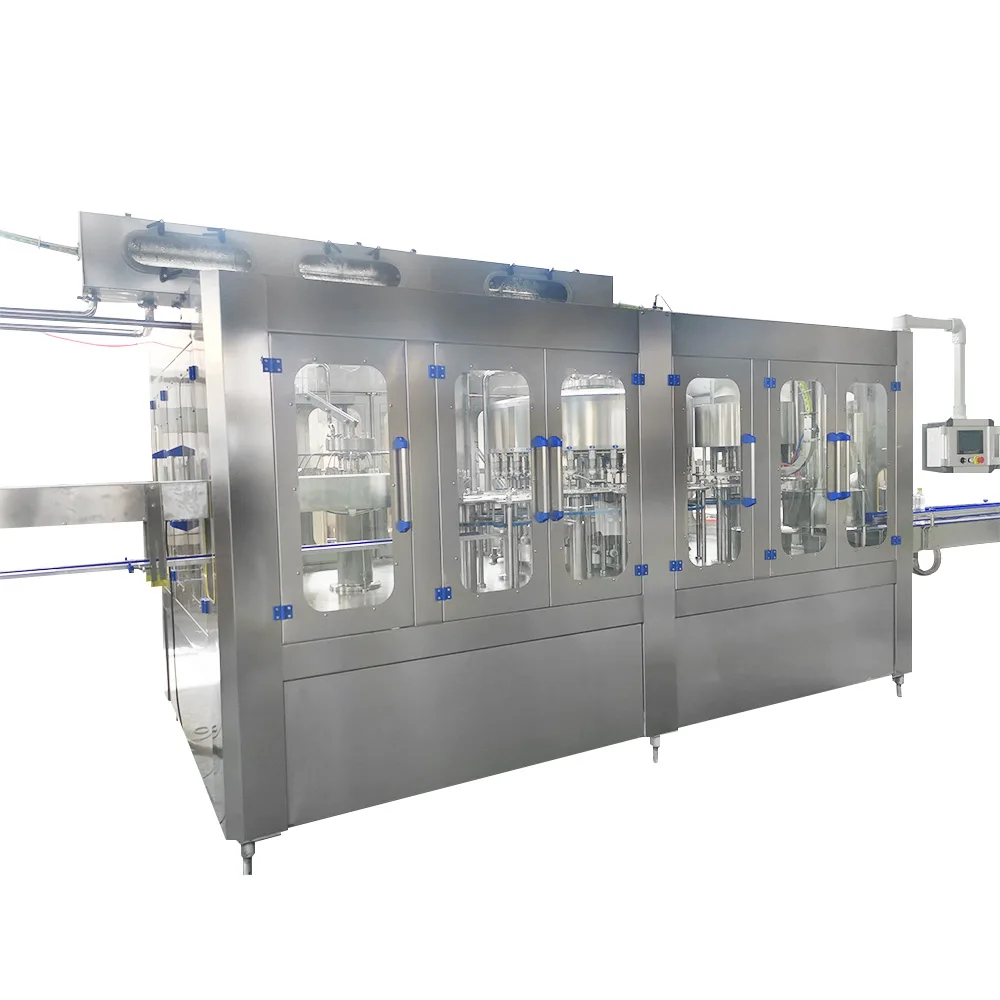
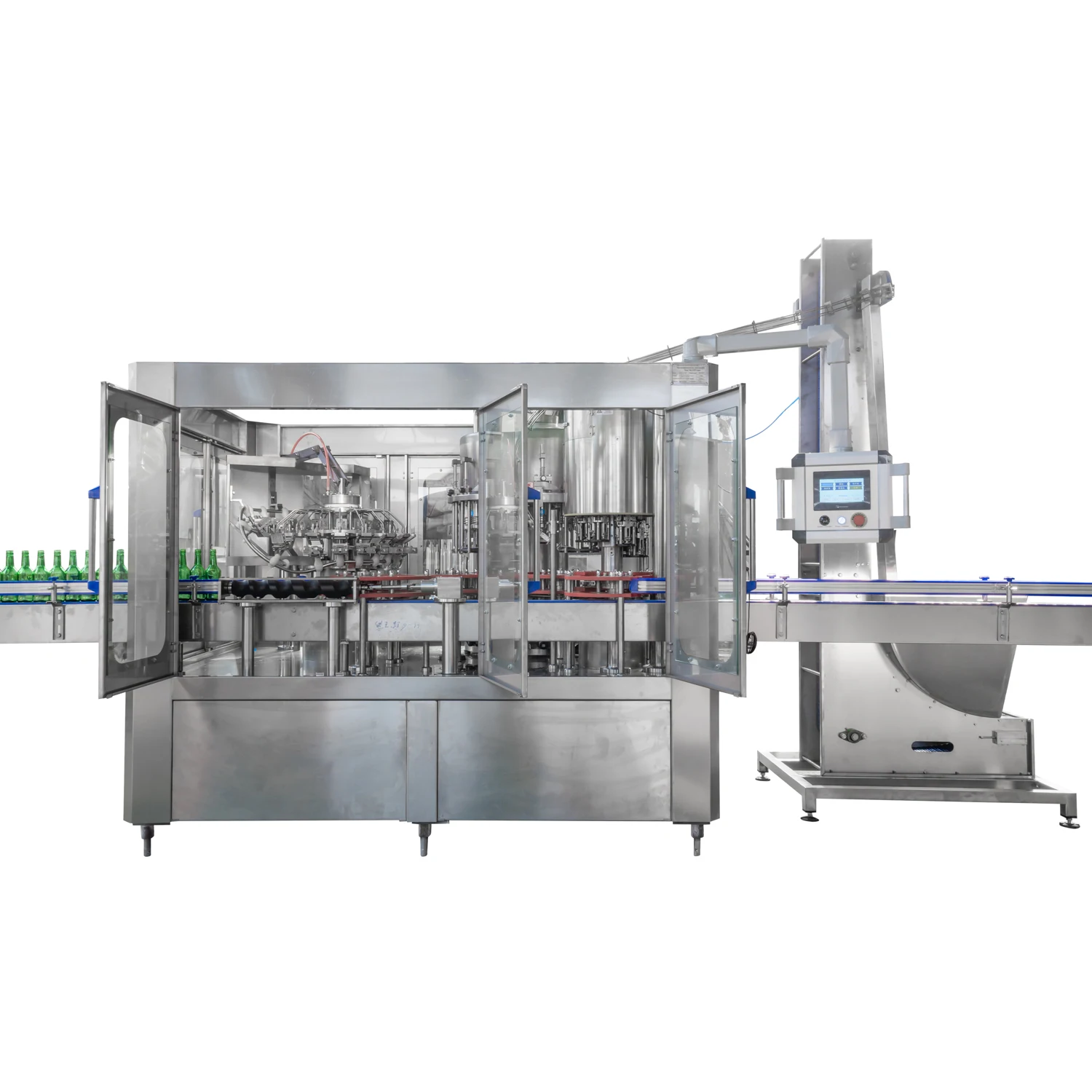
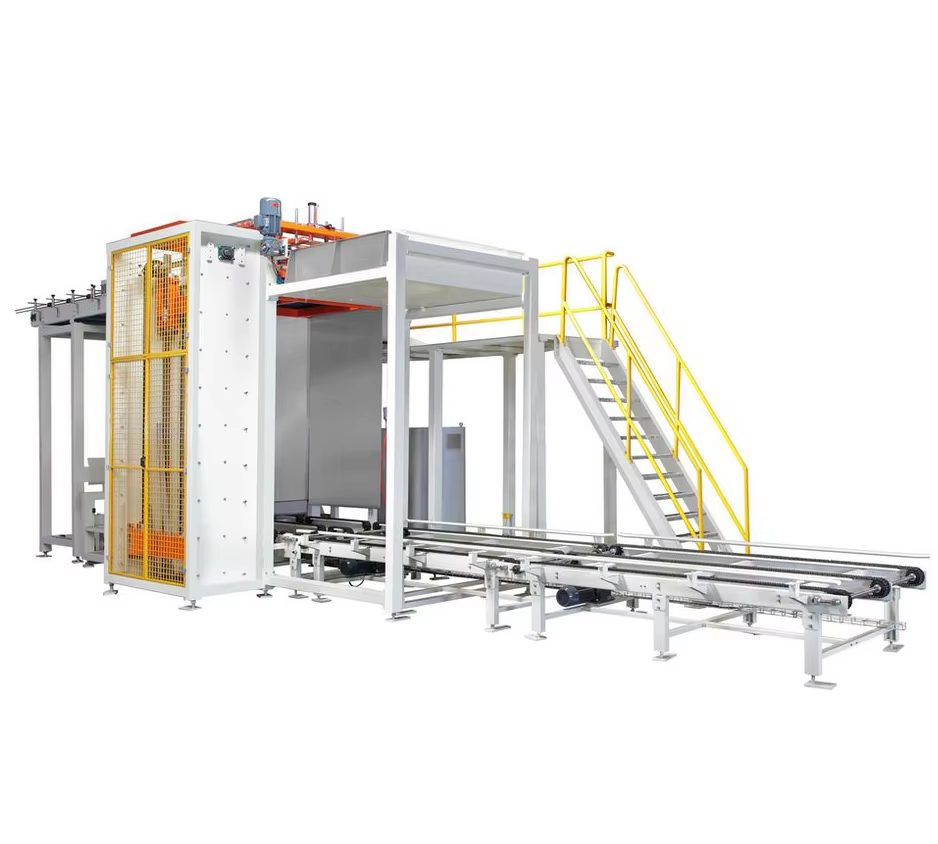
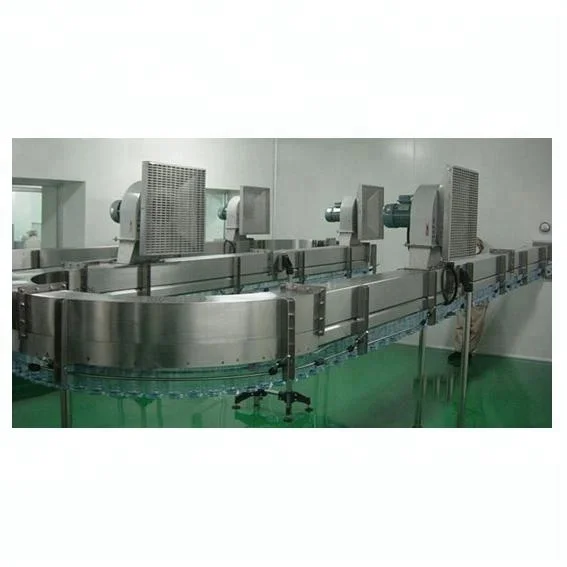
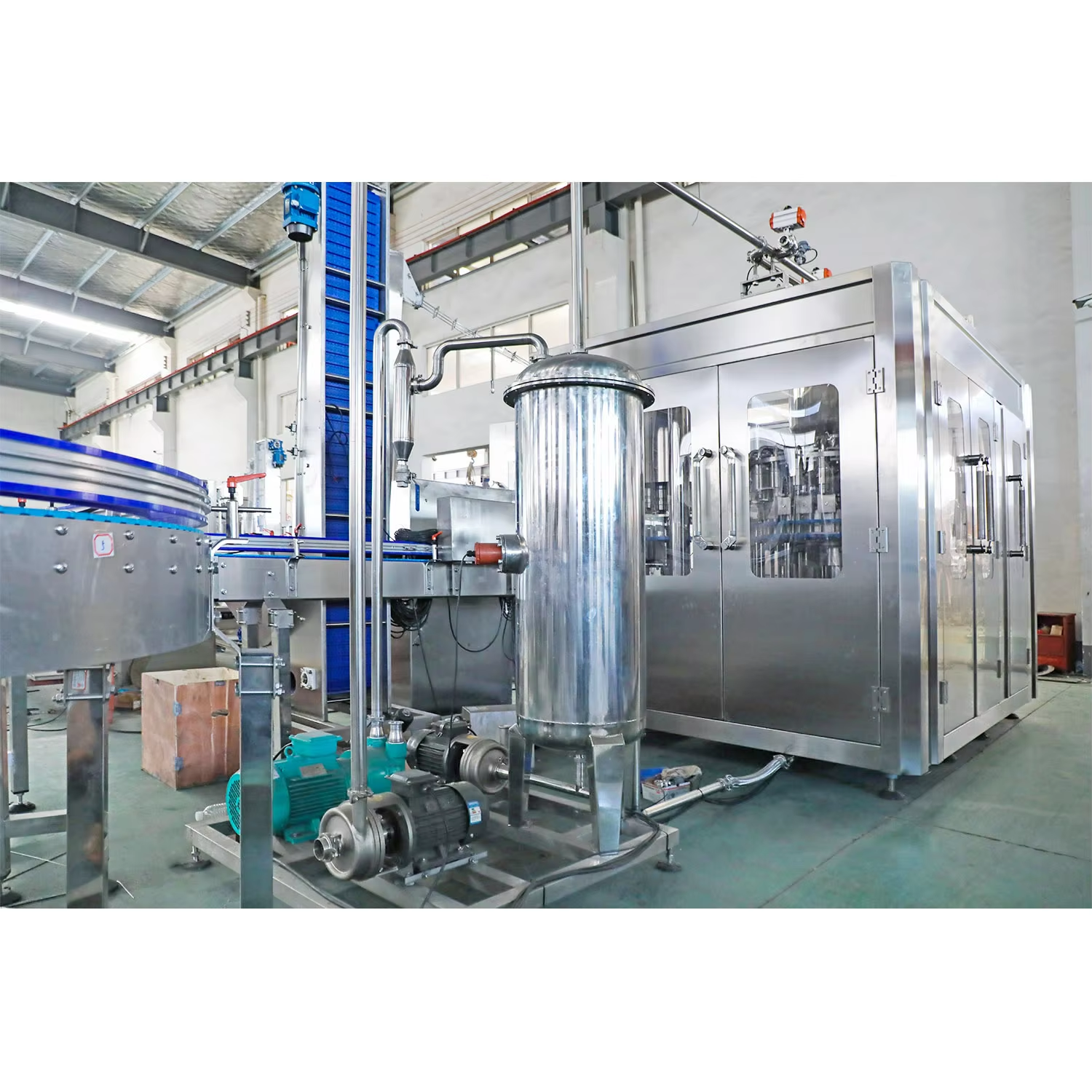
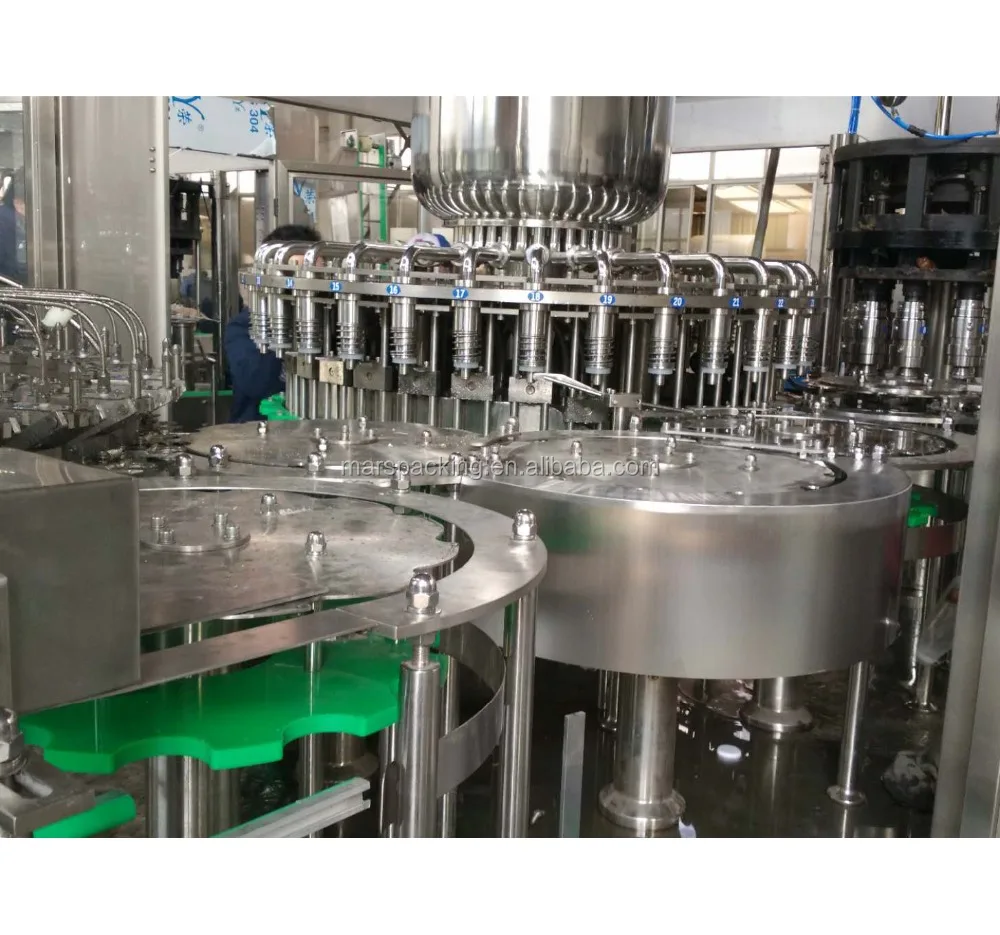
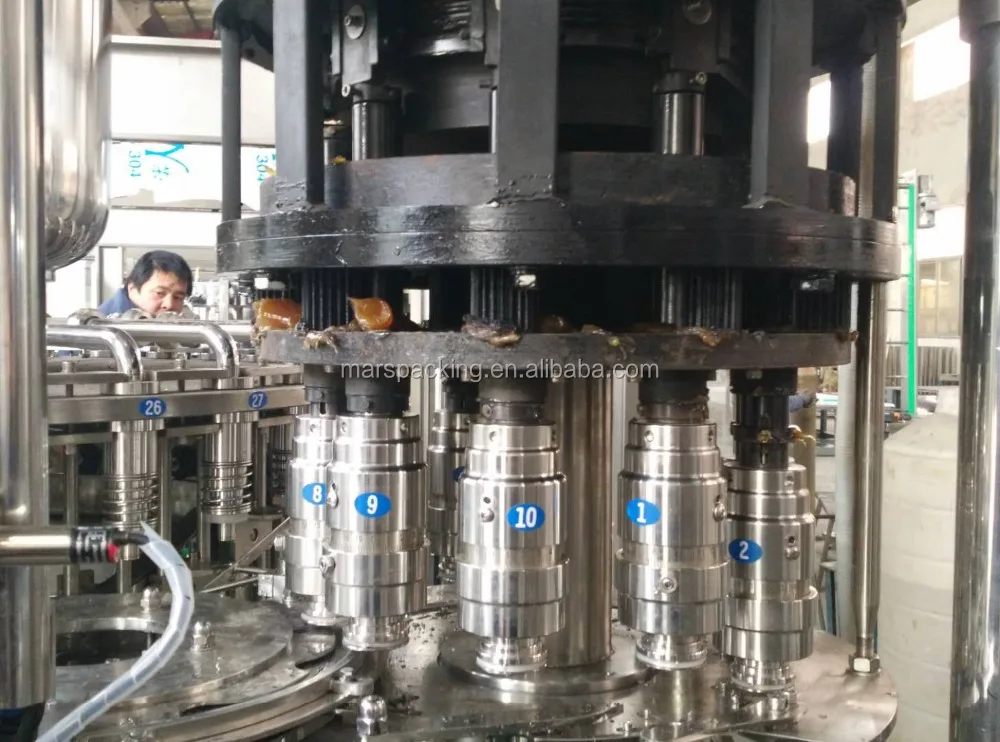
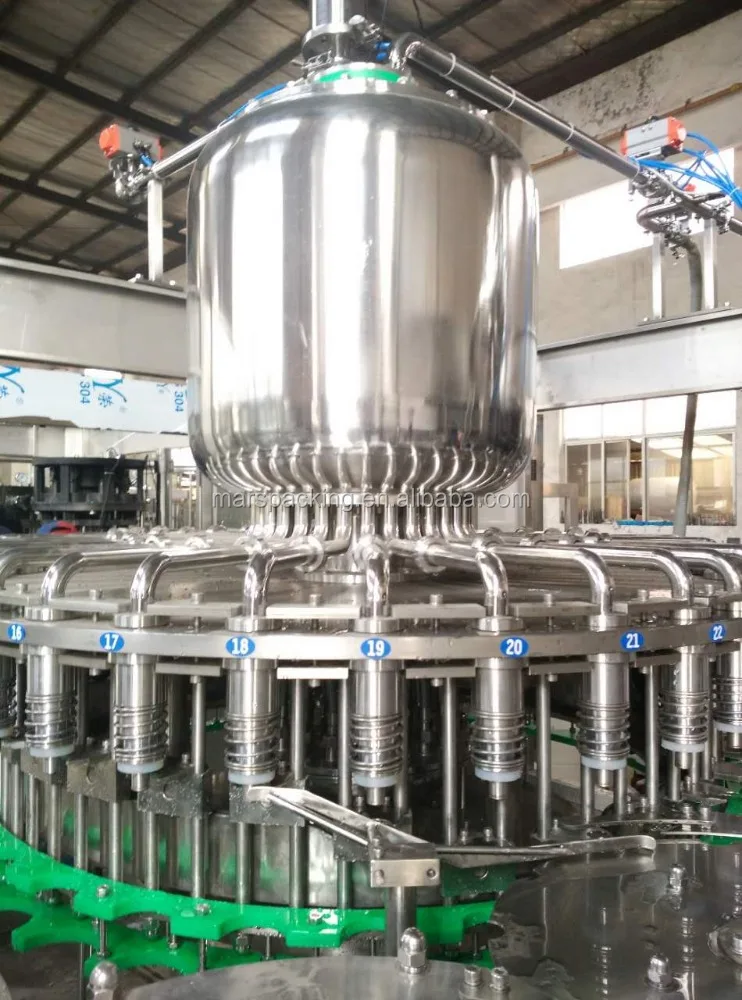
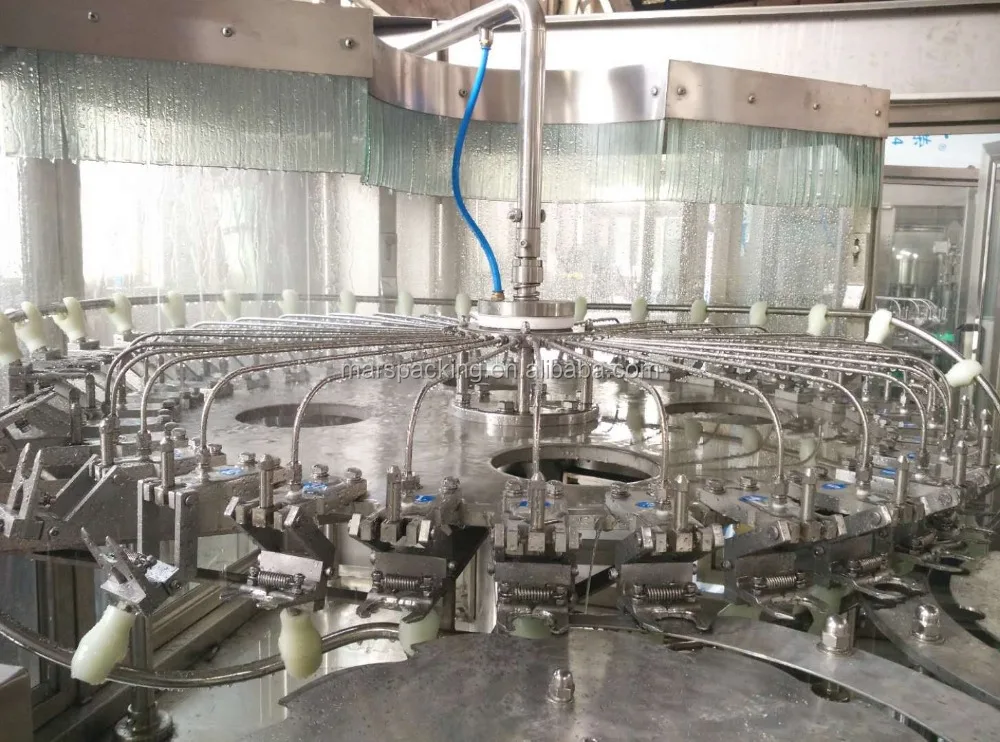
Predstavujeme Mars 16000BPH 32/32/10 King Quality A to Z stroj na plnenie šťavy zo zmrzliny, ktorý je najlepším riešením pre efektívne plnenie šťavy zo zmrzliny s najvyššou kvalitou. Tento špičkový stroj je navrhnutý tak, aby optimalizoval proces plnenia a uľahčil ho ako nikdy predtým.
U Marsu rozumieme významu dodávania kvalitných produktov našim zákazníkom. Preto sme navrhli túto plniacu linku s veľkou presnosťou a starostlivosťou, čím zabezpečujeme, že každá fľaša z tu vyrábanej šťavy z cukrovej trstiny bude spĺňať najvyššie štandardy kvality a chuti. S kapacitou na plnenie 16 000 fliaš za hodinu je táto linka ideálna pre podniky, ktoré chcú rozšíriť svoje operácie a uspokojiť narastajúcu poptávku.
Konfigurácia 32/32/10 tejto linky zabezpečuje hladký a efektívny proces plnenia. Je vybavená pokročilou technológiou, ktorá zaručuje presné dávkovanie, uzatváranie a nalepovanie štítkov na každú fľašu, čím zaručuje rovnomernosť a presnosť v každom kroku procesu. To znamená, že môžete mať dôveru v to, že každá fľaša šťavy z cukrovej trstiny vyradená z tejto linky je najvyššej kvality.
Táto linka na plnenie fliaš je tiež navrhnutá tak, aby bola odolná a spoľahlivá, takže na ňu môžete počítať s tým, že bude stále výkonná. Jej odolná konštrukcia a kvalitné materiály zabezpečujú, že vydrží nároky spojené s nepretržitým používaním bez toho, aby klesla jej výkonnosť. To znamená, že sa môžete sústrediť na riadenie svojho podniku bez toho, aby ste sa museli obávať výpadkov alebo problémov s údržbou.
Okrem svojej vynikajúcej výkonnosti je aj linka Mars 16000BPH 32/32/10 King Quality A to Z na plnenie džúsu zo zemiaku tiež ľahko obsluhovateľná a údržbovo nenáročná. Jej užívateľsky prívetivé rozhranie umožňuje jednoduché nastavenie a úpravu parametrom podľa vašich konkrétnych požiadaviek. A pravidelnou údržbou a servisom zabezpečíte, že bude aj naďalej pracovať na špičkovej úrovni počas mnohých rokov.
Mars 16000BPH 32/32/10 kráľovská kvalita A až Z stroj na plnenie šúkrovej šťavy je ideálnym riešením pre podniky, ktoré chcú vylepšiť svoje plniace operácie a ponúkať svojim zákazníkom špičkovú kvalitu šúkrovej šťavy. Vďaka svojmu vysokorýchlostnému výkonu, vynikajúcej kvalite a jednoduchej obsluhe je tento stroj nevyhnutný pre každý podnik, ktorý chce dôsledne vylepšiť svoj proces plnenia
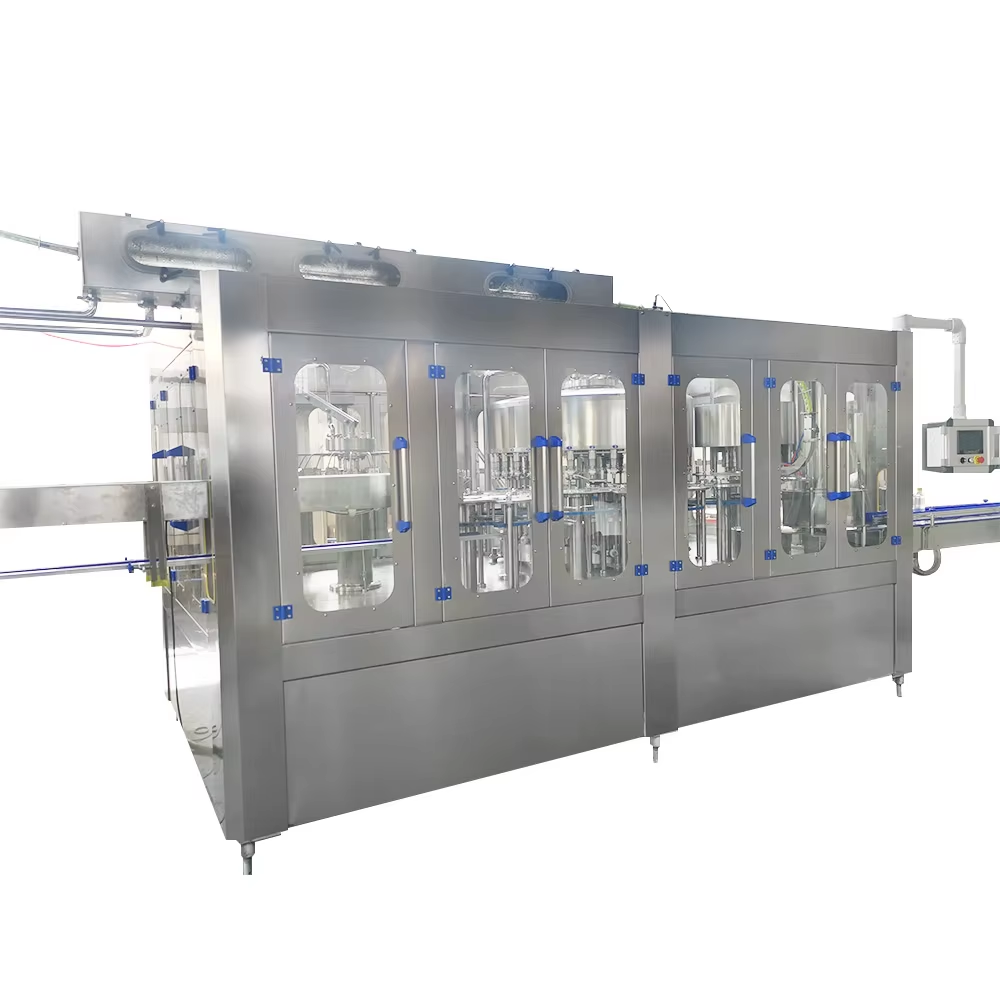
Stroj na plnenie trstnej šťavy: 16000BPH 32/32/10 Kráľovská kvalita stroja na plnenie trstnej šťavy na predaj
Sériové zariadenie RCGF na umývanie-plnenie-uzatváranie 3 v 1 kombinuje umývanie, plnenie a uzatváranie, poháňané prenosovým motorom. Je ideálnym zariadením na horúce plnenie neplynných kvapalín pre výrobcov nápojov.
1. Vhodná veľkosť fľaše: 250-2000 ml PET fľaša, štandardná plastová skrutkovacia uzáverka.
2. Podmienka plnenia: Konštantný tlak, ≤87oC alebo izbová teplota
3. Výškový rozsah fľaše: 150 mm - 310 mm 4. Druh nápoja: šťava, čaj, minerálna voda, čistá voda a iné neplynné kvapaliny
Modely a kapacity:
1. Model RCGF18-18-6: 6 000-7 000 kusov/h - pre 500 ml
2. Model RCGF24-24-8: 9 000-10 000 kusov/h - pre 500 ml
3. Model RCG32-32-10: 12 000-13 000 kusov/h - pre 500 ml
Výhody:
1. Vysoká úroveň automatizácie, kompaktná štruktúra, atraktívny vzhľad, pohodlná a jednoduchá obsluha, bezpečná a spoľahlivá prevádzka, možnosť regulácie výkonu, nízka intenzita práce
2. Hlavný stroj využíva pokročilú technológiu PLC riadenia.
3. Kľúčové elektrické komponenty sú výrobky renomovaných medzinárodných spoločností, ako sú MITSUBISHI a SIEMENS.
Model |
RC G F 32-32-10 |
Výrobná kapacita |
13,000-14,000kusov/h - vychádza z 500 ml fľaše |
Presnosť vyplňovania |
≤±5 mm - hladina kvapaliny |
Špecifikácia polyesterovej fľaše |
Priemer lahve: φ50-φ 110mm výška fľaše: 150-3 20 mm |
Typ vhodného uzáveru |
Plastová šroubová krička |
Vodný tlak umývacieho flakača |
0.18Mpa |
Spotreba vody na umývanie flakača |
3500 kg/h |
Tlak plynového zdroja |
0,6Mpa |
Spotreba plynu |
0.5m 3/min |
Celkový výkon |
5,5K v |
Celková hmotnosť |
6000K g |
Celkové rozmery |
3380×2580×3150 mm |


|
Q1 Aký je rozdiel medzi horúcou plnením a studeným sterilným plnením džúsov – ktoré odporúčate a prečo? |
Výber správnej technológie plnenia je najdôležitejšie rozhodnutie pre vašu výrobnú linku na džúsy. Priamo ovplyvňuje chuť vášho výrobku, jeho trvanlivosť, náklady na obalovanie a logistiku. Základný technický rozdiel Horúce plnenie: horúce plnenie zvyčajne znamená teplotu plnenia od 85 °C do 95 °C. Týmto spôsobom sa súčasne sterilizujú aj džús/čaj aj fľaška. Fľaška musí túto vysokú teplotu vydržať bez deformácie. Náklady na materiál fľašky sú vyššie. Investícia do výrobnej linky však je nižšia. Studené sterilné plnenie: fľaška, uzáver a prostredie sa sterilizujú samostatne (pomocou pary alebo chemikálií) a potom sa do fľašky naplní sterilný, chladený výrobok. Celková investícia je vyššia. Materiál fľašky je lacnejší a výrobok si lepšie zachová čerstvú chuť. |
|
Q2 Je táto linka schopná spracovať džúsy s obsahom dužiny alebo vlákna, alebo je určená len pre čisté (bezdužinové) džúsy? |
Táto linka je špeciálne navrhnutá pre číry džús (napr. jablkový, hroznový, čírený džús). Je určený nie je odporúčané pre džúsy s vysokým obsahom dužiny alebo vlákna, napr. pomarančový, paradajkový alebo smoothie, pretože dužina môže spôsobiť upchávanie. Pre džúsy obsahujúce dužinu máme špeciálne stroje. |
|
Q3 Akú metódu sterilizácie používate – UHT, HTST alebo tunelový pasastérovací stroj? |
1. UHT (ultra-vysokoteplotná) – najvhodnejšia pre aseptické plnenie Spracovanie: 135–150 °C (275–302 °F) po dobu 2–5 sekúnd. Použitie: Mlieko, rastlinné nápoje, mliečne dezerty, tekuté vajcia. Výhody: Umožňuje skladovanie pri izbovej teplote (6–12 mesiacov) bez potreby chladenia.
Vybavenie: Doskový alebo trubkový UHT sterilizátor + aseptický systém na plnenie. 2. HTST (vysokoteplotná krátkodobá sterilizácia) – Najvhodnejšia pre reťazové distribučné systémy Spracovanie: 72–85 °C (161–185 °F) po dobu 15–30 sekúnd. Použitie: Čerstvé mlieko, džúsy, pivo, zmes na zmrzlinu. Výhody: Lepšie zachováva chuť a výživové hodnoty; nižšie náklady na energiu. Trvanlivosť: 2–6 týždňov v chladničke. 3. Tunelový pasťorizátor – Pasťorizácia sa vykonáva po naplnení obalu. Spracovanie: Viackomponentný príkrov (predhriatie → pasťorizácia → ochladenie) pri teplote 60–98 °C. Použitie: Pivo, cider, konzervované zeleniny, balenia krmiva pre domáce zvieratá, sklenené poháre. Výhody: Sterilizácia po zabalení; nie je potrebný aseptický plnič. |
|
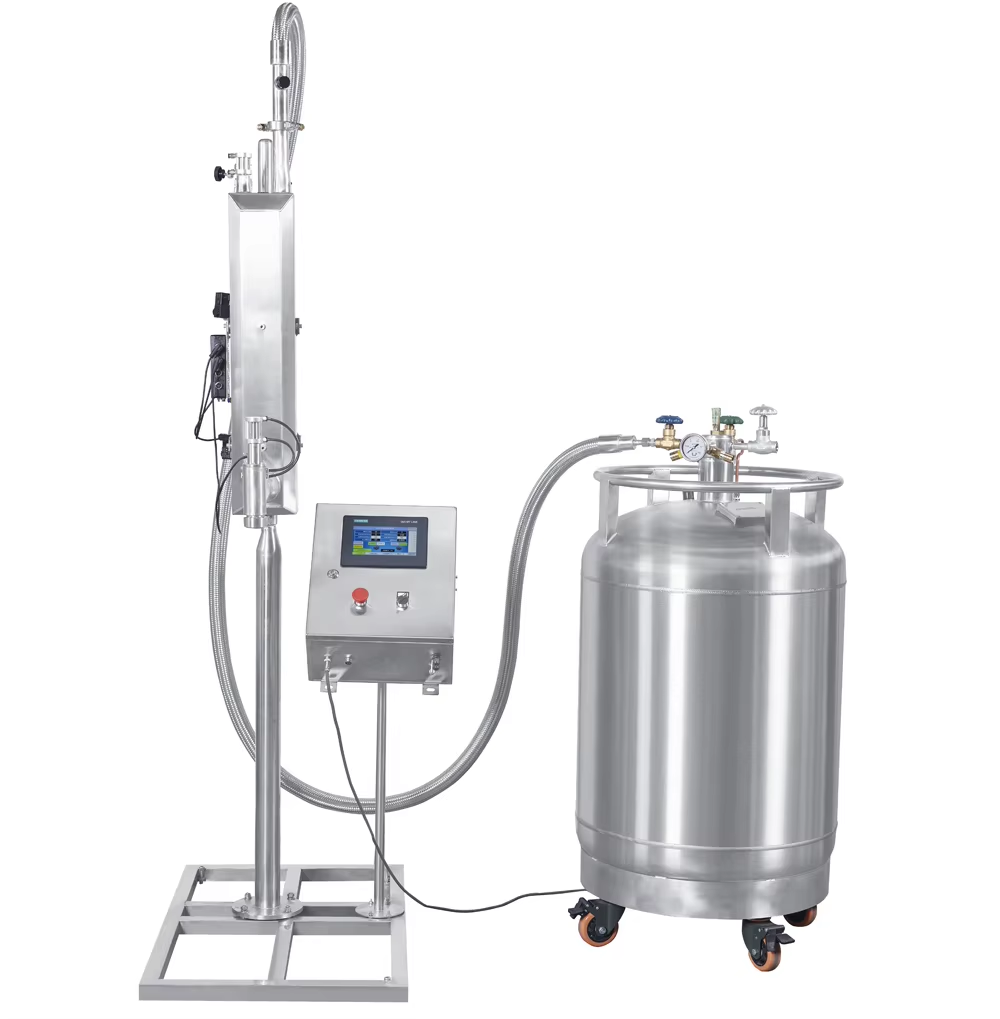
Q4 Obsahuje linka dávkovací systém kvapalného dusíka? Aký je účel injekcie dusíka pri plnení džúsov? |
Áno, ponúkame voliteľný dávkovací systém kvapalného dusíka (LND) integrovaný do našich plniacich liniek – najmä pre PET fľašovanie vodu, džúsy, jedlé oleje , neperlivé nápoje vyplnenie konzerv . Dávkovanie kvapalného dusíka (LN₂) slúži dvom kritickým účelom pri plnení džúsov a nápojov: 1. Výmena kyslíka – Predĺženie trvanlivosti a uchovanie kvality Malá kvapka LN₂ sa odparí vo vnútornej časti obalu pred jeho uzatvorením. Rozširujúci sa dusíkový plyn vytláča kyslík (hlavnú príčinu oxidácie, straty vitamínu C a vyblednutia farby). Výsledok: Znížený obsah rozptýleného kyslíka (DO) → dlhšia trvanlivosť bez pridávania konzervantov. 2. Tuhosť a skladateľnosť – Zabráni deformácii stien (pre PET fľaše) PET fľaše naplnené džúsom sa počas chladenia často deformujú dovnútra (výsledok vytvorenia podtlaku). Dávkovanie LN₂ pridáva kontrolovaný vnútorný tlak (1,5–3 bar) po uzatváraní.
Výsledok: Fľaše zostávajú tuhé, ľahké a vhodné na skladovanie v stĺpcoch pre paletizáciu – nie je potrebný hrubší plast ani vákuové panely. Pre horúco plnené džúsy: LN₂ nahrádza drahé vákuové panely alebo systémy na plnenie dusíkom. |
|
Q5 Aké materiály sa používajú pre fľaše – len PET, alebo tiež sklo a HDPE? |
Pre stroje na horúce plnenie sa ako podporované materiály fľašiek zvyčajne uvádzajú PET, sklo a HDPE, v závislosti od konštrukcie stroja a teploty plnenia. PET: Vhodný pre horúce plnenie iba v prípade tepelne nastaveného (kryštalizovaného) PET; štandardný PET neznesie vysoké teploty nad 60 °C. Sklo: Úplná kompatibilita s väčšinou aplikácií horúceho plnenia (džúsy, čaj atď.) v dôsledku vynikajúcej tepelnej odolnosti. HDPE: Obmedzená kompatibilita – pre horúce plnenie je možné použiť len triedy vysokohustotného polyetylénového plastu s vysokou tepelnou stabilitou (niektoré až do 90–95 °C). . štandardný HDPE sa môže deformovať |
|
Q6 Aký je rozsah teploty plnenia pre výrobky s horúcim plnením (džúsy)? |
Výrobky s horúcim plnením (džúsy) zvyčajne majú rozsah teploty plnenia od 8 0°C do 95 °C (1 76°F do 203 °F).
Pre optimálnu sterilizáciu obalu a uzáveru sa pri väčšine aplikácií s horúcim plnením cieľová teplota pohybuje v rozsahu 88 °C až 92 °C (190 °F až 198 °F). Minimálna teplota potrebná na dosiahnutie komerčnej sterilizácie bez konzervantov je zvyčajne 8 0°C (1 76°F). |
|
Q7 Ako zabezpečujete, aby sa džús počas plnenia neoxidoval ani nezmenil farbu? |
1. Minimalizácia vystavenia kyslíku Použite úplne uzavretý systém na plnenie s vyplnením inertným plynom (napr. dusíkom), aby ste vytlačili kyslík z komory na plnenie a z obalov pred a po plnení. Inštalujte odplyňovač pred naplnením na odstránenie rozptýleného kyslíka z džúsu pred ohrievaním.
2. Kontrola teploty a času Udržiavajte vysokú teplotu plnenia (8 0–95 °C) pri horúcom plnení, čo zabezpečuje sterilizáciu a zníženie rozpustnosti kyslíka. Skráťte dobu ponechania výrobku medzi odplyňovaním a uzatváraním, aby ste obmedzili oxidačné reakcie.
3. Optimalizácia konštrukcie zariadenia Použite hygienické, nízkotlakové uzávery a čerpadlá na zabránenie zachyteniu vzduchu. Použite frekvenčné meniče na zabránenie nadmernému turbulencii počas plnenia. Zabezpečte plniace trysky bez rozstrekovania, aby sa minimalizovalo pýšenie a oxidácia.
4. Pridajte antioxidanty (ak je to povolené) Pridajte kyselinu askorbovú, kyselinu erytorbovú alebo výťažok z rôžovníka na potlačenie enzýmovej i neenzýmovej hnednutia.
5. Hermetická uzavretosť fľašiek a uzáverov Predhrejte obaly, aby ste znížili tepelný šok a kondenzáciu, ktorá môže uväzniť kyslík.
Okamžite uzatvorte po naplnení (≤ 2 sekundy) s vyfukovaním uzáverov párou alebo dusíkom.
Použite uzávery alebo vložky zachytávajúce kyslík na dlhodobú stabilitu farby.
6. Čistenie a údržba Pravidelne kontrolujte tesnenia, tesniace kružnice a potrubné spojenia na úniky.
Vyčistite plniace misky a trysky, aby ste predišli usadovaniu karamelizovanej šťávy (čo spôsobuje zmeny farby). 1. Minimalizujte vystavenie kyslíku |
|
Q8 Aká je očakávaná trvanlivosť šťávových výrobkov naplnených na vašej linky bez chladenia? |
Pri horúcej plniacej linke sa očakávaná trvanlivosť bez chladenia zvyčajne pohybuje od 6 do 12 mesiacov, v závislosti od kyselosti výrobku (pH < 4,2), teploty plnenia (≥8 0°C–95 °C), sterilizácie fľašiek a viečok a bariérových vlastností obalového materiálu. |
|
Q9 Môže sa rovnaká linka používať aj na neperlivé šťávy, aj na perlivé šťávové nápoje? |
No, normálna horúca plniaca linka sa môže používať pre neperlivé (neprodukujúce oxid uhličitý) šťávy iba pre perlivé šťávové nápoje potrebuje izobarický stroj na plnenie. |
|
Q10 Akým normám bezpečnosti potravín vyhovuje vaša linka na výrobu džúsov (FDA, CE, ISO 22000 atď.)? |
Naša linka na výrobu džúsov vyhovuje norme CE (Conformité Européenne) z hľadiska bezpečnosti strojov a elektromagnetickej kompatibility, ako aj norme ISO 22000 pre systémy riadenia bezpečnosti potravín. Konkrétne pre stroje na horúce plnenie dodržiavame tiež princípy cGMP (súčasné dobré výrobné postupy) a HACCP (analýza nebezpečenstiev a kritické kontrolné body), aby sme zabezpečili mikrobiologickú bezpečnosť, integritu uzáverov a dodržiavanie požiadaviek na tepelné spracovanie. |