 EN
EN
- সারসংক্ষেপ
- প্রায়শই জিজ্ঞাসিত প্রশ্নাবলী
- সুপারিশকৃত পণ্য
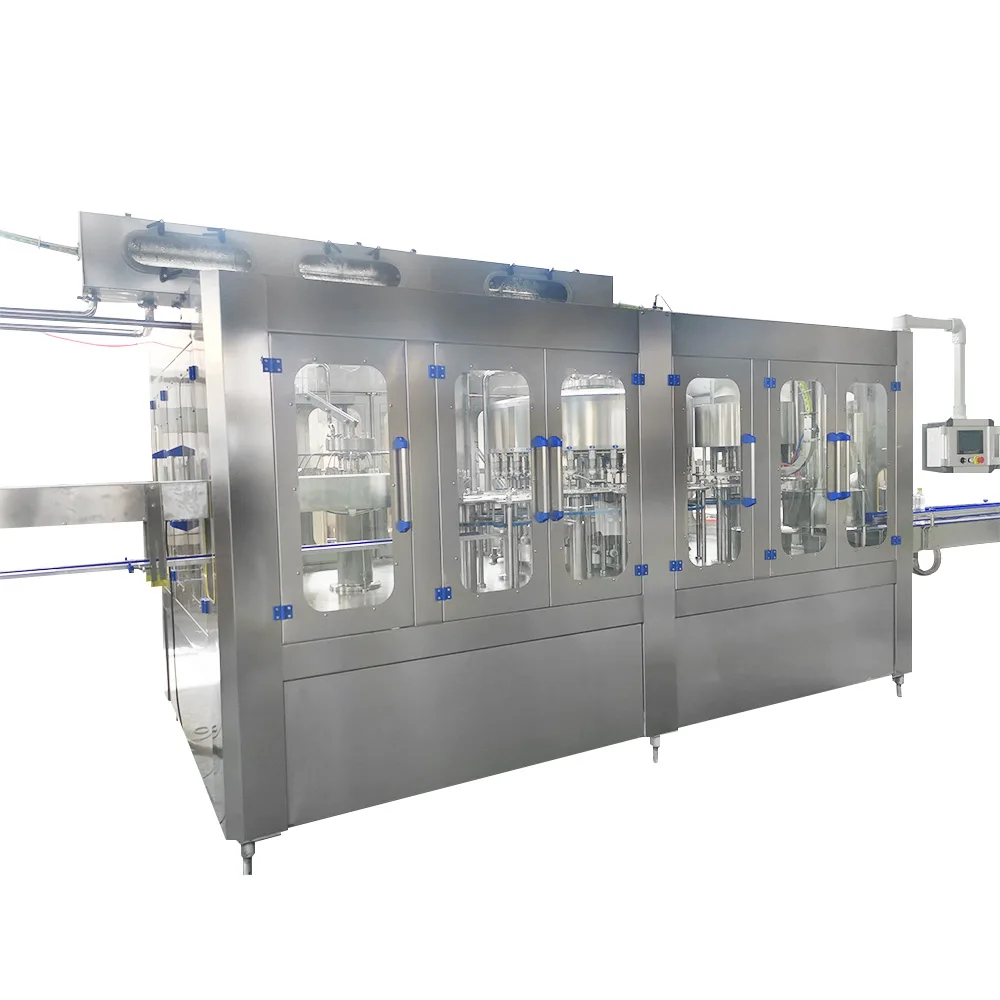
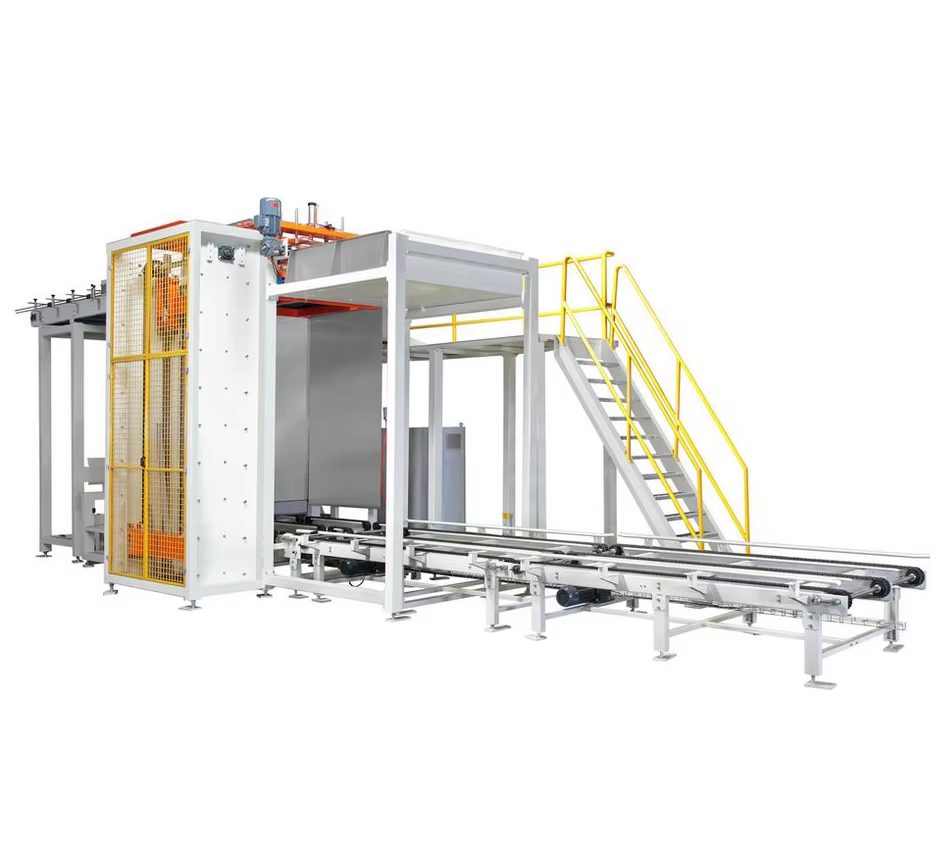
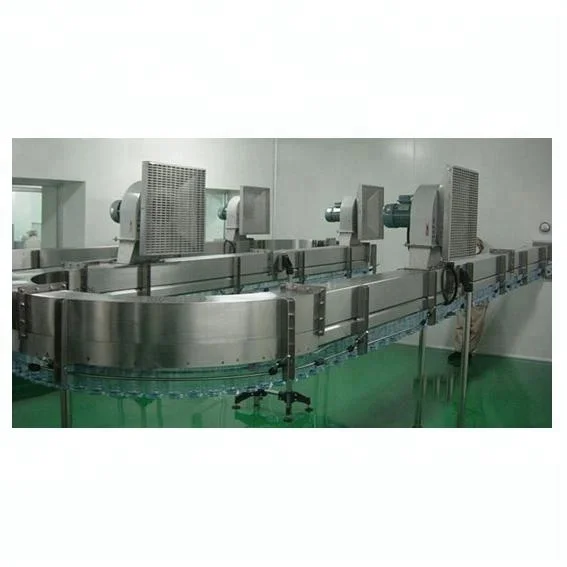
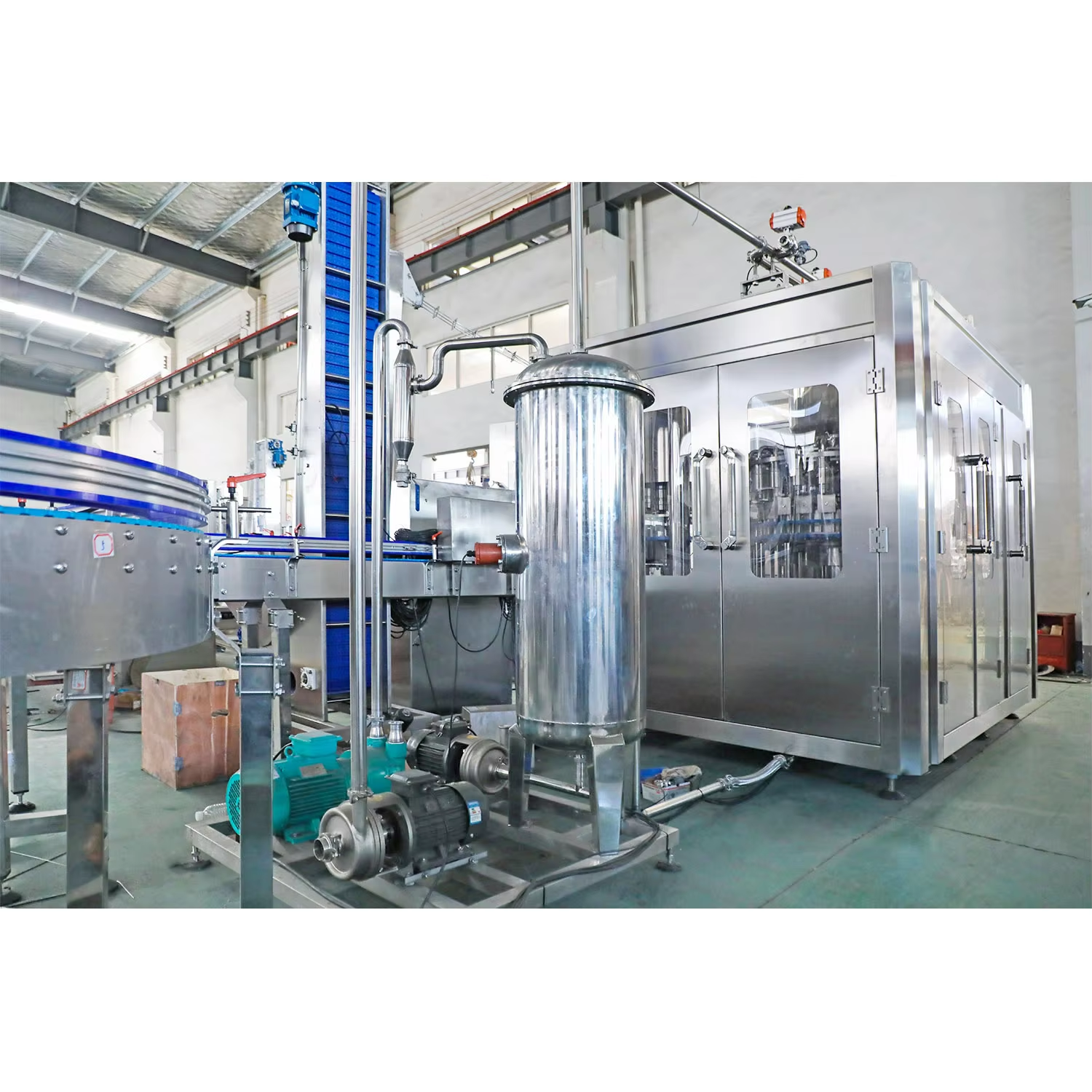
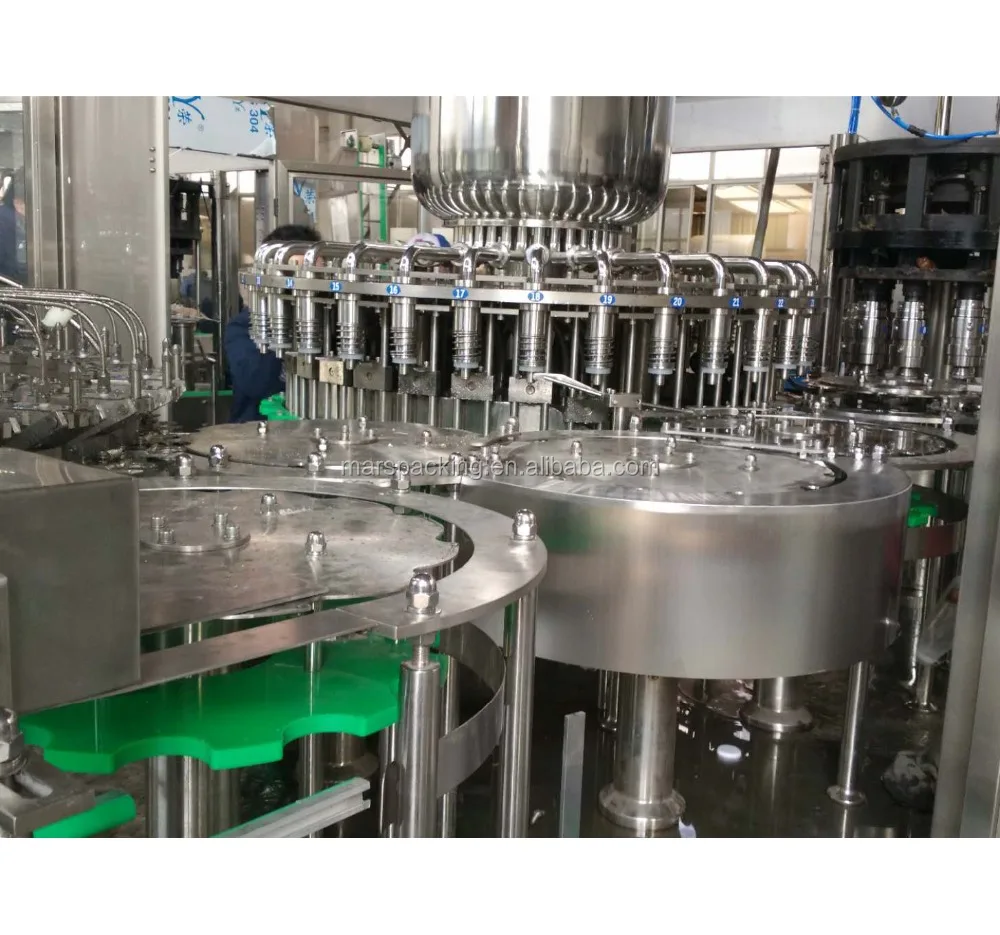
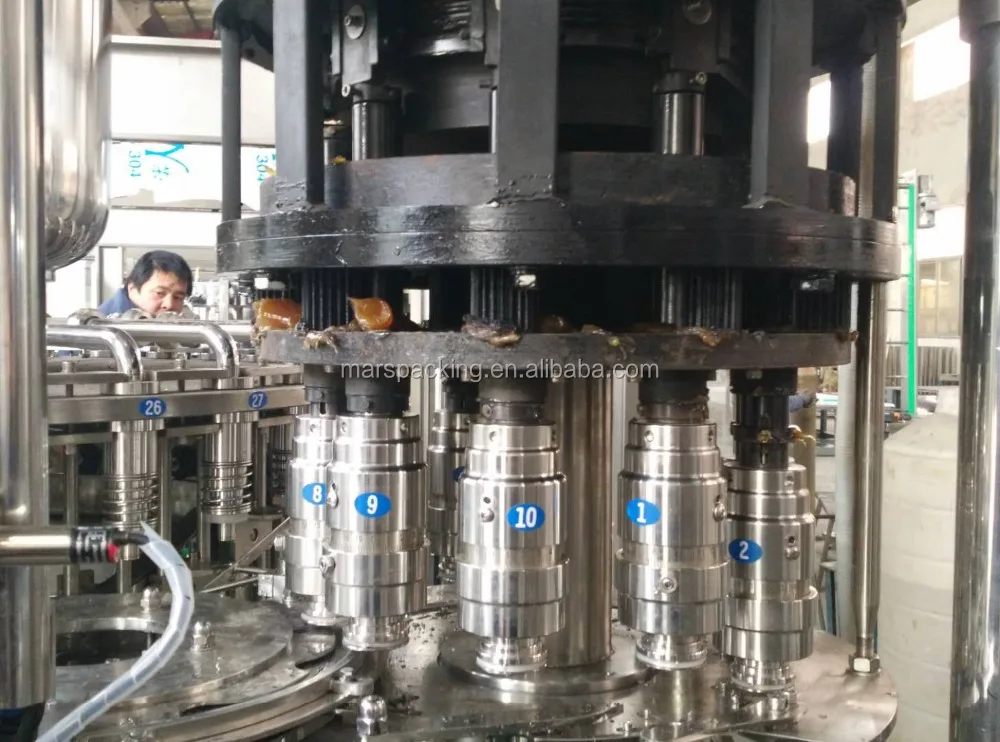
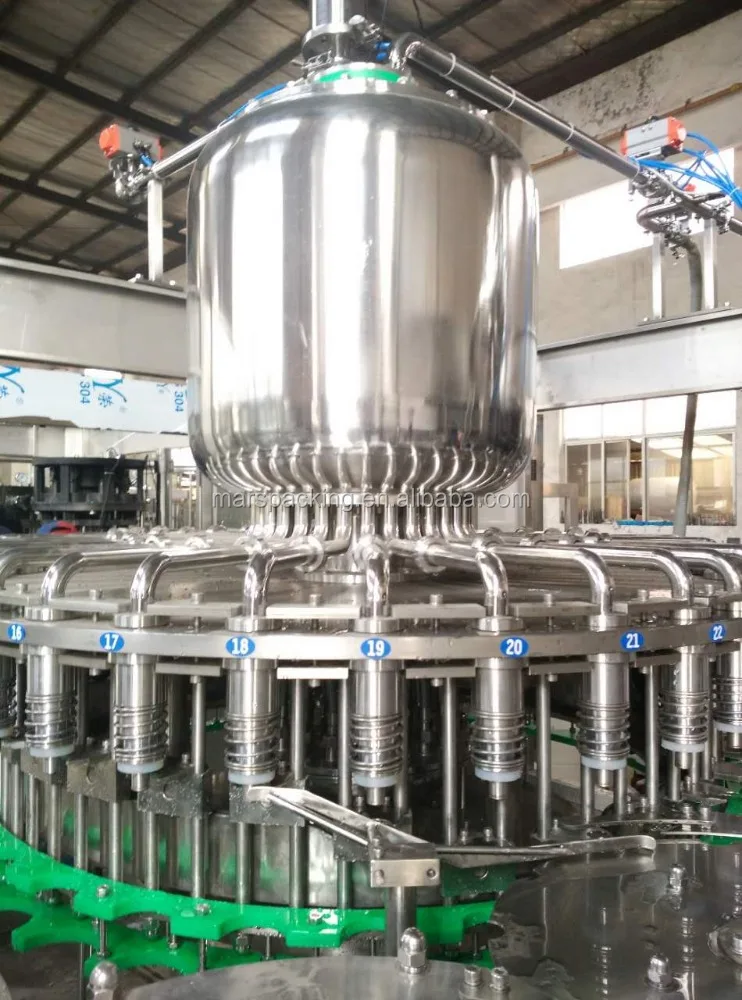
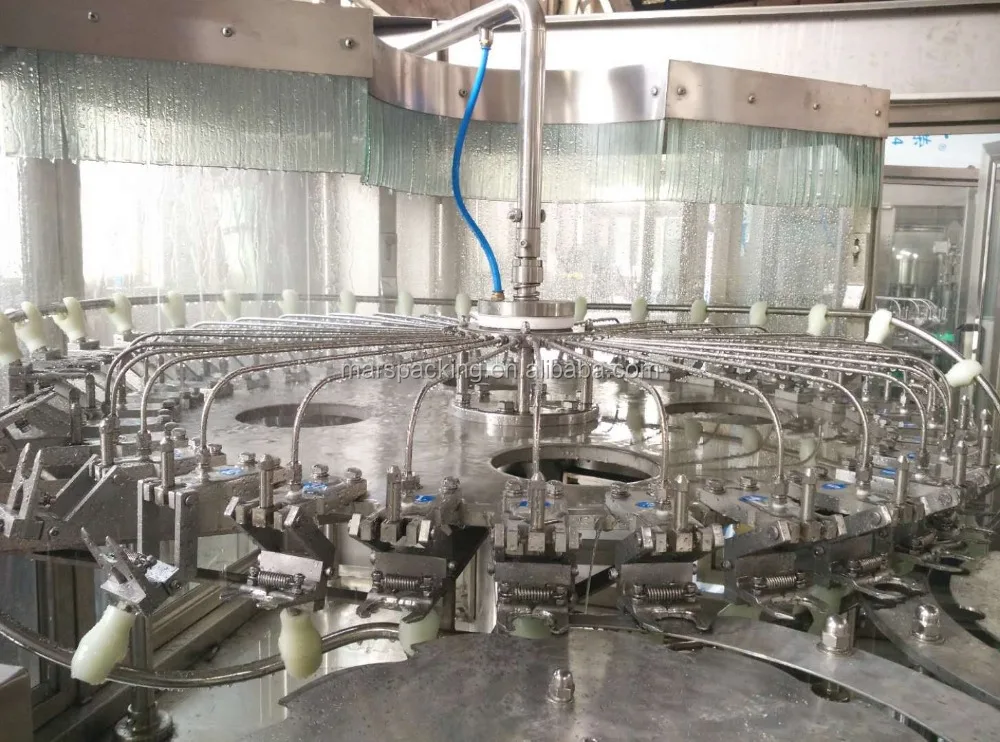
পরিচয়, মার্স 16000BPH 32/32/10 কিং কোয়ালিটি এ টু জেড ইক্ষু রস বোতলজাত করণ প্ল্যান্ট মেশিন, শীর্ষ মানের সহ ইক্ষু রস বোতলজাত করার জন্য চূড়ান্ত সমাধান। বোতলজাত প্রক্রিয়া সহজ এবং আগের চেয়েও আরও সুবিধাজনক করে তোলার জন্য এই অত্যাধুনিক মেশিনটি ডিজাইন করা হয়েছে।
মার্স-এ, আমরা আমাদের গ্রাহকদের কাছে উচ্চমানের পণ্য সরবরাহের গুরুত্ব বুঝতে পারি। এজন্যই আমরা এই বোতলজাতকরণ সংযন্ত্রটি নিখুঁতভাবে এবং যত্নসহকারে ডিজাইন করেছি, যাতে এটি থেকে প্রাপ্ত প্রতিটি গুড়ের রসের বোতল গুণগত মান এবং স্বাদের সর্বোচ্চ মানদণ্ড পূরণ করে। ঘন্টায় 16000 বোতল বোতলজাতকরণের ক্ষমতা সহ, এই মেশিনটি ব্যবসার জন্য আদর্শ যারা তাদের পরিচালন বাড়াতে এবং বৃদ্ধিপ্রাপ্ত চাহিদা পূরণের লক্ষ্যে উন্নয়ন করতে চায়।
এই মেশিনের 32/32/10 কনফিগারেশনটি একটি নিরবিচ্ছিন্ন এবং কার্যকর বোতলজাতকরণ প্রক্রিয়া নিশ্চিত করে। এটি উন্নত প্রযুক্তি দিয়ে সজ্জিত যা প্রতিটি বোতলের নির্ভুল পূরণ, ঢাকনা দেওয়া এবং লেবেল করা নিশ্চিত করে, প্রক্রিয়ার প্রতিটি পদক্ষেপে সামঞ্জস্য এবং নির্ভুলতা নিশ্চিত করে। এর অর্থ হল আপনি নিশ্চিন্ত থাকতে পারেন যে এই মেশিন থেকে প্রাপ্ত গুড়ের রসের প্রতিটি বোতল সর্বোচ্চ মানসম্পন্ন।
এই বোতল প্লান্ট মেশিনটি টেকসই এবং নির্ভরযোগ্যতার জন্যও ডিজাইন করা হয়েছে, তাই আপনি এটির পারফরম্যান্স স্থিতিশীল রাখতে পারবেন। এর শক্তিশালী নির্মাণ এবং উচ্চমানের উপকরণগুলি নিশ্চিত করে যে এটি নিরবিচ্ছিন্ন ব্যবহারের চাপ সত্ত্বেও পারফরম্যান্সের ক্ষেত্রে কোনও আপস হবে না। এর ফলে আপনি নিজের ব্যবসা চালানোতে মনোনিবেশ করতে পারবেন এবং বন্ধের সময় বা রক্ষণাবেক্ষণের সমস্যার জন্য চিন্তা করবেন না।
অসাধারণ পারফরম্যান্সের পাশাপাশি, মার্স 16000BPH 32/32/10 কিং কোয়ালিটি এ টু জেড আম রস বোতল প্লান্ট মেশিনটি পরিচালনা এবং রক্ষণাবেক্ষণের ক্ষেত্রেও সহজ। এর ব্যবহারকারী-বান্ধব ইন্টারফেসটি মেশিনটি সেট আপ করা এবং আপনার নির্দিষ্ট প্রয়োজনীয়তা অনুযায়ী সামঞ্জস্য করা সহজ করে তোলে। নিয়মিত রক্ষণাবেক্ষণ এবং সেবার মাধ্যমে, আপনি নিশ্চিত করতে পারেন যে এটি বছরের পর বছর ধরে সর্বোচ্চ কার্যক্ষমতায় কাজ করতে থাকবে।
মার্স ১৬০০০বিপিএইচ ৩২/৩২/১০ কিং কোয়ালিটি এ টু জেড ইক্ষুর রস বোতল প্লান্ট মেশিনটি ব্যবসার জন্য একটি নিখুঁত সমাধান যারা তাদের বোতলজাতকরণ অপারেশন উন্নত করতে চান এবং তাদের গ্রাহকদের কাছে শীর্ষ মানের ইক্ষুর রস সরবরাহ করতে চান। এর হাই-স্পীড পারফরম্যান্স, অসাধারণ মান এবং ব্যবহার করা সহজ হওয়ায় এই মেশিনটি যে কোনও ব্যবসার জন্য অপরিহার্য যারা তাদের বোতলজাতকরণ প্রক্রিয়াকে পরবর্তী পর্যায়ে নিয়ে যেতে চান
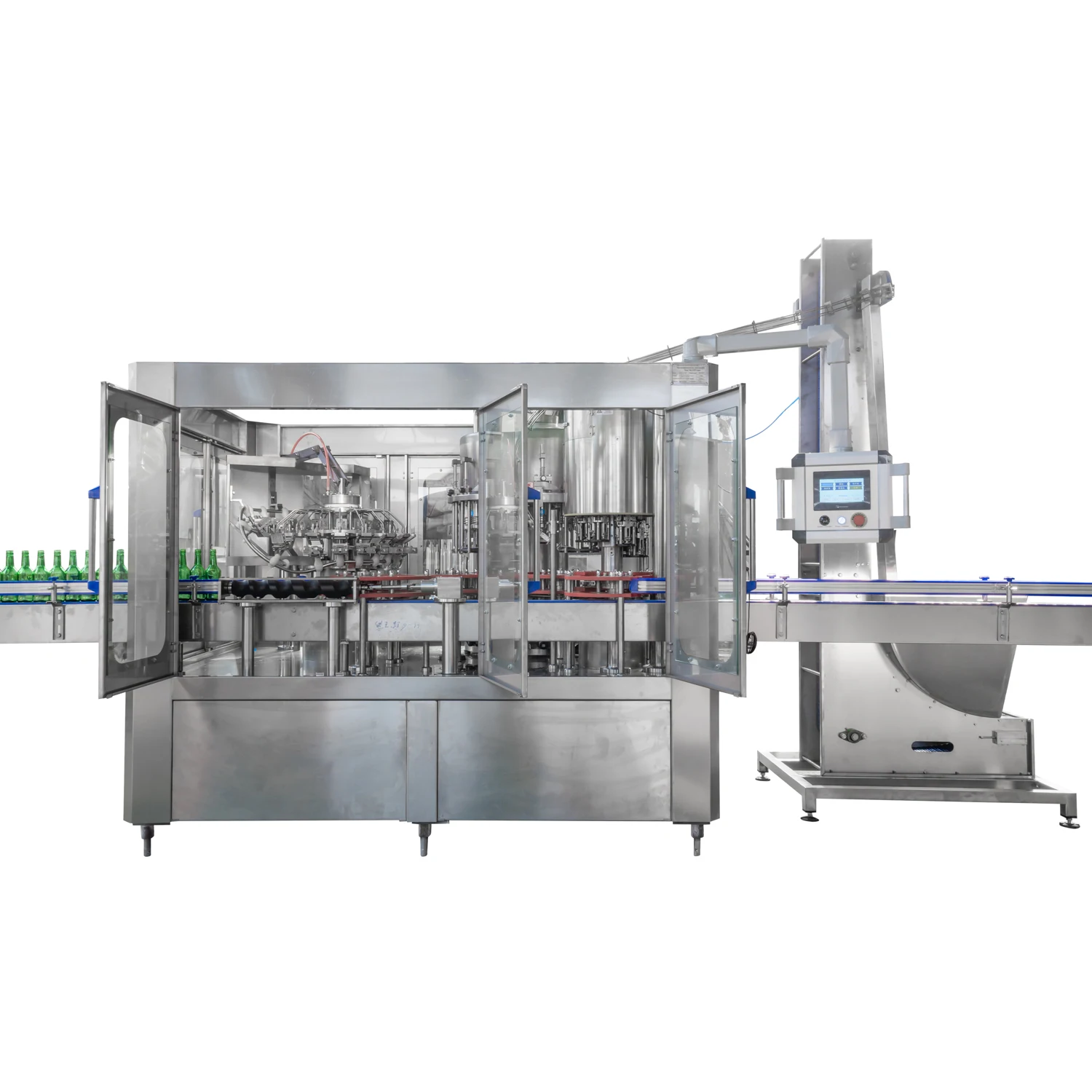
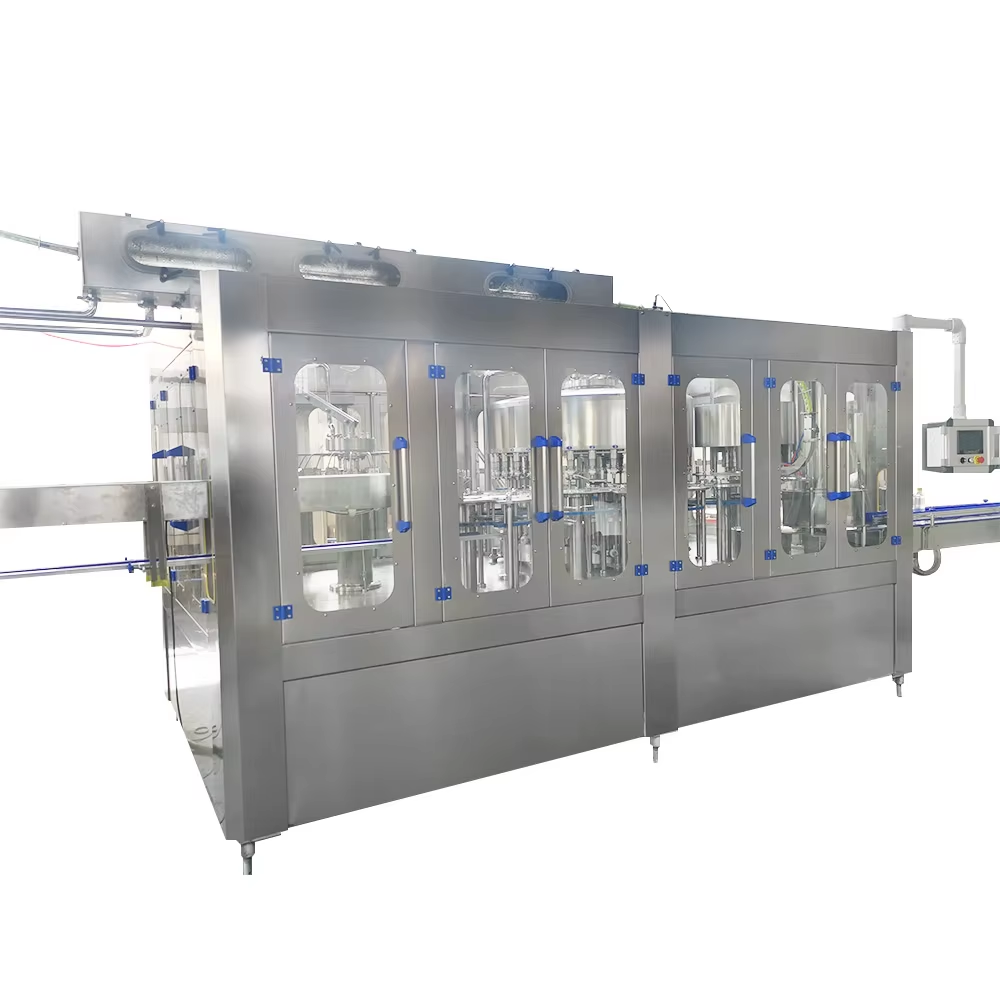
আখের রস বোতল পূরণ মেশিন:16000BPH 32/32/10 কিং কোয়ালিটি আখের রস বোতল প্ল্যান্ট মেশিন বিক্রয়ের জন্য
RCGF সিরিজ ওয়াশিং-ফিলিং-ক্যাপিং 3-ইন-1 ইউনিট ওয়াশিং, ফিলিং এবং ক্যাপিং একত্রিত করে, একটি ট্রান্সমিশন মোটর দ্বারা চালিত। এটি পানীয় প্রস্তুতকারকদের জন্য আদর্শ নন-গ্যাস তরল হট ফিলিং উৎপাদন সরঞ্জাম।
1. বোতলের উপযুক্ত স্কেল: 250-2000ml PET বোতল, স্ট্যান্ডার্ড প্লাস্টিক স্ক্রু ঢাকনা।
2. ফিলিং অবস্থা: ধ্রুবক চাপ, ≤87oC অথবা সাধারণ তাপমাত্রা
3. বোতলের উচ্চতা স্কেল: 150mm-310mm4. পানীয়ের প্রকার: রস, চা, খনিজ জল, পিওর ওয়াটার, এবং অন্যান্য নন-গ্যাস তরল
মডেল এবং ক্ষমতা:
1. মডেল আরসিজিএফ18-18-6: 6,000-7,000বি/এইচ - 500মিলির জন্য
2. মডেল আরসিজিএফ24-24-8: 9,000-10,000বি/এইচ - 500মিলির জন্য
3. মডেল আরসিজিএফ32-32-10: 12,000-13,000বি/এইচ - 500মিলির জন্য
সুবিধাসমূহ:
1. উচ্চ স্বয়ংক্রিয়তার মাত্রা, সংক্ষিপ্ত গঠন, আকর্ষক চেহারা, সুবিধাজনক এবং সহজ পরিচালন, নিরাপদ এবং নির্ভরযোগ্য এবং সমন্বয়যোগ্য অবিচ্ছিন্ন উৎপাদন ক্ষমতা, কম শ্রম তীব্রতা
২. প্রধান মেশিনটি অত্যাধুনিক পিএলসি নিয়ন্ত্রণ প্রযুক্তি গ্রহণ করে।
3. প্রধান তড়িৎ উপাদানগুলি আন্তর্জাতিক খ্যাতনামা কোম্পানি দ্বারা তৈরি পণ্যগুলি গ্রহণ করে, যেমন মিতসুবিশি এবং সিমেন্স।
মডেল |
RC গ F 32-32-10 |
উৎপাদন ক্ষমতা |
13,000-14,000b/h - 500ml বোতলের উপর ভিত্তি করে |
ফিলিং নির্ভুলতা |
≤±5মিমি - তরল স্তর |
পলিস্টার বোতলের স্পেসিফিকেশন |
বottle ব্যাসার্ধ: φ50-φ 110মিমি বোতলের উচ্চতা: 150-3 20mm |
উপযুক্ত ঢাকনা ধরন |
প্লাস্টিক স্ক্রু ক্যাপ |
বোতল ধোয়ার জলের চাপ |
0.18Mpa |
বোতল ধোয়ার জন্য জলের খরচ |
3500kg/h |
গ্যাস উৎসের চাপ |
0.6Mpa |
গ্যাসের ব্যবহার |
0.5মি. 3/min |
মোট শক্তি |
5.5K w |
মোট ওজন |
6000ক গ |
মোট মাত্রা |
3380×2580×3150mm |

|
প্রশ্ন ১ জুসের জন্য হট ফিলিং এবং কোল্ড অ্যাসেপটিক ফিলিং-এর মধ্যে পার্থক্য কী? — আপনি কোনটি সুপারিশ করবেন এবং কেন? |
আপনার জুস উৎপাদন লাইনের জন্য সঠিক ফিলিং প্রযুক্তি নির্বাচন করা হল সবচেয়ে গুরুত্বপূর্ণ সিদ্ধান্ত। এটি সরাসরি আপনার পণ্যের স্বাদ, শেল্ফ লাইফ, প্যাকেজিং খরচ এবং লজিস্টিক্সকে প্রভাবিত করে। মূল প্রাযুক্তিক পার্থক্য হট ফিলিং: হট ফিলিং সাধারণত ৮৫°সে থেকে ৯৫°সে তাপমাত্রায় ফিলিং করাকে বোঝায়। এই পদ্ধতিতে জুস/চা এবং বোতল উভয়কে একসাথে ব্যাকটেরিয়ামুক্ত করা হয়। বোতলটি এই তাপ সহ্য করতে পারতে হবে যাতে এটি বিকৃত না হয়। বোতলের উপাদানের খরচ বেশি হয়। কিন্তু মেশিন উৎপাদন লাইনে বিনিয়োগ কম হয়। কোল্ড অ্যাসেপটিক ফিলিং: বোতল, ক্যাপ এবং পরিবেশকে পৃথকভাবে ব্যাকটেরিয়ামুক্ত করা হয় (স্টিম বা রাসায়নিক ব্যবহার করে), তারপর একটি ব্যাকটেরিয়ামুক্ত, শীতল পণ্য দিয়ে বোতলটি ভরাট করা হয়। মোট বিনিয়োগ বেশি হয়। কিন্তু বোতলের উপাদানের খরচ কম হয় এবং পানীয়ের তাজা স্বাদ ভালোভাবে বজায় রাখা যায়। |
|
প্রশ্ন ২ এই লাইনটি কি পাল্প বা ফাইবার সমৃদ্ধ জুস পরিচালনা করতে পারবে, নাকি এটি শুধুমাত্র ক্লিয়ার জুসের জন্য? |
এই লাইনটি বিশেষভাবে ডিজাইন করা হয়েছে স্বচ্ছ রস (যেমন: আপেল, আঙ্গুর, পরিশোধিত রস)। এটি অনুশুল্কিত নয় উচ্চ-পাল্প বা উচ্চ-তন্তুযুক্ত রসের জন্য উপযুক্ত, যেমন কমলা, টমেটো বা স্মুদি, কারণ পাল্প অবরোধ সৃষ্টি করতে পারে। পাল্পযুক্ত রসের জন্য আমাদের বিশেষ মেশিন রয়েছে। |
|
প্রশ্ন ৩ আপনি কোন ব্যাকটেরিয়ামুক্তকরণ পদ্ধতি ব্যবহার করেন — UHT, HTST, অথবা টানেল পাস্টুরাইজার? |
১. UHT (অতি-উচ্চ তাপমাত্রা) – অ্যাসেপটিক ফিলিংয়ের জন্য সর্বোত্তম প্রক্রিয়া: ১৩৫–১৫০°সেলসিয়াস (২৭৫–৩০২°ফারেনহাইট) তাপমাত্রায় ২–৫ সেকেন্ড ধরে। প্রয়োগ: দুগ্ধ, উদ্ভিদ-ভিত্তিক পানীয়, ডেয়ারি ডেজার্ট, তরল ডিম। সুবিধা: সক্ষম পরিবেশ-তাপমাত্রায় সংরক্ষণ (৬–১২ মাস) শীতায়িত করার প্রয়োজন ছাড়াই।
সরঞ্জামঃ প্লেট বা টিউবুলার UHT ব্যাকটেরিয়ামুক্তকারী যন্ত্র + অ্যাসেপটিক ফিলিং সিস্টেম। ২. এইচটিএসটি (উচ্চ-তাপমাত্রা সংক্ষিপ্ত-সময়) – শৃঙ্খলিত বিতরণের জন্য সর্বোত্তম প্রক্রিয়া: ৭২–৮৫°সেলসিয়াস (১৬১–১৮৫°ফারেনহাইট) তাপমাত্রায় ১৫–৩০ সেকেন্ড ধরে। প্রয়োগ: তাজা দুধ, রস, বিয়ার, আইসক্রিম মিক্স। সুবিধা: স্বাদ ও পুষ্টি উপাদানগুলি ভালোভাবে সংরক্ষণ করে; কম শক্তি খরচ। শেল্ফ লাইফ: শীতলীকরণে ২–৬ সপ্তাহ সংরক্ষণযোগ্য। ৩. টানেল পাস্টারাইজার – এটি পূরণের পরে পাস্টারাইজেশন। প্রক্রিয়া: বহু-অঞ্চল স্প্রে (পূর্ব-তাপীকরণ → পাস্টারাইজেশন → শীতলীকরণ) ৬০–৯৮°সেলসিয়াস তাপমাত্রায়। প্রয়োগ: বিয়ার, সাইডার, ডিবি-বাঁধা সবজি, পোষা প্রাণীর খাদ্যের পাউচ, কাঁচের জার। সুবিধা: প্যাকেজিং-পরবর্তী বিসংক্রমণ; অ্যাসেপটিক ফিলার প্রয়োজন হয় না। |
|
Q4 লাইনটিতে তরল নাইট্রোজেন ডোজিং সিস্টেম অন্তর্ভুক্ত করা হয়েছে কি? জুস ফিলিংয়ে নাইট্রোজেন ইনজেকশনের উদ্দেশ্য কী? |
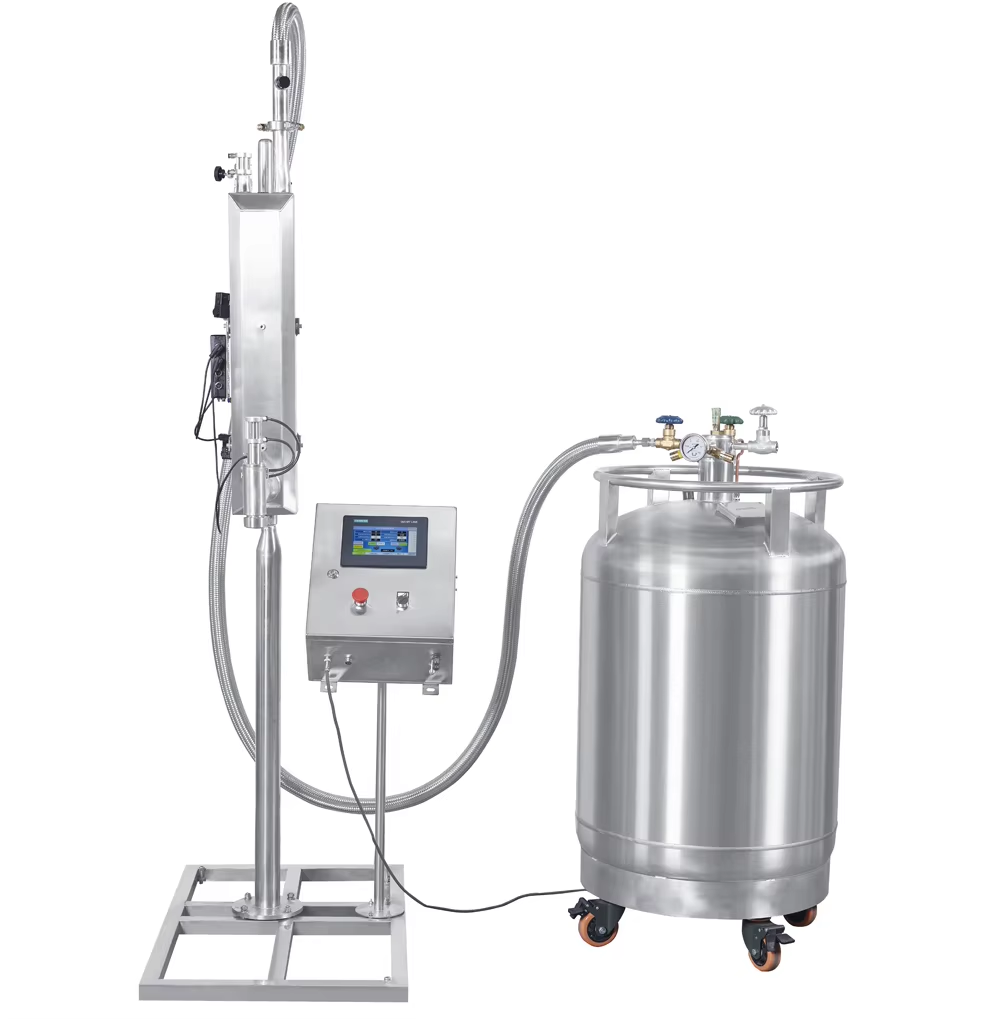
হ্যাঁ, আমরা একটি বিকল্প তরল নাইট্রোজেন ডোজিং সিস্টেম (LND) প্রদান করি আমাদের ফিলিং লাইনগুলির সাথে একীভূত — বিশেষ করে PET বোতল ভরাট জল, জুস, খাদ্যযোগ্য তেল , অ-কার্বনেটেড পানীয় ক্যান ফিলিং . তরল নাইট্রোজেন (LN₂) ডোজিং কাজ করে দুটি গুরুত্বপূর্ণ উদ্দেশ্যে জুস ও পানীয় ফিলিংয়ে: ১. অক্সিজেন স্থানচ্যুতি – শেল্ফ লাইফ বৃদ্ধি করুন এবং গুণগত মান রক্ষা করুন সিল করার আগে কনটেইনারের হেডস্পেসের ভিতরে তরল নাইট্রোজেন (LN₂) এর একটি ছোট ফোঁটা বাষ্পীভূত হয়। প্রসারিত হওয়া নাইট্রোজেন গ্যাস অক্সিজেনকে বের করে দেয় (যা জারণ, ভিটামিন সি ক্ষয় এবং রঙের ম্লান হওয়ার প্রধান কারণ)। ফলাফল: দ্রবীভূত অক্সিজেন (DO) হ্রাস → প্রিজারভেটিভ যোগ না করেই দীর্ঘতর শেল্ফ লাইফ। ২. দৃঢ়তা ও স্ট্যাকযোগ্যতা – প্যানেলিং প্রতিরোধ করুন (PET বোতলের জন্য) রস দ্বারা পূর্ণ PET বোতলগুলি ঠান্ডা করার সময় ভিতরের দিকে ভেঙে পড়ে (ভ্যাকুয়াম প্রভাব)। LN₂ ডোজিং একটি নিয়ন্ত্রিত অভ্যন্তরীণ চাপ (১.৫–৩ বার) ক্যাপিংয়ের পর।
ফলাফল: বোতলগুলি কঠিন, হালকা এবং প্যালেটাইজেশনের জন্য স্ট্যাকযোগ্য থাকে — ঘন প্লাস্টিক বা ভ্যাকুয়াম প্যানেলের প্রয়োজন হয় না। গরম-ভরাট রসের জন্য: LN₂ ব্যয়বহুল ভ্যাকুয়াম প্যানেল বা নাইট্রোজেন ফ্লাশিং সিস্টেমের পরিবর্তে ব্যবহৃত হয়। |
|
প্রশ্ন 5 কোন কোন বোতল উপাদান সমর্থিত — শুধুমাত্র PET, নাকি কাচ ও HDPE-ও? |
গরম-ভরাট মেশিনের জন্য সমর্থিত বোতল উপাদানগুলি সাধারণত মেশিনের ডিজাইন ও ভরাট তাপমাত্রার উপর নির্ভর করে PET, কাচ এবং HDPE অন্তর্ভুক্ত করে। PET: শুধুমাত্র হিট-সেট (ক্রিস্টালাইজড) PET-এর সাথে গরম-ভরাটের জন্য উপযুক্ত; স্ট্যান্ডার্ড PET উচ্চ তাপমাত্রা (উপরের দিকে) সহ্য করতে পারে না 6০°সে। কাচ: উত্তম তাপ প্রতিরোধের কারণে এটি অধিকাংশ হট-ফিলিং অ্যাপ্লিকেশন (রস, চা ইত্যাদি) এর সাথে সম্পূর্ণরূপে সামঞ্জস্যপূর্ণ। HDPE: সীমিত সামঞ্জস্য — শুধুমাত্র উচ্চ তাপ স্থিতিশীলতা সম্পন্ন উচ্চ-ঘনত্ব পলিইথিলিন (HDPE) গ্রেডগুলি (কিছু ক্ষেত্রে ৯০–৯৫°C পর্যন্ত) হট-ফিলিংয়ের জন্য ব্যবহার করা যেতে পারে। . মানক HDPE বিকৃত হতে পারে। |
|
প্রশ্ন 6 হট-ফিল রস পণ্যগুলির জন্য ফিলিং তাপমাত্রার পরিসীমা কত? |
হট-ফিল রস পণ্যগুলির সাধারণত ফিলিং তাপমাত্রার পরিসীমা হয় ৮ 0°C থেকে ৯৫°C (১ 76°F থেকে ২০৩°F)।
পাত্র এবং ক্যাপের অপ্টিমাল ব্যাকটেরিয়া-মুক্তকরণের জন্য, অধিকাংশ হট-ফিল অ্যাপ্লিকেশন ৮৮°C থেকে ৯২°C (১৯০°F থেকে ১৯৮°F) তাপমাত্রা লক্ষ্য করে। প্রিজারভেটিভ ছাড়াই বাণিজ্যিক ব্যাকটেরিয়া-মুক্তি অর্জনের জন্য ন্যূনতম প্রয়োজনীয় তাপমাত্রা সাধারণত ৮ 0°C (১ 76°F)। |
|
Q7 আপনি কীভাবে নিশ্চিত করেন যে ভরাটকরণ প্রক্রিয়ার সময় রস জারণের শিকার হবে না অথবা রঙ পরিবর্তন হবে না? |
১. অক্সিজেন প্রকাশের পরিমাণ কমান ভরাট কক্ষ এবং পাত্রগুলির মধ্যে অক্সিজেনকে সরিয়ে দেওয়ার জন্য নিষ্ক্রিয় গ্যাস ফ্লাশিং (যেমন, নাইট্রোজেন) সহ সম্পূর্ণ আবদ্ধ ভরাট সিস্টেম ব্যবহার করুন, যা ভরাটের আগে ও পরে কার্যকর হয়। ডিঅ্যারেটর ইনস্টল করুন পূরণের আগে গরম করার আগে রস থেকে দ্রবীভূত অক্সিজেন অপসারণ করার জন্য।
২. তাপমাত্রা ও সময় নিয়ন্ত্রণ করুন হট-ফিল পদ্ধতির জন্য উচ্চ ভরাট তাপমাত্রা (৮৫–৯৫°সেলসিয়াস) বজায় রাখুন, যা ব্যাকটেরিয়া ধ্বংস করে এবং অক্সিজেনের দ্রাব্যতা কমায়। 0–৯৫°সেলসিয়াস) হট-ফিল পদ্ধতির জন্য, যা ব্যাকটেরিয়া ধ্বংস করে এবং অক্সিজেনের দ্রাব্যতা কমায়। ডিঅ্যারেশন এবং সিলিংয়ের মধ্যবর্তী পণ্য ধরে রাখার সময় কমিয়ে অক্সিডেটিভ বিক্রিয়া সীমিত করুন।
৩. সরঞ্জামের ডিজাইন অপটিমাইজ করুন বায়ু আবদ্ধকরণ প্রতিরোধের জন্য স্যানিটারি, কম-শিয়ার ভাল্ভ এবং পাম্প ব্যবহার করুন। পূরণের সময় অত্যধিক টার্বুলেন্স এড়াতে পরিবর্তনশীল ফ্রিক uency ড্রাইভ ব্যবহার করুন। ফেনা এবং জারণ কমাতে স্প্ল্যাশ-মুক্ত পূরণ নজল নিশ্চিত করুন।
৪. অ্যান্টিঅক্সিডেন্ট যোগ করুন (যদি অনুমোদিত হয়) এনজাইমেটিক এবং অ-এনজাইমেটিক ব্রাউনিং রোধ করতে অ্যাসকর্বিক অ্যাসিড, এরিথরবিক অ্যাসিড অথবা রোজমেরি এক্সট্র্যাক্ট যোগ করুন।
৫. বোতল ও সিলের অখণ্ডতা তাপীয় অভিঘাত ও ঘনীভবন কমাতে পাত্রগুলো আগে থেকে গরম করে নিন, কারণ এগুলো অক্সিজেন আটকে ফেলতে পারে।
পূরণের পর তৎক্ষণাৎ (≤২ সেকেন্ডের মধ্যে) স্টিম বা নাইট্রোজেন দ্বারা ক্যাপ ফ্লাশিং করে ক্যাপিং করুন।
দীর্ঘমেয়াদী রঙের স্থায়িত্বের জন্য অক্সিজেন-শোষক ক্যাপ বা লাইনার ব্যবহার করুন।
৬. পরিষ্কার ও রক্ষণাবেক্ষণ সিল, গ্যাসকেট এবং পাইপ সংযোগস্থলে ক্ষতিগ্রস্ত হওয়ার বিষয়টি নিয়মিতভাবে পরীক্ষা করুন।
ক্যারামেলাইজড রসের অবশিষ্টাংশ (যা বর্ণহীনতা বৃদ্ধি করে) এড়াতে ফিলার বাউল এবং নজলগুলি পরিষ্কার করুন। ১. অক্সিজেন প্রবেশের পরিমাণ কমান |
|
Q8 আপনার লাইনে ভর্তি করা রস পণ্যগুলির শেল্ফ লাইফ কতদিন হবে, যখন সেগুলি শীতলীকরণ ছাড়াই সংরক্ষণ করা হয়? |
হট-ফিল রস লাইনের ক্ষেত্রে, শীতলীকরণ ছাড়াই শেল্ফ লাইফ সাধারণত ৬ থেকে ১২ মাসের মধ্যে হয়, যা পণ্যের অম্লতা (pH < ৪.২), ফিলিং তাপমাত্রা (≥৮০°C–৯৫°C), বোতল ও ক্যাপের স্টেরিলাইজেশন এবং প্যাকেজিং উপাদানের ব্যারিয়ার বৈশিষ্ট্যের উপর নির্ভর করে। 0°C–৯৫°C), বোতল ও ক্যাপের স্টেরিলাইজেশন এবং প্যাকেজিং উপাদানের ব্যারিয়ার বৈশিষ্ট্যের উপর নির্ভর করে। |
|
Q9 একই লাইনটি স্টিল রস এবং কার্বনেটেড রস পানীয় উভয়ের জন্য ব্যবহার করা যায় কি? |
No, এটি সাধারণ হট ফিলিং লাইনটি স্টিল (অ-কার্বনেটেড) রসের জন্য ব্যবহার করা যায় শুধুমাত্র কার্বনেটেড রস পানীয়ের জন্য, এটি সমচাপ পূরণ মেশিনের প্রয়োজন। |
|
প্রশ্ন ১০ আপনার জুস লাইনটি কোন খাদ্য নিরাপত্তা মানদণ্ড মেনে চলে (FDA, CE, ISO 22000, ইত্যাদি)? |
আমাদের জুস উৎপাদন লাইনটি যন্ত্রপাতির নিরাপত্তা ও তড়িৎ-চৌম্বকীয় সামঞ্জস্যতা নিশ্চিত করার জন্য CE (Conformité Européenne) এবং খাদ্য নিরাপত্তা ব্যবস্থাপনা পদ্ধতির জন্য ISO 22000 মানদণ্ড মেনে চলে। বিশেষভাবে হট ফিলিং মেশিনগুলির ক্ষেত্রে, আমরা অণুজীবিয় নিরাপত্তা, সিলের অখণ্ডতা এবং তাপীয় প্রক্রিয়াকরণের সামঞ্জস্যতা নিশ্চিত করার জন্য cGMP (Current Good Manufacturing Practices) এবং HACCP (Hazard Analysis Critical Control Points) নীতিগুলি অনুসরণ করি। |