 EN
EN
- Ամփոփում
- Հաճախադեպ տրվող հարցեր
- Առաջարկվող արտադրանքներ
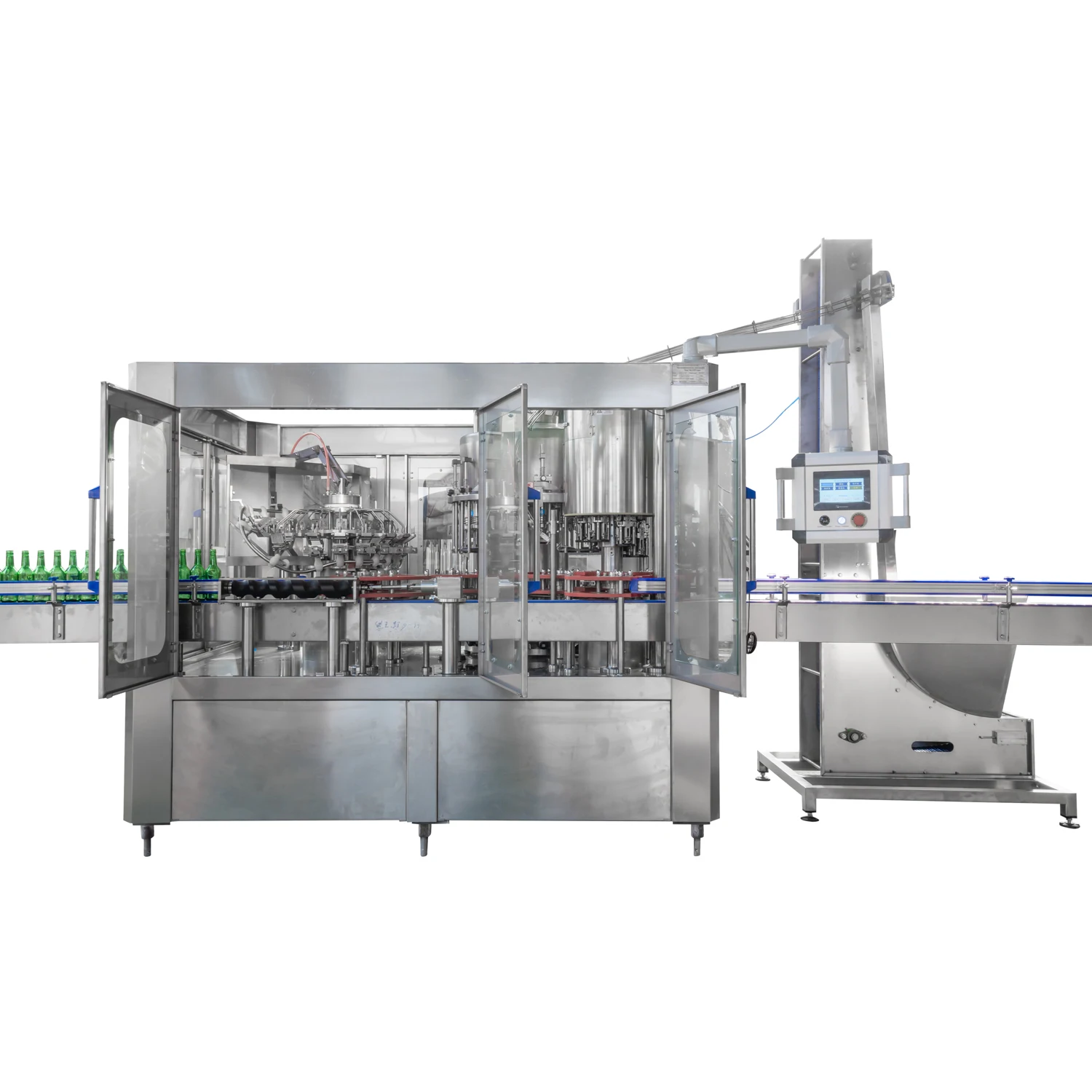
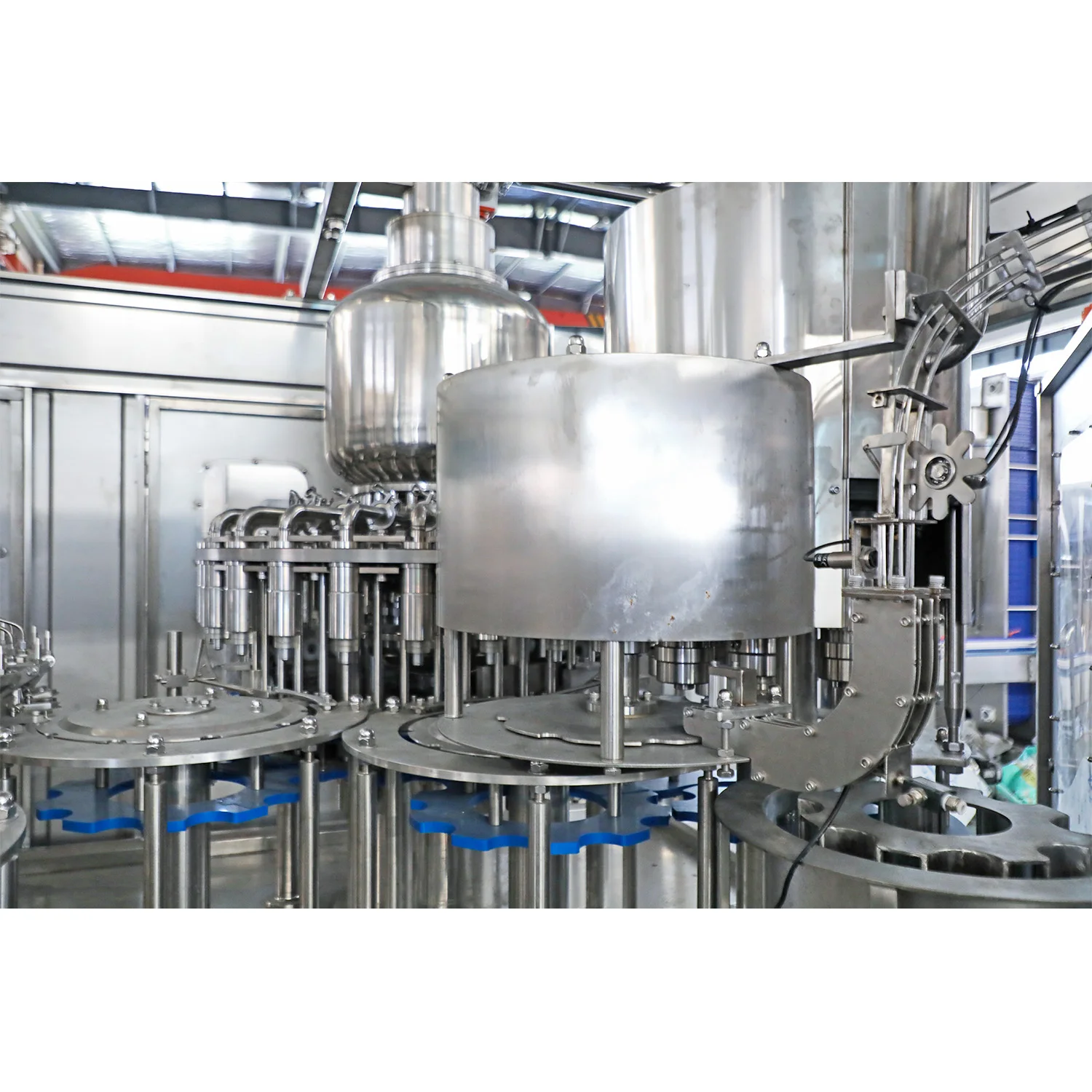
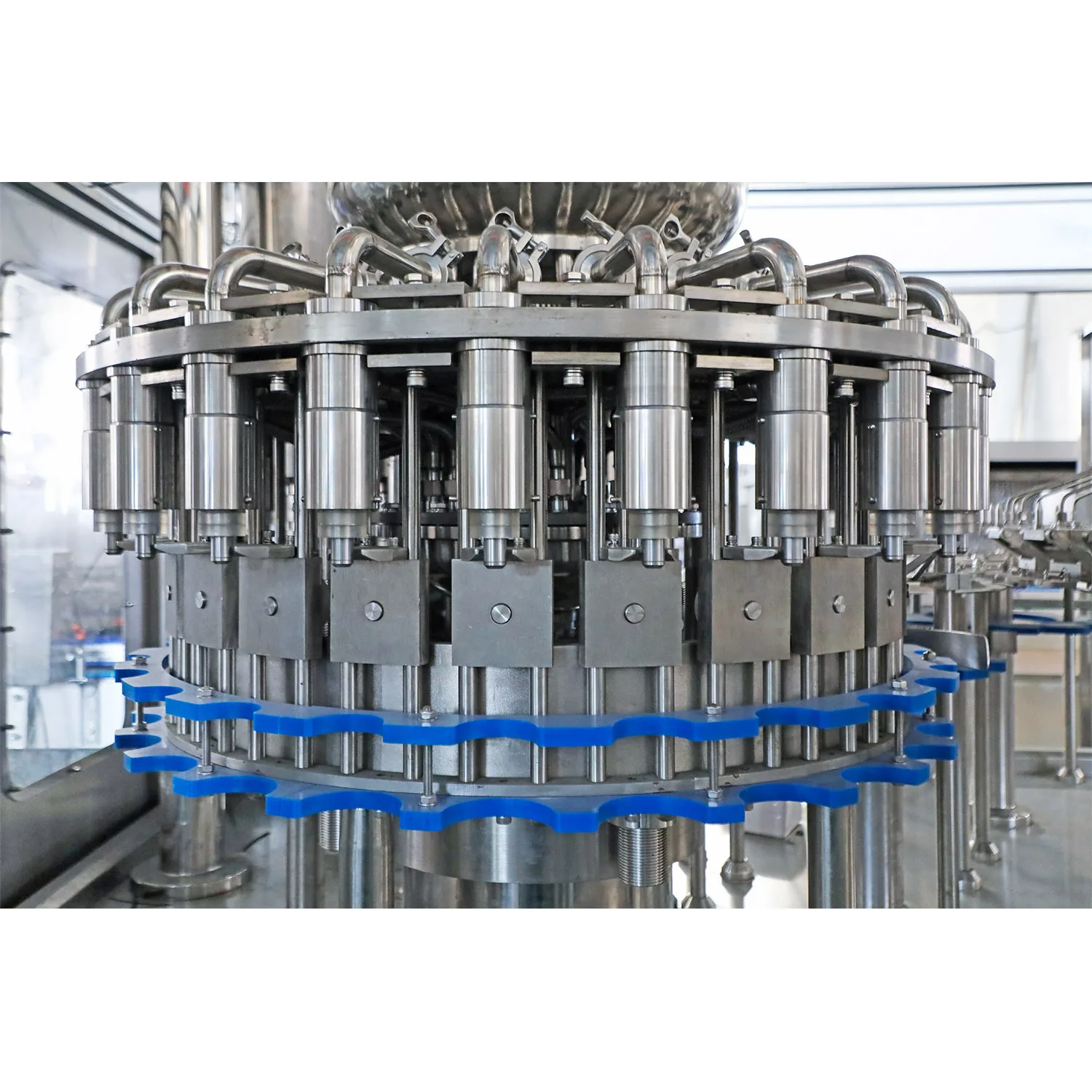
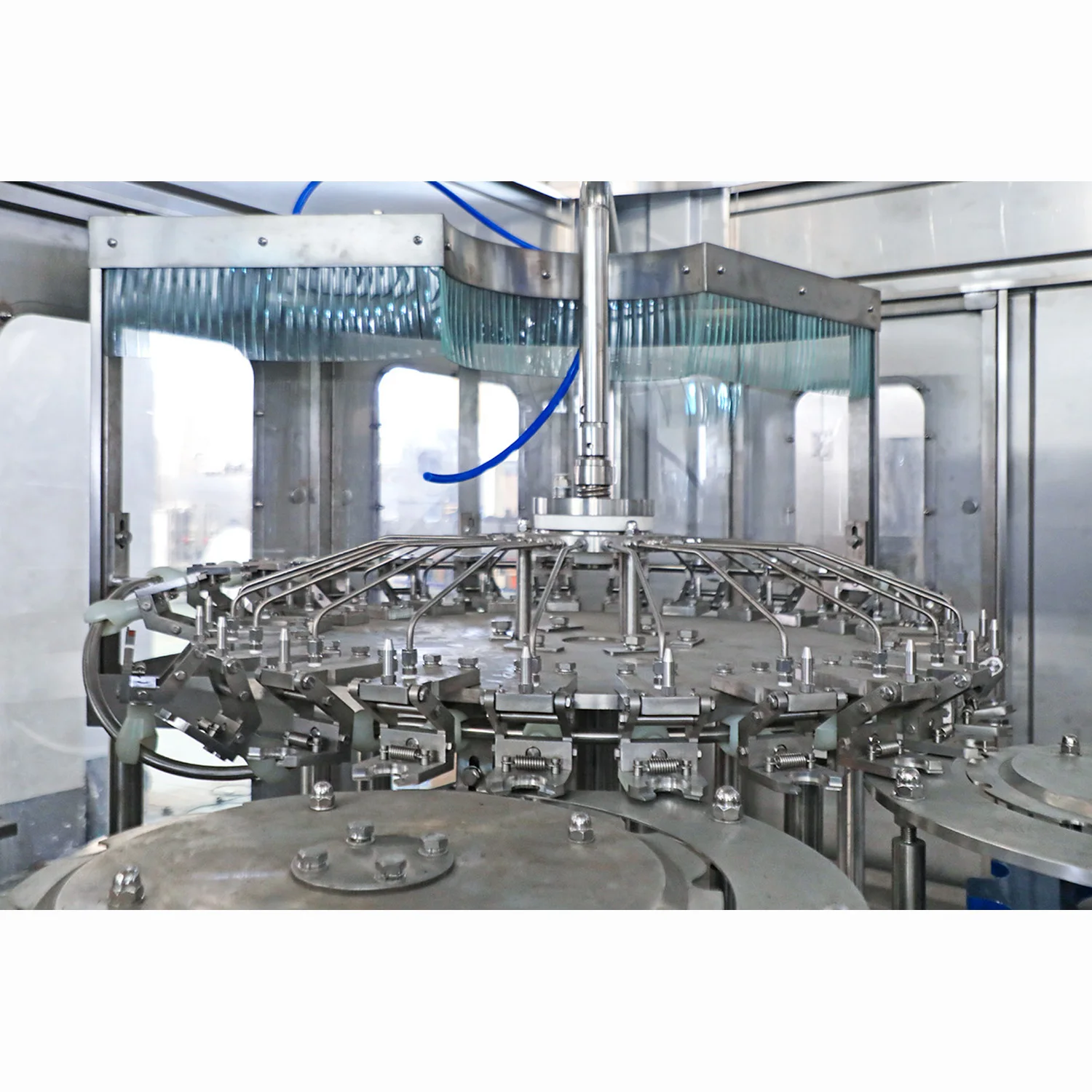
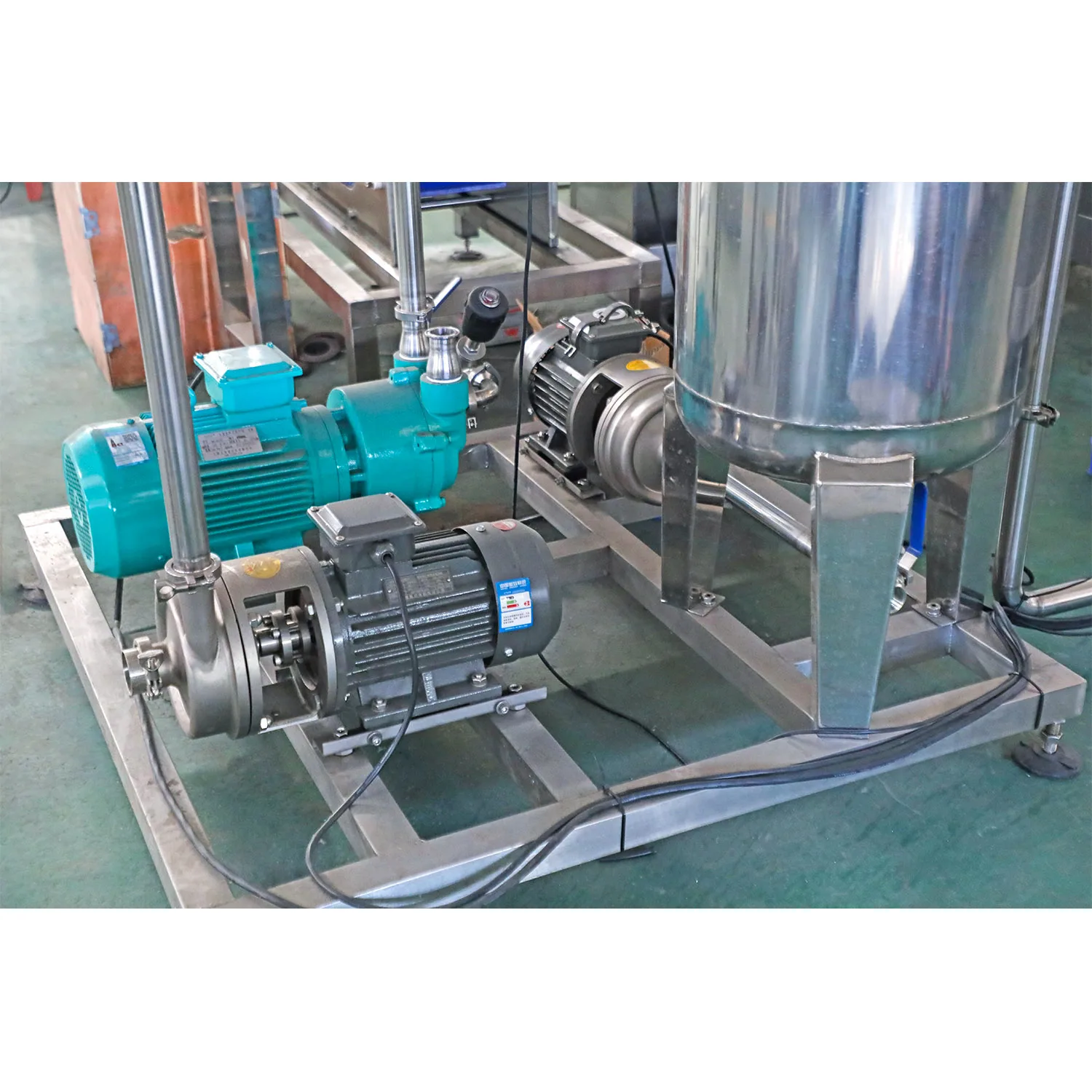
Ներկայացնում ենք Mars 6000BPH արտադրության ամբողջական մեքենայական գիծը՝ ձմերուկի հյութի շշալցման համար, ձմերուկի հյութի շշալցման բոլոր ձեր կարիքների համար նախատեսված կատարյալ լուծումը: Այս նորարարական մեքենայական գիծը նախագծված է հեշտ և արդյունավետ ձևով արտադրել բարձր որակի ձմերուկի հյութի շշերը ժամում 6000 շիշ արագությամբ:
Mars 6000BPH արտադրության ամբողջական մեքենայական գիծը ձմերուկի հյութի շշալցման համար ապահովված է ամենանոր տեխնոլոգիաներով, որոնք ապահովում են ճշգրտություն և հավաստիություն ամբողջ շշալցման գործընթացի ընթացքում: Լցումից մինչև փակումը՝ այս մեքենայական գիծը նախագծված է ձմերուկի հյութի ամբողջականությունը պահպանելու և ցանկացած աղտոտմունք կանխելու համար:
Մարս 6000BPH Ամբողջական Ծիլի հյութի շշալցման արտադրական մեքենայի գծի հիմնարար հատկանիշներից մեկը դրա բազմակի կիրառությունն է: Այս մեքենայի գիծը կարող է շշալցնել ծիլի հյութերի լայն տիպասան, ներառյալ նարնջի հյութ, խնձորի հյութ, խաղողի հյութ և այլն: Կարգավորվող կարգերով և հարմարեցված տարբերակներով դուք կարող եք հեշտությամբ ձևավորել այս մեքենայի գիծը՝ բավարարելու ձեր արտադրության ձեր հատուկ կարիքները:
Բացի արագահոս արտադրության հնարավորություններից, Մարս 6000BPH Ամբողջական Ծիլի հյութի շշալցման արտադրական մեքենայի գիծը նաև արհեստակցի համար շատ հեշտ օգտագործման հնարավորություն է տալիս: Օգտագործողի հարմար ինտերֆեյսը և ինտուիտիվ ղեկավարումը հնարավոր է դարձնում մեքենայի գծի համար արդյունավետ կետերի կարգավորում և գործարկում նվազագույն ուսուցմամբ:
Անվտանգությունը միշտ առաջնային նշանակություն է ունենում սննդի արտադրության գործում, այդ իսկ պատճառով էլ Mars 6000BPH Manufacture Complete Fruit Juice Bottling Production Machine Line-ը պատրաստված է բարձրորակ նյութերից և համապատասխանում է արդյունաբերական բոլոր սանիտարական և անվտանգության չափանիշներին: Կարող եք վստահ լինել, որ ձեր մրգահյութի շիշերը կարտադրվեն մաքուր և ապախտար միջավայրում՝ առանց ցանկացած աղտոտիչների:
Ե it ու ձեզ փոքր մրգահյութ արտադրող եք, ով ձեր գործողությունները մեծացնելու փորձ եք անում, կամ խոշոր արտադրող՝ ապահով բոտլավորման լուծում պահանջող, Mars 6000BPH Manufacture Complete Fruit Juice Bottling Production Machine Line-ը իդեալական ընտրությունն է: Շնորհիվ իր բարձրարագ արտադրողականության, բազմակողմանիության, օգտագործման հեշտության և անվտանգության հնարավորությունների՝ այս մեքենայական գիծը երաշխավորում է ձեր արտադրողական գործընթացի արդյունավետության բարելավում և ամենօրյա բարձրորակ մրգահյութի շիշերի արտադրություն: Թարմացրեք ձեր բոտլավորման գործողությունները Mars 6000BPH Manufacture Complete Fruit Juice Bottling Production Machine Line-ով այսօր
6000BPH ամբողջական մեքենայական գծի մեքենա մրգային հյութերի բոտլավորման արտադրության համար
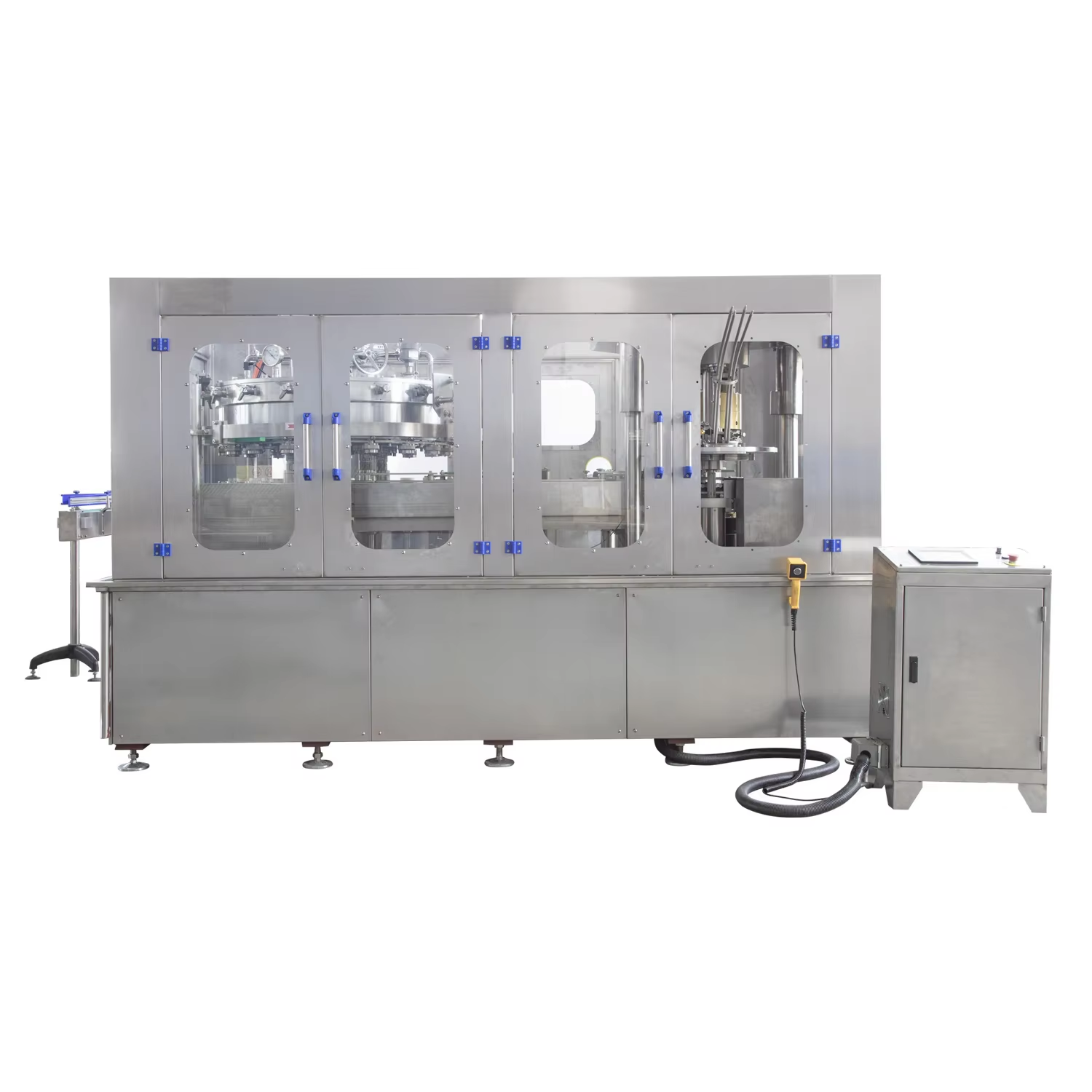
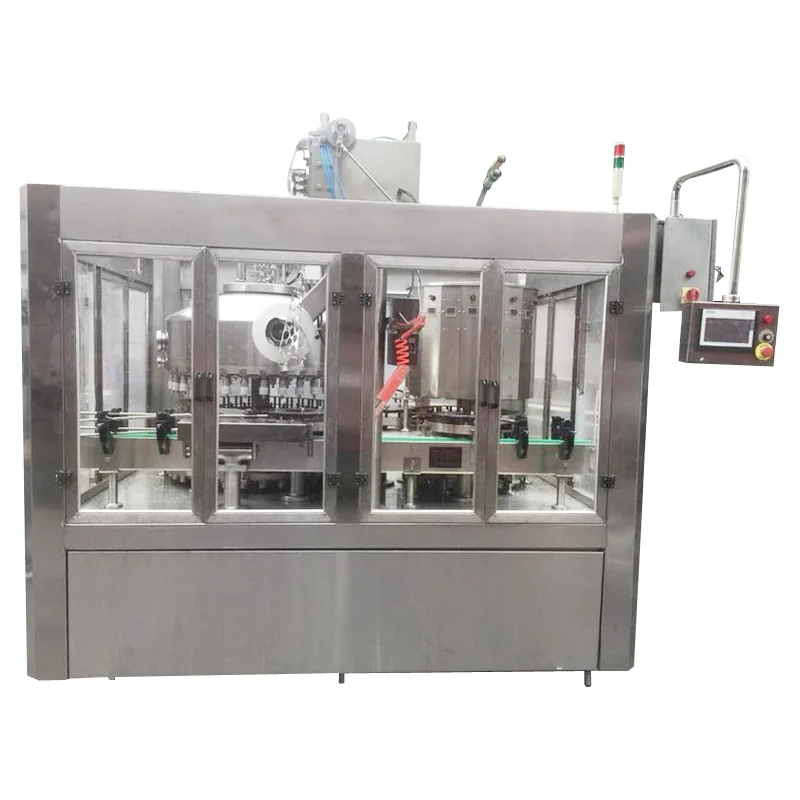
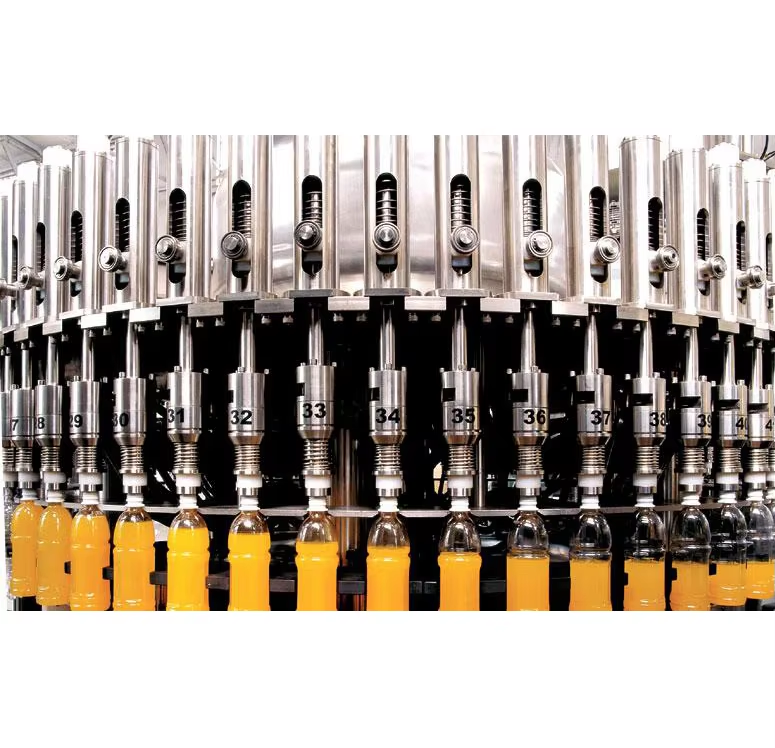
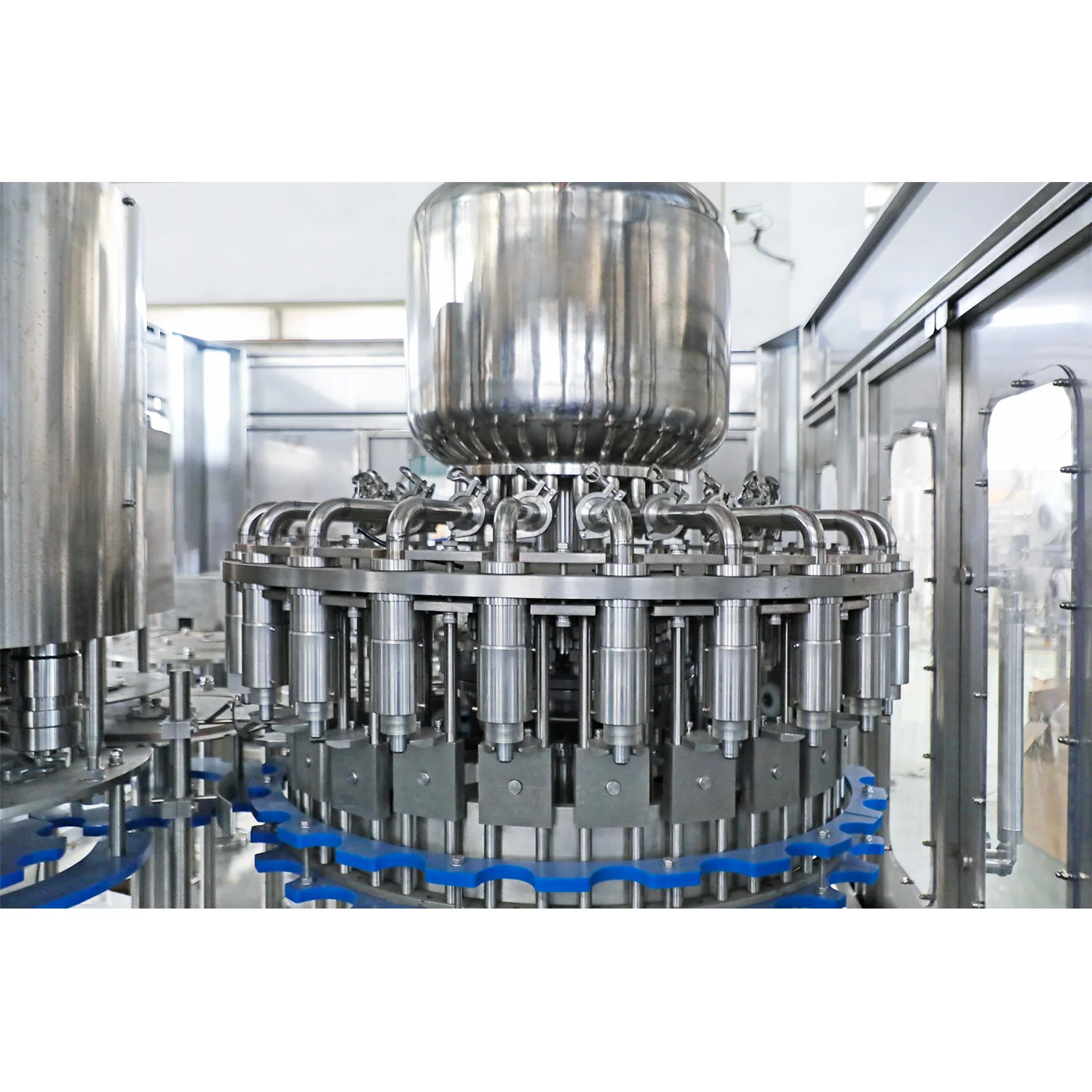
Ասեպտիկ լցման մեքենան բաղկացած է մի միավորից, որն ընդգրկում է լվացում, թեյի լցում և փակում: Մեքենան ավտոմատ կերպով կիրառվում է թեյը PET շիշերում լցնելու համար: Այս մեքենան պատրաստված է բարձր որակական SUS304 նյութից, հիմնական մասերը մշակված են թվային ղեկավարման մեքենաների միջոցով: Հիմնական մեքենայում օգտագործվում է զարգացրած էլեկտրական լույս բոլոր մասերի աշխատանքային վիճակը ստուգելու համար, ինչպես նաև բոլոր շիշերի բարձր աստիճանի ավտոմատ լցում և փակում և օպերատորի համակարգչային ինտերֆեյսի էկրան:
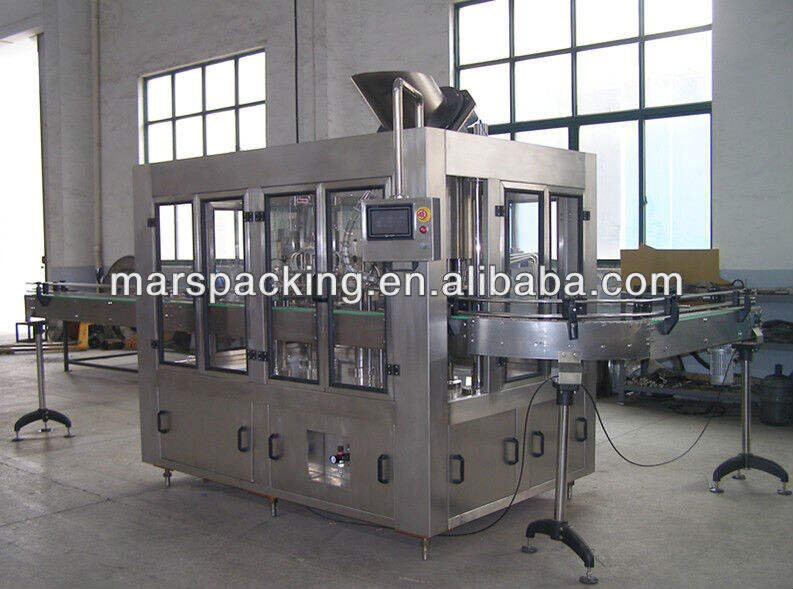
Ծանրաբեռնված գծի սարքավորումների համար բնորոշ հատկանիշներ.
1. Լվացում, լցում և փակում՝ այս մեքենայով կատարվում է միայն այս երեք աշխատանքը:
2. Շիշերի չափերը փոխելը շատ հարմար է առաջադեմ շիշի փողի ամրակցման և շիշի կախման տեխնոլոգիայի շնորհիվ:
3. Այն համալրված է ջերմաստիճանի կառավարման համակարգով, կարելի է սահմանել լցման ջերմաստիճանը: Երբ մատուցվող նյութի ջերմաստիճանը բարձր է կամ ցածր է սահմանվածից, այն ավտոմատ կերպով կանգ կդառնա: Երբ նյութի ջերմաստիճանը ցածր է սահմանվածից, նյութը կփոխադրվի շրջանառության համակարգ, որպեսզի նորից մշակվի և ապահովվի լցման սահմանված ջերմաստիճանը
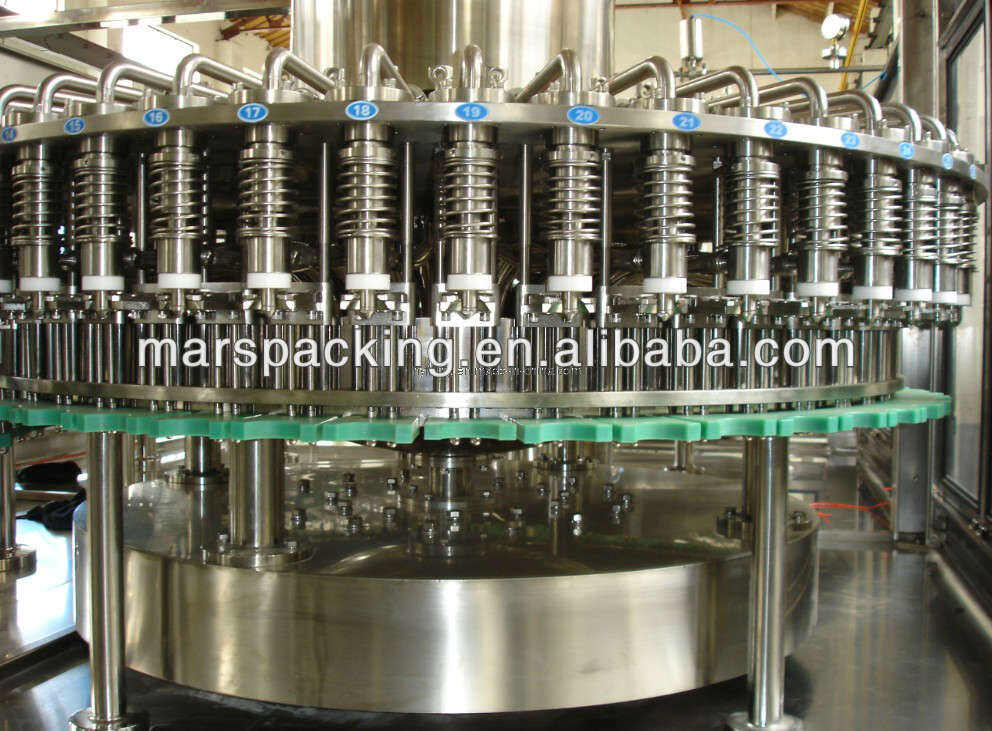
4. Առկա է առաջադեմ ծրագրավորվող PLC, որն օգտագործվում է հիմնական մեքենայի կառավարման համար
5. Աշխատանքային արագությունը կարելի է կարգավորել հաճախականության փոխարկիչի միջոցով
6. Բոլոր հիմնական էլեկտրոնային բաղադրիչները ամենահայտնի միջազգային ընկերությունների արտադրանքն են։
7. Հեղուկի մակարդակը ճիշտ է և լցման հատկությունները հաստատուն են
ԾՐԱԳՐԱՅԻՆ ՄԱՍԵՐԻ ՏԵԽՆԻԿԱԿԱՆ ԲՆՈՒԹԱԳՐԵՐԸ՝
Մոդել |
RCGF14-12-5 |
RCGF18-18-6 |
RCGF24-24-8 |
RCGF32-32-10 |
RCGF40-40-12 |
RCGF50-50-15 |
Լվացում Չկա |
14 |
18 |
24 |
32 |
40 |
50 |
Լցում Չկա |
12 |
18 |
24 |
32 |
40 |
50 |
Կոլպակավորում չէ |
5 |
6 |
8 |
10 |
12 |
15 |
Արտադրողականություն - 500մլ |
3000bph |
6000BPH |
9000BPH |
12000BPH |
18000BPH |
22000BPH |
Տեղադրման հզորություն - ԿՎտ |
3.5 |
4 |
4.8 |
7.6 |
8.3 |
9.6 |
Ընդհանուր չափը |
2450×1800×2400 |
2650×1900×2400 |
2900×2100×2400 |
4100×2400×2400 |
4550×2650×2400 |
5450×3210×2400 |
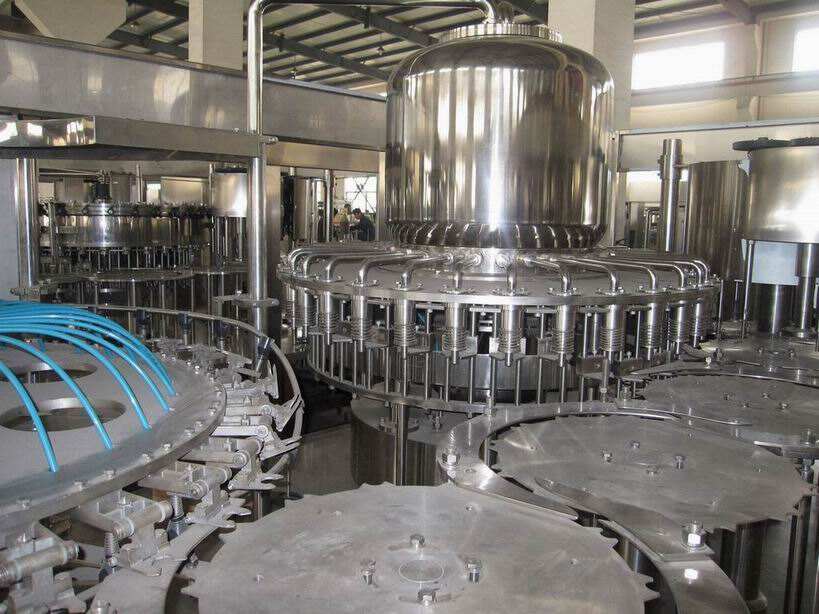
Ծիլապտղի հյութի արտադրության գծի սարքավորում

|
Q1 Ինչն է տարբերությունը հյութերի տաք լցման և սառը ասեպտիկ լցման միջև՝ ո՞րն եք խորհուրդ տալիս և ինչու՞: |
Ճիշտ լցման տեխնոլոգիայի ընտրությունը ձեր հյութերի արտադրական գծի համար ամենակրիտիկ որոշումն է: Դա ուղղակիորեն ազդում է ձեր արտադրանքի համի, պահպանման ժամկետի, տարաների ծախսերի և տրանսպորտային տրամադրման վրա: Հիմնարար տեխնիկական տարբերությունը Տաք լցում. տաք լցումը սովորաբար նշանակում է 85°C–ից 95°C ջերմաստիճանով լցում: Այս եղանակով միաժամանակ ստերիլիզացվում են ինչպես հյութը/թեյը, այնպես էլ շշը: Շշը պետք է դիմանա այս ջերմությանը՝ առանց ձևափոխվելու: Շշի նյութի արժեքը բարձր է: Սակայն մեքենայական արտադրական գծի ներդրումը ցածր է: Սառը ասեպտիկ լցում. շշը, փակածը և շրջակա միջավայրը առանձին ստերիլիզացվում են (գոլորշու կամ քիմիական միջոցների օգնությամբ), այնուհետև ստերիլ և սառեցված արտադրանքը լցվում է շշի մեջ: Ընդհանուր ներդրումը բարձր է: Սակայն շշի նյութի արժեքը ցածր է, և այն լավ է պահպանում ըմպելիքի թարմ համը: |
|
Q2 Կարո՞ղ է այս գիծը մշակել մսունքով կամ մանրաթելեր պարունակող հյութեր, թե՞ միայն պարզ հյութերի համար է նախատեսված: |
Այս գիծը մշակված է հետևյալի համար մաքուր հյութ (օրինակ՝ խաղողի, խնձորի, պարզեցված հյութ)։ Այն խորապես չի ցուցվում չի նախատեսված բարձր մածուցիկությամբ կամ բարձր մանրաթելային հյութերի համար, ինչպես օրինակ՝ նարինջի, տոմատի կամ սմուզիների, քանի որ մածուցիկ մասը կարող է առաջացնել խցանում։ Մածուցիկ հյութերի համար մենք ունենք հատուկ սարքավորում։ |
|
Q3 Ո՞ր ստերիլիզացման մեթոդն եք օգտագործում՝ UHT, HTST կամ թունելային պաստերիզատոր։ |
1. UHT (Ուլտրաբարձր ջերմաստիճան) – Լավագույնն է ասեպտիկ լցման համար Գործընթաց 135–150°C (275–302°F) 2–5 վայրկյան ժամանակահատվածում։ Կիրառում. Կաթ, բուսական ըմպելիքներ, կաթնային դեսերտներ, հեղուկ ձու։ Առավելություններ՝ Թույլատրում է սենյակային ջերմաստիճանում պահպանելու ժամկետը (6–12 ամիս) սառեցման առանց պահպանման։
Սարքավորումներ. Պլաստինային կամ խողովակավոր UHT ստերիլիզատոր + ասեպտիկ լցման համակարգ։ 2. HTST (բարձր ջերմաստիճանում կարճ ժամանակով) – Լավագույնը շղթայական տարածման համար Գործընթաց 72–85°C (161–185°F) 15–30 վայրկյան Կիրառում. Թարմ կաթ, հացահատիկի հյութ, գարեջուր, սառեցված սերուցքի խառնուրդ Առավելություններ՝ Ավելի լավ է պահպանում համը և սննդային արժեքը, ցածր էներգային ծախս Պահպանման ժամկետ: 2–6 շաբաթ՝ սառնարանում պահպանելու դեպքում 3. Հունիսային պաստերիզատոր – Դա լցման հետո իրականացվող պաստերիզացիա է Գործընթաց Բազմագոտի սփրեյ (նախատաքացում → պաստերիզացիա → սառեցում) 60–98°C-ում Կիրառում. Գարեջուր, խաղողի հյութ, կանաչի տարաներ, կենդանիների սնունդը պարունակող պայուսակներ, ապակե տարաներ Առավելություններ՝ Տարայի հետո ստերիլիզացիա՝ ասեպտիկ լցման սարքի անհրաժեշտություն չկա |
|
Q4 Արդյոք գիծը ներառում է հեղուկ ազոտի դոզավորման համակարգ՞ Ի՞նչ է ազոտի ներարկման նպատակը հյութերի լցման ժամանակ։ |
Այո, մենք առաջարկում ենք ընտրովի հեղուկ ազոտի դոզավորման համակարգ (LND) ինտեգրված մեր լցման գծերի հետ՝ հատկապես PET շշալցման ջրի, հյութերի, սննդային յուղերի ոչ գազավորված ըմպելիքների փաթեթավորում . Հեղուկ ազոտի (LN₂) դոզավորումը ծառայում է երկու կրիտիկական նպատակի հյութերի և ըմպելիքների լցման ժամանակ՝ 1. Օքսիջենի դուրսմղումը՝ Պահպանման ժամկետի երկարացում և որակի պահպանում Փոքր քանակությամբ ազոտի հեղուկ ձևի մեկ կաթիլը գոլորշիանում է տարայի վերին մասում փակելուց առաջ: Ծավալը մեծացնող ազոտի գազը դուրս է մղում օքսիջենը (օքսիդացման, վիտամին C-ի կորստի և գունայի մատչելիության նվազման հիմնական պատճառը) Արդյունք՝ Լուծված օքսիջենի (DO) նվազեցումը → պահպանման ժամկետի երկարացում առանց կոնսերվանտների ավելացման: 2. Կայունություն և միավորման հնարավորություն՝ սալիկավորման կանխարգելում (PET շշերի համար) Ջուրը լցված PET շշերը հաճախ կորանում են ներսի կողմից սառեցման ընթացքում (վակուումային էֆեկտ) Ազոտի հեղուկ ձևի դոզավորումը ավելացնում է վերահսկվող ներքին ճնշում (1,5–3 բար) կափարիչների տեղադրումից հետո։
Արդյունք՝ Թասերը մնում են կայուն, թեթև և միմյանց վրա դիրքավորելու համար հարմար՝ պալետավորման համար, առանց ավելի հաստ պլաստիկի կամ վակուումային սալիկների անհրաժեշտության։ Տաք լցման համար նախատեսված հյութերի դեպքում. LN₂-ը փոխարինում է թանկարժեք վակուումային սալիկներին կամ ազոտի լվացման համակարգերին։ |
|
Q5 Ո՞ր թասերի նյութերն են աջակցվում՝ միայն PET-ը, թե նաև ապակին և HDPE-ն։ |
Տաք լցման մեքենաների համար աջակցվող թասերի նյութերը սովորաբար ներառում են PET-ը, ապակին և HDPE-ն՝ կախված մեքենայի կառուցվածքից և լցման ջերմաստիճանից։ PET. Տաք լցման համար հարմար է միայն ջերմային մշակման (բյուրեղացված) PET-ը. ստանդարտ PET-ը չի կարող դիմանալ բարձր ջերմաստիճանների՝ վերևում 60°C-ից։ Ապակի. Լրիվ համատեղելի է շատ տաք լցման կիրառումների հետ (հյութեր, թեյ և այլն), քանի որ ունի հ excellent ջերմային դիմացկունություն: HDPE. Սահմանափակ համատեղելիություն՝ միայն բարձր ջերմային կայունությամբ բարձր խտության պոլիէթիլենի տեսակները (որոշները՝ մինչև 90–95°C) կարող են օգտագործվել տաք լցման համար: . ստանդարտ HDPE-ը կարող է ձևափոխվել |
|
Q6 Ի՞նչն է տաք լցման հյութերի լցման ջերմաստիճանային միջակայքը: |
Տաք լցման հյութերի արտադրանքները սովորաբար ունեն 8 0°C–ից 95°C (1 76°F–ից 203°F) լցման ջերմաստիճանային միջակայք:
Ամենալավ ստերիլիզացիայի համար տարայի և կափարիչի, մեծամասնության տաք լցման կիրառումները նպատակադրում են 88°C–ից 92°C (190°F–ից 198°F): Առանց կոնսերվանտների առևտրային ստերիլիզացիայի հասնելու համար անհրաժեշտ նվազագույն ջերմաստիճանը սովորաբար 8 0°C (1 76°F) է: |
|
Q7 Ինչպես եք ապահովում, որ հյութը չի օքսիդանում կամ չի փոխում գույնը լցման ընթացքում: |
1. Օդի ազդեցության նվազեցում Օգտագործեք ամբողջությամբ փակված լցման համակարգ՝ անջրային գազի (օրինակ՝ ազոտ) միջոցով լցման սենյակի և տարաների մեջ գտնվող թթվածինը դուրս մղելու համար լցման առաջ և հետո: Տեղադրեք դեաերատոր լցման առաջ հյութից լուծված թթվածինը հեռացնելու համար՝ տաքացնելուց առաջ:
2. Ջերմաստիճանի և ժամանակի վերահսկում Պահպանեք բարձր լցման ջերմաստիճան (8 0–95°C) տաք լցման դեպքում, որը ստերիլացնում է և նվազեցնում թթվածնի լուծելիությունը: Կրճատեք դեաերացիայի և կնքման միջև ապրանքի պահման ժամանակը՝ օքսիդատիվ ռեակցիաները սահմանափակելու համար:
3. Սարքավորումների դիզայնի օպտիմալացում Օգտագործել սանիտարական, ցածր շեղման արժեք ունեցող փականներ և պոմպեր՝ օդի մտնելը կանխելու համար: Օգտագործել փոփոխական հաճախականության շարժիչներ՝ լցման ընթացքում չափից շատ թափառումներից խուսափելու համար: Ապահովել առանց ցայտաղացման լցման սեղաններ՝ փրփուրի և օքսիդացման նվազագույնի հասցնելու համար:
4. Հակաօքսիդանտների ավելացում (եթե թույլատրված է) Ավելացնել ասկորբինաթթու, էրիթորբինաթթու կամ վարդի համարձակի համարձակ՝ ֆերմենտային և ոչ ֆերմենտային մուգացումը կանխելու համար:
5. Թարմացված սննդի տարաների և փակման ամբողջականություն Նախապես տաքացրեք տարաները՝ ջերմային ցնցումը և խտացումը նվազեցնելու համար, որոնք կարող են թթվածին կուտակել։
Լցումից անմիջապես հետո (≤2 վայրկյան) կատարել կափակում՝ գոլորշու կամ ազոտի միջոցով կափակի մեջ ազոտի լցում:
Երկարատև գունային կայունության համար օգտագործել թթվածին կլանող կափակներ կամ ներդիրներ:
6. Մաքրում և սպասարկում Պարբերաբար ստուգեք սեղմանիչների, լայնացված մասերի և խողովակային միացումների հետ կապված հոսքերը:
Մաքրեք լցման ափսեները և շիթերը՝ խուսափելու համար կարամելացված հյութի մնացորդներից (որոնք նպաստում են գունային փոփոխություններին): 1. Օքսիջենի ազդեցության նվազեցում |
|
Q8 Ի՞նչ պահեստավորման ժամկետ կարող ենք սպասել ձեր գծով լցված հյութի արտադրանքների համար սառեցման բացակայության դեպքում: |
Տաք լցման հյութի գծի համար սառեցման բացակայության դեպքում սպասվող պահեստավորման ժամկետը սովորաբար տևում է 6–12 ամիս՝ կախված արտադրանքի թթվայնությունից (pH < 4,2), լցման ջերմաստիճանից (≥8 0°C–95°C), շշի և կափակի ստերիլիզացիայից և ստվարաթղթի մատերիալի պաշտպանիչ հատկություններից: |
|
Q9 Կարո՞ղ է նույն գիծը օգտագործվել ինչպես անշարժ, այնպես էլ գազավորված հյութի ըմպելիքների համար: |
No, սովորական տաք լցման գիծը կարող է օգտագործվել ինչպես անշարժ (անգազավորված) հյութի, միայն համար գազավորված հյութերի ըմպելիքներ, այն պահանջում է իզոբարային ճնշման տակ լցման մեքենա: |
|
Q10 Ձեր հյութերի արտադրական գծերը համապատասխանում են որ սննդի անվտանգության ստանդարտների (FDA, CE, ISO 22000 և այլն): |
Մեր հյութերի արտադրական գծերը համապատասխանում են CE (Conformité Européenne) ստանդարտին՝ մեքենաների անվտանգության և էլեկտրամագնիսական համատեղելիության համար, ինչպես նաև ISO 22000 ստանդարտին՝ սննդի անվտանգության կառավարման համակարգերի համար: Հատկապես տաք լցման մեքենաների դեպքում մենք նաև հետևում ենք cGMP (ընթացիկ լավ արտադրական պրակտիկաներ) և HACCP (վտանգների վերլուծություն և կրիտիկական վերահսկման կետեր) սկզբունքներին՝ ապահովելու միկրոբիոլոգիական անվտանգությունը, կնիքի ամբողջականությունը և ջերմային մշակման համապատասխանությունը: |