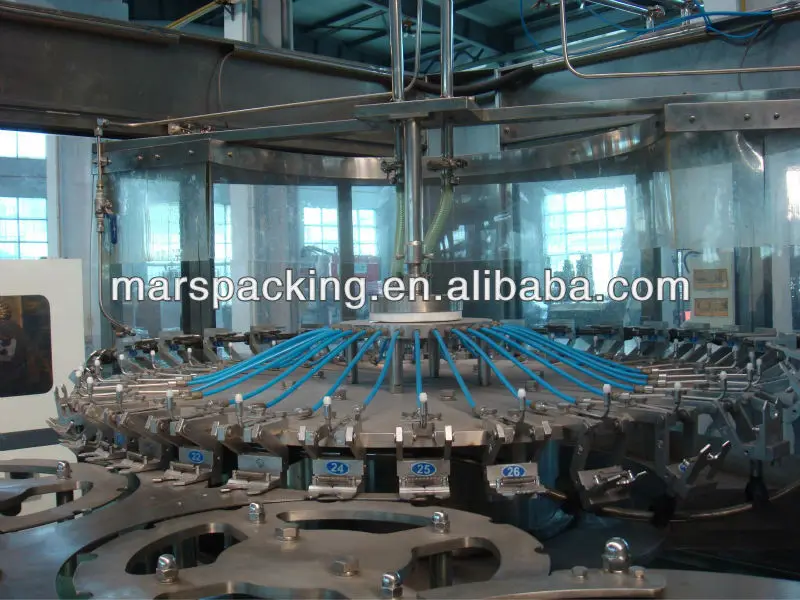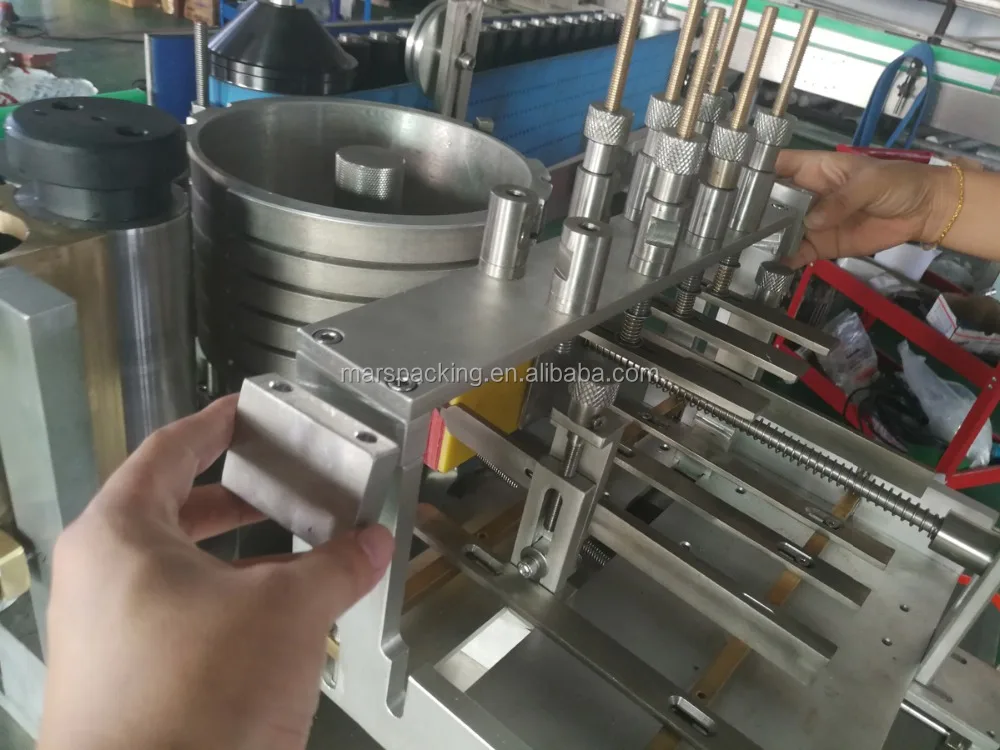
Mango Pulp Filling Machine for Efficient Packaging

All Categories

mango pulp filling machine

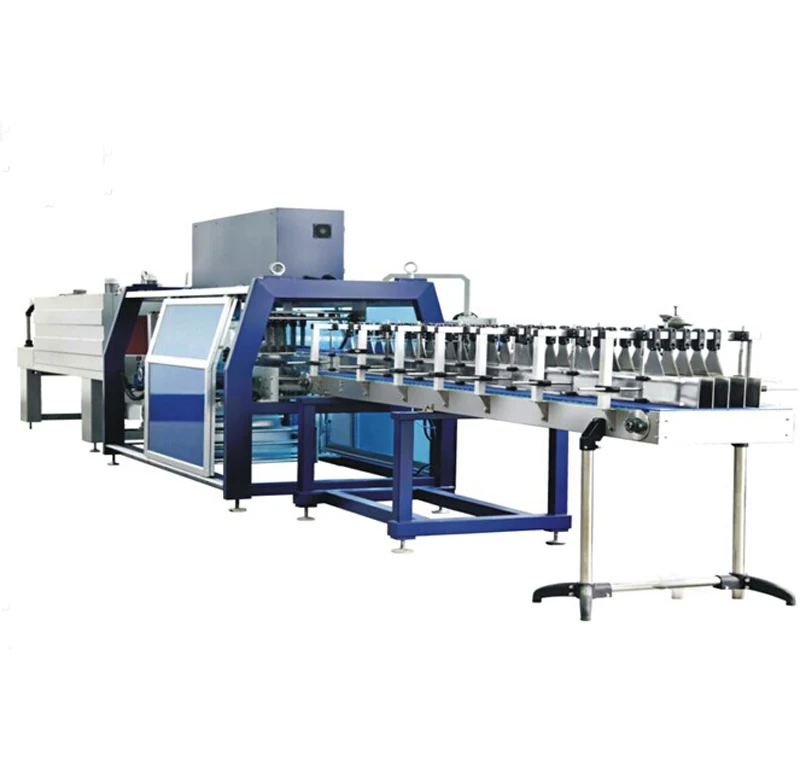
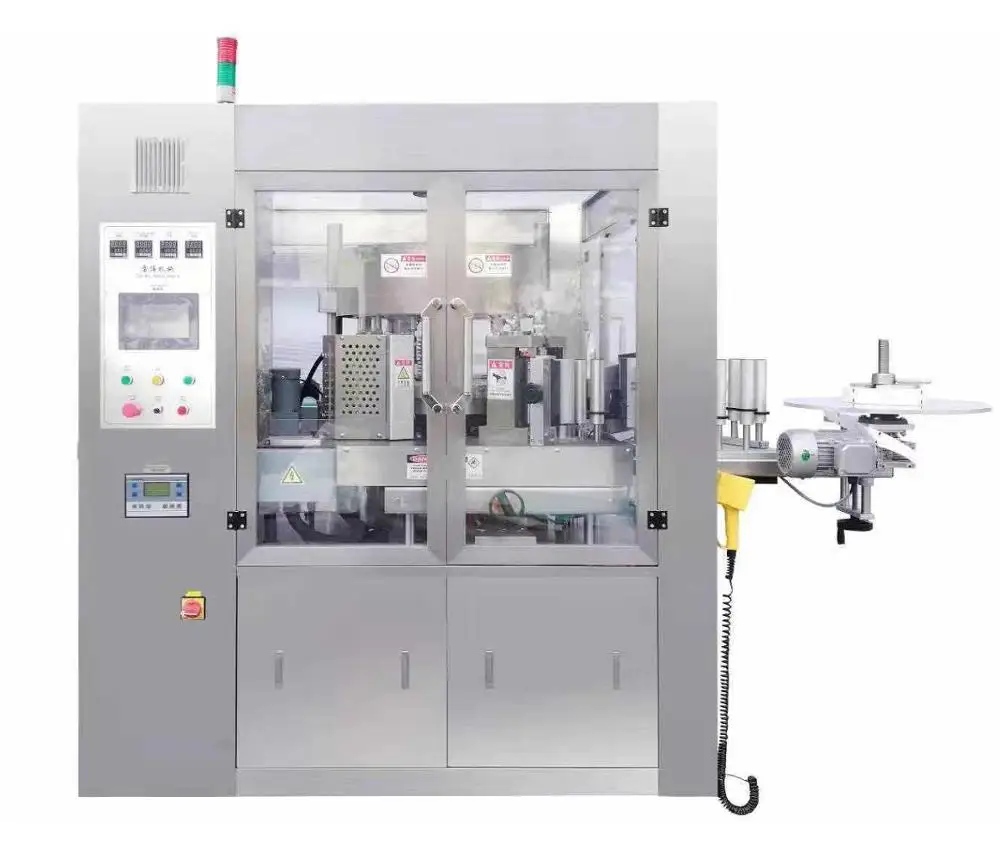
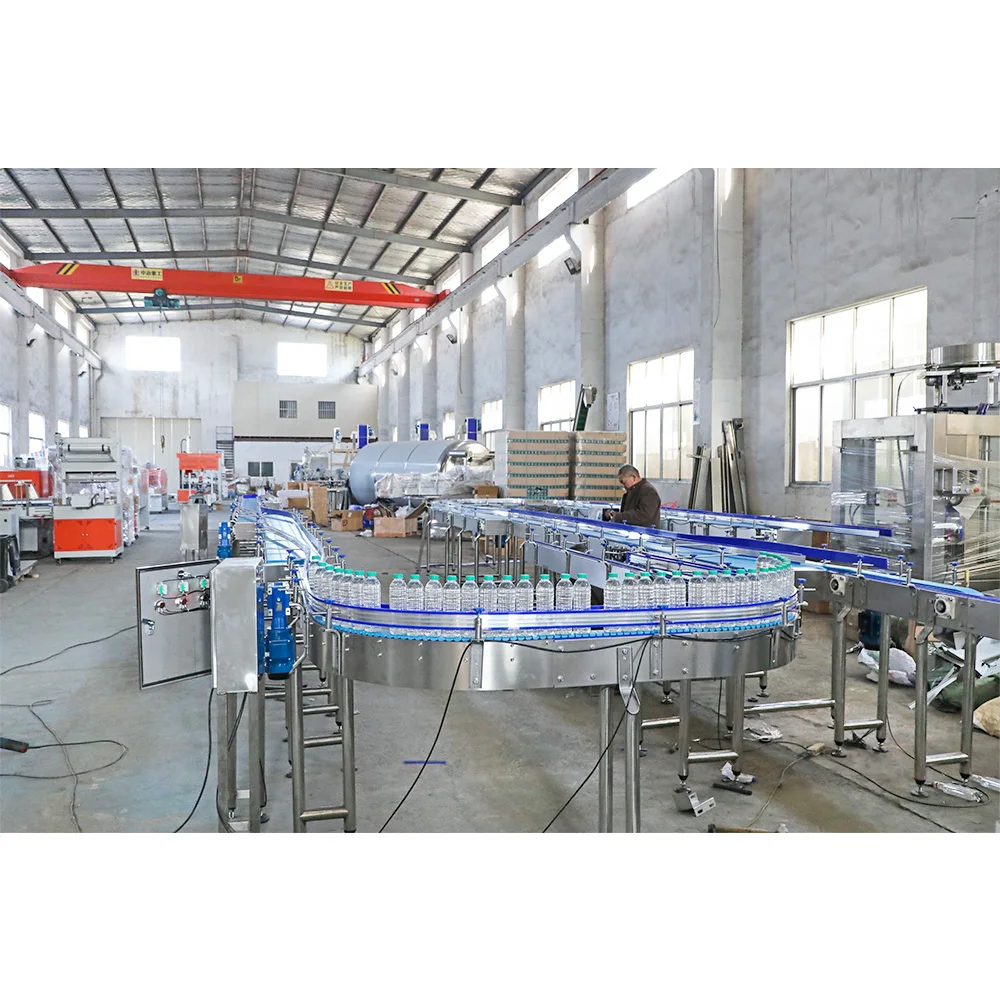
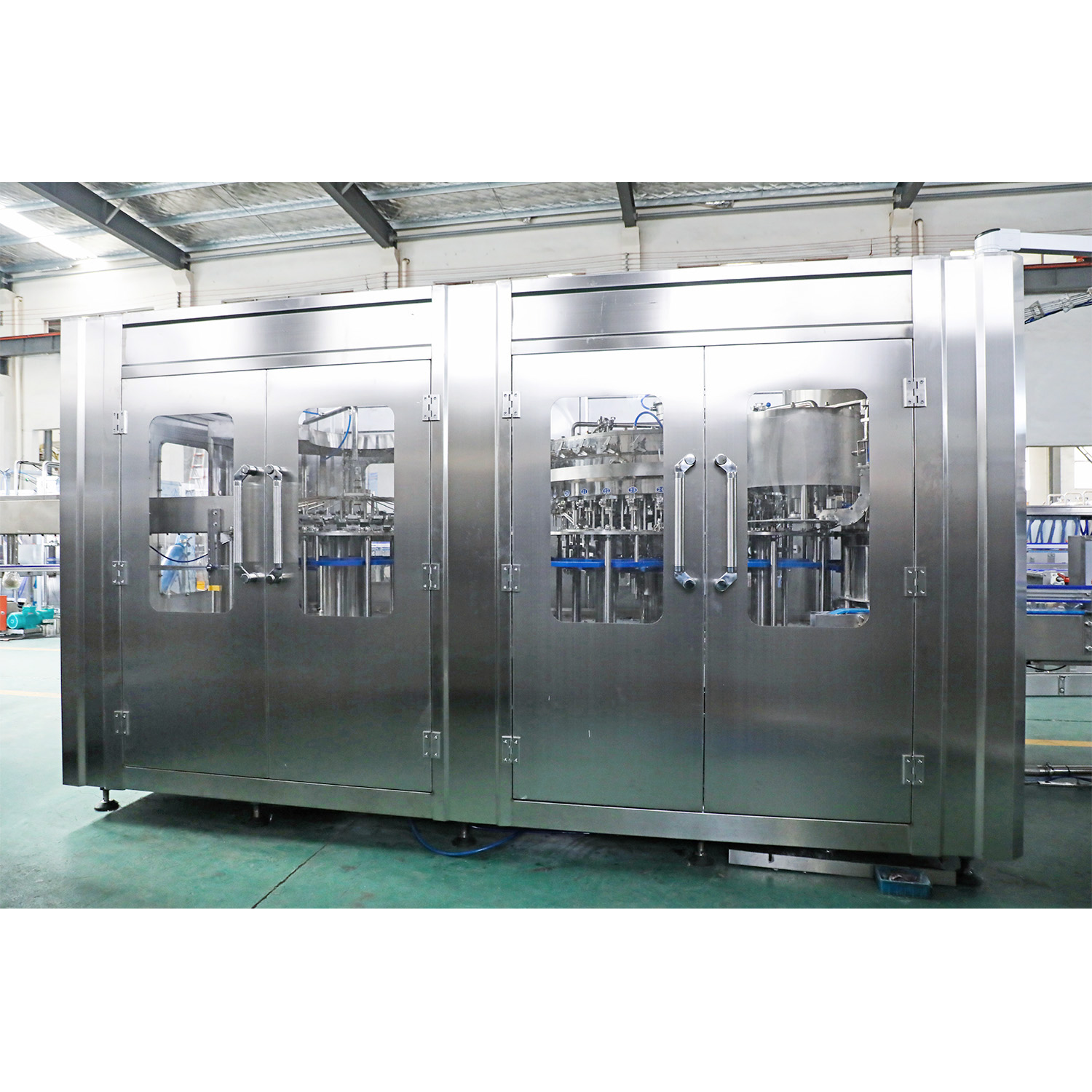
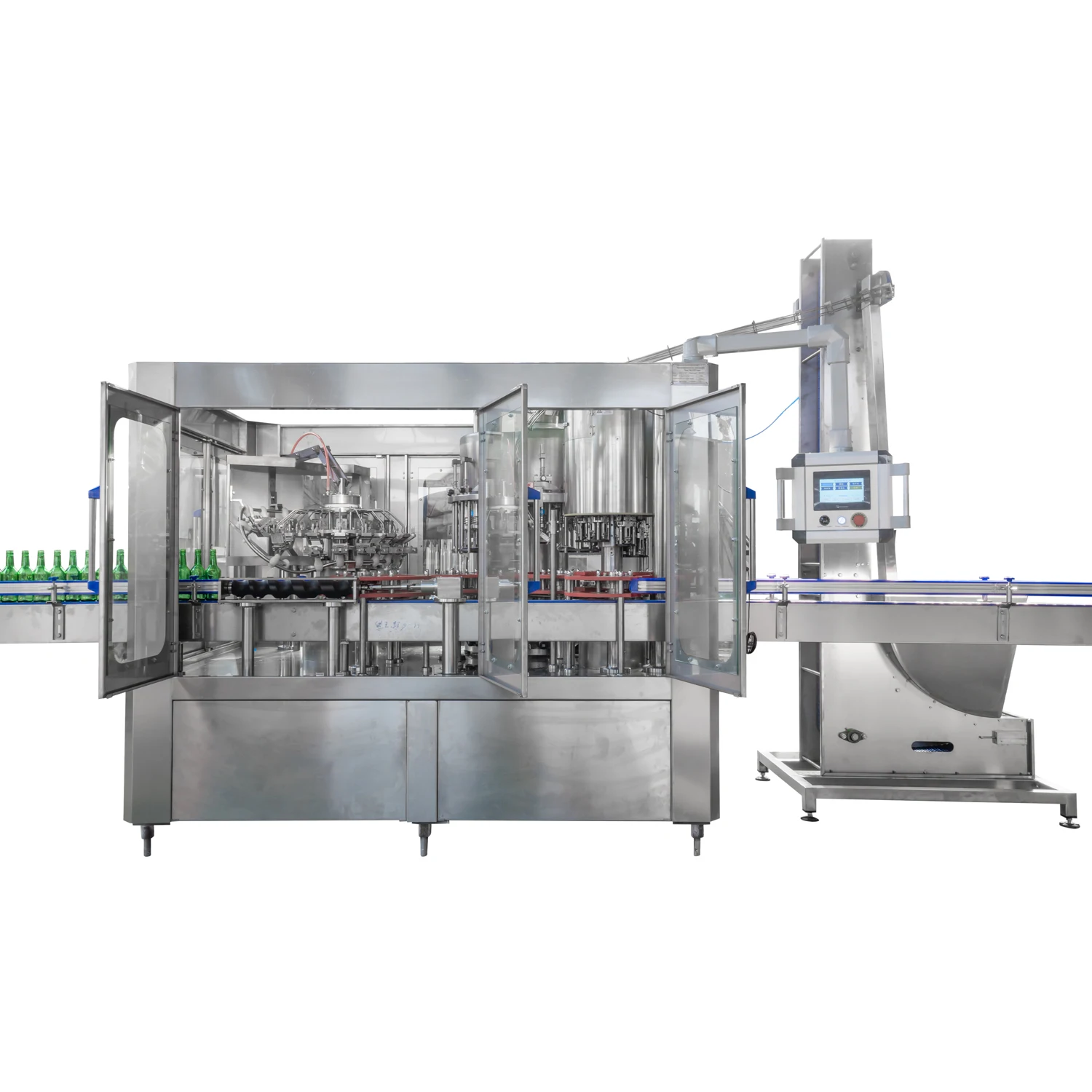
Mango  pulp filling machines  are essential  for manufacturers looking to  efficiently package  mango pulp in a variety  of  containers.  As  a key consideration for purchasing managers  and production engineers,  understanding the specifications, applications, and  installation processes of  these machines can greatly impact  operational efficiency and product quality. This article  will delve into the key specifications of mango  pulp  filling machines, explore pricing  options, discuss their applications in the food industry, provide installation guidance,  and highlight  cost factors to consider during purchase. A to Z Complete Full Automatic Mineral Water Plant Machine Project

Our Products

Wholesale Pricing Options for Mango Pulp Filling Machines

Wholesale Pricing Options for Mango Pulp Filling Machines

Pricing for mango pulp filling machines can vary widely based on  specifications, features, and the  manufacturer. Here are some key factors that influence pricing:

Machine  Specifications: Higher capacity machines with advanced automation and precision features  typically come at a premium. Buyers should assess their production volume and select a machine that meets their needs without over-investing.

Customization: Custom features, such as specific  container compatibility or unique filling mechanisms, can increase the cost. Buyers should communicate their specific requirements during the quotation process to  receive accurate pricing.


Manufacturer Reputation: Established manufacturers with a track record of  quality and service often have higher prices due to their reliability and post-purchase support. However, this can be a worthwhile investment for peace of mind.

Shipping and Installation Costs: Additional  costs  for shipping, customs duties, and  installation services must also be factored in. Understanding these costs upfront can  help buyers budget  more accurately.


Minimum Order Quantity (MOQ): Some suppliers may have MOQs that affect pricing. It's essential for buyers to  clarify these terms to avoid unexpected costs.


By discussing wholesale pricing options with manufacturers and  considering these factors, buyers can find a  machine that offers the  best  value for their specific application. Automatic PET Bottle Drinking Water Bottling Plant Machine
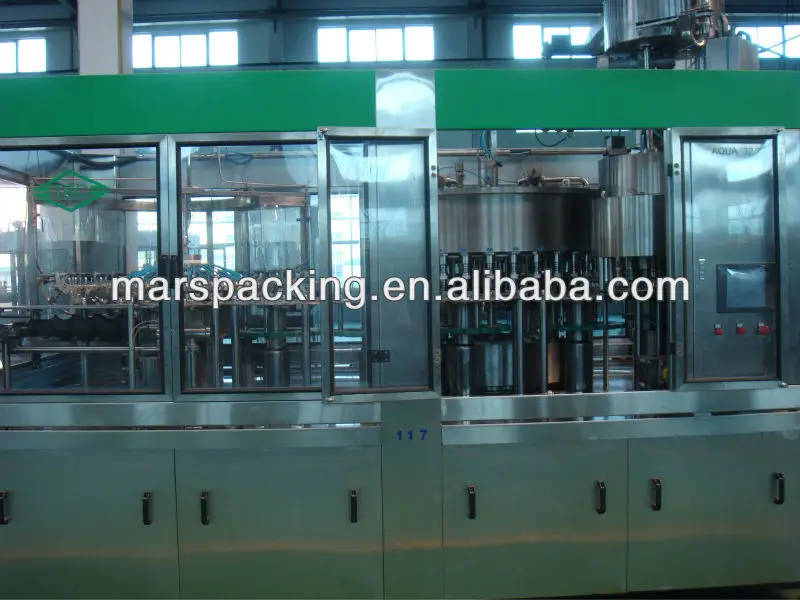
Applications of Mango Pulp Filling Machines in the Food Industry

Applications of Mango Pulp Filling Machines in the Food Industry

Mango pulp filling machines play a vital role in the food industry, particularly in the packaging of mango pulp for various applications:

Juice and Beverage Production:  Mango pulp is a popular ingredient in juice blends and flavored beverages. Filling machines  enable efficient  packaging for both large-scale  production and smaller  artisanal brands.

Desserts  and Yogurts: Manufacturers producing mango-flavored  desserts, ice creams, or yogurts utilize mango pulp filling machines to ensure  consistent portions and high-quality packaging.

Sauces and Condiments:  Mango pulp  can also be  used in sauces and marinades. The  filling machines must maintain product  integrity while  ensuring precise filling.

Catering and Bulk Packaging: For caterers or businesses requiring  bulk mango pulp, filling machines can facilitate quick and  accurate packaging, reducing labor costs and  increasing efficiency.

By understanding these applications, buyers can make informed decisions about  how a mango pulp filling machine  can  enhance their production capabilities.

Installation Guidance for Your New Mango Pulp Filling Machine

Installation Guidance for Your New Mango Pulp Filling Machine

Proper  installation is crucial for the optimal performance of mango  pulp filling machines. Here are some key steps to consider:

Site Preparation: Ensure that the installation site is clean and meets the space requirements for the  machine, including access to utilities such as electricity and water.

Professional Installation: It is advisable to engage the manufacturer’s installation service or a qualified technician. They can ensure that  the machine is set up correctly and compliant with  safety  standards.

Calibration and Testing: After installation, the  machine should be calibrated  to ensure accurate filling. Conduct  thorough testing  with water  or a similar  liquid before running actual product to confirm  functionality.


Operator Training: Ensure that operators are trained on the machine’s features, including startup, shutdown, and maintenance procedures. This knowledge  is essential for minimizing downtime and ensuring safety.

Regular Maintenance Schedule: Establish a maintenance schedule based on  the manufacturer’s recommendations. Regular  checks can prevent unexpected  breakdowns and extend the machine's lifespan.

By following these  installation guidelines, buyers can maximize the efficiency and reliability of  their mango pulp filling machines.

Cost Factors to Consider When Purchasing Mango Pulp Filling Machines

When purchasing a mango pulp filling machine, several cost factors  should be taken into account:

Initial Purchase  Price: The upfront cost is  often the most significant factor,  but it’s essential  to consider the total cost of ownership, including maintenance and operational costs.

Operational Efficiency: Machines that offer higher efficiency may have a higher initial  cost but can lead to significant savings in labor and material waste over time.


Energy Consumption: Energy-efficient machines may have  a higher purchase price but can reduce operating  costs in the long run. Buyers  should inquire about energy ratings and consumption estimates.

Warranty  and Support Costs:  A comprehensive warranty  can provide peace of mind, but buyers should also be aware of potential costs related to service agreements or extended warranties.

Future  Expansion: Consider potential future needs when selecting  a machine. Investing in  a more versatile machine that  can handle future production  increases can be cost-effective in the long term.

By assessing these cost factors, buyers can make a well-informed decision  that aligns with their budget  and production goals.

Key Specifications of Our Mango Pulp Filling Machine Explained

When evaluating mango pulp filling machines, several key  specifications should be considered to ensure optimal performance. These include:

Filling Capacity: The filling  capacity of a machine typically ranges from 500 to 5000 liters per hour, depending on production needs. A higher capacity machine may be  suitable  for larger operations but  could require  more  space and a higher  initial investment.

Container Compatibility: Machines should  be compatible with various container types, such as glass jars, plastic bottles, and pouches. The filling mechanism should be adjustable to  accommodate different sizes and shapes, allowing for flexibility in packaging.

Material Construction: The  filling machine should be constructed from food-grade materials, such as stainless steel, to ensure hygiene and compliance with food safety standards. This is crucial  in preventing contamination and maintaining product integrity.

Automation  Level: Consider whether a semi-automatic or fully automatic  machine best fits your production line. Fully automatic machines often increase efficiency but may come with a higher price tag.

Precision and  Accuracy: The filling accuracy  is essential for minimizing waste and ensuring consistent product quality. Machines should offer precise volumetric or weight filling options.

Ease of Cleaning  and Maintenance: Machines  designed with easy disassembly and cleaning features can save time and reduce  downtime during production. Regular  maintenance protocols should also be easy to follow.

Understanding these specifications will help buyers make informed decisions that align with their production requirements and operational goals. 6000L 10000L Industrial Reverse Osmosis Water Purification Filtration System

Frequently Asked Questions

What is the mango pulp filling machine used for?

It accurately fills mango pulp and similar thick fillings into containers for beverages, dairy or food applications, supporting continuous production lines and reducing manual labor.
Capacity ranges are customizable; machine supports bottles, jars, pouches and cans with adjustable volumes and nozzles to handle various container sizes.
Yes. It is designed for viscous products with positive displacement or piston pumps, adjustable speeds and gentle product handling to prevent damage.
Manufactured in an ISO9001 factory with CE compliance, ensuring quality, safety and export-ready standards for international markets.
Yes. Our in-house engineering team offers pre-sales consultation, installation guidance, commissioning and global after-sales support tailored to client needs.

Our Blog Posts

Water Filling Machine Nozzle Design: Preventing Dripping and Ensuring Clean Fills

17

Mar

Water Filling Machine Nozzle Design: Preventing Dripping and Ensuring Clean Fills

Water filling machines are crucial for ensuring we have pure, and hygienic drinking water. The design of these machines’ nozzles is a big factor in how well they perform. A quality nozzle can prevent dripping and also helps to ensure ...
View More
PET Bottle Blowing Machine Mold Changes: Quick Swap-Outs for Different Bottle Designs

07

Mar

PET Bottle Blowing Machine Mold Changes: Quick Swap-Outs for Different Bottle Designs

Making bottles is really big job! Companies who want make different kinds bottles, they use this machines called PET bottle blowing machines. These pet blowing machine is very important because help produce bottles fast and in various shapes. Bu...
View More
Filling Machine Material Construction: Corrosion-Resistant Parts for Acidic Juices

07

Mar

Filling Machine Material Construction: Corrosion-Resistant Parts for Acidic Juices

Filling machines they are really important in lots industry, specially for packing juices. When we make this machines, we have to think about what materials using. This is more true when deal with acidic juices, like citrus ones. Juices can be very h...
View More
Wet Glue Labeling Machine Speed Control: Adjusting for Different Label Sizes

01

Apr

Wet Glue Labeling Machine Speed Control: Adjusting for Different Label Sizes

Wet glue labeling machines is used in factories for putting labels on products fast and good. They works well for various kinds of labels, but they can have some troubles, specially with speed control. When labels size change, the machine speed need ...
View More

Get a Free Quote

Our representative will contact you soon.
Email
Name
Company Name
Message
0/1000

Related product categories

Get a Free Quote

Our representative will contact you soon.
Email
Name
Company Name
Message
0/1000