 EN
Mango juice filling machines are essential for businesses looking to efficiently package mango juice products. These machines streamline the filling process, ensuring precision, speed, and hygiene in production. B2B buyers typically prioritize factors such as production capacity, customization options, maintenance, and installation guidance when selecting a filling machine. This article will provide insights into what to consider when choosing a mango juice filling machine, installation guidance, common issues and their solutions, quality standards, and applications in the beverage industry.
Installation Guidance for Your Mango Juice Filling Machine
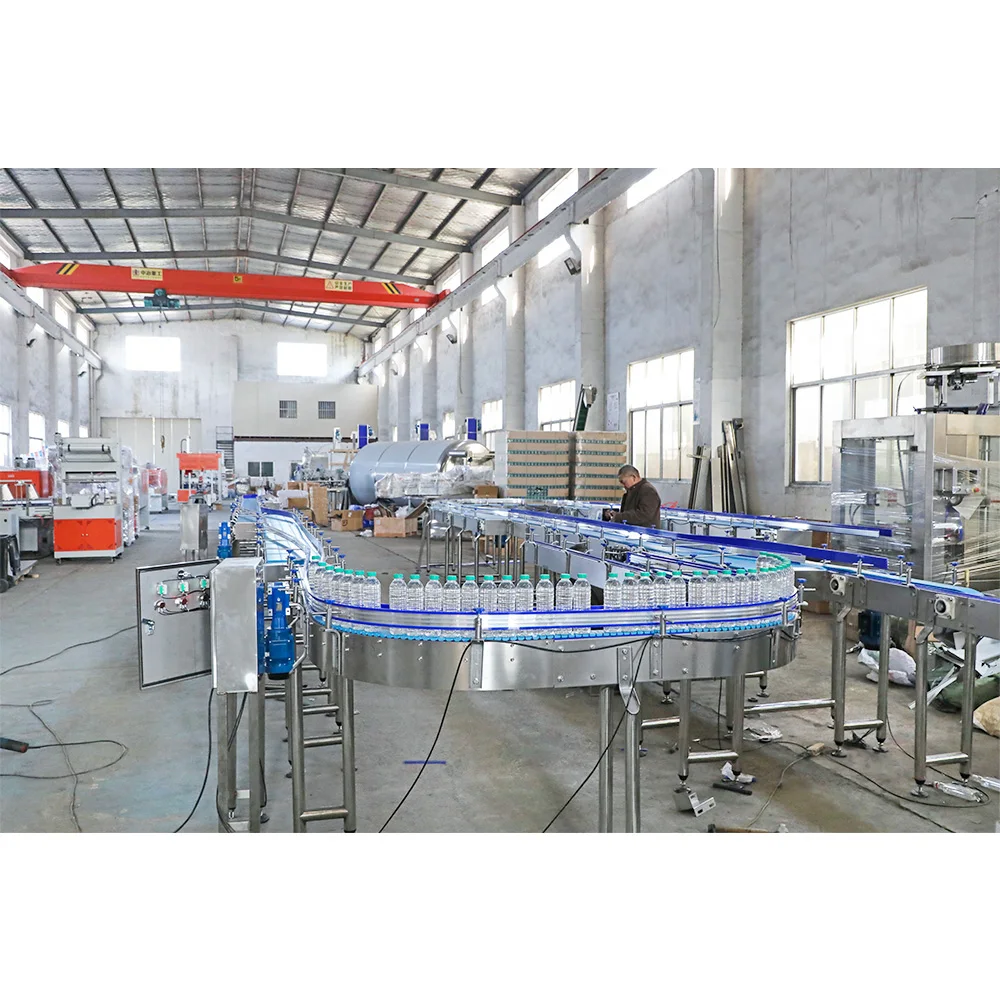
Proper installation of a mango juice filling machine is crucial for optimal performance. Begin by ensuring that the installation site meets the machine's requirements, including space, power supply, and environmental conditions. The machine should be placed on a stable surface to minimize vibration during operation.
Before installation, review the manufacturer's guidelines for specific setup instructions. This typically includes connecting the machine to the power supply, water supply for cleaning, and any necessary pneumatic connections. It's advisable to involve your in-house engineering team or consult the manufacturer’s technicians for assistance during installation to avoid common pitfalls.
After installation, conduct a thorough inspection to ensure all components are correctly assembled. Perform initial testing with water or a similar liquid to check for leaks and verify that the filling volume is accurate. Adjustments may be necessary to calibrate the machine for optimal performance. Always refer to the operational manual for troubleshooting tips and maintenance schedules.