Choosing the Right Monoblock Filler for Your Business

All Categories

monoblock filler

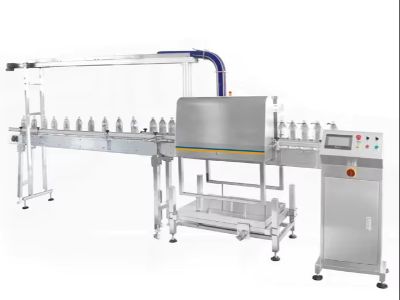
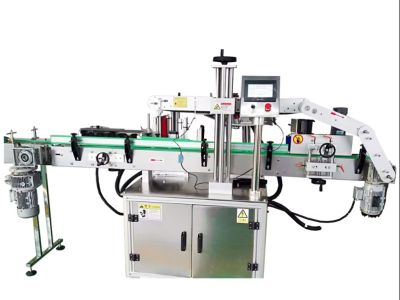
A monoblock filler  is a sophisticated piece of  machinery designed for  efficiently filling and  packaging  liquids  across various industries, including beverages and dairy. For purchasing  managers and decision-makers in  manufacturing, selecting the  right  monoblock  filler is  crucial, as it affects production efficiency, product quality, and overall operational  costs.  This article will  provide insights into  choosing the right monoblock filler, assessing quality control during  manufacturing,  exploring  key applications, sourcing options, and  evaluating cost factors.

Evaluating Quality Control in Monoblock Filler Manufacturing

Quality control is a fundamental aspect  of  monoblock filler manufacturing that  directly impacts the  performance and reliability of the equipment.  A reputable manufacturer should have strict quality assurance processes in place, such as  ISO9001 and CE certifications, which indicate compliance with international quality standards.

During  the production  process, buyers should inquire about the quality  inspection steps taken at each stage, from material  selection  to final assembly. Inspecting materials for durability and  compatibility with the intended liquid is crucial. Additionally, testing the machine under  actual operating conditions before  shipment ensures that it meets performance specifications.

Buyers should  also  request documentation of quality tests, including pressure tests and filling accuracy  validations. A solid quality assurance program helps prevent common  issues  like leakage and  inconsistent fill levels, which can lead to product waste and increased costs.
Key Applications for Monoblock Fillers in Beverage Production

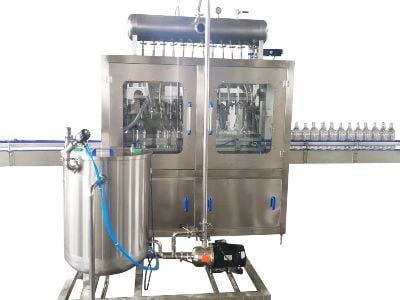
Monoblock fillers are versatile  and find applications across various sectors, particularly in beverage  production. In the water industry, these fillers are designed  to handle high-speed  bottling processes while maintaining  hygiene standards. For carbonated  beverages,  specific models are equipped with pressure  filling capabilities to prevent foaming and ensure accurate fill levels. For example, the CGF40/40/12 18000BPH Rotary Monoblock PET Bottle Mineral Water Filling Machine is tailored for such applications.


In the dairy sector, monoblock fillers must comply  with stringent sanitation regulations.  The equipment  should be designed for easy cleaning and maintenance  to meet  safety standards while handling products like  milk and yogurt. Additionally, customization options can facilitate  different packaging formats, such as bottles,  cartons, or pouches.

Moreover, the versatility of monoblock fillers allows for quick  changeovers between different product types and container sizes, making  them ideal for manufacturers looking to diversify their product lines or respond quickly to  market demands.

Where to Source Reliable Monoblock Fillers for Wholesale Purchasing

Sourcing reliable monoblock fillers requires careful consideration of  suppliers. Start by  researching  manufacturers with a proven track record in the industry. Look for  companies that specialize  in liquid filling and packaging machinery, as they are more  likely to understand the specific needs of  your business.

Review customer testimonials and case studies to gain insights into the manufacturer's reputation and reliability. Additionally, attending  industry trade  shows can provide opportunities  to see the equipment in action and interact with suppliers  directly.

For  wholesale purchasing, consider reaching out to manufacturers like  Mars Packing Machinery, which has experience serving clients in  over  40 countries. Inquire about their  customization  capabilities, lead times, and  support services to ensure you select  a supplier that aligns with your operational  goals.

Comparing Cost Factors for Different Monoblock Filler Models

When comparing the cost of different monoblock  filler models, several factors come into play that  can significantly impact total expenses. Initially, evaluate the upfront cost of the equipment, which can vary based on features, capacity, and customization options.  While it may be tempting to opt for the lowest-priced option, consider the long-term implications of your choice.

Operational costs, including  energy consumption, maintenance requirements,  and the  potential need for spare parts, should also be factored into your budget. For instance, a highly efficient model may have a higher upfront cost but can lead to significant  savings in energy and labor over time.

Additionally, assess the machine's reliability and expected lifespan. Investing in a durable,  well-designed monoblock  filler can  reduce the frequency of  repairs and downtime, ultimately leading to greater productivity and lower overall costs.


Lastly,  inquire about the minimum order quantities (MOQs) and payment terms offered by suppliers. These  terms can affect your cash flow and should be considered when evaluating the total cost of ownership for your  chosen monoblock filler.

Selecting the right  monoblock filler involves careful consideration of your operational needs, quality control measures, suitable applications, sourcing options, and cost factors.  By understanding these elements,  purchasing managers can  make informed decisions that enhance production efficiency and product quality.

How to Choose the Right Monoblock Filler for Bulk Orders

When selecting a monoblock  filler for bulk orders, several critical  factors must be considered. First, assess the type of liquid to  be filled.  Different liquids,  such as carbonated beverages, water, or dairy products, require  unique filling techniques and equipment  compatibility. Ensure that  the filler can handle  the viscosity  and carbonation level of your product.

Next,  examine the production capacity. Determine your operational needs regarding speed and volume. Monoblock fillers vary in their ability  to handle different outputs, so it's vital to choose a model that aligns with your production schedule and scalability requirements. For instance, the Turnkey Project a to Z Automatic 9000BPH CGF24-24-8 PET Bottle Mineral Water Filling Machine is designed to meet high-speed demands.

Customization capabilities are also essential. Many manufacturers, including Mars Packing Machinery, offer tailored solutions to accommodate specific product types, container  sizes, and  filling techniques. Discuss your unique requirements with potential suppliers to ensure the equipment can  be adapted to your needs.


Finally, consider the machine's  ease of operation and maintenance. Features such as user-friendly interfaces, automated cleaning  systems, and accessible parts for maintenance can significantly reduce  downtime and operational  costs.

Our Blog Posts

Spirit Bottling Line Precision: How to Achieve 0.5ml Filling Accuracy for Whiskey

17

Mar

Spirit Bottling Line Precision: How to Achieve 0.5ml Filling Accuracy for Whiskey

Precision is key in spirit bottling lines, ensuring that the whisky being bottled meets exacting standards. As a packaging company we know that being accurate up to 0.5ml matters when whiskey filling lines are concerned. Such precision guarantees tha...
View More
Beer Bottling Line Temperature Control: Keeping Lines Cool to Preserve Beer Freshness

18

Oct

Beer Bottling Line Temperature Control: Keeping Lines Cool to Preserve Beer Freshness

Temperature management of beer bottling line is a key to maintain beer's fresh and quality level. Keeping the temperature just right means the beer will remain fresh and tasty until it reaches consumers. Mars has an array of offerings to keep your be...
View More
Complete Bottling Line Training: Teaching Operators to Manage All System Components

20

Nov

Complete Bottling Line Training: Teaching Operators to Manage All System Components

When you think about a bottling line, it’s not just machines doing this work on their own. It’s a full system where all the parts have to row in the same direction smoothly. At Mars, we've learned that it really makes a difference by training operato...
View More
Adhesive Labeling Machine Label Material: Choosing Durable Labels for Refrigerated Products

31

Mar

Adhesive Labeling Machine Label Material: Choosing Durable Labels for Refrigerated Products

When it comes to labeling products that go in a fridge, picking the right kind of labels is really important. These labels need to stick well and not come off, even if they get cold or wet. At Mars, we get how key it is for businesses to have tough l...
View More

Get a Free Quote

Our representative will contact you soon.
Email
Name
Company Name
Message
0/1000

Related product categories

Get a Free Quote

Our representative will contact you soon.
Email
Name
Company Name
Message
0/1000