Choosing the Right Monoblock Filler System

All Categories

Monoblock filler system

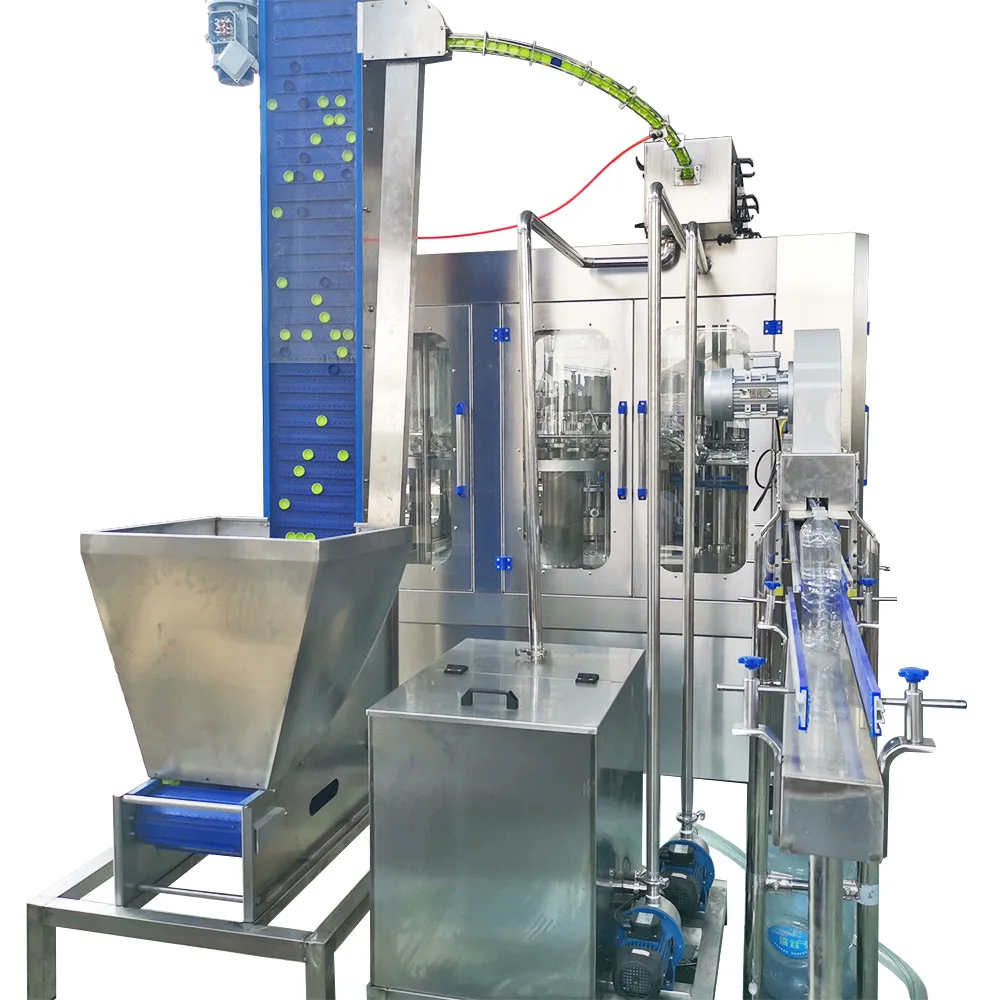
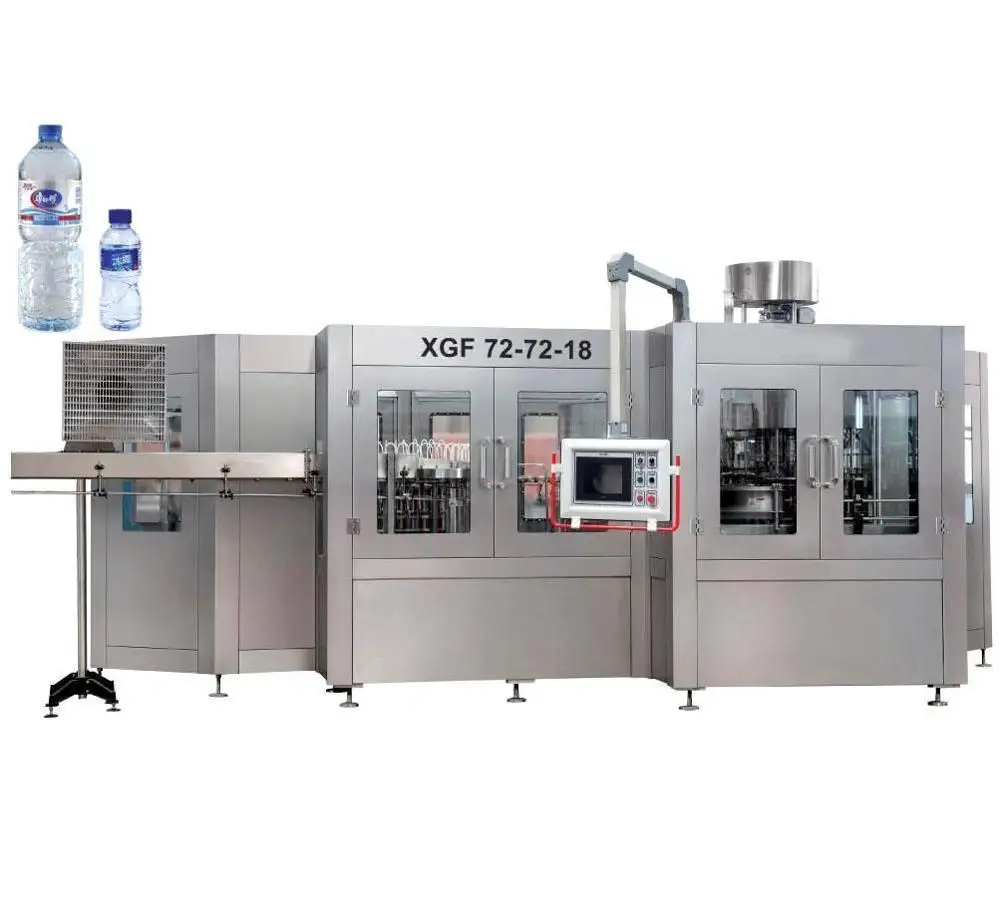
Choosing the right Monoblock filler system is crucial for businesses in the beverage, dairy, and other liquid packaging industries. This equipment streamlines the filling and capping processes, ensuring efficiency and consistency. Buyers often have concerns about quality, customization options, and cost-effectiveness. This article will guide you through the essential considerations for selecting a Monoblock filler system, how to evaluate its quality, cost factors, installation guidance, and key features that can enhance your production line. 
Our Products

How to Evaluate the Quality of Monoblock Fillers for Bulk Orders

Quality assessment is crucial when considering bulk orders of Monoblock fillers. Here are key evaluation points: 

Material Specifications: Examine the materials used in the construction of the filler. Stainless steel is often preferred for its durability and resistance to corrosion, especially in food and beverage applications. 

Quality Control Processes: Inquire about the manufacturer’s quality assurance procedures. A reliable supplier should have rigorous testing protocols in place to ensure that each machine meets specified performance standards before shipment. 

Performance Testing: Request performance data or case studies from the manufacturer. Real-world examples can provide insight into how the filler operates under various conditions and its reliability over time. 

Sample Approval: Before placing a bulk order, insist on receiving a prototype or sample unit for testing. This allows you to assess the performance, ease of use, and fit with your existing production line. 

Cost Factors to Keep in Mind When Purchasing Monoblock Fillers

Understanding the cost components involved in purchasing a Monoblock filler system can help you make informed decisions:

Initial Investment: The upfront cost of the machine is the most apparent factor, but it’s essential to consider the long-term return on investment (ROI). A higher-quality machine may have a larger initial price but can lead to reduced maintenance and operational costs. 

Customization Costs: If you require specific modifications or additional features, be prepared for increased costs. Discuss customization options upfront to avoid surprises later. 

Maintenance Expenses: Factor in ongoing maintenance costs, including spare parts and service fees. Choose a machine that is easy to service and has readily available parts to reduce downtime. 

Operational Costs: Assess the energy consumption and labor costs associated with running the machine. Efficient automatic bottle filling system may save money in the long run by reducing energy use and labor requirements. 

Shipping and Installation: Don’t overlook logistics costs, including shipping and installation. Ensure that these are clearly outlined in the quotation to avoid unexpected expenses. 

Installation Guidance for Efficient Use of Monoblock Filler Systems

Proper installation of your Monoblock filler system is critical to its performance. Here are some practical tips: 

Site Preparation: Ensure that the installation site is clean, well-ventilated, and has adequate power supply and water connections. The layout should facilitate easy access for maintenance and operation. 

Professional Installation: Consider hiring professionals for the installation process. Mars Packing Machinery offers installation services, ensuring that the Monoblock filler system is set up correctly for optimal performance. 

Training for Operators: Provide comprehensive training for your operators on how to use the Monoblock filler system effectively.  Understanding the machine’s features and capabilities can enhance productivity and minimize errors. 

Testing After Installation: Once installed, conduct thorough testing to ensure that the Monoblock filler system operates as intended. Monitor the filling accuracy and capping process to identify any necessary adjustments. 

Key Features and Advantages

Monoblock filler systems come with a variety of features that can enhance their functionality: 

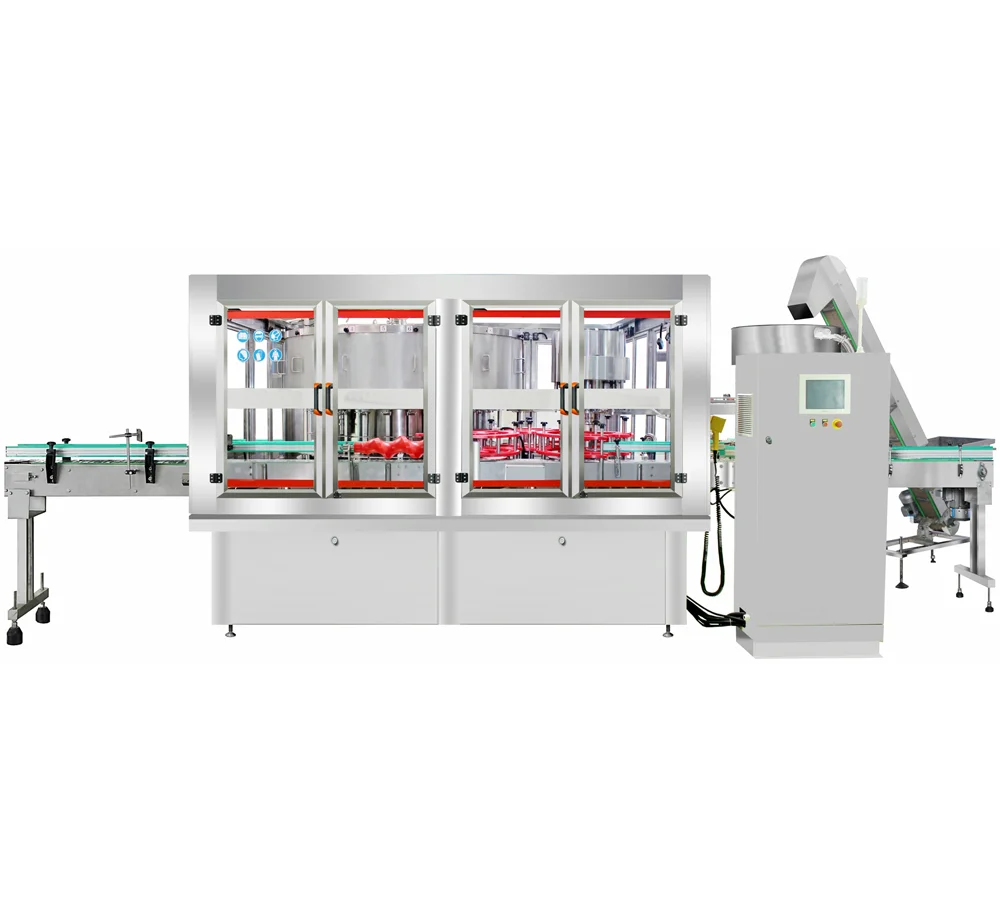
Integrated Design: The Monoblock design combines multiple processes into a single unit, saving space and improving efficiency. This integration reduces the need for separate machines, leading to a more streamlined operation. 

Filling Accuracy: Advanced filling technologies, such as volumetric or gravimetric filling, ensure precise fill levels, which is crucial for maintaining product quality and consistency. 

Versatility: Many Monoblock fillers can handle various container types and sizes, making them suitable for diverse product lines. This adaptability can be a significant advantage for businesses that frequently change their offerings. 

User-Friendly Interface: Modern rotary can filler often feature intuitive touch-screen interfaces, allowing operators to easily adjust settings and monitor production in real time. 

Enhanced Safety Features: Safety mechanisms, such as emergency stop buttons and automatic shut-offs, protect operators and equipment from potential hazards. 

By considering these factors, you can make an informed decision when selecting a Monoblock filler system that meets your operational needs. Investing in the right equipment can significantly enhance your production efficiency, product quality, and overall profitability. 

What to Consider When Choosing a Monoblock Filler System for Your Business

When selecting a Monoblock filler system, several key factors must be taken into account: 

Application Suitability: Ensure the system is designed for the specific type of liquid you intend to fill, such as water, beverages, or dairy products. Different liquids have varying viscosity and carbonation levels, which affect the filling process. 

Production Capacity: Assess your production needs. Determine how many bottles or containers you plan to fill per hour and ensure the water bottling systems can meet this demand. Mars Packing Machinery provides various models tailored to different production scales. 

Customization Options: If your product line includes different bottle sizes or shapes, choose a Monoblock filler system that offers adjustable filling nozzles and capping stations. Customization can enhance flexibility and efficiency, allowing for quick changeovers between products. 

Automation Level: Evaluate the degree of automation required for your operations. Fully automated Monoblock filler systems can significantly reduce labor costs and minimize human error, while semi-automated systems may be more cost-effective for smaller operations. 

Compliance and Certifications: Ensure that the Monoblock filler system complies with relevant industry standards and possesses necessary certifications such as ISO9001 and CE, which indicate quality and safety. 

Frequently Asked Questions

What is the monoblock filler system used for?

The monoblock filler system fills, caps and conveys liquid products in a single integrated machine, ideal for water, beverages, beer and dairy production lines.
Capacities vary by model; options range from low-speed pilot units to high-speed lines. Contact us with target bottles/min for a tailored recommendation.
Yes. The monoblock supports a wide range of bottle shapes and sizes via adjustable parts and quick-change format sets supplied by our engineering team.
We offer pre-sales consultation, on-site installation, start-up, operator training and remote technical support from our in-house engineering team.
Our factory holds ISO9001 and CE certifications. Machines undergo quality checks and testing before shipment to ensure reliability and safety.

Our Blog Posts

Spirit Bottling Line Precision: How to Achieve 0.5ml Filling Accuracy for Whiskey

17

Mar

Spirit Bottling Line Precision: How to Achieve 0.5ml Filling Accuracy for Whiskey

Precision is key in spirit bottling lines, ensuring that the whisky being bottled meets exacting standards. As a packaging company we know that being accurate up to 0.5ml matters when whiskey filling lines are concerned. Such precision guarantees tha...
View More
Beer Filling Machine Counterpressure Filling: Preserving Beer Carbonation During Filling

16

Jan

Beer Filling Machine Counterpressure Filling: Preserving Beer Carbonation During Filling

Beer is a favorite drinks of millions of men and women worldwide. Beer, when brewed, is put in the bottles or cans. The process is vital because the way in which beers is filled determines its taste and how much it bubbles.  IntroductionCou...
View More
Water Filling Machine Batch Logging: Recording Production Data for Compliance

09

Mar

Water Filling Machine Batch Logging: Recording Production Data for Compliance

Water is very important for life, and filling machines help put that water into bottles fast and safe. At Mars, we produce really good water filling machine that companies use to make bottled water. One key thing in these machines is batch ...
View More
Beer Filling Machine Line Cleaning: Scheduling CIP Cycles to Avoid Cross-Contamination

09

Mar

Beer Filling Machine Line Cleaning: Scheduling CIP Cycles to Avoid Cross-Contamination

Keeping beer filling machines clean is super important. When we talking about cleaning, we often say CIP, or Clean-In-Place. This mean you clean the machines without take them apart, right there where they stand. If you schedule these CIP cycles good...
View More

Get a Free Quote

Our representative will contact you soon.
Email
Name
Company Name
Message
0/1000

Get a Free Quote

Our representative will contact you soon.
Email
Name
Company Name
Message
0/1000