
 EN
EN
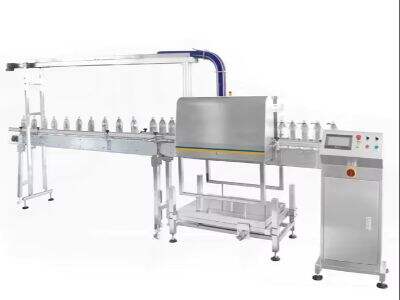
When you think about a bottling line, it’s not just machines doing this work on their own. It’s a full system where all the parts have to row in the same direction smoothly. At Mars, we've learned that it really makes a difference by training operators on every part of this system. Operators who know how to run the entire line, filling bottles, and then labeling and packing them up, can help guarantee that the process goes smoothly. You can’t understand everything all at once! But properly trained operators are confident and prepared for anything. Occasionally machines shut down, or behave oddly. When engineers know what they are looking at and how a part functions, they fix stuff more quickly. This keeps the line moving and saves both time and money for the company. This is what makes training complete: learning about all the pieces, not just one. Mars is proud to train this way, developing operators to the best they can be
How to Master Bottling Line Operations for Efficient System Management
Running any bottling line involves understanding each little machine part and how it fits together, not just pushing buttons like a blind monkey. At Mars, we train operators to watch what they were doing. For instance, the filling machine must dispense the correct quantity of liquid. But when the conveyor belt runs too slowly or gets clogged, it can be difficult for the filling machine to do its job. Operators learn to look for the belt and correct jams rapidly. They also receive some hands-on time with the labeling machine, which ensures that the proper label finds its way on to each bottle sharpening its understanding. If the label is crooked or doesn’t exist, the product looks bad and could end up in a waste bin. That’s something operators learn how to adjust: The label rollers and sensors, so that these things don’t happen. Occasionally the bottle cap machine may not tighten caps properly. There would be some need for operators to look at the torque settings here and tighten things up carefully.” Mars explains all these details through examples and exercises. We want operators to think, ‘I’m in the driver’s seat,’ not just guessing. It’s OK to be overwhelmed at first, but everything makes sense step by step. We interleave short talks with longer practice sessions so operators don’t get bored or lost. Operators who are trained this way know how one problem on one machine can slow down the entire line. And they learn that the best way to fix a small problem is before it becomes big. This is a time and money saving principle, not to mention keeping the customer satisfied. We’ve seen operators go from uncertain to capable of operating the entire system with ease. That is the objective, insuring that, collectively, the line functions like a fine-tuned engine
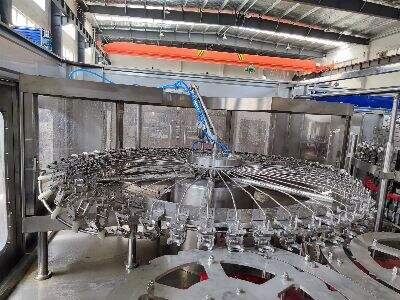
Bottling Line Training: How It Enhances Product Quality & Decreases Down Time
Well-trained operators not only help the machines run, but they make the product better. At Mars we take our responsibilities for marketing our brands appropriately very seriously and have a rigorous review process in place. When a bottle is too full or not full enough, customers are getting upset. These problems can be spotted early by operators who are familiar with the machines. For example: If the filler is leaking, an operator trained by Mars will see the drip and stop the line from wasting hundreds of bottles. Also, if the labels get left off or wrong, operators can fix it fast — bad products don’t end up in stores. This type of training cuts waste and saves money. Downtime is when the line isn’t operating at all. This can occur for any number of reasons: a jam, a broken part or even a sensor not working. Without adequate training, operators may wait for a technician to arrive — a delay that can be costly. With Mars training, operators learn how to do basic fixes themselves. Such as verifying whether a bottle is adhered or cleaning a sensor. This fast turn-around translates to less downtime. “Operators enjoy being able to solve things on their own,” he added. It builds their confidence and it makes the job less stressful. We hear a lot of stories of operators saying: ‘Training changed the way I see my job. They’ve stopped dreading breakdowns, and have started to welcome them as do-iit-yourself challenges. This mindset is a”hack” for the whole team, and helps production stay strong. Every bottle that rolls off of the line good quality shows us training for the operator really did make an impact! Mars thinks that this kind of learning is not only intelligent; it’s essential for success
What Types of Bottling Line Issues are Covered in Training by Mead
Bottling-line work is finicky, because so many things have to go right to ensure bottles are filled, sealed and packed properly. At Mars we know the challenges operators face on a daily basis. Machines, for instance, could come to a sudden halt; bottles can break or the filling levels may be incorrect. Those hiccups slow the process and can lead to waste or damage. And professional training can help operators recognize such problems early and solve them fast. Training at Mars instructs employees on the function and operation of each part of its bottling line, fillers, Cappers, Labelers and conveyors. When operators understand how each machine plays a part in the system, they comprehend why an issue at one location causes problems throughout the entire line. For instance, if a capper is insufficiently tightening caps to bottles, bottles may leak resulting in spills and product waste. One of the training modules is designed to show how do regular checks and simple maintenance, so machines run smoothly. Learning to clean and adjust it, as well as replace small parts that wear out, will save you far bigger problems down the line. Another problem is the need to keep the line running quickly but safely. One of the key roles, according to professional training, is for operators to balance speed with rules that ensure no one gets hurt and the product remains good. By and large, overall training on Mars’ full bottle line is necessary to give operators the confidence needed to operate all sections of the system. That cuts down time wasted improving product quality and keeps the line running without expensive sidesteps
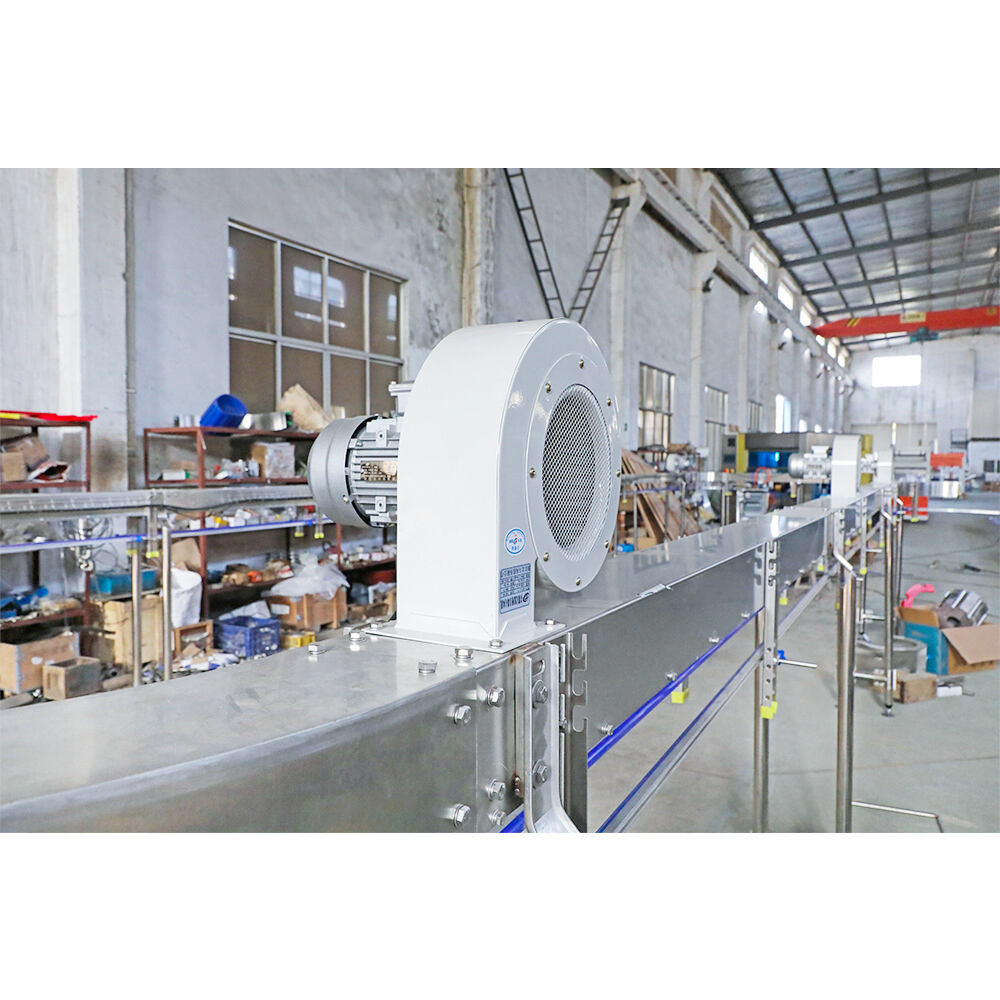
Complete Bottling Line System Knowledge for the Benefit of Wholesale Buyers
Wholesale clients, who purchase such products in big quantities, will benefit a lot when the operators of these equipments are fully aware of the operation mechanism of the system. At Mars, we have spent decades understanding how all of the processes throughout the entire bottling process play a role in not only bringing buyers better products and service, but also helping as an asset to our communities. By training operators to handle all aspects of the line, bottles can be made quickly and with fewer errors. This ensures wholesale customers always have products delivered on time, and line up with the details. For instance, if an operator has a particular quick fix for a labeling machine problem, the buyer can ensure that bottles won’t be left with missing or incorrect labels on them. That saves money and makes the customers happy. And too, when bottles and product are wasted during the bottling process or when there is down time on a system that operates so much of the time that it is only shut down with difficulty, costs rise. This can reduce costs, and sometimes that leads to better pricing for what are known as wholesale buyers. Another advantage is that Mars-trained operators can handle multiple bottle and product types. This provides buyers with greater breadth to choose from different sizes or flavors, for example, without the worry of production interruptions. Buyers are also more comfortable when they know the company providing their product is using full training.” It demonstrates that quality and reliability matter to the company. In the end, wholesale buyers receive a better value and service when operators comprehend the entire bottling line. Mars’ training also contributes to this by training employees to run all components of the system properly
Where to Learn Troubleshooting the Bottling Line for Success
The ability to locate and remedy problems with a bottling line quickly is key in ensuring everything runs well. Mars provides unique training programs that allow the operators to understand how to trouble-shoot and operate more efficiently. They teach step-by-step how to solve a problem. For instance, if problems arise when bottles have not filled properly, operators are taught to check the filler machine, the size of bottle or pressure settings. This means no time wasted on guessing or waiting for help. More involved in Ms. Mars’ training is hands-on practice. Operators get hands-on to use actual machines and gain some experience solving common problems. This makes them more skilled and confident. Learning troubleshooting is also learning how one part of the system affects other parts. If, for instance, the speed of the conveyor belt is too fast, targets may tumble and shatter downstream. Operators trained on Mars learn how to think in terms of one problem begetting another, and how to solve them all at the same time. Another critical aspect of troubleshooting education is training to avoid the issues in the first place. This includes periodic checks and maintenance duties. Mars teaches operators to develop checklists and schedules that maintain machines in top condition. Training can be delivered on-site or via plain, simple online courses that enable workers to learn at their own pace. With the proper knowledge of troubleshooting, operators can minimize downtime and ensure an optimal performing bottling line. Mars is pleased to offer this training as an opportunity for operators to learn how to troubleshoot and take care of problems that can hinder production
Table of Contents
- How to Master Bottling Line Operations for Efficient System Management
- Bottling Line Training: How It Enhances Product Quality & Decreases Down Time
- What Types of Bottling Line Issues are Covered in Training by Mead
- Complete Bottling Line System Knowledge for the Benefit of Wholesale Buyers
- Where to Learn Troubleshooting the Bottling Line for Success