 EN
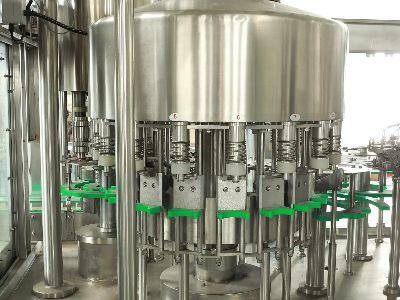
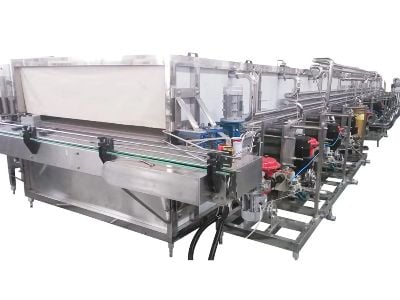
Monoblock bottle filling machines are essential equipment for manufacturers in the beverage, dairy, and food industries, streamlining the filling and packaging process into a single system. These machines are designed to increase efficiency, reduce contamination risk, and ensure consistent product quality. For purchasing managers and engineers considering investment in such machinery, key concerns often include specifications, sourcing options, cost factors, installation guidance, and quality control standards. This article will provide a comprehensive overview, aiding decision-making for those looking to integrate monoblock bottle filling machines into their production lines.
Where to Source Reliable Monoblock Bottle Filling Machines Wholesale
Finding a trustworthy supplier for monoblock bottle filling machines is crucial for ensuring quality and reliability. Consider the following sourcing strategies:
Industry Trade Shows: Attending trade shows related to packaging and bottling can provide firsthand experience with machinery and direct contact with manufacturers. This setting allows for discussions about customization options and technical specifications.
Online Marketplaces and Manufacturer Websites: Reputable manufacturers, such as Mars Packing Machinery, often showcase their products online. Look for detailed product listings that include specifications, case studies, and customer testimonials to assess credibility.
Industry Referrals: Networking with industry peers can lead to valuable recommendations for suppliers who have a proven track record. Referrals can often lead to better negotiation leverage and insights into machine performance.
B2B Platforms: Websites like Alibaba or ThomasNet can connect buyers with various suppliers. Evaluate potential partners based on their manufacturing capabilities, certifications, and customer support services.
Local Distributors: Working with local distributors can facilitate easier communication and support, ensuring that you receive timely assistance and service after the sale.
By leveraging these sourcing strategies, buyers can identify reliable suppliers and make informed purchasing decisions.