
 EN
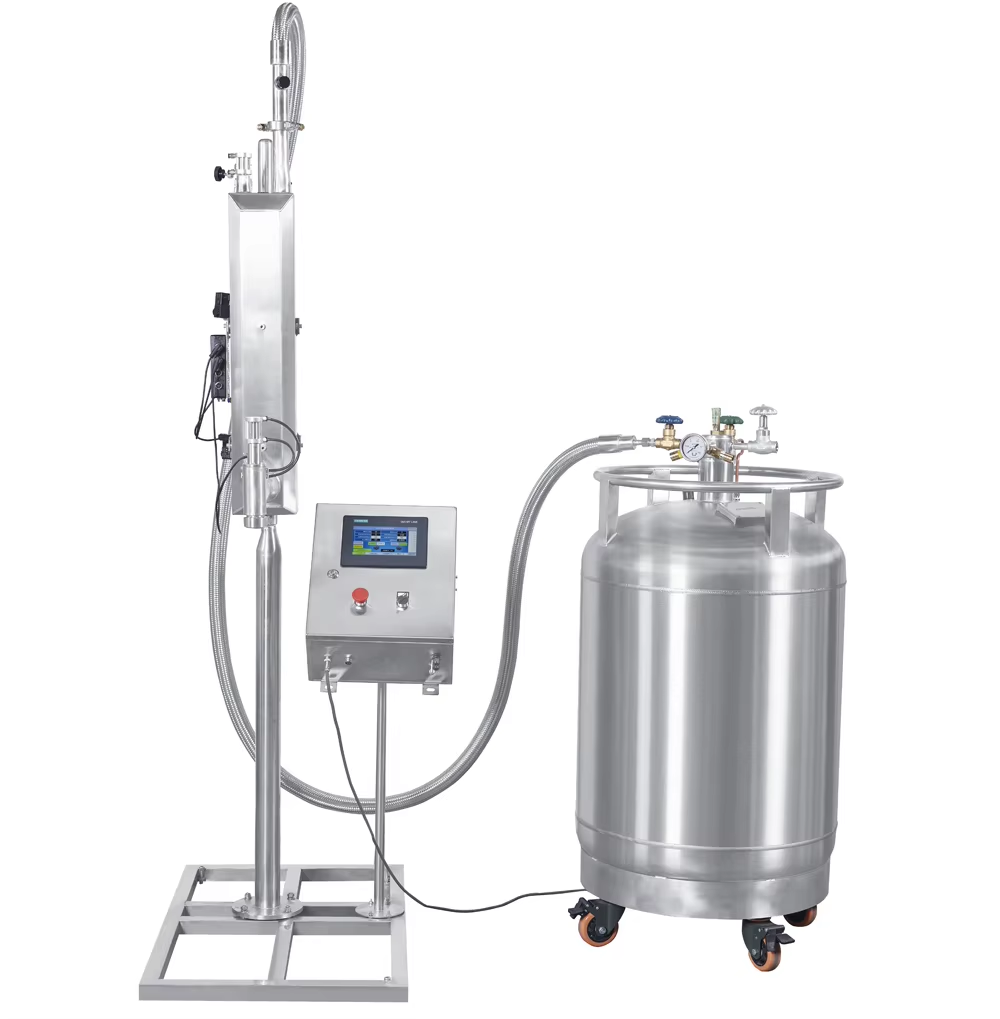
Monoblock filling machines have emerged as a pivotal solution in the beverage production sector, particularly due to their ability to significantly reduce the footprint of production lines. These machines combine multiple functions such as filling, capping, and labeling into a single system, which not only streamlines operations but also optimizes space utilization. For purchasing managers and engineers, understanding how a Monoblock filling machine can reduce footprint while maintaining efficiency is essential. This article aims to provide insights into selecting the right machine, sourcing reliable suppliers, installation guidance, cost considerations, and key features to look for, ensuring a well-informed purchasing decision.
Choosing the Right Monoblock Filling Machine for Your Beverage Needs
Selecting the appropriate Monoblock filling-machine hinges on several critical factors tailored to your specific beverage type and production requirements. Firstly, consider the machine's capacity, which should align with your production volume. For example, if you are producing carbonated beverages, look for machines designed to handle the pressure involved in filling without risking product loss or contamination.
Next, evaluate the machine’s compatibility with different bottle sizes and types. A versatile machine can accommodate various container shapes, which is crucial for brands looking to diversify their product offerings. Additionally, assess the level of automation; fully automated machines may increase throughput but require a larger upfront investment.
It’s also essential to consider the material and construction of the machine. Stainless steel is often preferred for its durability and resistance to corrosion, especially in environments where hygiene is paramount. Understanding these specifications will help ensure that the equipment meets both your operational needs and compliance standards.
Where to Source Reliable Monoblock Filling Machines in Bulk
When sourcing Monoblock filling machines, reliability and quality are paramount. Look for manufacturers with a proven track record in the beverage industry, such as Mars Packing Machinery, which specializes in customized solutions for various liquid packing applications. Check for certifications like ISO9001 and CE, as these indicate adherence to quality and safety standards.
It’s beneficial to establish relationships with suppliers who offer after-sales support, including installation and maintenance services. Request references from previous clients to gauge the supplier’s reputation and reliability. Additionally, consider attending industry trade shows to meet manufacturers and see machines in action, allowing you to make informed comparisons and evaluations.
Installation Guidance for Monoblock Filling Machines in Beverages
Proper installation of a Monoblock filling machine is crucial for optimal performance. Begin by ensuring the installation site meets the necessary requirements, including adequate space, proper electrical connections, and access to utilities such as water and air supply.
Before installation, collaborate with the manufacturer’s engineering team to understand specific installation protocols. This may include calibrating the machine for different filling volumes or configuring settings for various bottle types. It’s advisable to conduct a thorough inspection of the machine upon arrival, checking for any damage during transit and verifying that all components are included.
Once installed, perform a series of tests to ensure the machine operates correctly under production conditions. This includes checking fill accuracy, examining cap placement, and monitoring the overall functionality. Documenting these tests can also provide valuable insights for future maintenance and operational assessments.
Cost Considerations When Investing in Monoblock Filling Machines
Investing in a Monoblock filling machine involves evaluating multiple cost factors. Initially, consider the purchase price, but also take into account the total cost of ownership. This includes installation expenses, maintenance costs, and potential downtime during operation.
When calculating ROI, factor in the potential increase in efficiency and reduction in labor costs due to automation. A higher upfront investment in a fully automated system might yield significant savings over time through increased production rates and reduced operational costs.
Additionally, inquire about warranty options and post-purchase support, as these can save expenses related to repairs and service. Understanding these financial implications will aid in making a smart investment decision that aligns with your operational budget and growth projections.
Key Features to Consider
When evaluating Monoblock filling machines, certain key features can enhance their functionality and suitability for your production needs. One critical feature is the machine’s filling technology, which can vary between volumetric, gravimetric, and level filling methods. Each technology has its advantages depending on the type of beverage being processed. For instance, volumetric filling is commonly used for carbonated beverages due to its precision.
Another important aspect is the machine's speed and efficiency. Look for specifications on cycle times and throughput rates to ensure the machine can meet your production demands without compromising quality.
Customization options are also a significant factor. Many manufacturers, including Mars Packing Machinery, offer machines that can be tailored to specific operational requirements, such as custom bottle sizes or unique filling processes. Assess the ease of cleaning and maintenance, as machines designed for quick cleaning will minimize downtime and enhance production efficiency.
Finally, consider the machine’s integration capabilities with existing production lines. A Monoblock bottle filling machine that can seamlessly connect with your current equipment will reduce the need for major adjustments and facilitate a smoother workflow.
By understanding these considerations, you can make informed decisions that enhance your beverage production capabilities while ensuring efficient use of space, time, and resources.