 EN
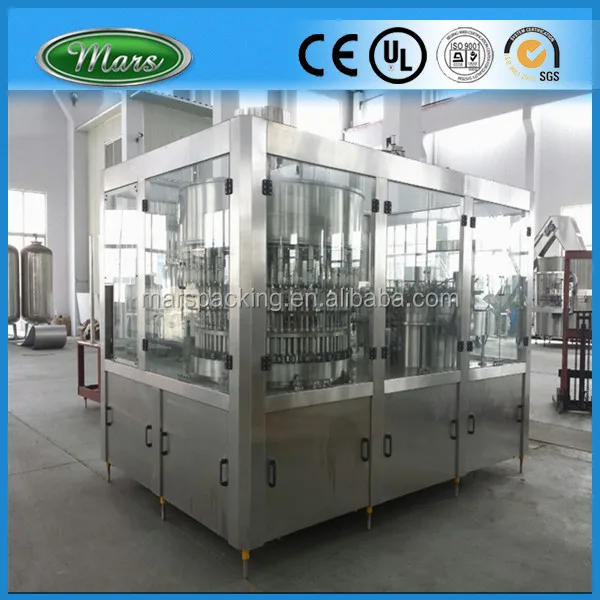
Setting up a water bottling plant requires careful planning and the right equipment to ensure efficiency and quality. This complete guide to water bottling plant setup and core equipment list will help you navigate the essential components of establishing a successful bottling operation. Key buyer concerns include equipment selection, specifications, costs, and quality control measures. This article aims to provide practical insights and guidance for purchasing managers and engineers looking to invest in water bottling machinery.
Choosing the Right Equipment for Your Water Bottling Plant Setup
The choice of equipment in a automatic water bottling plant significantly impacts operational efficiency and product quality. Key machines include water treatment systems, filling machines, capping machines, labeling machines, and packaging equipment.
When selecting equipment, consider the production capacity required. For example, if your plant aims to produce 5,000 bottles per hour, ensure that all machines can handle this output without bottlenecks. Additionally, assess the compatibility of equipment with the type of bottles used (PET, glass, etc.) and the specific filling method (gravity, pressure, or vacuum).
Customization capabilities are also crucial. A manufacturer like Mars Packing Machinery offers tailored solutions to fit unique production needs, allowing for adjustments based on bottle size and design, as well as specific operational requirements. Engaging with suppliers who can provide bespoke solutions ensures that your plant remains adaptable to future changes in demand or product offerings.
Key Specifications to Consider for Water Bottling Machinery
Understanding the specifications of water bottling machinery is vital for achieving optimal performance. Key specifications include:
Filling Speed: This is often measured in bottles per minute (BPM). Ensure the machinery can meet your desired production rate.
Filling Accuracy: Precision in filling is crucial to minimize product loss and maintain consistency. Check the machine's tolerance levels and calibration processes.
Material Compatibility: Equipment should be suitable for the types of bottles and caps used. For instance, if using PET bottles, ensure that the filling machine is designed to handle the specific characteristics of PET.
Hygienic Design: Since water is a consumable product, equipment must comply with hygiene standards. Look for machines that have easy-to-clean surfaces and are made from food-grade materials.
When evaluating specifications, consider how each impacts operational efficiency and product quality. For example, a filling machine with a higher BPM may reduce labor costs but could compromise filling accuracy if not properly calibrated.
Understanding the Costs Involved in Water Bottling Plant Setup
The costs associated with setting up a fully automatic water bottling plant can vary greatly based on several factors, including machinery, installation, facility modifications, and operational expenses. Key cost components include:
Equipment Costs: Initial investment in machinery can range from thousands to millions, depending on the level of automation and production capacity desired.
Installation and Commissioning: Proper installation is essential for ensuring equipment operates efficiently. Factor in costs for professional installation services, which may include engineering consultations and site preparation.
Facility Costs: Modifications to the facility, such as plumbing for water treatment systems and electrical upgrades for machinery, can add to initial costs. Ensure the facility meets local health and safety regulations.
Operating Costs: These include utilities, maintenance, labor, and materials. Understanding ongoing costs is essential for accurate budgeting and financial forecasting.
To obtain a comprehensive cost estimate, consider reaching out to suppliers for detailed quotes and equipment specifications. This will allow you to evaluate different options and choose the best fit for your budget and production needs.
Quality Control Measures for Water Bottling Equipment
Quality control is a critical component of any water bottling operation. Implementing robust quality control measures ensures that the final product meets safety standards and customer expectations. Key practices include:
Regular Equipment Calibration: Ensure that filling machines are calibrated regularly to maintain accuracy. This can prevent overfilling or under filling, which affects both cost and customer satisfaction.
Testing Samples: Before mass production, conduct sample tests to verify that the bottling process meets quality standards. This includes checking for leaks, proper capping, and label adherence.
hygiene Inspections: Regularly inspect equipment for cleanliness, especially components in direct contact with the product. Implementing a strict cleaning schedule can help prevent contamination.
Monitoring Production Parameters: Use sensors and monitoring systems to track key production parameters such as temperature, pressure, and filling speed. This can help identify issues early and maintain product quality.
By establishing a comprehensive quality control system, you can enhance the reliability of your bottling process and build trust with your customers.
Applications of Water Bottling Equipment in Various Industries
Water bottling equipment serves various industries beyond just bottled water production. Understanding these applications can help broaden your market reach. Key applications include:
Beverage Industry: Water bottling machinery is essential for producing flavored waters, sports drinks, and soft drinks. Equipment can be adapted for different formulations, such as carbonated beverages.
Food Industry: Bottled water is often used in food manufacturing, such as for food processing or as an ingredient in ready-to-eat meals. Ensure that equipment meets food safety standards for these applications.
Pharmaceutical Industry: Sterile water is required for many pharmaceutical products. Water bottling systems can be designed to meet stringent hygiene standards, including aseptic filling processes.
Industrial Applications: Bottled water is also used in industrial settings, such as for cooling systems or as a solvent in chemical processes.
By understanding these applications, manufacturers can identify new business opportunities and tailor their offerings to meet diverse customer needs. Engaging with a supplier that offers customized solutions will enhance your ability to serve multiple markets effectively.
In summary, setting up a water bottling plant machine equipment involves careful consideration of equipment selection, specifications, costs, quality control, and industry applications. By leveraging the expertise and capabilities of manufacturers like Mars Packing Machinery, you can ensure that your bottling operations are efficient, compliant, and ready to meet market demands.
Table of Contents
- Choosing the Right Equipment for Your Water Bottling Plant Setup
- Key Specifications to Consider for Water Bottling Machinery
- Understanding the Costs Involved in Water Bottling Plant Setup
- Quality Control Measures for Water Bottling Equipment
- Applications of Water Bottling Equipment in Various Industries