
 EN
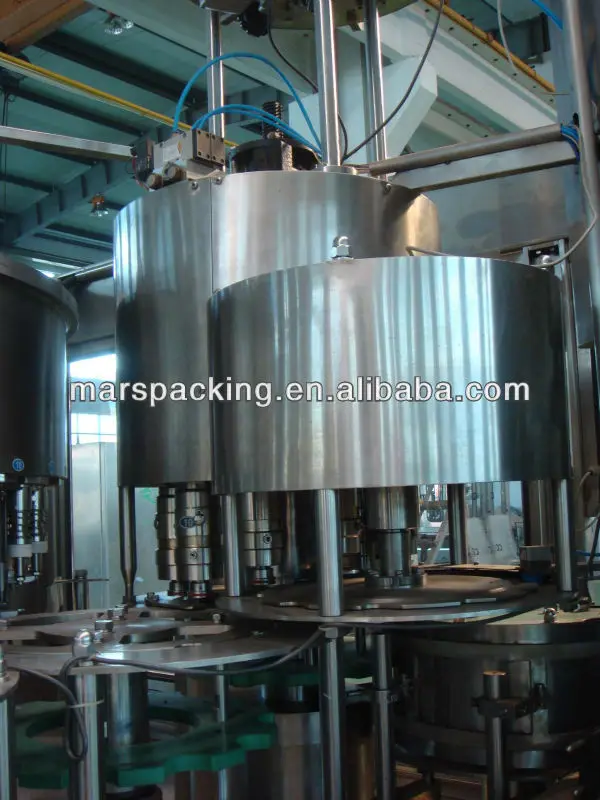
Water filling machines are essential for mineral water plants, ensuring efficient and precise filling processes tailored to varying production scales. This Water Filling Machine Buyers Guide for Small to Large Mineral Water Plant aims to address key concerns for B2B buyers, including specifications, cost factors, common issues, and applications. By understanding these aspects, purchasing managers, engineers, and product managers can make informed decisions that align with their operational requirements and budget considerations.
Choosing the Right Water Filling Machine for Your Business Needs
Selecting the appropriate water filling machine involves assessing your specific operational needs, including production capacity, bottle sizes, and filling speed. For small plants, semi-automatic machines may suffice, while larger operations often require fully automatic systems that can handle high volumes. It's crucial to evaluate the type of bottles used PET, glass, or others as the machine must accommodate their dimensions and materials. Additionally, consider the integration of features such as rinsing, filling, and capping to streamline the production line, enhancing efficiency and reducing labor costs.
When choosing a machine, inquire about customization options. As a manufacturer with extensive experience, Mars Packing Machinery understands that different clients may have unique requirements, and customizing machines can optimize performance for specific applications. It's also advisable to assess the manufacturer’s after-sales support, including installation services, to ensure a smooth transition from procurement to operational use.
Key Specifications to Consider When Sourcing Water Filling Machines
When sourcing water filling machines, several key specifications must be taken into account:
Filling Method: Choose between gravity filling, pressure filling, or vacuum filling based on the type of liquid and the desired filling accuracy. Gravity filling is suitable for less viscous liquids, whereas pressure filling is ideal for carbonated beverages.
Production Capacity: Determine the machine’s filling speed, typically measured in bottles per hour. This should align with your plant's production goals, as bottlenecks can significantly impact overall efficiency.
Material Construction: The material of the machine affects durability and hygiene. Stainless steel is commonly preferred for its resistance to corrosion and ease of cleaning, ensuring compliance with health regulations.
Control Systems: Advanced machines include PLC control systems for better accuracy and ease of operation. Consider whether the machine can integrate with existing plant management systems for seamless operation.
Size and Footprint: Ensure that the machine’s dimensions fit within your production space without disrupting workflow. Proper layout planning can enhance overall plant efficiency.
Evaluating these specifications thoroughly allows buyers to select machines that not only fit their current needs but are also adaptable for future growth.
Cost Factors to Consider When Purchasing Water Filling Equipment
The cost of water filling machine production line plant can vary widely based on several factors, including machine type, specifications, and additional features. Here are key cost considerations:
Initial Investment vs. Long-Term Savings: While lower-cost machines may seem attractive, they might lack efficiency or durability, leading to higher long-term costs. Evaluate the total cost of ownership, including maintenance and operational expenses.
Customization Fees: If you require specific adaptations to meet unique production needs, be prepared for potential customization costs. Discuss these aspects early with your supplier to avoid surprises.
Shipping and Installation Costs: Factor in shipping expenses, especially if importing machinery, as well as installation costs. A reputable supplier should offer installation services, which can be critical for complex systems.
Warranty and Support: Understand what warranty terms are included in the purchase. A robust warranty and reliable after-sales support can mitigate risks associated with equipment failure.
Volume Discounts: Consider negotiating for volume discounts if purchasing multiple machines or if you are a repeat customer. Suppliers often have flexibility in pricing for bulk orders.
By carefully analyzing these cost factors, buyers can make informed financial decisions that align with their budgets and operational goals.
Common Problems with Water Filling Machines and Their Solutions
Understanding common issues that arise with water filling machines can help buyers prepare for maintenance and operational challenges. Here are some frequent problems and their solutions:
Inconsistent Filling Levels: This may stem from improper calibration or mechanical wear. Regular maintenance and recalibrating the filling system can help maintain accuracy.
Leakage: Leakage can occur due to worn seals or improper installation. Regular inspections and timely replacement of seals can prevent this issue. Ensure that the machine is properly aligned to avoid undue stress on components.
Slow Production Rates: If the machine fails to meet expected throughput, it could be due to blockages or mechanical failures. Regular cleaning and maintenance schedules can help keep machines running smoothly.
Electrical Failures: These can disrupt production and may require immediate attention. Having a qualified technician available for troubleshooting can reduce downtime.
Material Compatibility Issues: Ensure that the materials used in the machine are compatible with the liquid being filled. For instance, certain plastics may not withstand acidic beverages. Discuss material specifications with the supplier before purchase.
By being proactive about these potential problems, buyers can minimize downtime and maintain consistent production rates.
Applications of Water Filling Machines in Small to Large Plants
Water filling line equipment serve a variety of applications across different scales of mineral water plants. Here’s a breakdown:
Small Plants: For smaller operations, semi-automatic machines are often sufficient. These machines typically require manual intervention for bottle placement and capping but can significantly improve efficiency compared to hand-filling methods.
Medium-Sized Operations: These plants may benefit from fully automatic machines that can handle multiple bottle sizes and types. Features like inline rinsing and capping systems improve throughput and reduce labor costs.
Large-Scale Production: High-capacity plants often utilize fully integrated systems that automate the entire process from rinsing to labeling. These machines can handle thousands of bottles per hour, ensuring that large orders can be fulfilled efficiently.
Specialty Applications: Some machines can be tailored for specific applications, such as filling flavored water or enhanced beverages. Customization in machine design allows for variations in filling speed, bottle types, and even labeling.
Eco-Friendly Initiatives: Increasingly, plants are focusing on sustainability. Machines that utilize minimal water during rinsing processes or those that support recyclable materials can appeal to environmentally conscious consumers.
Understanding the applications of water filling machines ensures that buyers select the right equipment for their specific production needs, enhancing overall operational efficiency.
Table of Contents
- Choosing the Right Water Filling Machine for Your Business Needs
- Key Specifications to Consider When Sourcing Water Filling Machines
- Cost Factors to Consider When Purchasing Water Filling Equipment
- Common Problems with Water Filling Machines and Their Solutions
- Applications of Water Filling Machines in Small to Large Plants