Choosing the Right Wine Bottle Line for Production

All Categories

Wine bottle line

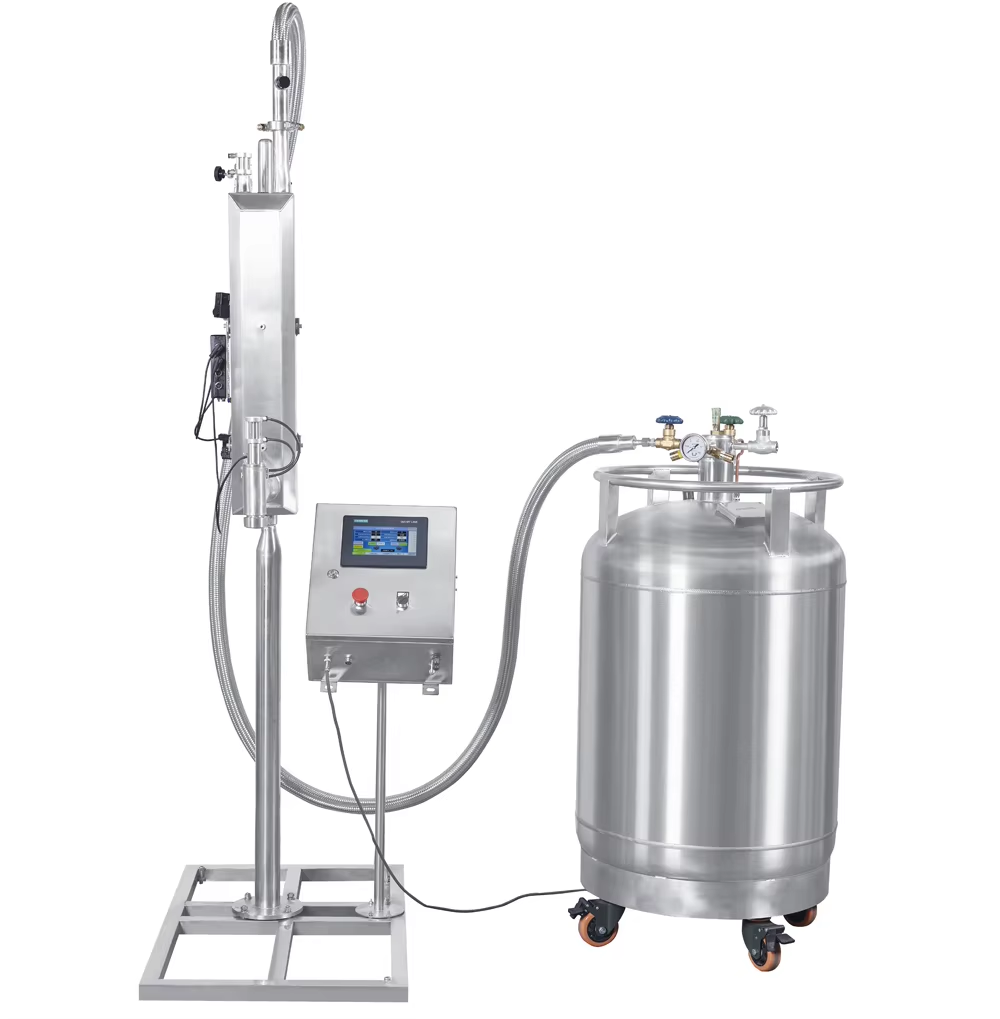
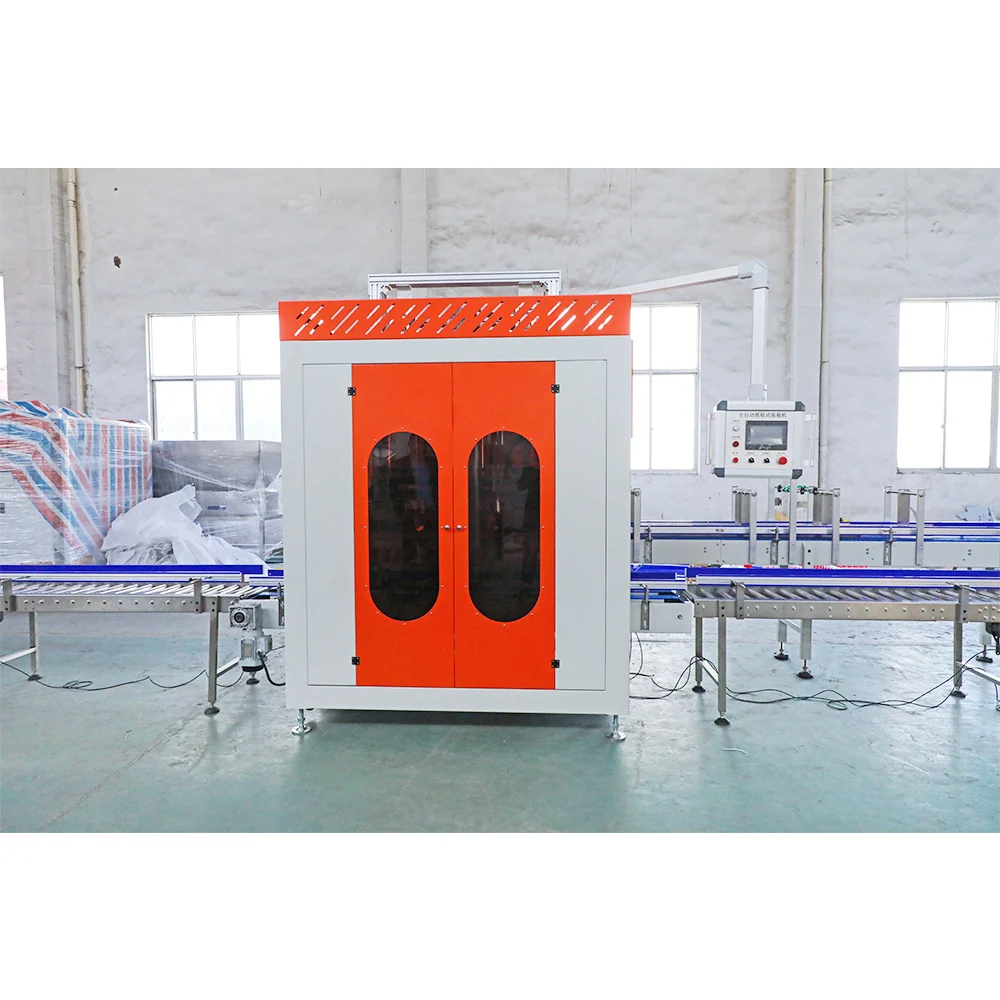
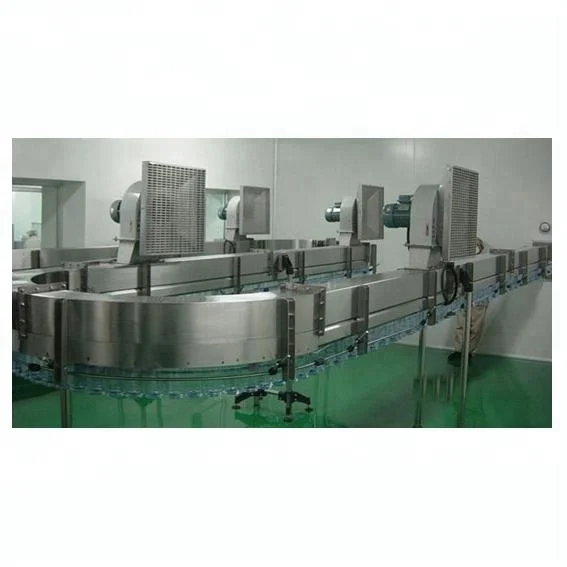
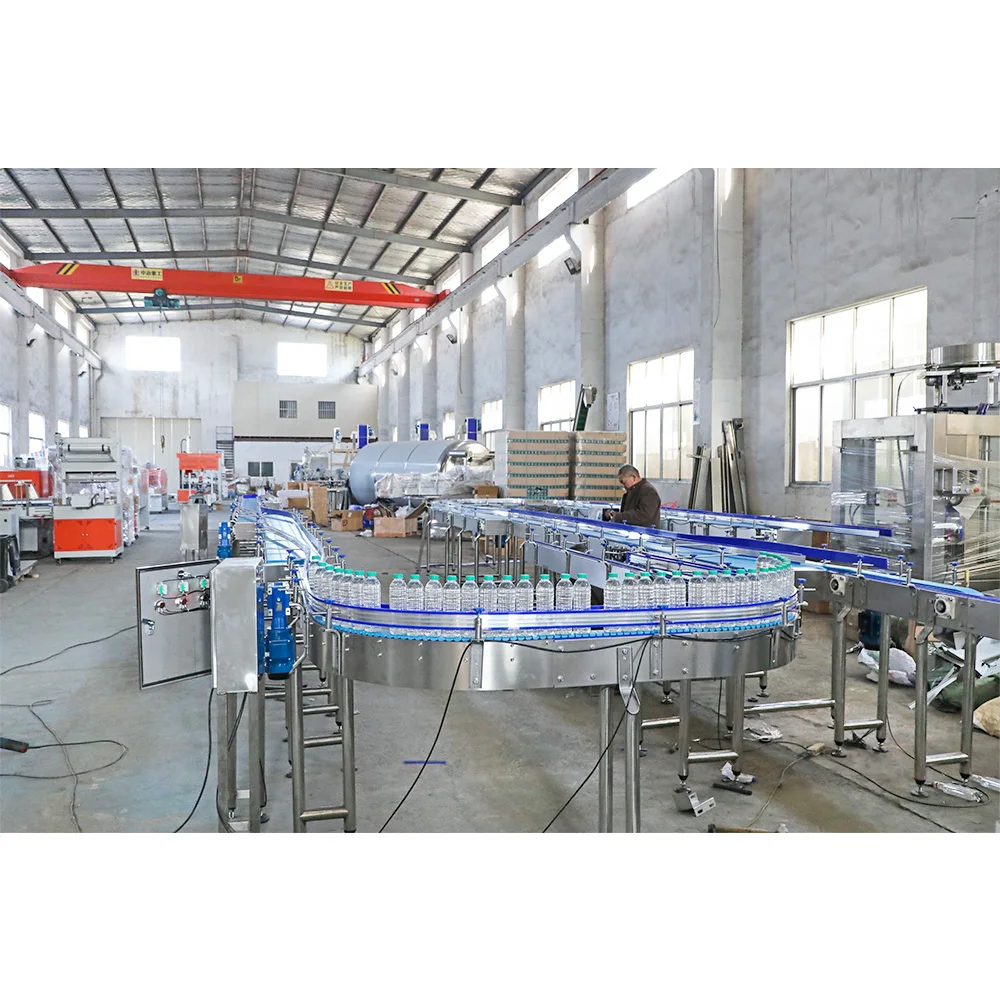
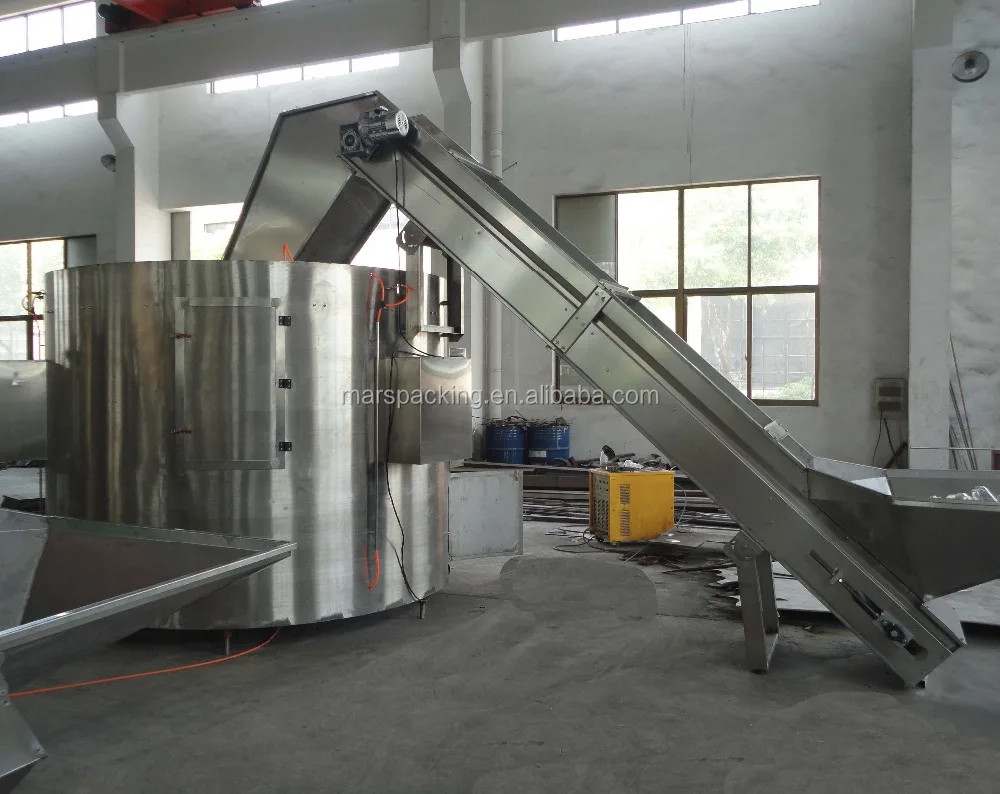
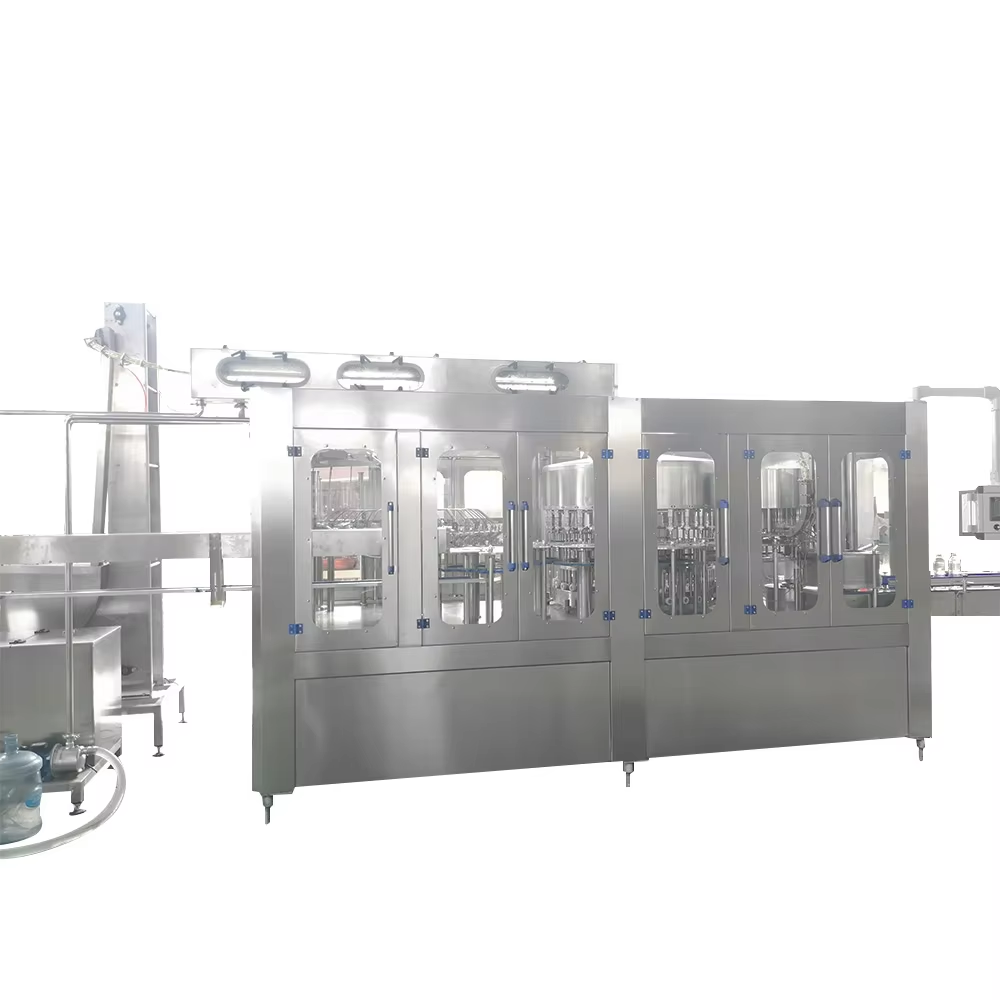
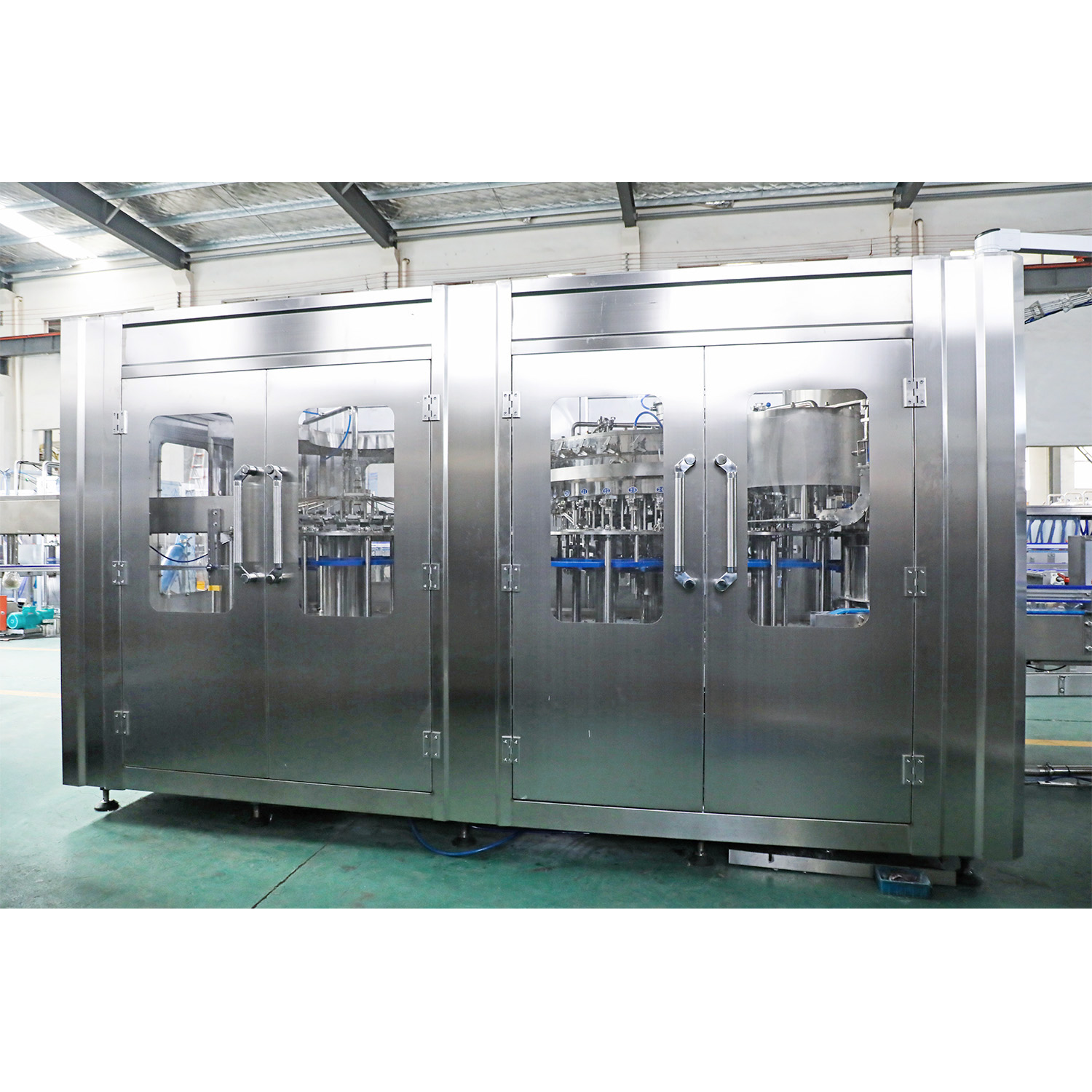
The wine bottle line is a critical component in the production and packaging of wine, ensuring that bottles are filled, sealed, and labeled efficiently and effectively. For B2B buyers, such as purchasing managers and product managers in the beverage industry, understanding the nuances of wine bottle lines is essential. This article will explore how to choose the right wine bottle line for wholesale needs, evaluate quality standards, source reliable suppliers, provide installation guidance, and address common problems and solutions.
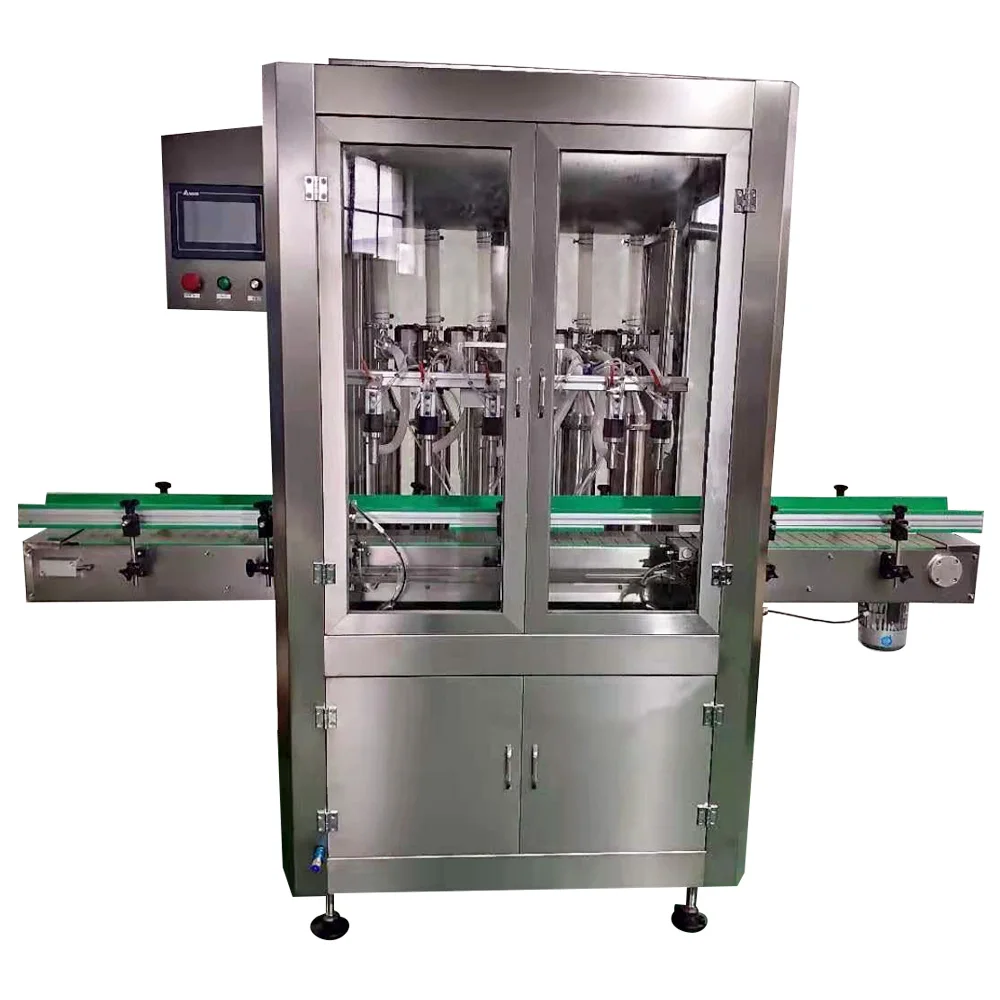
Our Products

Evaluating Quality Standards in Wine Bottle Line Equipmen

Quality standards are paramount in the wine bottle filling machine to maintain product integrity and compliance with industry regulations. Look for equipment that adheres to recognized certifications, such as ISO9001 and CE, which indicate adherence to quality standards management systems and safety quality standards. Additionally, assess the materials used in the construction of the machinery. For example, stainless steel is commonly preferred for its durability and resistance to corrosion, ensuring long-term performance in a beverage environment. Inquire about the manufacturer’s quality standards control processes, including any testing procedures that equipment undergoes before shipping. Another important consideration is the ease of cleaning and maintenance. Equipment that can be easily disassembled for cleaning will help maintain hygiene quality standards, essential in the food and beverage industry. Regular maintenance can prevent costly downtimes and extend the life of the machinery.
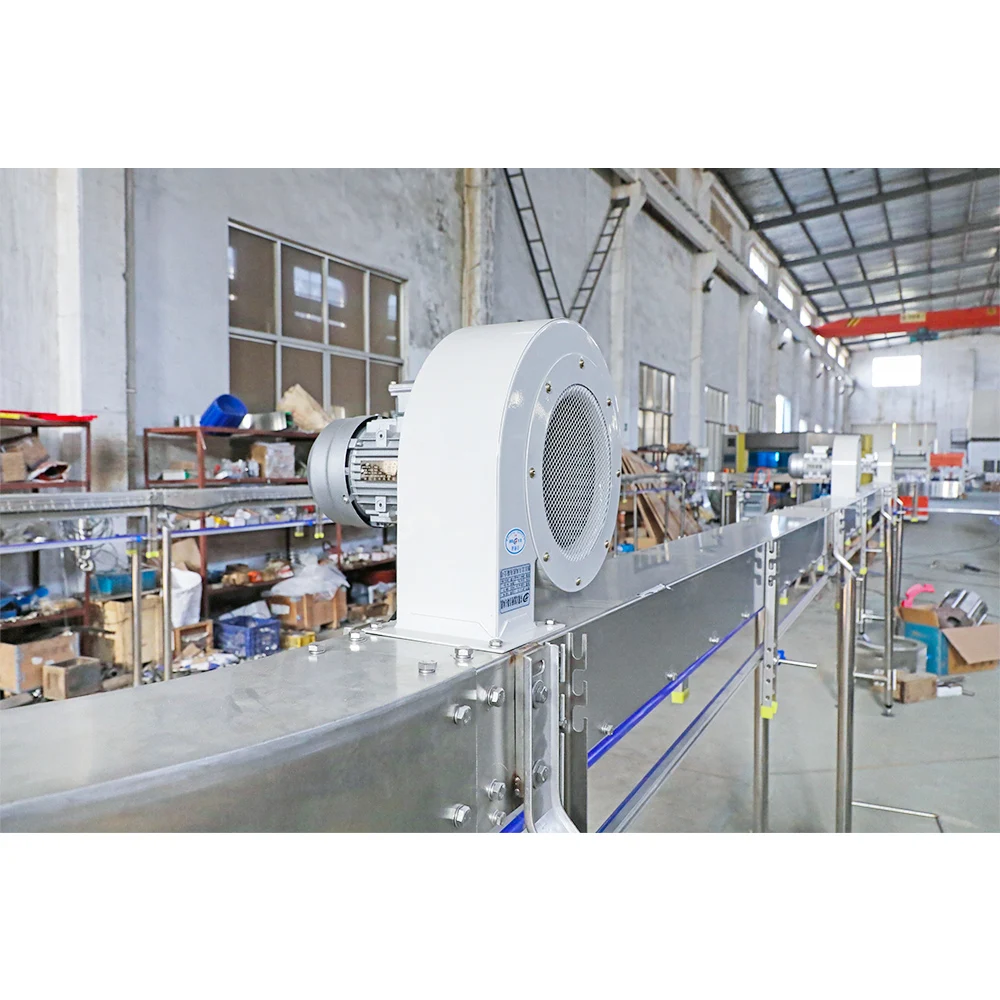
How to Source Reliable Suppliers for Wine Bottle Line Solutions

Finding reliable suppliers for wine bottle line solutions requires thorough research and evaluation. Start by seeking recommendations from industry peers or trade associations that specialize in beverage manufacturing. Networking at trade shows can also provide valuable connections and firsthand insights into supplier capabilities. Once you have a list of potential reliable  suppliers, review their track record in the industry. Check for customer testimonials and case studies that demonstrate successful installation guidance and customer satisfaction. A supplier with experience in your specific market will better understand your needs and challenges. Requesting quotes and engaging in discussions about your specific requirements is crucial. Pay attention to their responsiveness and willingness to provide detailed information. A reliable supplier should be open to discussing customization options and provide clear timelines for production and delivery.

Installation Guidance for Your Wine Bottle Line Systems

Proper installation guidance of your liquid bottle filling machine system is crucial for optimal performance. Before installation guidance, ensure that the site is prepared according to the specifications provided by the manufacturer, including necessary electrical and plumbing requirements. During installation guidance, it’s advisable to have a qualified technician from the supplier present. They can oversee the setup and calibrate the machinery to ensure it operates within specified parameters. This step minimizes the risk of operational issues and helps identify any potential problems early on. After installation guidance, conduct thorough testing of the entire line, including fill levels, capping, and labeling accuracy. This phase is critical to confirm that the equipment meets production quality standards before full-scale operations commence. Documenting this process can also provide a reference for future maintenance and troubleshooting.

Common Problems with Wine Bottle Lines and Their Solutions

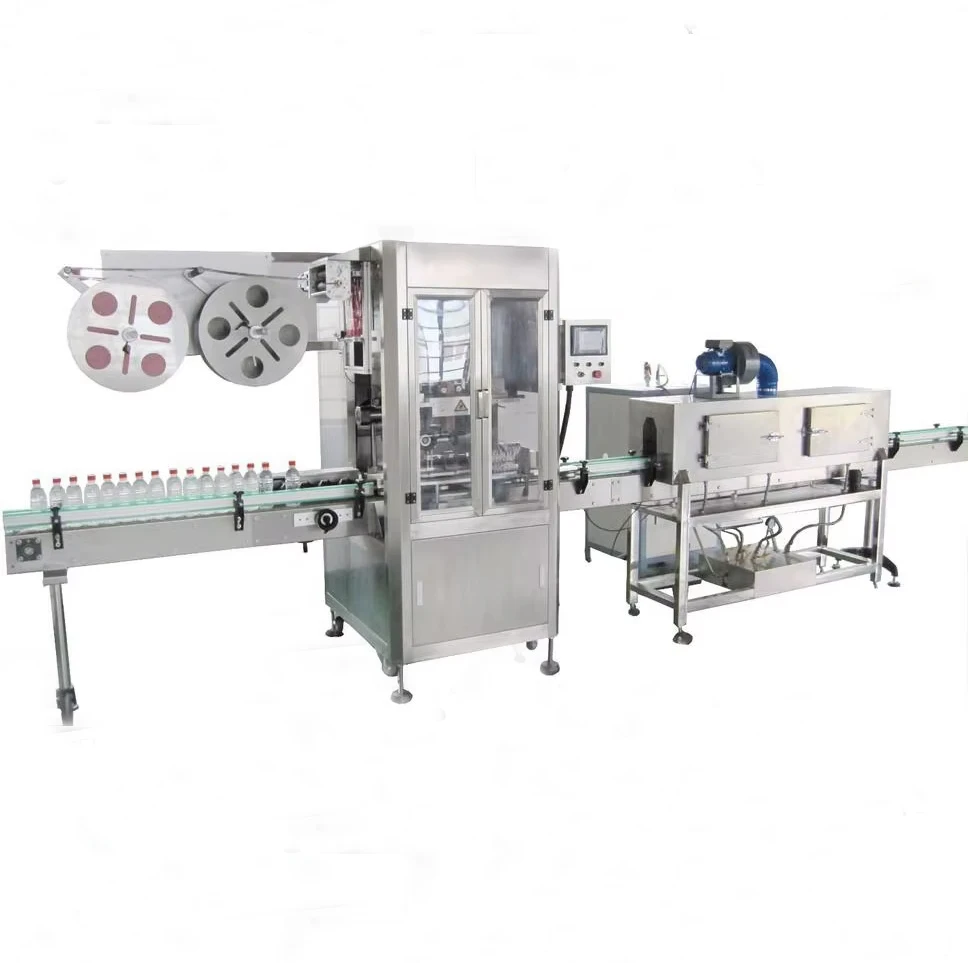
Despite careful planning, challenges may arise with liquid filling machine bottle. One common issue is inconsistent fill levels, which can be caused by equipment misalignment or variations in bottle shape. Regular calibration and maintenance checks can mitigate this issue. It's advisable to implement a quality standards control process that includes monitoring fill levels and conducting routine checks. Another frequent problem is bottle breakage during the filling and capping process. This can often result from excessive pressure or improper handling. To address this issue, ensure that the machinery is correctly calibrated for the specific bottle types in use and that operators are trained in safe handling practices. Additionally, labeling errors can occur due to misalignment or machinery faults. Investing in advanced labeling technology with built-in sensors can help detect and correct these issues before products leave the line. Regular training for staff on the operation and maintenance of the machinery can further reduce the likelihood of errors. Understanding the complexities of wine bottle lines is crucial for B2B buyers in the beverage industry. By focusing on the right selection, quality standards, reliable suppliers, proper installation guidance, and common problem-solving strategies, businesses can enhance their production capabilities and maintain high-quality standards in their operations.

Choosing the Right Wine Bottle Line for Your Wholesale Needs

Selecting the appropriate wine bottle line involves considering several factors tailored to your production needs. Start by assessing the production capacity required for your business. Determine the expected output in bottles per hour to ensure that the line can meet your demand without causing bottlenecks. Next, consider the types of bottles you will be using. Different bottle shapes and sizes may require specific filling nozzles and capping mechanisms. For instance, a wine bottle line designed for standard Bordeaux bottles may not be suitable for uniquely shaped bottles. It’s crucial to communicate these specifications to potential reliable suppliers to ensure compatibility. Lastly, think about the level of automation you desire. Fully automated lines can enhance efficiency and reduce labor costs, while semi-automated options might offer more flexibility for smaller production runs. Assess your budget against these options, as initial costs can vary widely based on the level of automation and customization.

Frequently Asked Questions

What is the wine bottle line used for?

The wine bottle line fills, caps, labels and packs wine bottles for small to large production runs, offering integrated solutions from rinsing to packing tailored to client needs.
Yes. Our engineering team customizes fixtures, conveyors and settings to handle various bottle shapes and sizes for optimal performance.
We offer pre-sales consultation, on-site or remote installation guidance, commissioning and operator training through our in-house engineers.
Our factory holds ISO9001 and CE certifications, ensuring manufacturing quality, safety and regulatory compliance for exported machinery.
We serve wine, beverage, water, beer and dairy sectors and have supplied customized lines to clients in over 40 countries since 2010.

Our Blog Posts

Water Bottling Line Sustainability: Recycled PET Bottle Solutions for Eco-Friendly Brands

17

Oct

Water Bottling Line Sustainability: Recycled PET Bottle Solutions for Eco-Friendly Brands

Sustainable Water Bottling Line: Recycled PET Bottle Options for the Eco-Conscious BrandAt Mars, sustainability is a part of everything we do. Our own branded still and sparkling water When we utilize recycled PET bottles, we’re not only reducing our...
View More
Beer Filling Machine Counterpressure Filling: Preserving Beer Carbonation During Filling

16

Jan

Beer Filling Machine Counterpressure Filling: Preserving Beer Carbonation During Filling

Beer is a favorite drinks of millions of men and women worldwide. Beer, when brewed, is put in the bottles or cans. The process is vital because the way in which beers is filled determines its taste and how much it bubbles.  IntroductionCou...
View More
Packing Machine Space Saving: Compact Designs for Small Bottling Facilities

01

Apr

Packing Machine Space Saving: Compact Designs for Small Bottling Facilities

Packing machines is essential for filling and sealing bottles in small bottling places. Many businesses want to save space, so compact packing machines are a good fix. These machines are designed to fit in tight spots while still powerful enough to h...
View More
Juice Bottling Line Seasonal Adjustments: Scaling Up for Summer Juice Demand

06

May

Juice Bottling Line Seasonal Adjustments: Scaling Up for Summer Juice Demand

Juice lovers, as we are in the summer season now there has to be more work from company like Mars to fulfill orders. In summer people crave for cold refreshing drinks to keep themselves cool. So, juice bottling lines are optimized and juice is produc...
View More

Get a Free Quote

Our representative will contact you soon.
Email
Name
Company Name
Message
0/1000

Get a Free Quote

Our representative will contact you soon.
Email
Name
Company Name
Message
0/1000