 EN
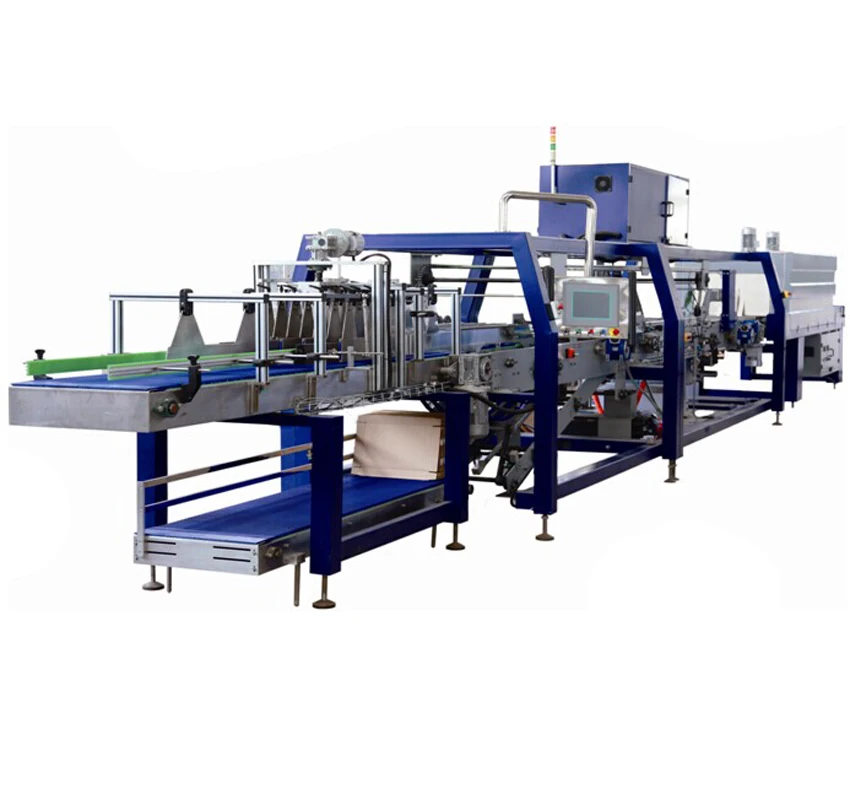
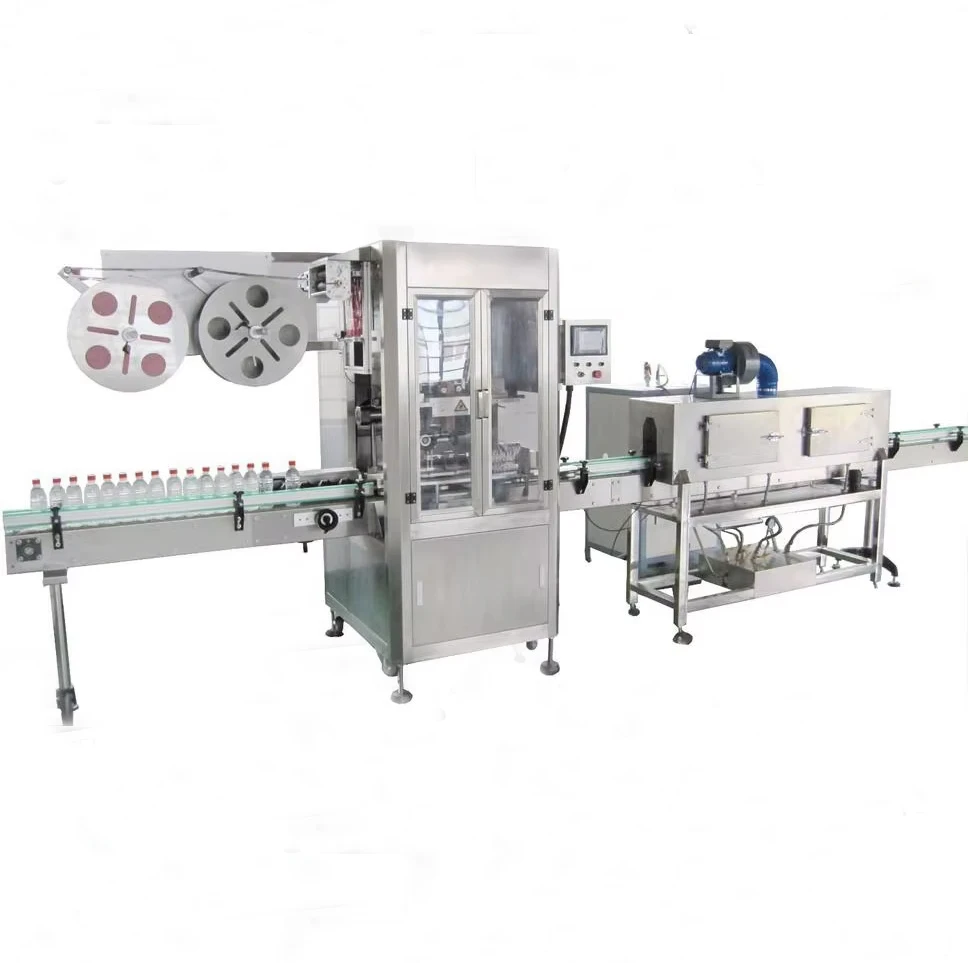
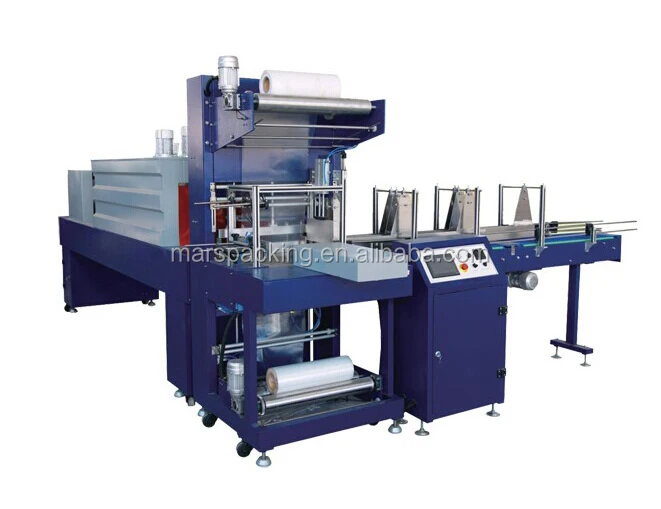
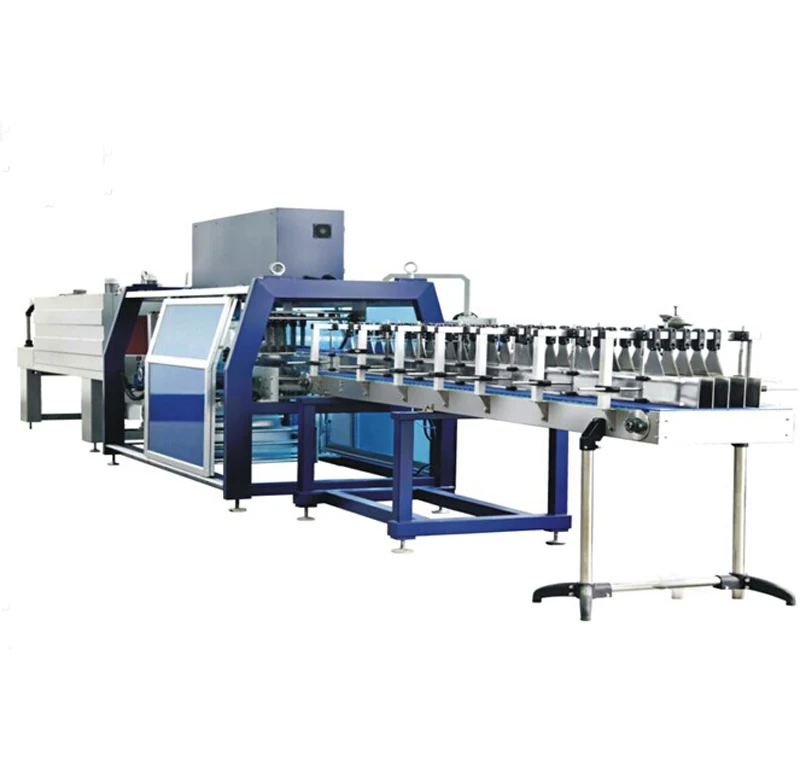
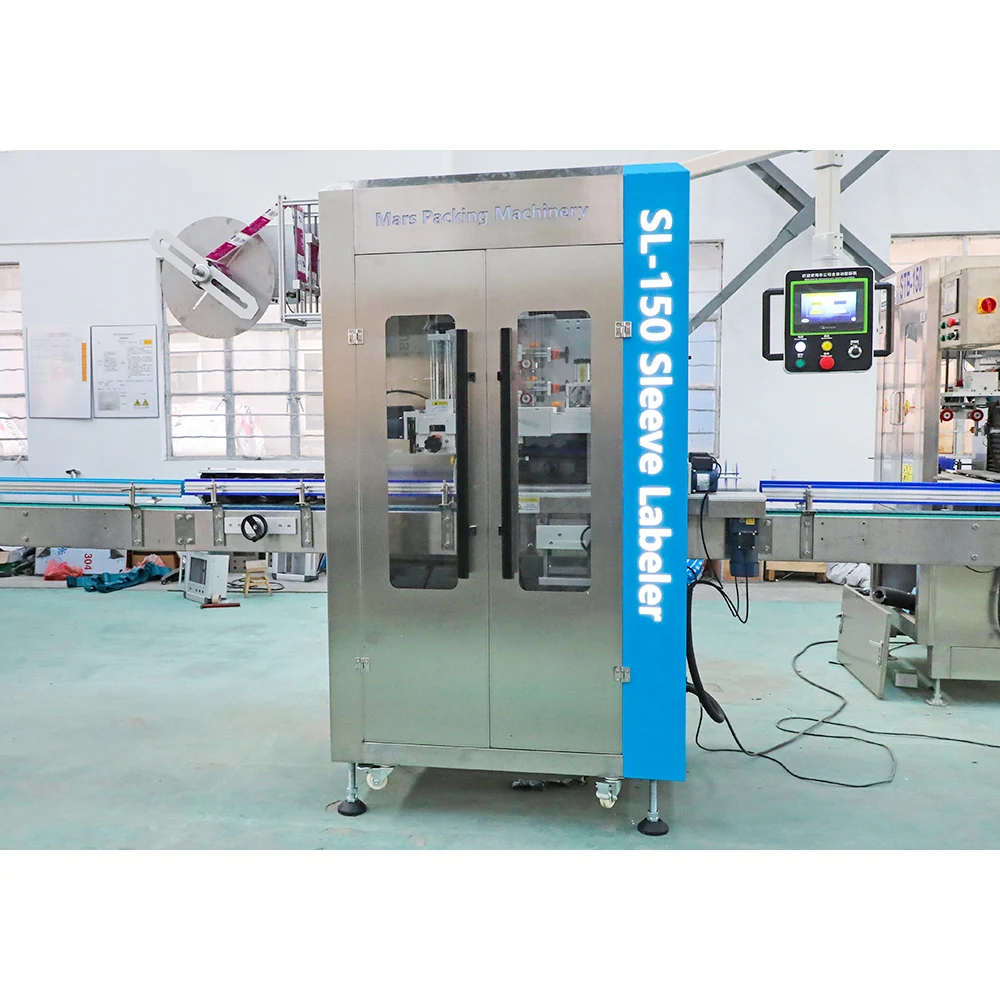
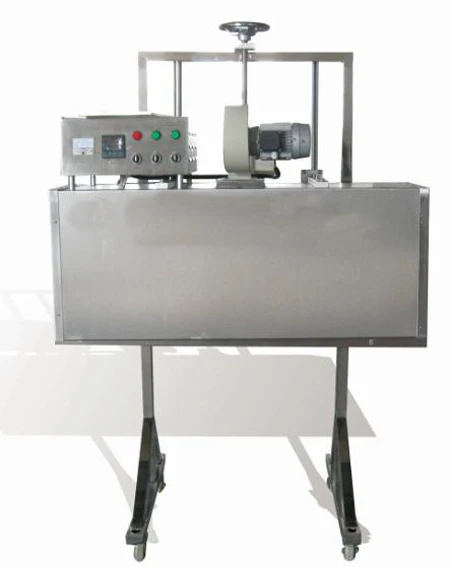
Shrink wrap equipment plays a crucial role in packaging and protecting products across various industries. For businesses involved in manufacturing, distribution, or retail, understanding the right shrink wrap equipment to meet specific operational needs is essential. This article will guide you through the key considerations when selecting machine for shrink wrapping, the importance of quality control processes, cost factors for bulk orders, installation guidance, and the diverse applications of shrink wrap equipment in different industries.


Understanding the Quality Control Processes in Shrink Wrap Production
Quality control is vital in ensuring that Mars shrink wrap equipment performs optimally and that the final packaging meets industry standards. Effective quality control processes typically involve several stages, including material selection, equipment calibration, and final product inspection.
During the material selection phase, it’s essential to verify that the shrink film aligns with your product's specifications. This includes checking for thickness, tensile strength, and clarity, which can impact the visual appeal and protective qualities of the packaging.
Equipment calibration is another critical step. Regular maintenance and calibration of high speed shrink wrap machine ensure consistent performance and prevent issues such as improper sealing or inadequate shrinkage. Implementing a routine inspection protocol can help identify potential problems before they escalate into costly production delays.
Finally, a thorough inspection of the finished product is necessary. This can involve visual checks for defects, testing seals for strength, and ensuring that the packaged items meet your quality standards. Establishing a robust quality control framework will enhance efficiency and reduce waste in your packaging operations.