Key Insights on Filling and Capping Machines

All Categories

Filling and capping machine

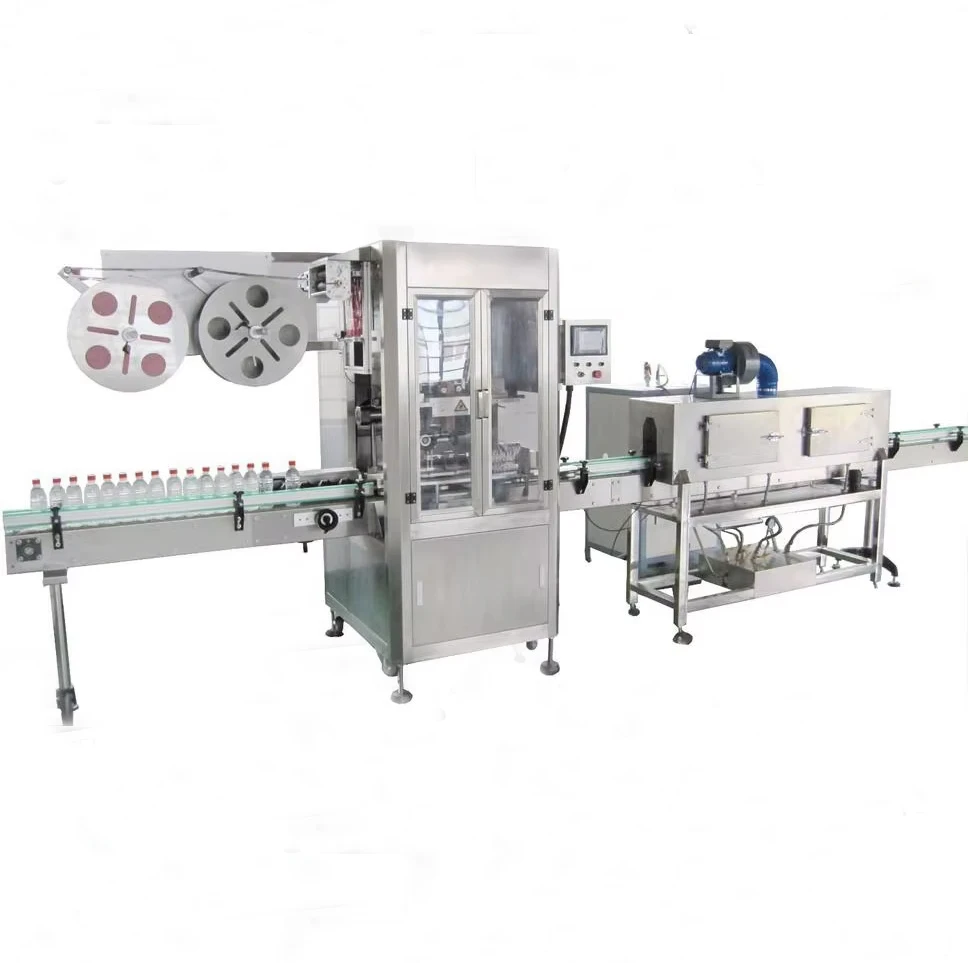
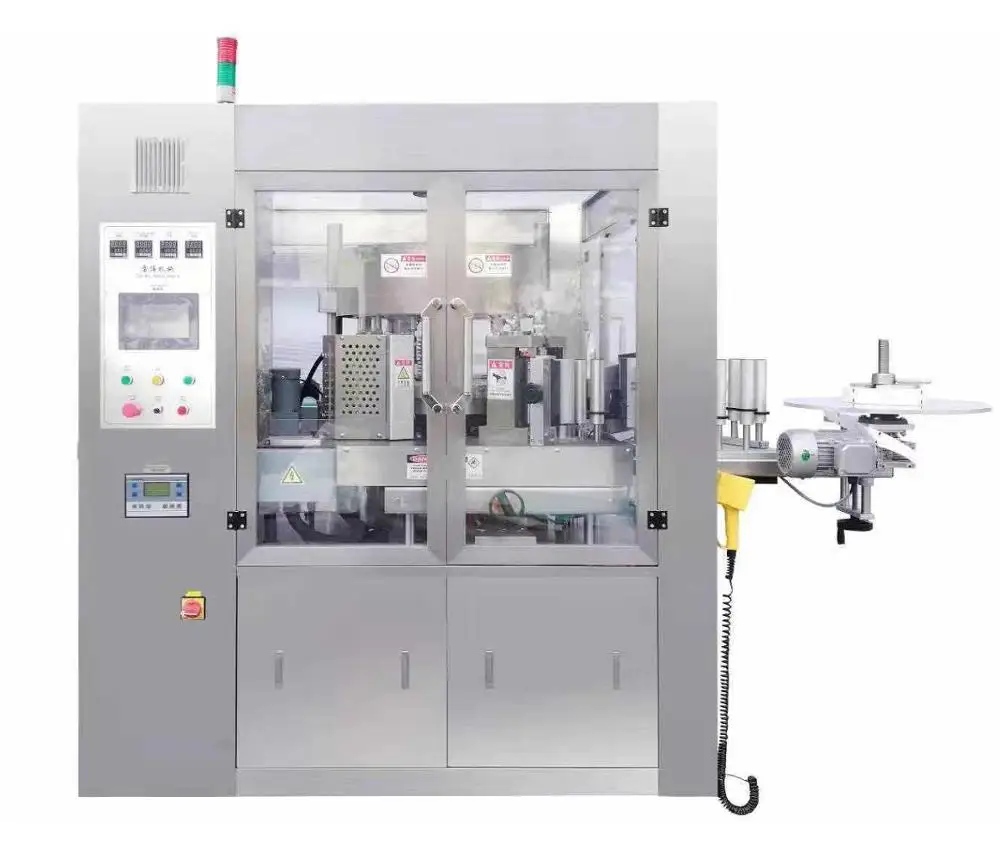
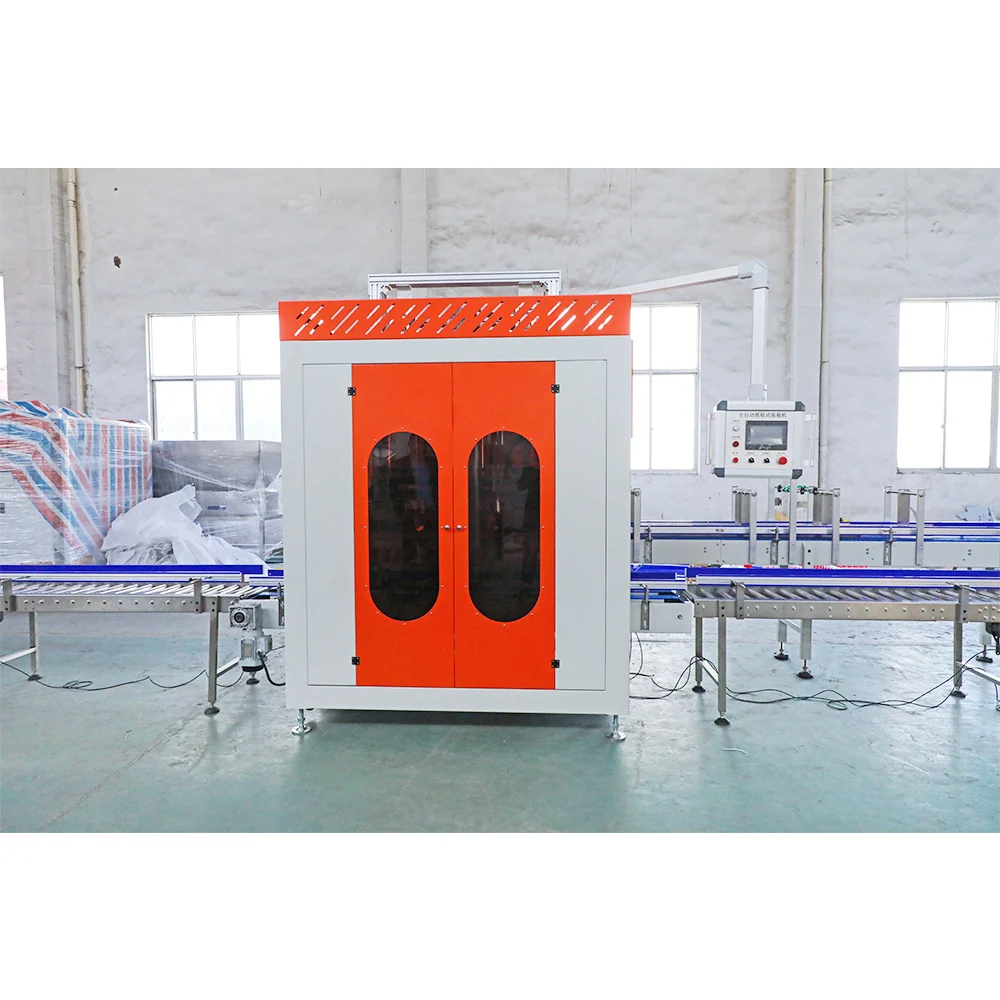
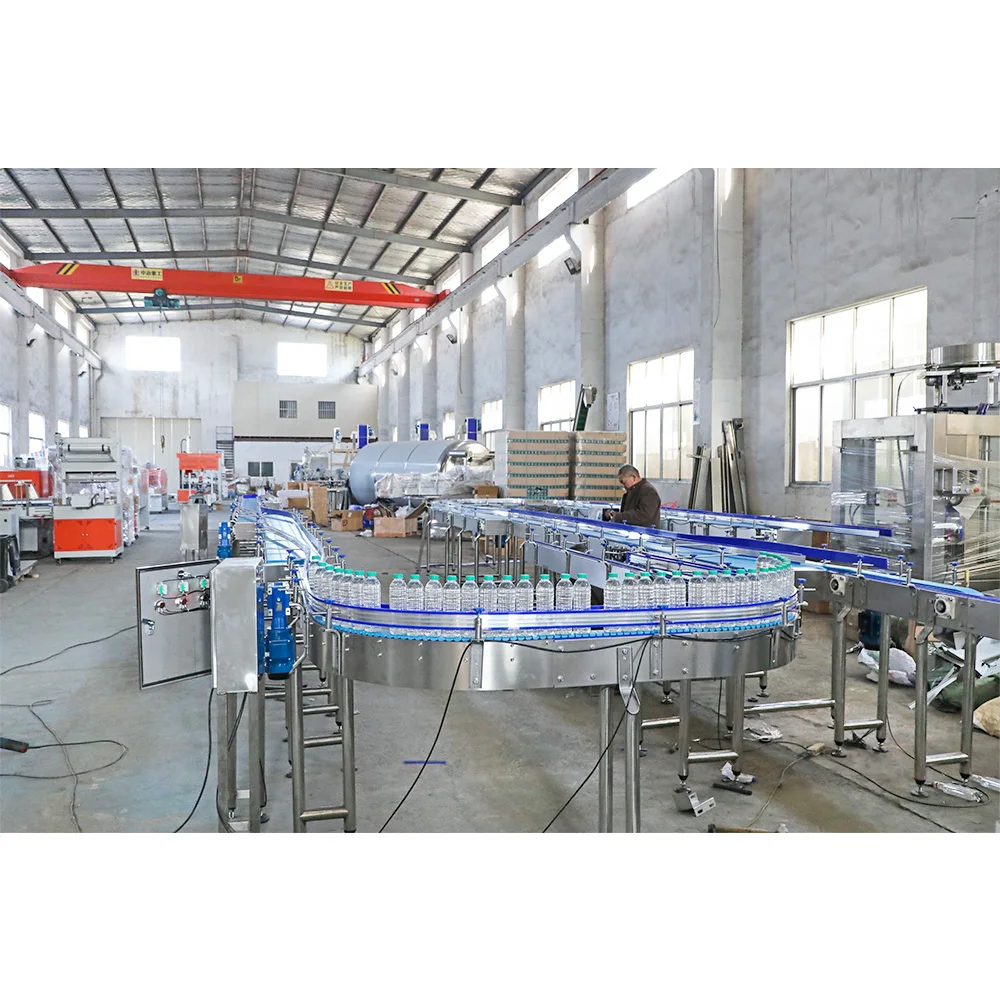
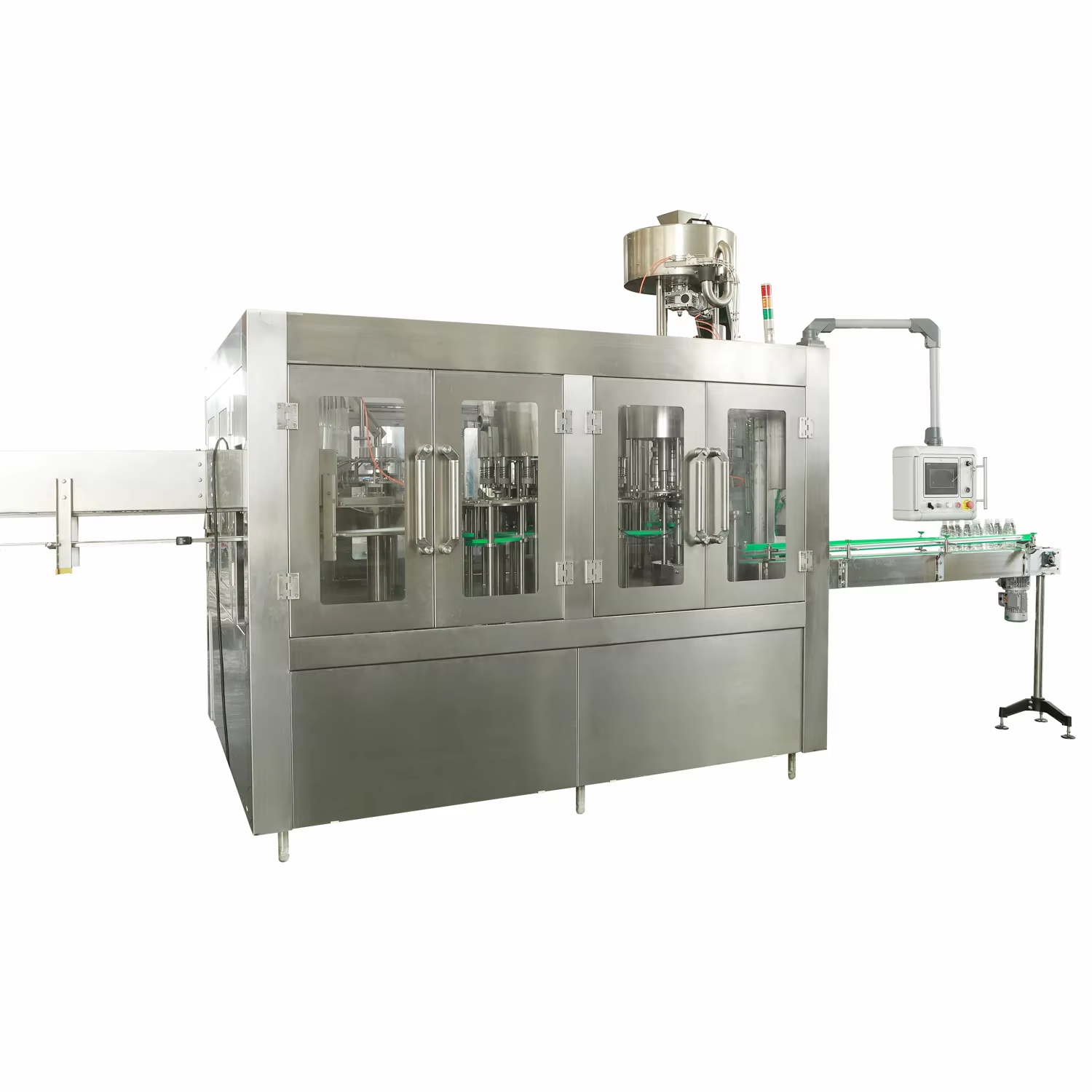
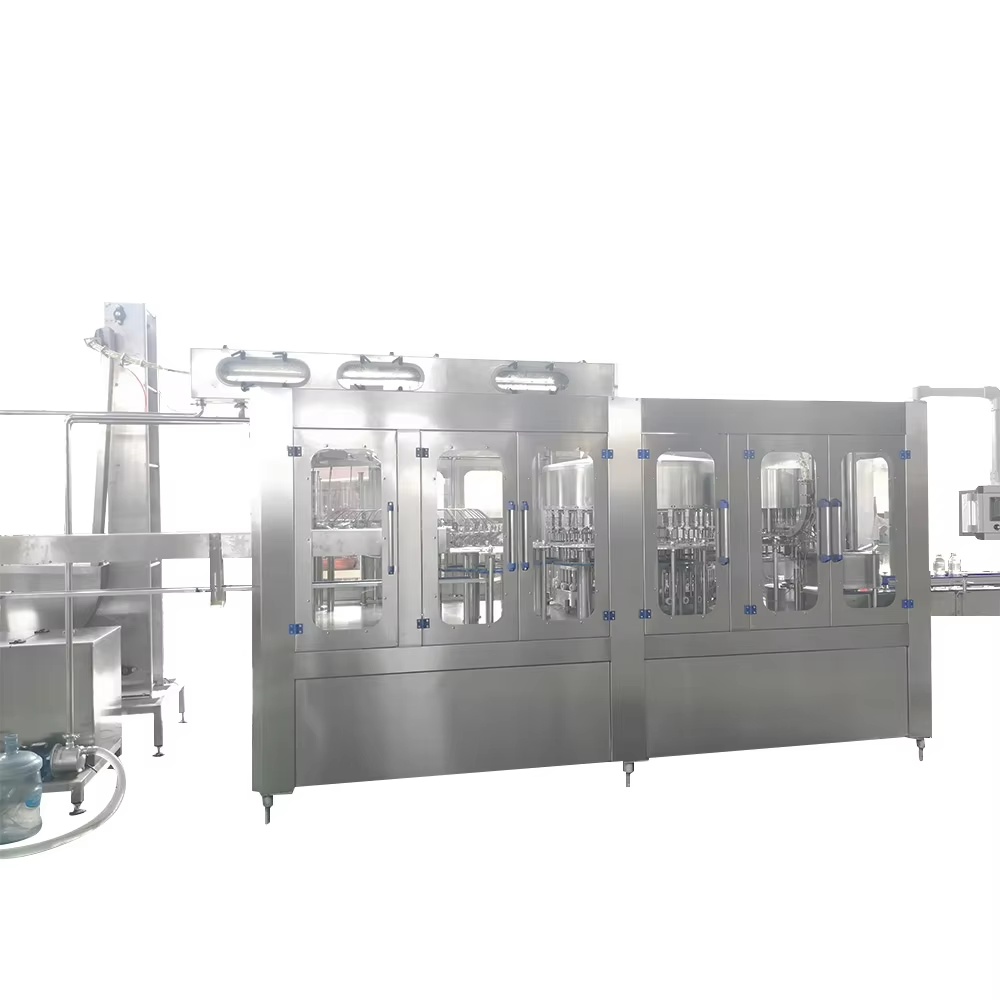
Filling and capping machines are essential equipment in the manufacturing process for industries such as water, beverages, beer, and dairy. These machines automate the process of filling containers and sealing them securely, ensuring product integrity and efficiency on production lines. When considering a filling and capping machine, B2B buyers often have concerns regarding specifications, installation, common operational issues, and suitable applications. This article aims to provide detailed insights into these areas, helping purchasing managers and engineers make informed decisions. 

Our Products

Installation Guidance for Your New Filling and Capping Machinery

Proper installation is critical for optimal performance and longevity of filling and capping machines. Here are essential steps for a successful installation:

Site Preparation: Ensure that the installation area is clean, dry, and free of obstructions. The flooring should be level and capable of supporting the machine's weight. 

Utility Connections: Verify that all necessary utilities (electricity, water, air supply) are accessible. This includes ensuring that electrical connections meet the required voltage and amperage for the machine.  

Manufacturer Guidance: Follow the manufacturer's installation manual closely. wine bottling machine often includes specific instructions for assembling components, calibrating the machine, and ensuring safety features are operational.  

Testing: After installation, conduct a thorough testing phase. This should involve running the machine without product to confirm that all functions operate smoothly before introducing actual product.  

Training: Provide comprehensive training for operators on the machine's functions, safety protocols, and troubleshooting common issues to minimize operational downtime.  

Common Problems with Filling and Capping Machines and Their Solutions

Filling and capping machines can encounter several common issues that affect performance. Here are some typical problems and their solutions: 

Underfilling or Overfilling: This can occur due to incorrect settings or mechanical issues. Regular calibration checks and maintenance can help prevent this problem. Operators should also be trained to monitor fill levels closely. 

Container Misalignment: water purification and bottling machine can lead to misfilling or capping failures. Using sensors or guides can help ensure containers are aligned correctly during the filling and capping process. 

Seal Failures: Poor sealing can result from incorrect cap torque or unsuitable sealing materials. Conduct regular inspections and adjust torque settings as necessary, and ensure that sealing surfaces are clean and free of contaminants. 

Mechanical Failures: Components may wear out over time, leading to breakdowns. Implement a routine maintenance schedule to replace worn parts before they lead to machine failure. 

Applications of Filling and Capping Machines Across Various Industries

Filling and capping machines are widely used across several industries, including: 

Beverage Industry: These machines are essential for bottling soft drinks, juices, and water, ensuring precise fill levels and secure closures to maintain product freshness. 

Dairy Products: In dairy processing, filling and capping machines are used for milk, yogurt, and cheese products, requiring specific adjustments to accommodate varying viscosities and packaging types. 

Pharmaceuticals: In this sector, filling machines must adhere to stringent sanitary standards. They are used for medicines in liquid forms, ensuring accurate dosages and tamper-proof seals. 

Cosmetics and Personal Care: Filling and capping machines are vital for products like lotions and creams, where packaging must be aesthetically pleasing while also functional. 

Industrial Chemicals: These machines are used for packaging cleaning agents and other chemicals, which may require special materials to prevent corrosion and ensure safety. 

Comparing Features of Leading Filling and Capping Machine Models

When evaluating different filling and capping machine models, consider the following features to determine which best meets your operational needs:

Filling Technology: Look for models that utilize advanced filling techniques, such as volumetric, gravimetric, or pressure filling, depending on product characteristics. Each method has its advantages and disadvantages in terms of speed and accuracy. 

Capping Mechanism: Different capping systems, such as screw-on, snap-on, or crimping, are designed for various container types. Assess compatibility with your existing packaging to avoid issues. 

User Interface: A machine with an intuitive control panel and easy-to-navigate software can greatly enhance operational efficiency. Consider models that offer touch screen controls and programmable settings for different products. 

Flexibility: Some machines are designed to handle various container sizes and shapes without requiring extensive reconfiguration. This flexibility can save time and reduce costs in multi-product facilities. 

After-Sales Support: Evaluate the manufacturer’s support services, including installation, training, and ongoing maintenance options. A manufacturer with a strong reputation for customer service can help minimize downtime and operational challenges. 

By understanding these aspects of filling and capping machines, B2B buyers can make more informed decisions that align with their production goals and operational requirements. 

Key Specifications to Consider for Filling and Capping Machines

When selecting a filling and capping machine, understanding key specifications is crucial for ensuring that the equipment meets production requirements. Here are some critical specifications to consider: 

Filling Volume: Different machines are designed for specific fill volumes. Buyers should assess the range of volumes they'll require and choose a machine with adjustable fill settings to accommodate various product sizes. 

Speed and Efficiency: The wine filling machine speed, measured in bottles or containers per minute, is a vital consideration. Higher speeds can increase productivity but may also require more rigorous quality control measures to prevent errors. 

Machine Dimensions: The physical dimensions of the machine must fit within the existing production space. Consideration should also be given to the height and width of containers being filled, ensuring compatibility with the machine's filling mechanisms. 

Material Compatibility: Filling and capping machines interact directly with products. It's important to ensure that components are made from materials that can withstand the specific chemical properties of the liquids being processed, especially in industries like dairy and beverages. 

Automation Level: Some machines offer fully automated processes, while others may require manual intervention. Understanding the level of automation desired can influence both operational efficiency and labor costs. 

Certification and Compliance: Verify that the machine meets relevant industry standards and certifications, such as ISO9001 and CE. This guarantees that the equipment adheres to safety and quality regulations. 

Frequently Asked Questions

What types of liquids can the filling and capping machine handle?

Our filling and capping machines handle water, beverages, beer, dairy and similar low- to medium-viscosity liquids with appropriate nozzles and settings.
Yes. Since 2010 we provide customized designs and configurations to meet capacity, bottle type, and production line requirements.
Our factory holds ISO9001 and CE certifications, ensuring design, manufacturing and safety meet international standards.
Yes. Our in-house engineering team offers pre-sales consultation, installation, commissioning and remote or on-site technical support.
Lead time varies by model and customization. We export to over 40 countries and will provide a specific delivery schedule after order confirmation.

Our Blog Posts

Complete Bottling Line Remote Monitoring: Managing Production from Any Location

25

Apr

Complete Bottling Line Remote Monitoring: Managing Production from Any Location

With faraway viewing, bottling lines are changing production lines. Companies such as Mars can monitor the whole production no matter where they are. If you can monitor the number of bottles filled, sealed and packed, it would save time. Workers can ...
View More
Water Bottling Line Packaging Innovation: Eco-Friendly Cartons Instead of Plastic Wraps

21

Apr

Water Bottling Line Packaging Innovation: Eco-Friendly Cartons Instead of Plastic Wraps

Mars excited to share new ideas about how we package water bottles. Instead of plastic wraps, we introducing eco-friendly cartons. This change is important for our planet and it helps reduce waste. Our new cartons made from materials that break down ...
View More
Full Automatic Water Bottling Line Complete Equipment Configuration

22

Jun

Full Automatic Water Bottling Line Complete Equipment Configuration

A full automatic water bottling line is a great way to package water quickly and efficiently. This equipment helps factories fill bottles with water without needing much help from people. Companies like Mars use this kind of technology to keep up wit...
View More

Get a Free Quote

Our representative will contact you soon.
Email
Name
Company Name
Message
0/1000

Get a Free Quote

Our representative will contact you soon.
Email
Name
Company Name
Message
0/1000