 EN
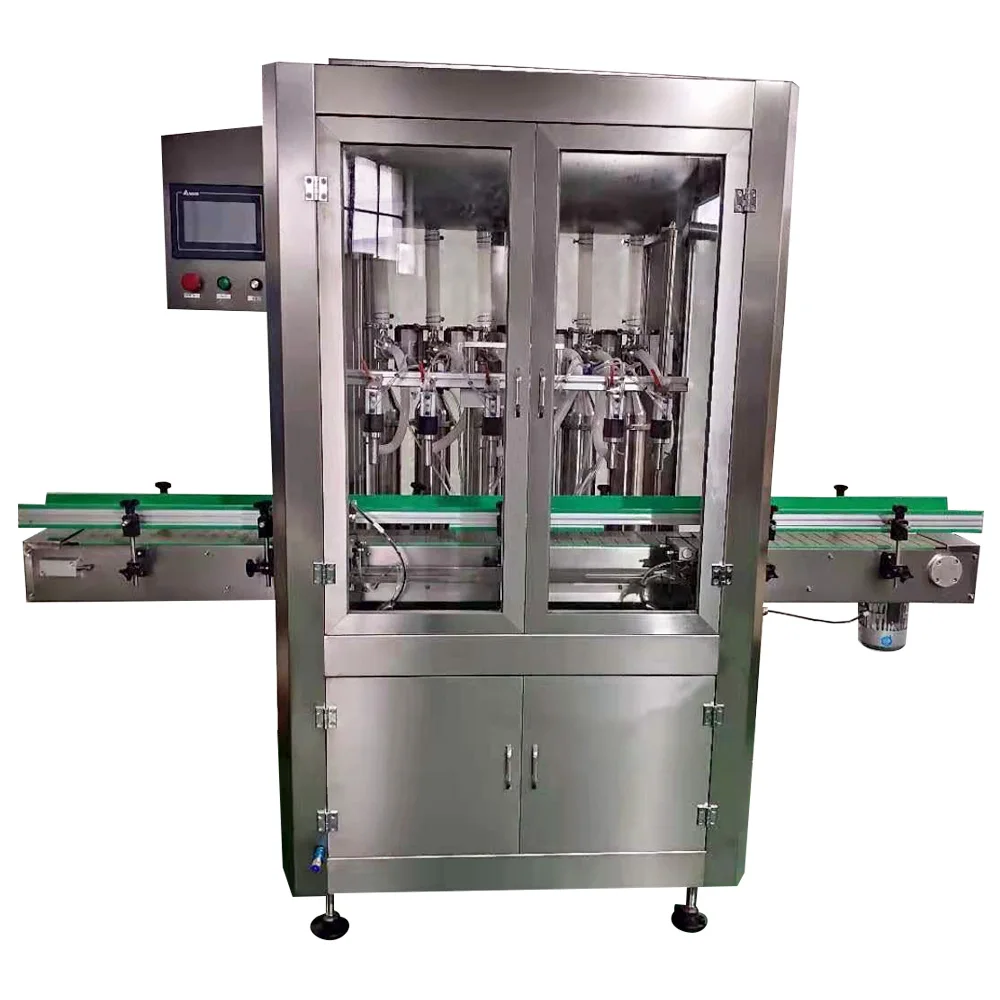
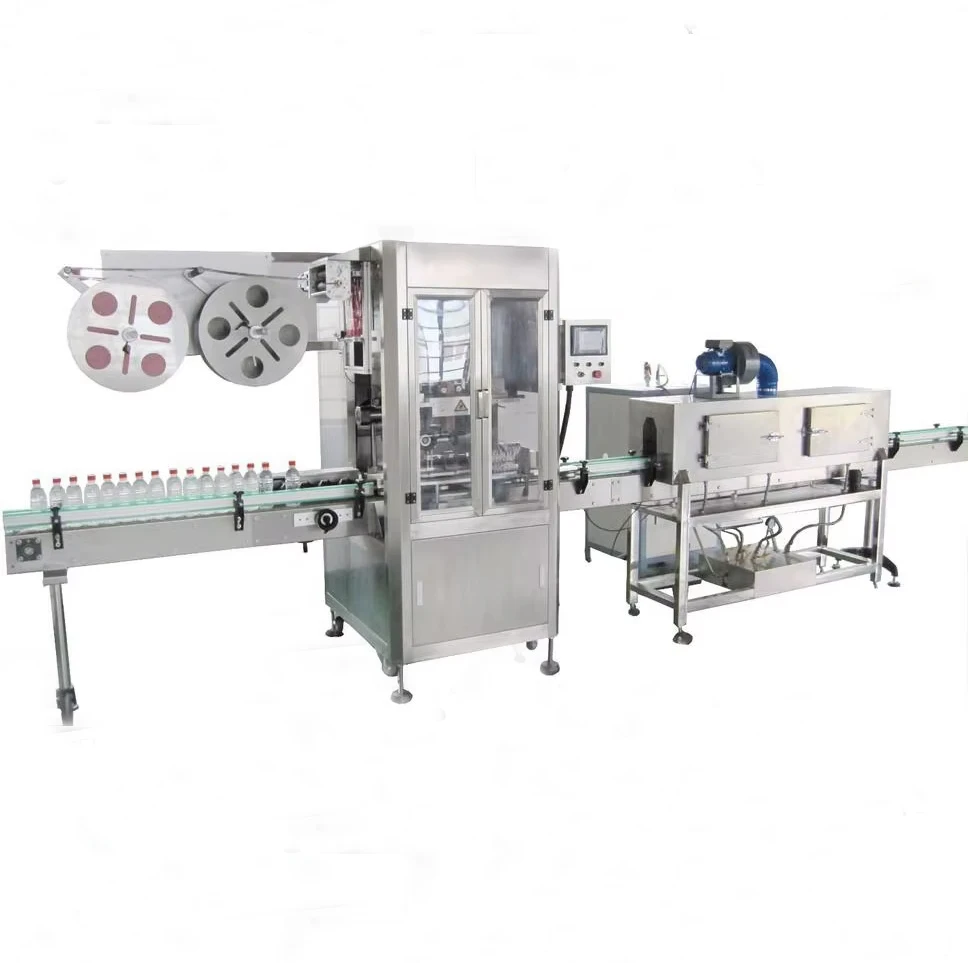
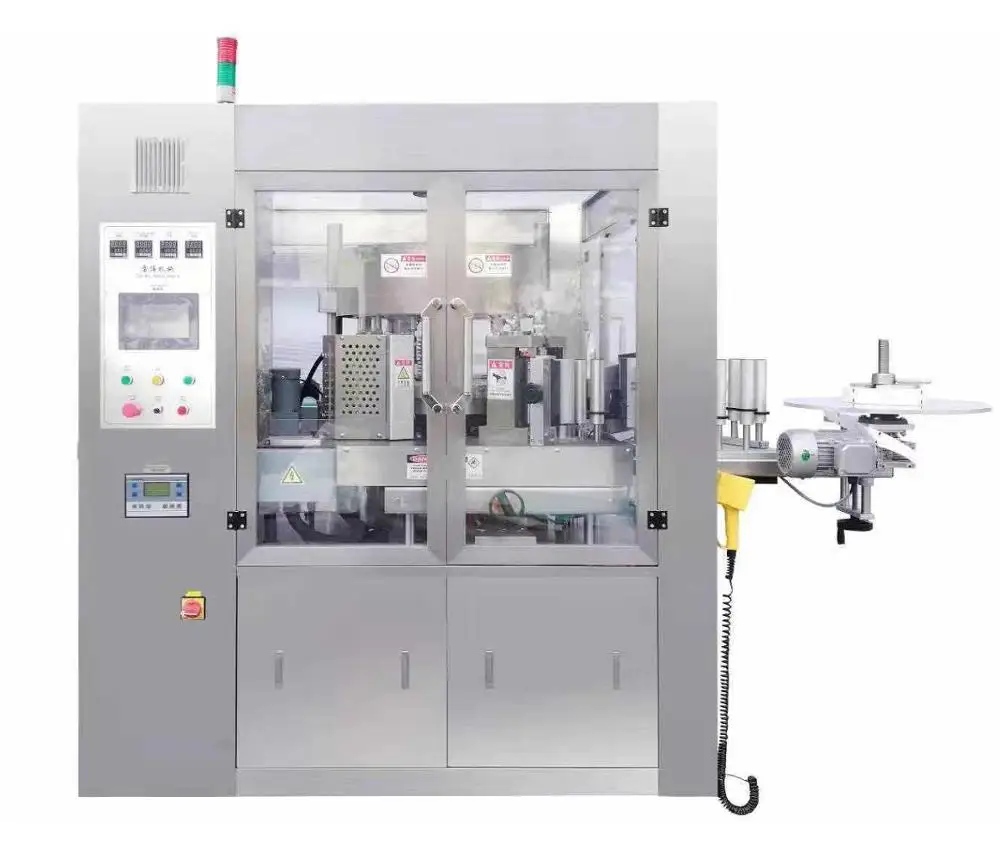
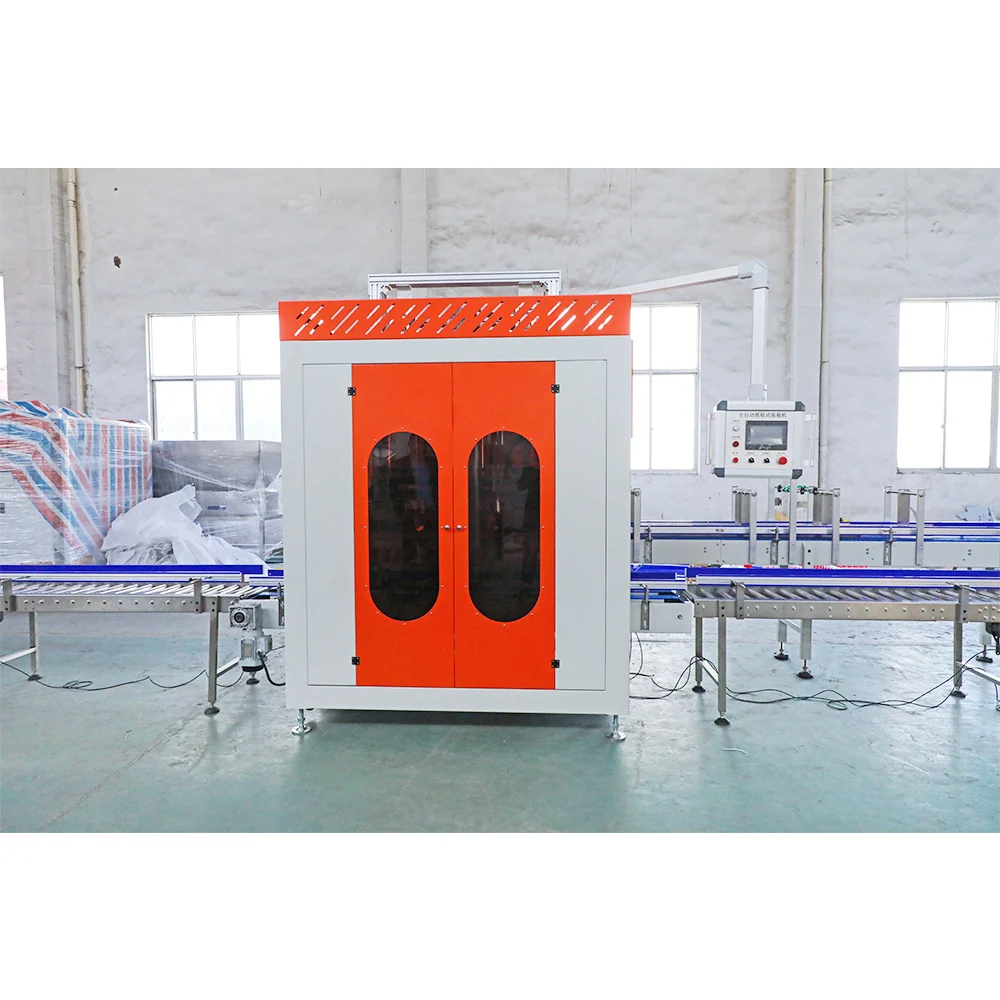
Bottling line conveyors are essential components in the liquid packaging process, designed to transport bottles seamlessly through filling, capping, and labeling stations. For companies in the water, beverage, beer, and dairy industries, selecting the right bottling line conveyor is crucial to operational efficiency and product integrity. Buyers often seek to understand various aspects of bottling line conveyors, including key specifications, quality, and common issues. This article aims to equip purchasing managers and decision-makers with practical insights to make informed choices when evaluating bottling line conveyors for their operations.



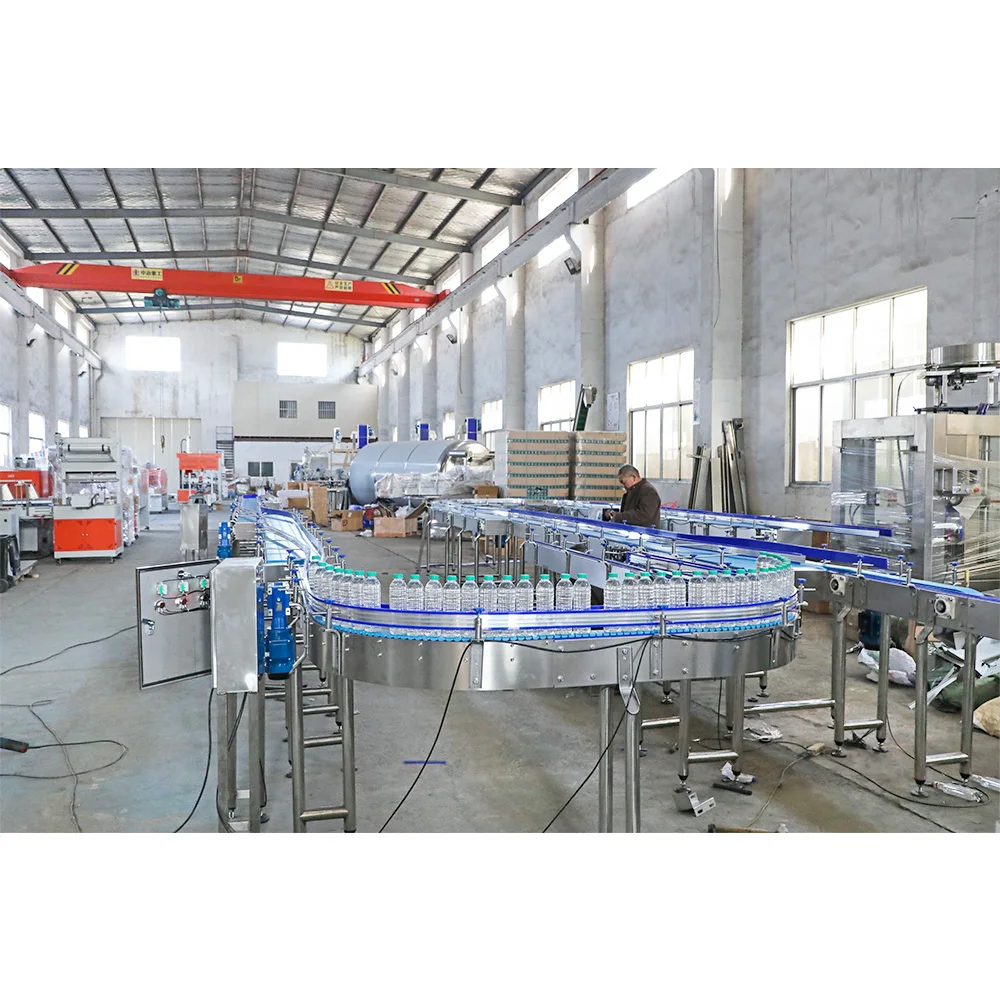
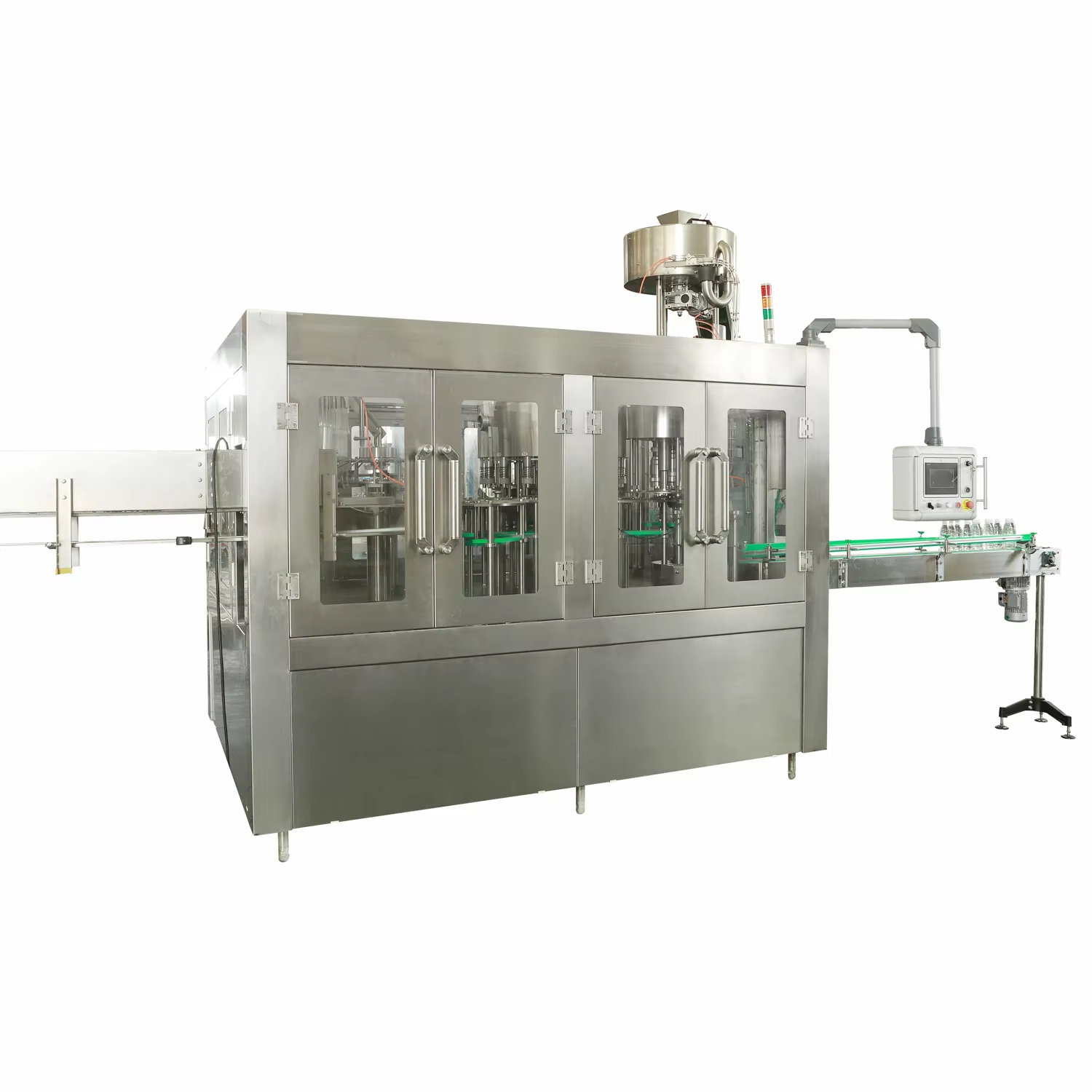
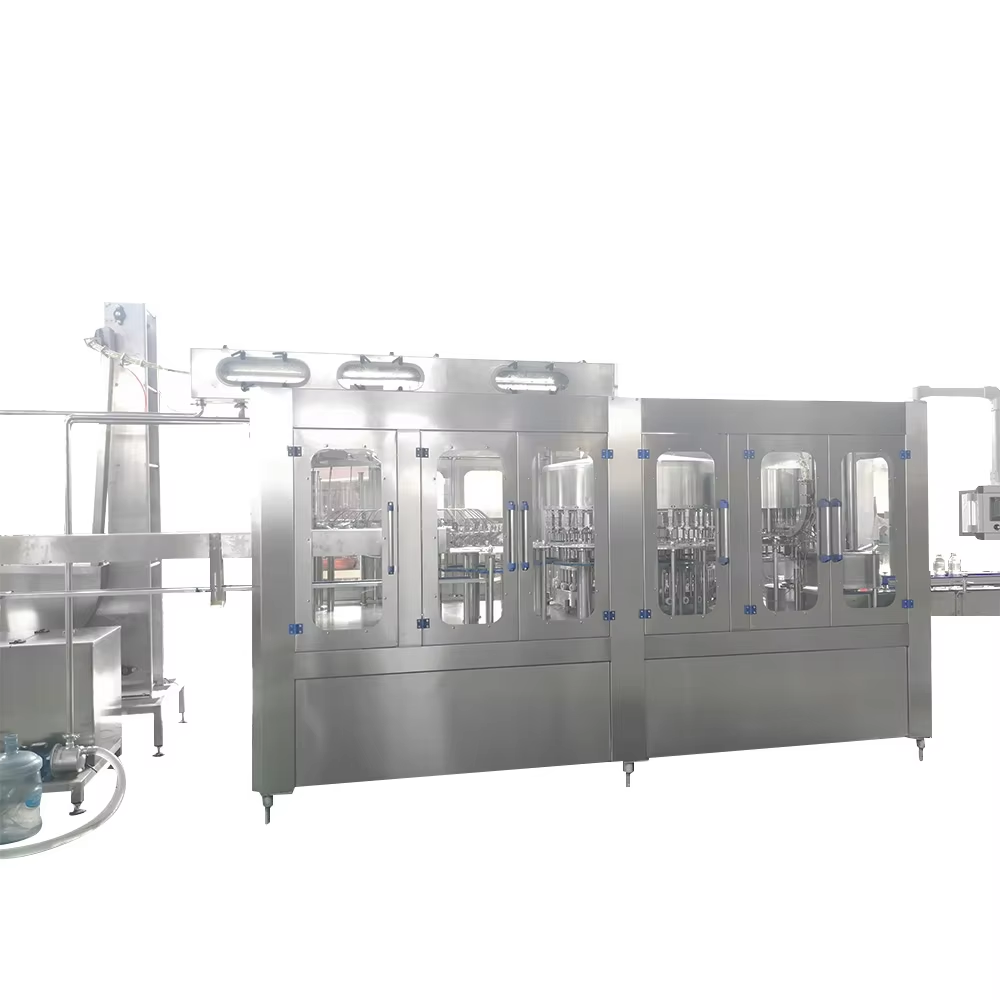
Key Specifications to Consider for Bottling Line Conveyors
Several key specifications should be reviewed when choosing a bottling line conveyor
Material: The bottling line conveyor's construction material should be compatible with the liquids being transported. Stainless steel is often preferred for its durability and resistance to corrosion, especially in food and beverage applications
Belt Width and Load Capacity: Ensure that the bottling line conveyor's belt width can accommodate your bottle sizes, while the load capacity should align with your production volume. This prevents bottlenecks and ensures smooth operation
Speed Control: Variable speed control allows for flexibility in production, adapting to different filling rates or operational changes
Incline and Decline Options: Depending on your production layout, you may need bottling line conveyors that can operate at various angles. This is particularly important in facilities where space optimization is necessary
Cleaning and Maintenance Features: Easy access for cleaning and maintenance is vital in maintaining hygiene standards, particularly in food and beverage industries. Look for bottling line conveyors with removable components or easy-to-clean surfaces
Safety Features: Adequate safety guards and emergency stop mechanisms are essential to protect operators and ensure compliance with industry regulations