 EN
Automatic lubricant oil filling machines are essential for companies that require efficient and precise filling processes in the manufacturing of lubricants. These machines are designed to automate the filling of oil into various containers, from small bottles to large drums, ensuring consistency and reducing human error. B2B buyers, including purchasing managers and engineers, often seek solutions that enhance productivity while maintaining high standards of quality and reliability. This article will guide you through selecting the right automatic lubricant oil filling machine, evaluating their quality, addressing common problems, installation guidance, and their applications in the industry.
Evaluating the Quality of Automatic Lubricant Oil Filling Machines
Quality evaluation is crucial in ensuring that your automatic lubricant oil filling machine operates efficiently and reliably. Start by checking for industry certifications such as ISO9001 and CE, which indicate adherence to international quality standards. These certifications ensure that the machines have undergone rigorous testing and meet safety and performance criteria.
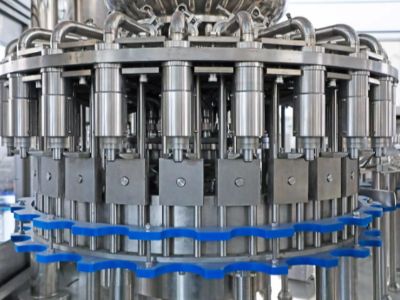
Next, assess the materials used in the machine's construction. Durable materials that can withstand the harsh conditions of an industrial environment, like stainless steel or high-grade plastics, are essential for longevity. Pay attention to the design and engineering of the filling components, as precision in these areas directly impacts filling accuracy and reduces maintenance costs.
Additionally, inquire about the manufacturer's quality control processes. A reputable supplier should provide information on their testing methods and performance metrics, which can give you confidence in the machine's reliability and effectiveness.