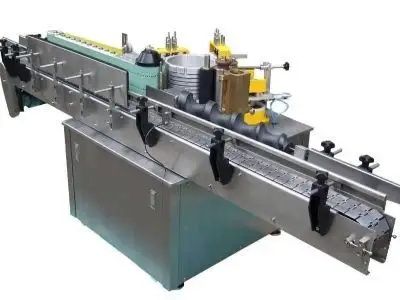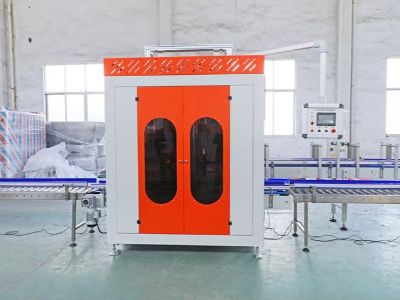
Choosing an Automatic Edible Oil Filling Machine

All Categories

automatic edible oil filling machine

An automatic  edible  oil filling machine is a specialized piece of equipment designed to accurately dispense and  package edible oils into containers. For businesses  in  the food and beverage  industry, selecting the right filling machine is crucial.  Buyers typically focus on machine reliability, accuracy, efficiency, and compatibility with  various  container types. This article will  guide  you through essential considerations  when  choosing an  automatic edible oil  filling  machine, sourcing reliable suppliers, troubleshooting  common issues, exploring  industry  applications,  and comparing different models. If you are also looking for comprehensive solutions for your production line, consider checking out the A to Z Complete Full Automatic Mineral Water Plant Machine Project.

Where to Source Reliable Suppliers for Oil Filling Equipmen

Finding a trustworthy  supplier for  automatic edible oil filling  machines is critical for ensuring quality and reliability. Here are some strategies to identify reputable manufacturers:

Industry Trade Shows: Attend trade shows  related to food and beverage processing. This allows  for  direct interaction with manufacturers, enabling you to assess machine performance firsthand.

Online Marketplaces and Directories: Platforms like Alibaba or ThomasNet can help you discover suppliers, but ensure  to verify their credentials and customer reviews. Look  for  companies with a  proven track record  in  the edible oil sector.

Referrals and Recommendations: Connect with industry peers or  associations who may recommend reliable manufacturers based on their experiences. Networking can  provide  insights that online research  might  miss.

Request for Quotations (RFQs): When you find potential suppliers, send RFQs detailing your  specific requirements. Their responsiveness and clarity in communication can also be indicators of their reliability.

Visit Manufacturing Facilities: If possible, visit  the factory to observe the production  process, quality control measures, and overall operational standards. This can provide valuable insights into their capabilities.
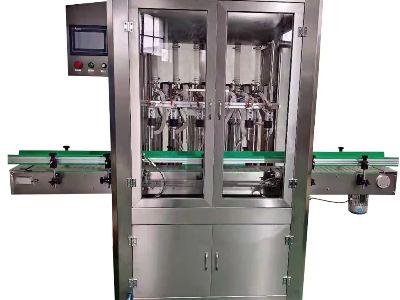
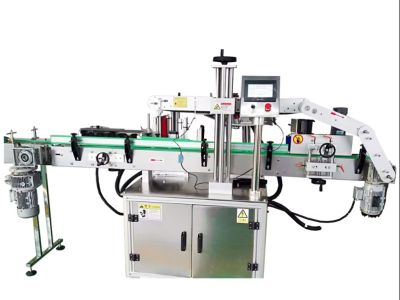
Common Problems and Solutions for Oil Filling Operations

Despite the  advanced technology in automatic edible oil filling machines, users  may encounter  several common issues:

Inconsistent Fill Levels: This can occur due to variations in oil  viscosity or incorrect machine calibration. Regular calibration checks and using viscosity measurement tools can help maintain accuracy.

Container Misalignment: Misaligned containers can lead to  spills and  waste. Implementing  guides or sensors to ensure correct positioning before filling  can reduce this issue.

Clogged  Nozzles: Residue buildup may clog nozzles over time. Regular  cleaning and maintenance  schedules are essential to prevent this  and ensure smooth operation.

Air Bubbles in Oil:  These can  affect the fill level and product quality. Using  vacuum filling techniques or ensuring the filling nozzles are submerged  can minimize air  entrapment.

Faulty Sensors: Malfunctioning sensors can lead to inaccurate fill measurements. Regularly testing and replacing sensors as needed can  help  maintain  machine performance.

Applications of Automatic Edible Oil Filling Machines in Industry

Automatic edible oil filling machines serve a variety of applications  across different  sectors:

Food and Beverage Industry:  These machines are commonly used for filling cooking oils,  salad dressings, and sauces, ensuring accurate volumes  and  efficient  packaging.

Cosmetics and Personal Care:  Many  cosmetic  products, such as oils and  lotions, require similar  filling  technologies, making these machines versatile.

Chemical Industry:  Edible oil filling machines can also fill  non-food  liquids, including cleaning agents and industrial oils, demonstrating their adaptability.

Pharmaceuticals:  Some liquid medicines mimic oil filling processes; hence, similar machinery can be adapted  to meet stringent pharmaceutical regulations.

Comparing Different Models of Automatic Edible Oil Filling Machines

When comparing models of automatic edible oil filling machines, consider the following aspects:

Filling  Mechanism: Different machines employ various filling mechanisms, such as gravity,  volumetric, or  piston filling. Each has its advantages based on the product viscosity and desired accuracy.

Automation Level: Determine  if you need a fully automatic or semi-automatic machine. Fully automated  systems enhance efficiency but may require a higher upfront investment.

Production Capacity: Compare the maximum fill rates and container sizes each model can handle. Ensure the  machine aligns with your production demands.

Ease of Use:  Look for  machines  with user-friendly interfaces and straightforward operation. Training staff should be easy to  facilitate a seamless  transition.

Price vs. Features: While pricing  is essential, weigh it against the features offered. A slightly higher investment in a more advanced model  can lead to better long-term  performance and lower operational costs.

By understanding these considerations  and leveraging the information presented, you  can make more informed decisions when purchasing an automatic edible oil filling machine.  This will  not only enhance your production efficiency but also  ensure  product quality and customer satisfaction.

What to Consider When Choosing an Automatic Edible Oil Filling Machine

When selecting  an automatic edible oil filling  machine, several key factors should be evaluated:

Filling Accuracy: Precision is vital in oil filling, as underfilling or  overfilling can lead to customer dissatisfaction. Look for machines that offer adjustable filling volumes  and consistently meet specified tolerances.

Speed  and Throughput: Depending  on your production scale, the machine's filling speed should align with your operational needs. Consider the number of bottles  per minute (BPM) and ensure it meets your production  targets.

Compatibility with Containers: Different oils may require varying types of containers, from glass to plastic.  Ensure the chosen machine can accommodate  your specific container sizes and materials without compromising efficiency.

Material Quality: The machine's construction materials should be resistant to corrosion, especially since oils can react with certain metals. Stainless steel is commonly preferred for its durability and  ease of cleaning.

Customization  Options: If you have unique filling requirements or packaging formats,  inquire about customization capabilities. A manufacturer that can tailor the machine to your needs can provide significant long-term benefits. For example, the 15000BPH Automatic Carbonated Sparkling Water Bottling Machine offers customization for diverse beverage applications.

Maintenance and Support: Evaluate  the manufacturer's reputation for customer support and ease of maintenance.  Regular servicing and quick access to spare parts will minimize downtime.

Certifications: Ensure  the machine  complies with relevant industry standards, such as ISO9001 and CE  certifications, which indicate quality and safety.

Our Blog Posts

Washing Capping Machine Speed Adjustment: Syncing with Variable Filling Line Speeds

07

Mar

Washing Capping Machine Speed Adjustment: Syncing with Variable Filling Line Speeds

Washing and capping machines are really important in factories where they fill bottles with liquids. The speed of this machines need to match with the filling line speed. If they don't sync good, production can slow down or make some mistakes happen....
View More
Adhesive Labeling Machine Label Material: Choosing Durable Labels for Refrigerated Products

31

Mar

Adhesive Labeling Machine Label Material: Choosing Durable Labels for Refrigerated Products

When it comes to labeling products that go in a fridge, picking the right kind of labels is really important. These labels need to stick well and not come off, even if they get cold or wet. At Mars, we get how key it is for businesses to have tough l...
View More
Washing Capping Machine Cap Sorting: Auto-Sorting Systems to Avoid Misaligned Caps

17

Apr

Washing Capping Machine Cap Sorting: Auto-Sorting Systems to Avoid Misaligned Caps

Washing capping machines are important machine in a beverage and liquids bottling factory. Among various functions of washing capping machine, the cap sorting mechanism plays very important part. As is shown, the cap sorting mechanism of washing capp...
View More
High Speed Packing Machine Advantages for Mass Bottle Production

17

Jun

High Speed Packing Machine Advantages for Mass Bottle Production

High-speed packing machines are great tools that help factories pack bottles quickly and efficiently. When producing big numbers of bottles, these machines become a big deal. The filling and packing machine save time and money, making it easier ...
View More

Get a Free Quote

Our representative will contact you soon.
Email
Name
Company Name
Message
0/1000

Get a Free Quote

Our representative will contact you soon.
Email
Name
Company Name
Message
0/1000