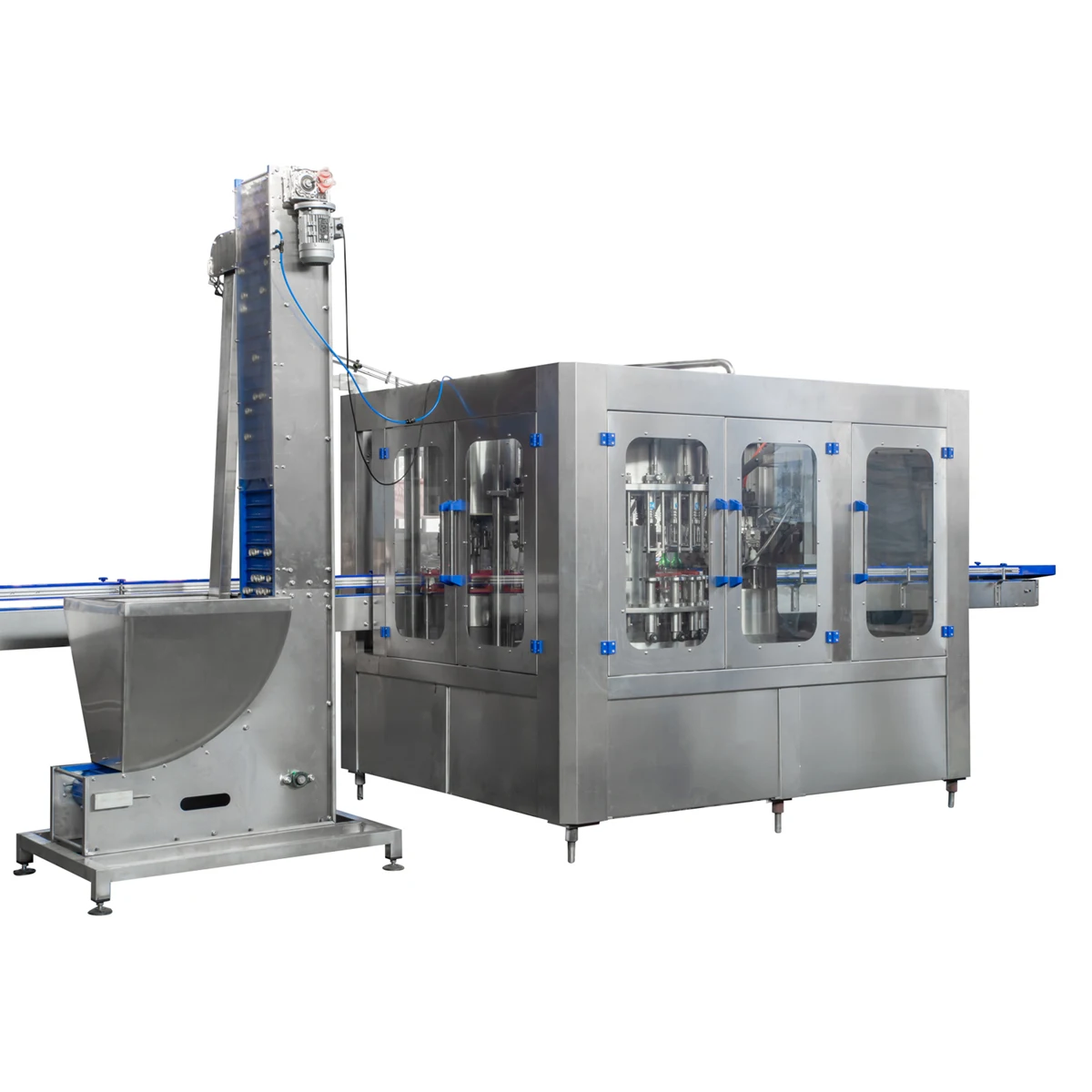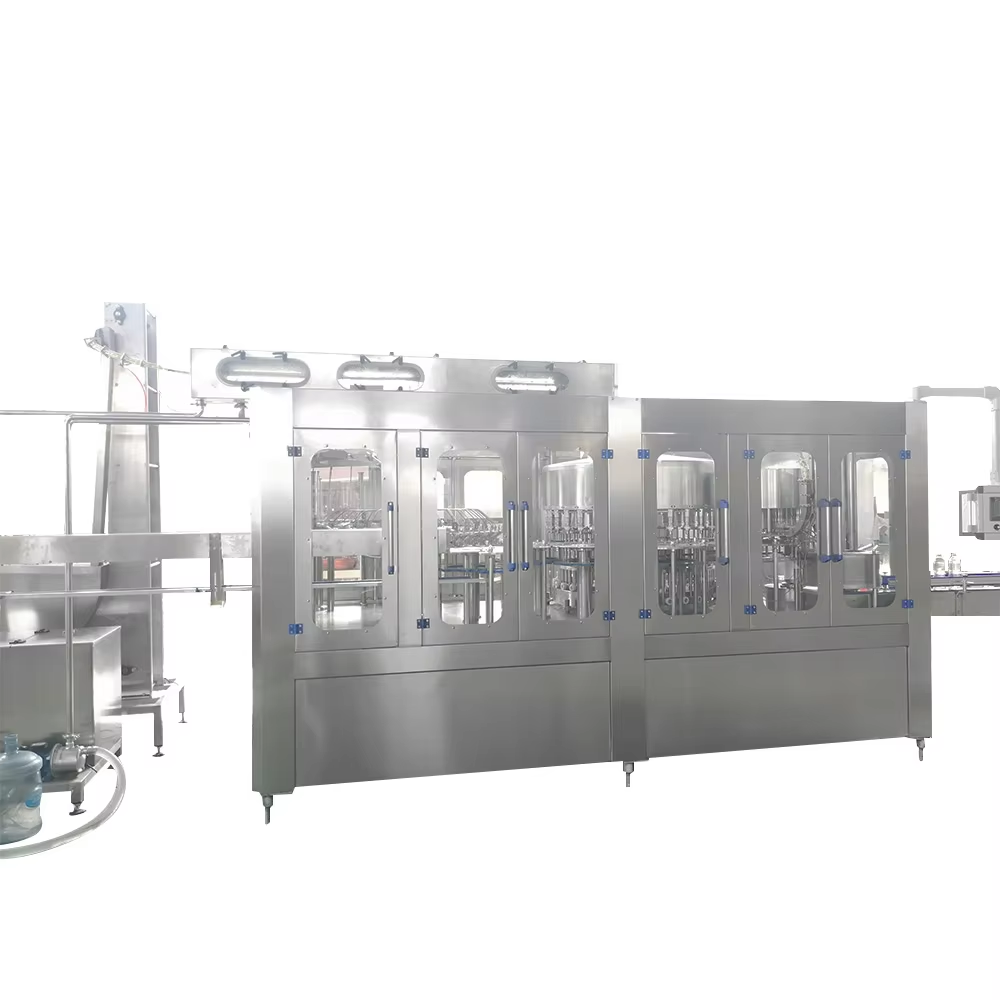
Reliable Liquid Filling, Capping, and Labeling Machines

All Categories

Liquid filling capping and labeling machine

Liquid filling, capping, and labeling machines are crucial for streamlining packaging processes in industries such as beverages, dairy, and chemicals. These machines not only enhance productivity but also ensure consistent quality and compliance with regulatory standards. For B2B buyers, understanding the specifications, installation requirements, and cost factors of liquid filling, capping, and labeling machines is essential to make informed purchasing decisions. This article will provide practical insights to help you evaluate and select the right machinery for your operations.

Our Products

How to Compare Liquid Filling Machines for Bulk Orders

When comparing liquid filling machines for bulk orders, start by gathering detailed specifications from various manufacturers. Request technical datasheets that outline the machine's features, production speed, and any customization options available. Look for machines that align with your specific filling requirements, including the types of liquids being packaged and the required filling accuracy. 

Evaluating the manufacturer’s reputation and experience is also crucial. A company like Mars Packing Machinery, with over a decade of expertise and ISO9001 and CE certifications, instills confidence in the quality and reliability of its products. Moreover, consider the level of after-sales support offered, including installation, maintenance services, and the availability of spare parts. 

Another factor to analyze is the total cost of ownership, which includes not only the initial purchase price but also operating costs, maintenance requirements, and potential downtime. Inquire about warranty terms and what they cover, as this can significantly influence long-term costs and operational efficiency. 
Quality Control Measures in Liquid Filling and Capping Machinery

Quality control is paramount in the operation of liquid filling, capping machine, and labeling machines. Implementing robust quality control measures ensures that the packaged products meet industry standards and customer expectations. Start by assessing the machine's calibration capabilities; regular calibration is essential for maintaining accurate filling volumes. 

Incorporate automated quality checks, such as weight checks and visual inspections, to identify defects before products leave the production line. Many modern machines offer integrated sensors that can detect overfilling or under filling, enhancing product quality control. 

Furthermore, it's advisable to establish a quality assurance protocol that includes regular maintenance and inspections of the machinery. This will help in identifying potential issues before they affect production. Collaborating with experienced manufacturers who understand the importance of quality control, like Mars Packing Machinery, can provide additional insights on best practices and innovations in quality assurance. 

Installation Guidance for Your Liquid Filling and Capping System

Proper installation of liquid filling and capping systems is crucial for optimal performance. Prior to installation, ensure that the site is adequately prepared, including electrical and plumbing requirements. Consult the manufacturer's installation manual for specific guidelines tailored to the machine model. 

It is beneficial to have the manufacturer's engineering team involved in the installation process. Their expertise can help mitigate common installation errors, such as improper alignment, which can lead to operational inefficiencies. During installation, pay attention to the setup of the filling nozzles and capping heads, ensuring they are calibrated according to the product specifications. 

After installation, conduct a series of test runs to verify that the machinery operates correctly under different conditions. This will help identify any adjustments needed before full-scale production begins. Documenting this process can also be valuable for future reference or maintenance needs. 

Cost Factors to Evaluate for Liquid Filling and Capping Equipment

Several cost factors influence the purchase of liquid filling and capping machinery. The initial purchase price is often the most visible cost, but buyers should consider the total cost of ownership, which includes installation, maintenance, and operational expenses. 

Operational costs may encompass energy consumption, labor costs associated with operating the machinery, and costs related to downtime due to maintenance or repairs. Therefore, it is essential to consider the machine's energy efficiency ratings and how this will impact overall costs. 

Customization requirements can also affect pricing. Machines that require specific adaptations for unique products or packaging types may incur additional costs. When evaluating quotes, be sure to clarify what is included in the price and what may incur extra charges. 

Finally, inquire about the lead time for delivery and installation, as this can impact your production schedule. Understanding these cost factors will enable you to make a more informed purchasing decision that aligns with your budget and operational needs. 

Key Specifications for Reliable Liquid Filling and Capping Equipment

When assessing liquid filling machines, several key specifications must be considered to ensure reliability and efficiency. The type of filling technology is one of the primary factors. Common options include gravity filling, pressure filling, and vacuum filling, each suited for different liquid viscosities and product types. For instance, gravity filling is ideal for thin liquids, while pressure filling is better for thicker products like sauces. 

Another critical specification is the machine's production capacity, typically measured in bottles per hour. Buyers should evaluate their operational needs to determine the appropriate capacity. Additionally, the material construction of the machine should be considered stainless steel is often preferred for its durability and ease of cleaning, which is vital in maintaining hygiene standards. 

Compatibility with existing packaging types, such as bottles or pouches, is also important. Understanding the dimensions and design of your packaging will help in ensuring that the filling machine and capping processes are seamless. Finally, the machine's automation level, whether manual, semi-automatic, or fully automatic, will significantly influence labor costs and efficiency. 

Frequently Asked Questions

What does the liquid filling capping and labeling machine do?

It integrates liquid filling, bottle capping and labeling in one line to package water, beverages, beer and dairy products efficiently and consistently.
Machines support a range of speeds from small-scale to high-speed industrial lines; specific models and capacities are provided after consultation based on product and bottle size.
Yes. The system is adjustable for various bottle materials, shapes and sizes. Changeover parts and settings are provided to accommodate different containers.
Our factory holds ISO9001 and CE certifications. We perform quality control, testing and final inspection before shipment to ensure reliability.
Yes. Our in-house engineering team offers pre-sales consultation, on-site installation guidance, commissioning and technical support worldwide.

Our Blog Posts

Vietnam Case Study: Building 24,000 BPH Water Plant in 6 Months

22

Nov

Vietnam Case Study: Building 24,000 BPH Water Plant in 6 Months

Constructing a water plant able to produce 24,000 bottles per hour (BPH) is a huge challenge in six months. Finishing on time and with high standards takes careful planning, hard work and thoughtful decisions. The company behind this venture in Vietn...
View More
Complete Bottling Line Upgrades: Adding New Components to Existing Systems

07

Mar

Complete Bottling Line Upgrades: Adding New Components to Existing Systems

Upgrading a bottling line can really change how company works a lot. At Mars, we see this all time. When you put new stuff into old system, everything runs more smooth and quicker usually.  Where to Find Good Solutions Finding right up...
View More
Water Bottling Line Packaging Innovation: Eco-Friendly Cartons Instead of Plastic Wraps

21

Apr

Water Bottling Line Packaging Innovation: Eco-Friendly Cartons Instead of Plastic Wraps

Mars excited to share new ideas about how we package water bottles. Instead of plastic wraps, we introducing eco-friendly cartons. This change is important for our planet and it helps reduce waste. Our new cartons made from materials that break down ...
View More
Best Labeling Machine Selection Tips for Bottle Packaging Industry

16

Jun

Best Labeling Machine Selection Tips for Bottle Packaging Industry

Choosing right labeling machine is important, specially in bottle packaging industry. Good labeling machine help make sure each bottle looks professional and ready for sale. If labels is crooked or not applied correct, it can makes the product seem l...
View More

Get a Free Quote

Our representative will contact you soon.
Email
Name
Company Name
Message
0/1000

Get a Free Quote

Our representative will contact you soon.
Email
Name
Company Name
Message
0/1000