 EN
EN

- Overview
- FAQ
- Recommended Products
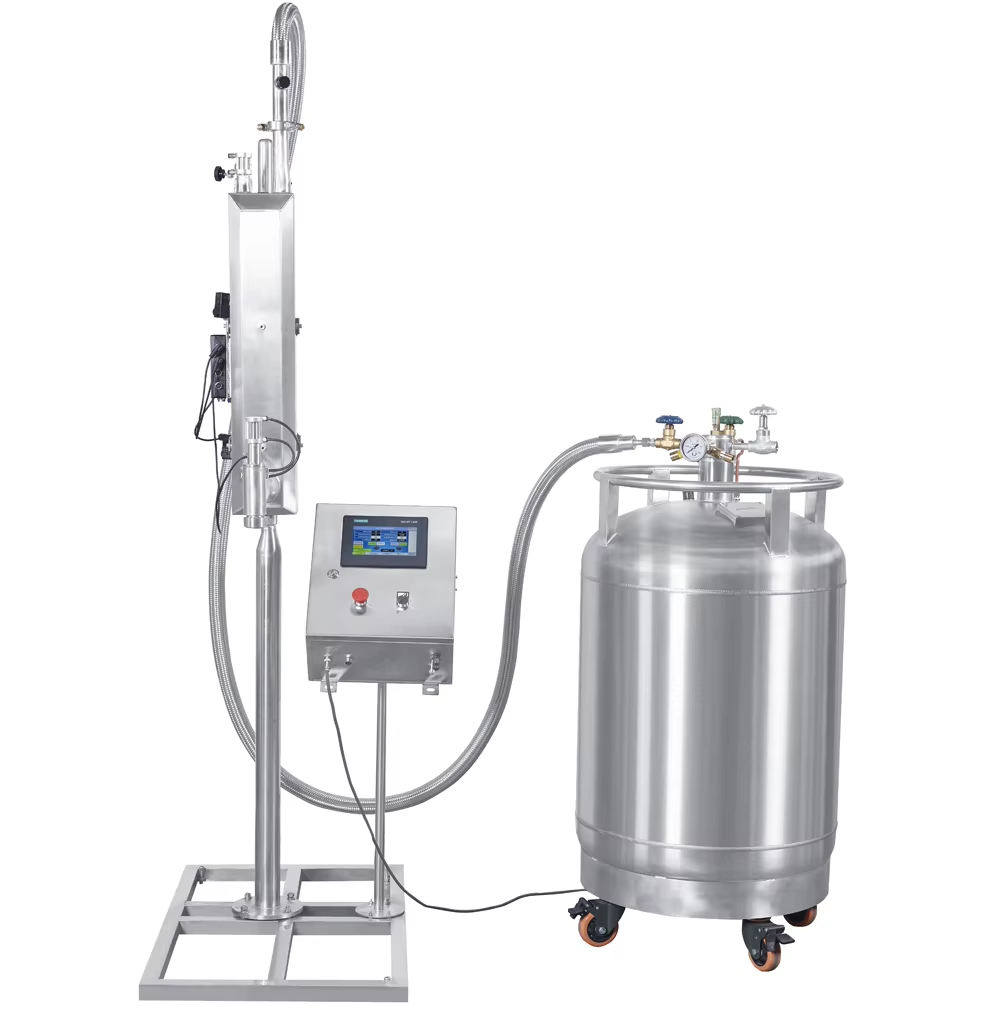
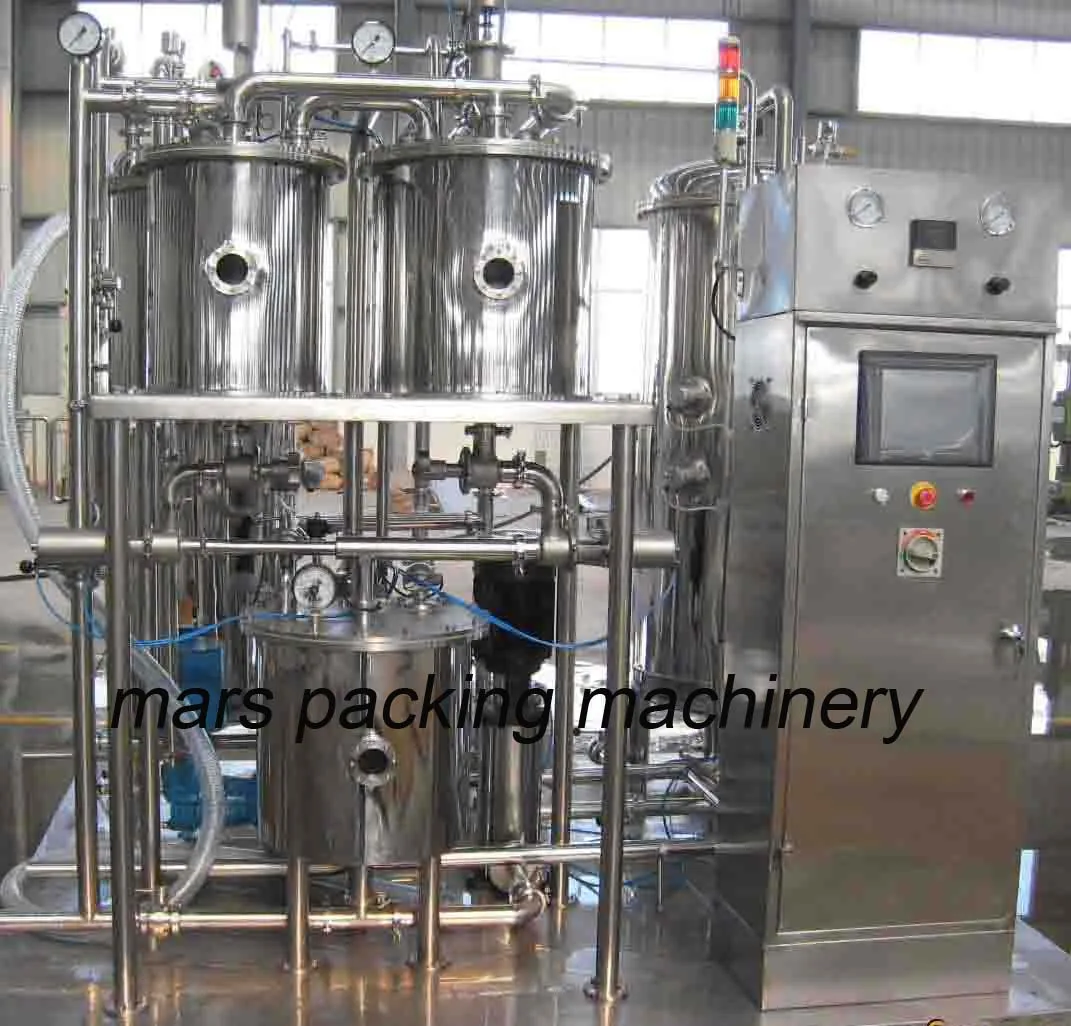
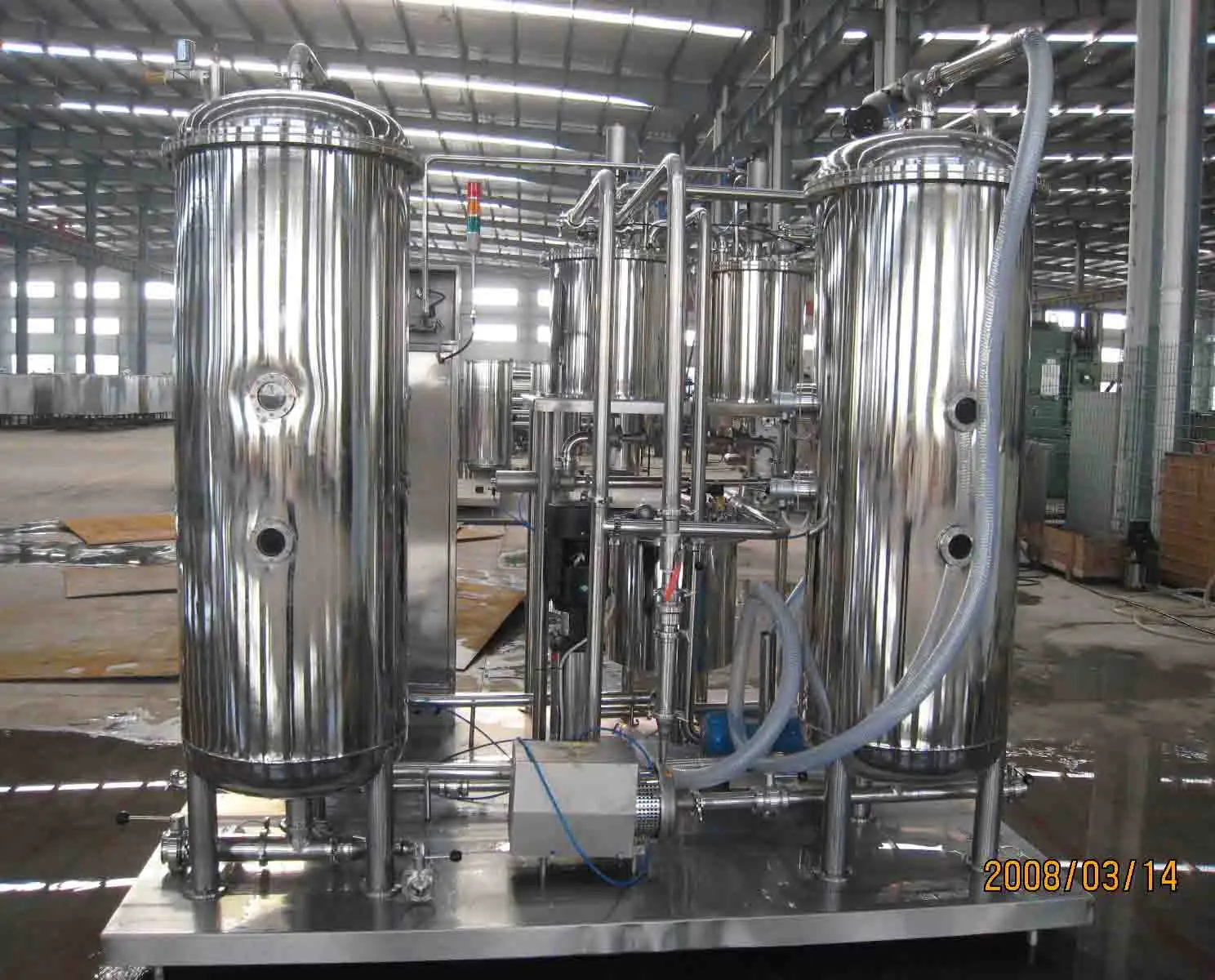
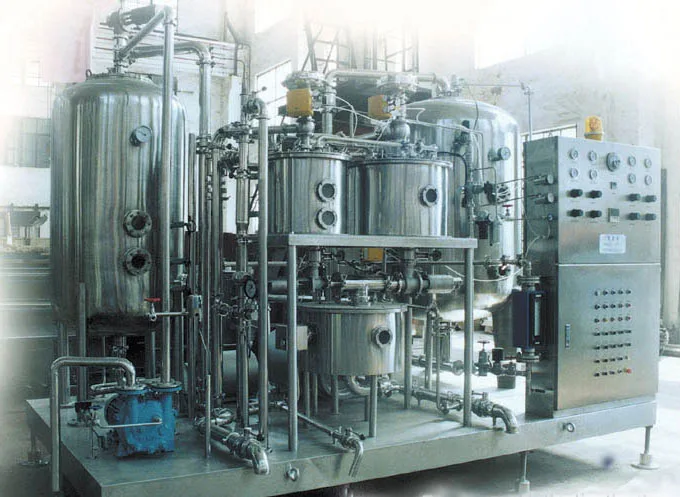
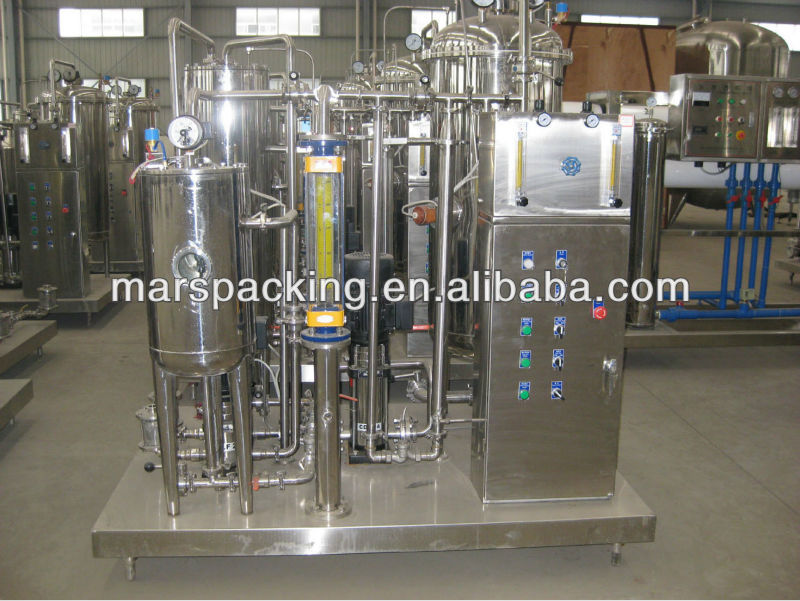
Introducing, the Mars’s SUS304 Stainless Steel CO2 Carbonator Saturator! This innovative water drink mixer is perfect for creating delicious and refreshing carbonated beverages at home or in a commercial setting. Made from high quality SUS304 stainless steel, this Carbonator saturator is durable and built to last.
With 5 tanks for storing different syrups and flavors, the Mars Carbonator saturator allows you to easily mix and carbonate your favorite drinks. Whether you prefer classic cola, fruity sodas, or sparkling water with a hint of flavor, this Carbonator saturator has you covered. Simply fill the tanks with your desired syrups, connect the CO2 tank, and watch as the carbonation process begins.
The Mars Carbonator saturator is designed to evenly distribute CO2 throughout the water, ensuring that your drinks are perfectly carbonated every time. Say goodbye to flat or overly fizzy drinks - with this Carbonator saturator, you can achieve the ideal level of carbonation for a crisp and refreshing beverage.
In addition to its superior performance, the Mars Carbonator saturator is also incredibly easy to use. The sleek and user-friendly design makes it simple to operate, even for those who are new to carbonation. The tanks are easy to refill and clean, allowing you to quickly switch between different flavors without any hassle.
Whether you're hosting a party, running a restaurant, or simply enjoying a homemade soda on a hot day, the Mars’s SUS304 Stainless Steel CO2 Carbonator Saturator is the perfect addition to your beverage-making arsenal. Elevate your drink game with this innovative and efficient water mixer that is sure to impress your guests and customers.
Don't settle for boring, flat drinks - experience the difference that Carbonation can make with the Mars Carbonator saturator. Invest in quality, durability, and convenience with this top-of-the-line stainless steel water drink mixer. Upgrade your beverage game today with the Mars’s SUS304 Stainless Steel CO2 Carbonator Saturator
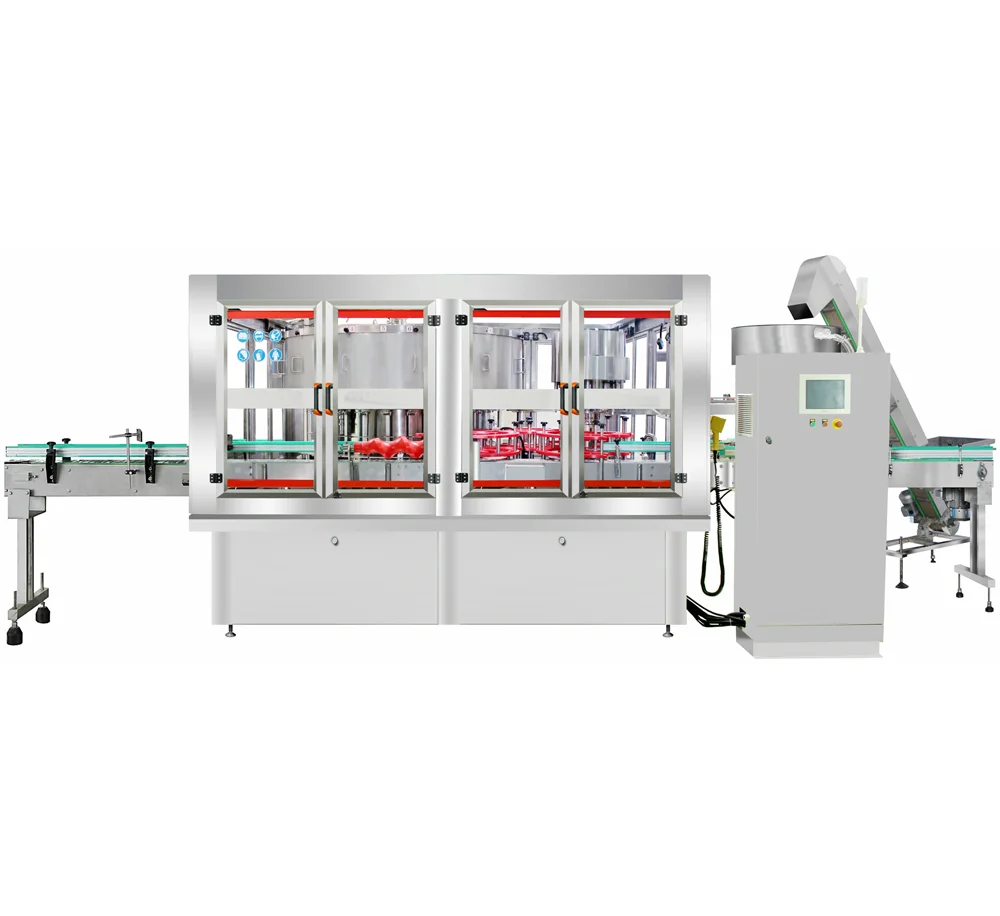
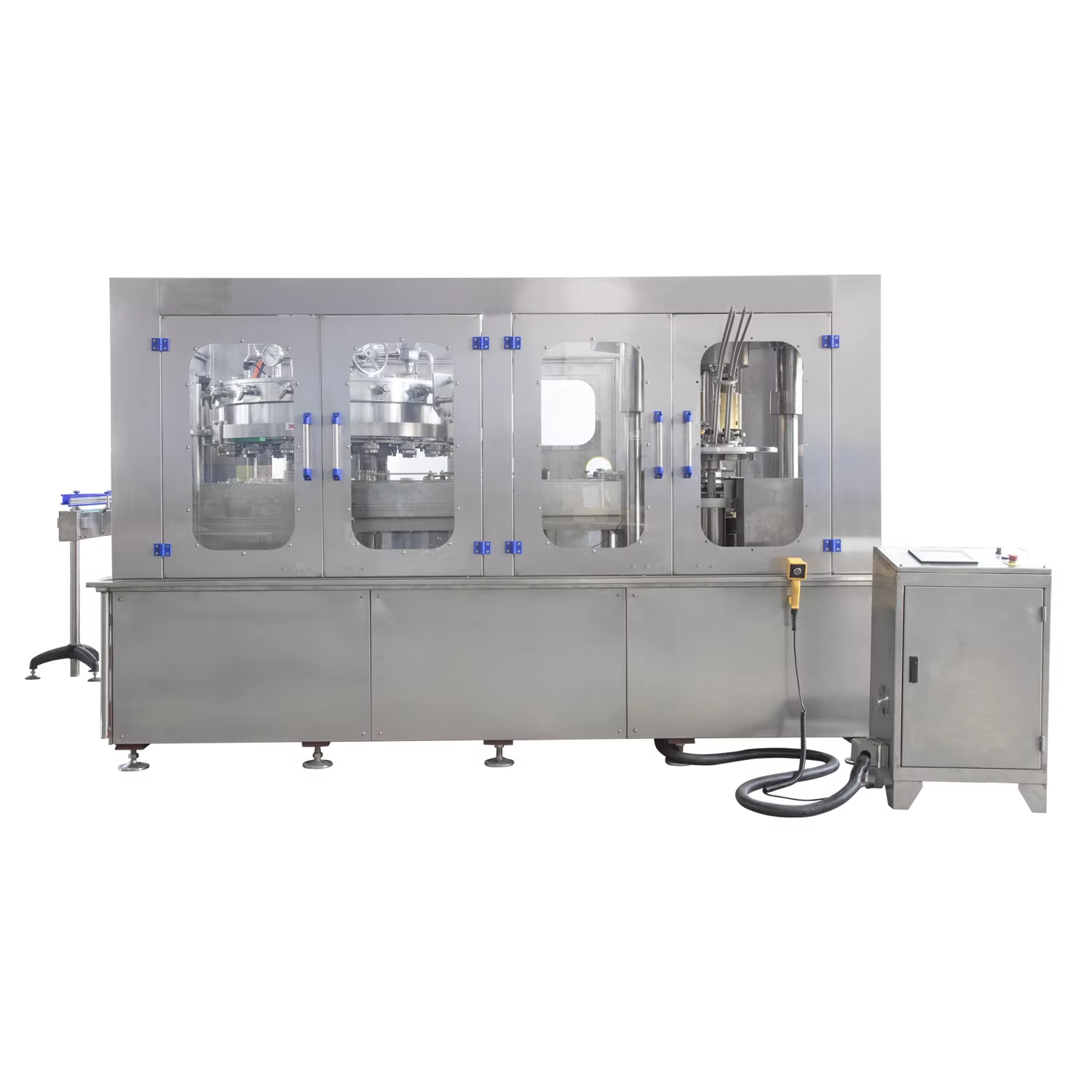
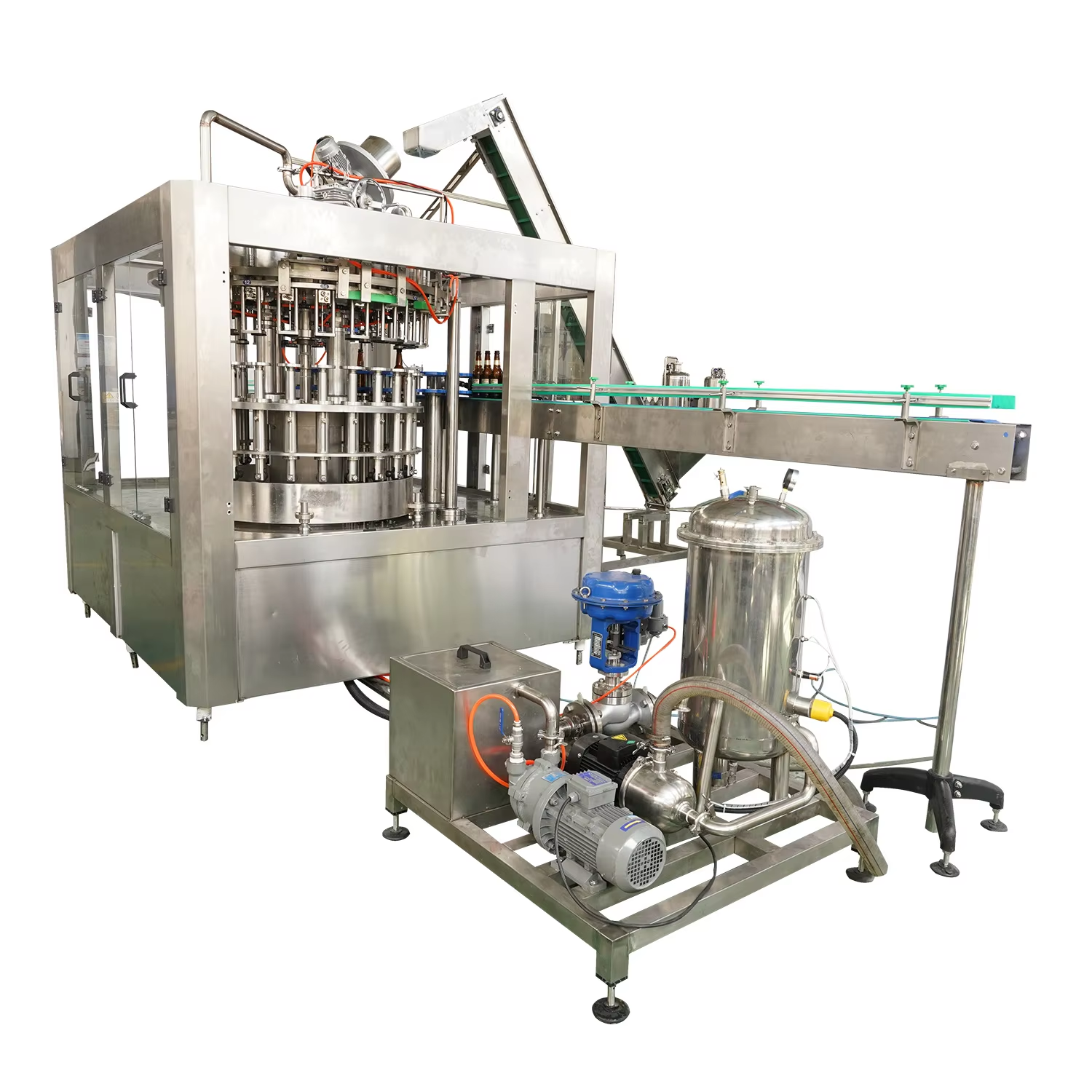
Stainless Steel Syrup Water Drink 5 Tanks CO2 Carbonator Saturator
Detailed Information:
1) Be designed and made for improving the proportion of water, syrup and carbon dioxide
2) adopts foreign advance technology-static mixer to lighten water layer
3) which increase carbonizing time, assure mixing result and de-oxying
4) adopts high quality water pump and SIEMENS electrical equipment and other parts
5) with the advantages of coordinating action, beautiful appearance, convenient washing, high automatic level and other advantages
6) be suitable for mixing all kinds of drink, such as soda water, fruit juice, cola and other soft and hard drink
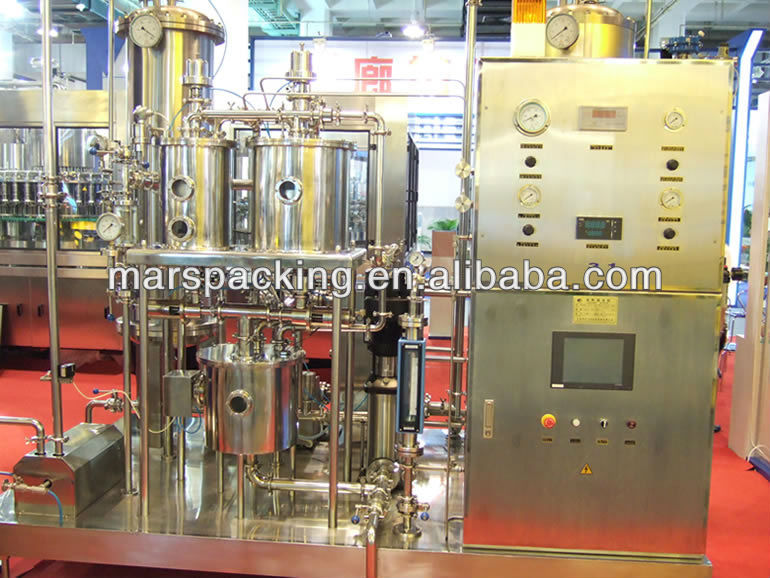
Presentation for Syrup Water Drink Mixer:
Model |
QHS-1500 |
QHS-3000 |
QHS-5000 |
QHS-8000 |
Production capacity |
1500Kg/H |
2500Kg/H |
5000Kg/H |
8000Kg/H |
CO2 rate |
>2.6 |
|||
Chilled water inlet temperature |
3-5 |
|||
Working pressure of Precarbination vessel and Syrup vessel MPa |
0.05-0.08 |
|||
Working pressure of storage vessel MPa |
0.2-0.5 |
|||
Power |
1.5Kw |
2.42Kw |
3.5Kw |
5.1Kw |
Weight |
600Kg |
800Kg |
1300Kg |
2500Kg |
Overall dimension |
1200x1000x1800mm |
1500x1000x2000mm |
1650x1300x2000mm |
1900x1300x2250 |

|
Q1 What equipment is included in a beverage pretreatment system — mixer, carbonator, UHT pasteurizer, and CIP? |
Beverage Pretreatment System is the heart of any modern beverage production line, ensuring product consistency, safety, and shelf stability. While the specific configuration depends on the beverage (carbonated soft drinks, juices, or dairy), the core equipment includes Mixers, Carbonators, UHT Pasteurizers, and CIP systems. |
|
Q2 What is the difference between UHT and HTST pasteurization — which should I choose for my product? |
The main difference are sterilizing temperature and shelf life different. UHT sterilizing temperature is 135–150°C (275–302°F) for 2–5 seconds. Result: shelf-stable (6–12 months, no need refrigeration ). Slightly cooked flavor.
HTST (High-Temperature Short-Time): sterilizing temperature is 72°C (161°F) for 15 seconds. Result: refrigerated shelf life of 2–6 weeks. Fresher taste, more nutrient retention.
Which should you choose for your product? Choose UHT if you need ambient storage, long distribution time, or export without a cold chain.
Choose HTST if freshness and taste are key, and you have a reliable cold chain from production to consumer. |
|
Q3 How does your CO2 carbonator work — what is the carbonation ratio range? |
Our CO₂ carbonator works by dissolving pressurized carbon dioxide into chilled water until it reaches saturation. The carbonation ratio typically ranges from 2.5 to 4.0 volumes of CO₂ per 1 volume of water (equivalent to approx. 4.9–7.9g/L) |
|
Q4 What is the CIP (Clean-In-Place) process — how long does it take to clean the system between production runs? |
CIP (Clean-In-Place) process is an automated method for cleaning the interior surfaces of pipes, tanks, and equipment without disassembly.
Total cleaning time typically ranges from 30 to 90 minutes.
Breakdown of standard cycles: Pre-rinse: ~5–8 minutes Acid wash (optional): ~5 minutes Caustic/Alkaline wash: ~10–15 minutes Intermediate rinse: ~5 minutes Hot water cleaning: ~15–20 minutes |
|
Q5 Can the pretreatment system handle both low-acid beverages (milk, water) and high-acid beverages (juice, soda)? |
Yes, modern aseptic pretreatment systems can handle both types on the same line |
|
Q6 What is the syrup dosing accuracy for your beverage mixing system? |
Our beverage mixing system achieves syrup dosing accuracy of ±0.5% to ±1% (depending on flow rate and syrup viscosity), compliant with industry standards for consistent Brix control. |
|
Q7 Does your UHT pasteurizer have a holding tube to ensure all bacteria are killed at the required temperature? |
Yes, our UHT pasteurizer includes a certified holding tube to ensure all bacteria are destroyed at the required temperature and time. |
|
Q8 What material is used for all product-contact surfaces — SUS304 or SUS316L stainless steel? |
The material is typically SUS304. SUS316L is available upon request for higher corrosion resistance. |
|
Q9 Can the beverage pretreatment system be customized for specific recipes or product formulations? |
Yes, beverage pretreatment systems can be fully customized to match specific recipes, ingredient profiles, and production parameters. |
|
Q10 What is the minimum production volume that makes a pretreatment system economically worthwhile? |
There is no single minimum volume, but for most industrial applications a pretreatment system becomes economically worthwhile at 1000L/HOUR. |