
Essential Guide to Nitrogen Doser Models

All Categories

nitrogen doser

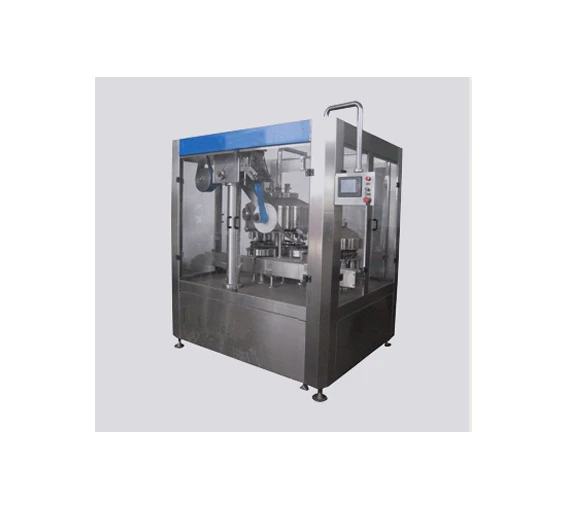
When considering a nitrogen doser for your manufacturing or packaging needs, it’s essential to understand the various models available on the market. A nitrogen doser is a machine designed to inject nitrogen gas into liquid products, helping to preserve freshness and extend shelf life by displacing oxygen. As a B2B buyer, you may be concerned about compatibility, reliability, and performance. This article will help guide you through the process of comparing nitrogen doser models, identifying reliable suppliers, understanding installation requirements, evaluating quality standards, and addressing common issues associated with these machines.

Reliable Suppliers for Bulk Orders of Nitrogen Dosers

Finding a trustworthy supplier is crucial for ensuring that your nitrogen doser meets quality and performance standards. Here are some tips to identify reliable suppliers:

Industry Experience: Choose suppliers with a proven track record in manufacturing nitrogen dosers. A company like Mars Packing Machinery, with over a decade in the industry, can provide insights into product reliability and performance.

Certifications: Look for suppliers with certifications such as ISO9001 and CE, which indicate adherence to international quality standards.

Customer References: Request references or case studies from previous clients to gauge the supplier’s reliability and customer service.

Support Services: A good supplier should offer comprehensive pre-sales consultation and post-installation support. This includes training, maintenance, and readily available spare parts.

MOQ and Pricing: Inquire about minimum order quantities (MOQs) and pricing structures. Reliable suppliers often provide competitive pricing without compromising quality.

By conducting thorough research and due diligence, you can establish a partnership with a supplier that aligns with your production needs, like the Automatic PET Bottle Drinking Water Bottling Plant Machine.

Installation Guidance for Efficient Nitrogen Doser Setup

Proper installation of a nitrogen doser is essential for optimal performance. Here are key considerations:

Site Preparation: Ensure the installation site is clean, dry, and accessible for maintenance. Adequate space should be allocated for the doser and any associated equipment.

Utilities: Confirm that necessary utilities, including electricity, compressed air, and nitrogen supply, are readily available and meet the doser’s requirements.

Integration with Existing Equipment: Evaluate how the nitrogen doser will integrate with your current production line. Compatibility with filling machines and conveyors is crucial for maintaining workflow efficiency.

Calibration: After installation, calibrate the doser according to the manufacturer’s guidelines. This step is vital to ensure accurate dosing and prevent product spoilage.

Testing: Conduct trial runs to verify the doser’s operation and make necessary adjustments before full-scale production. This process helps identify any potential problems early.

Following these installation guidelines will contribute to a smoother setup process and enhance the longevity of your nitrogen doser.

Evaluating Quality Standards in Nitrogen Doser Manufacturing

Quality standards are critical when selecting a nitrogen doser. Here are several factors to assess:

Material Quality: The durability of the doser is largely dependent on the materials used. Stainless steel is commonly preferred due to its resistance to corrosion and ease of cleaning, especially in food and beverage applications.

Manufacturing Processes: Investigate the manufacturing processes employed by the supplier. Companies that use advanced technologies and rigorous quality control measures are more likely to produce reliable equipment.

Testing Procedures: Inquire about the testing protocols for the nitrogen dosers. Comprehensive testing for performance, safety, and durability should be part of the manufacturing process.

Compliance with Industry Standards: Ensure that the doser meets relevant industry standards, which may include food safety regulations if used in the food and beverage sector.

Warranty and Service Agreements: A robust warranty and service agreement can provide reassurance about the quality and reliability of the equipment.

By carefully evaluating these quality standards, you can ensure that your investment in a nitrogen doser will meet your operational needs and expectations.

Common Problems with Nitrogen Dosers and Proven Solutions

Like any equipment, nitrogen dosers can encounter issues that may disrupt production. Here are some common problems and their solutions:

Inconsistent Dosing: This can lead to product quality issues. Regular calibration and maintenance are necessary to ensure accurate dosing. Consider setting up a routine check to monitor performance.

Pressure Fluctuations: Sudden changes in pressure can affect the nitrogen injection process. Ensure that the nitrogen supply system is stable and check for leaks or blockages in the lines.

Contamination Risks: If not maintained properly, nitrogen dosers can become a source of contamination. Regular cleaning and inspection of components can help mitigate this risk.

Mechanical Failures: Components may wear out over time, leading to malfunctions. Establish a preventive maintenance schedule that includes replacing worn parts before they fail.

User Error: Ensure that operators are thoroughly trained on the equipment to minimize mistakes. Clear operational guidelines and regular training sessions can enhance proficiency.

By proactively addressing these common issues, you can maintain the efficiency and reliability of your nitrogen doser, ensuring optimal performance in your production line.

How to Compare Nitrogen Doser Models for Wholesale Purchase

When comparing nitrogen doser models, start by identifying your specific needs. Consider the volume of product you handle, the type of liquid being dosed, and your production speed requirements. Key specifications to evaluate include:

Flow Rate: This refers to the amount of nitrogen gas the doser can inject per minute. Higher flow rates may be necessary for high-speed production lines.

Pressure Range: Ensure the doser can operate within the pressure ranges suitable for your product to prevent damage or contamination.

Accuracy: Look for models that provide precise dosing to ensure consistent product quality. Variations can affect product taste, appearance, and shelf life.

Material Compatibility: Ensure the materials used in the doser are compatible with the liquids being processed, particularly if they are corrosive or sensitive to contamination.

Customization Options: If your production needs vary, consider suppliers that offer customization capabilities to tailor the equipment to your specifications, such as the A to Z Complete Full Automatic Mineral Water Plant Machine Project.

Evaluate these aspects against your operational needs and budget constraints to select the most suitable nitrogen doser model.

Our Blog Posts

Water Bottling Line Quality Testing: pH and Microbial Checks for Bottled Spring Water

21

Nov

Water Bottling Line Quality Testing: pH and Microbial Checks for Bottled Spring Water

Bottling water is not just about sticking a bottle under a tap. It’s about ensuring that every bottle shipped from Mars holds safe, fresh spring water in which you can trust. There are two critical checks on the assembly line: testing the pH of the w...
View More
Filling Machine Sanitation: CIP (Clean-in-Place) Features for Fast, Effective Cleaning

12

Dec

Filling Machine Sanitation: CIP (Clean-in-Place) Features for Fast, Effective Cleaning

It is so critical to clean machines at factories. At Mars, we’re in a filling machine business, and keeping our machines clean is critical to everything running smoothly. One method of cleaning these machines is using CIP, an abbreviation for Clean-i...
View More
Best Labeling Machine Selection Tips for Bottle Packaging Industry

16

Jun

Best Labeling Machine Selection Tips for Bottle Packaging Industry

Choosing right labeling machine is important, specially in bottle packaging industry. Good labeling machine help make sure each bottle looks professional and ready for sale. If labels is crooked or not applied correct, it can makes the product seem l...
View More
Precision Filling Machine Maintenance Guide for Long Service Life

22

Jun

Precision Filling Machine Maintenance Guide for Long Service Life

Keeping your Mars filling machines running smooth is super important if you want them to last really long time and do they job well. Think like caring for a special tool. If you clean it, oil it and check regular, it works better and don't break down...
View More

Get a Free Quote

Our representative will contact you soon.
Email
Name
Company Name
Message
0/1000

Get a Free Quote

Our representative will contact you soon.
Email
Name
Company Name
Message
0/1000