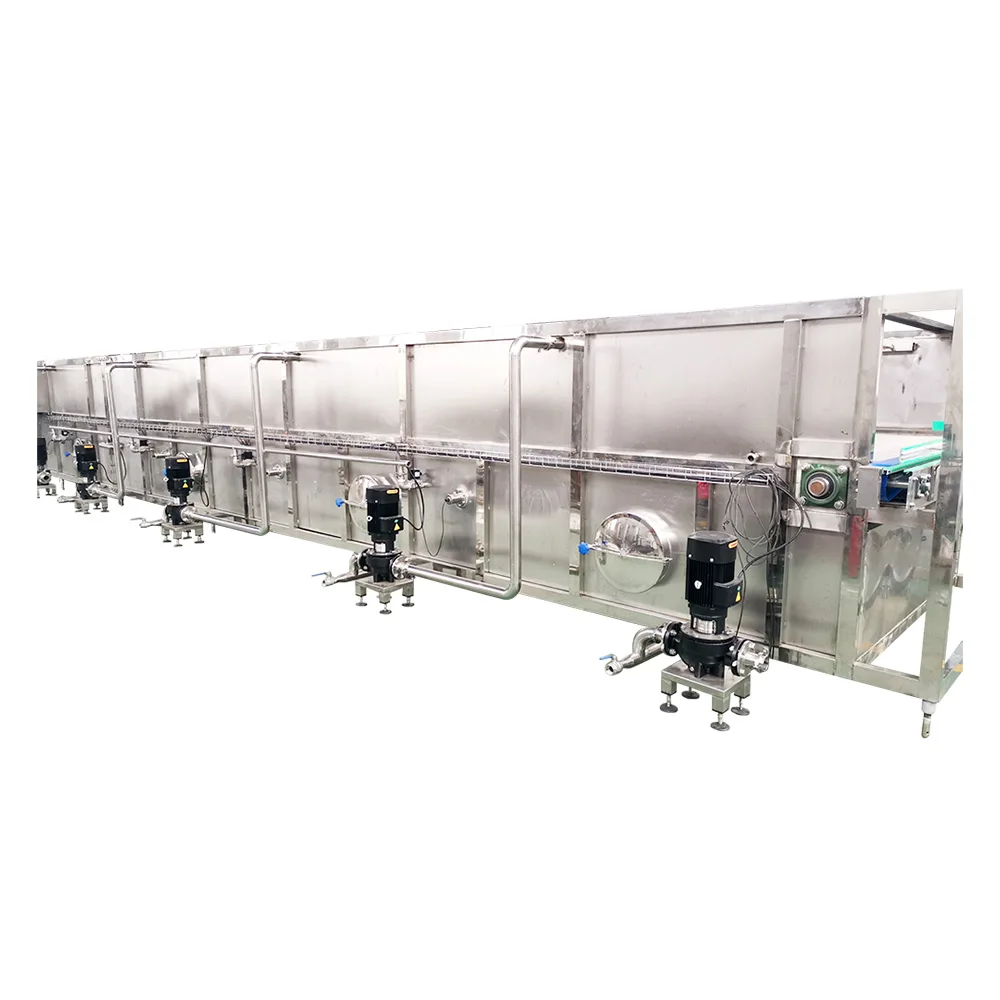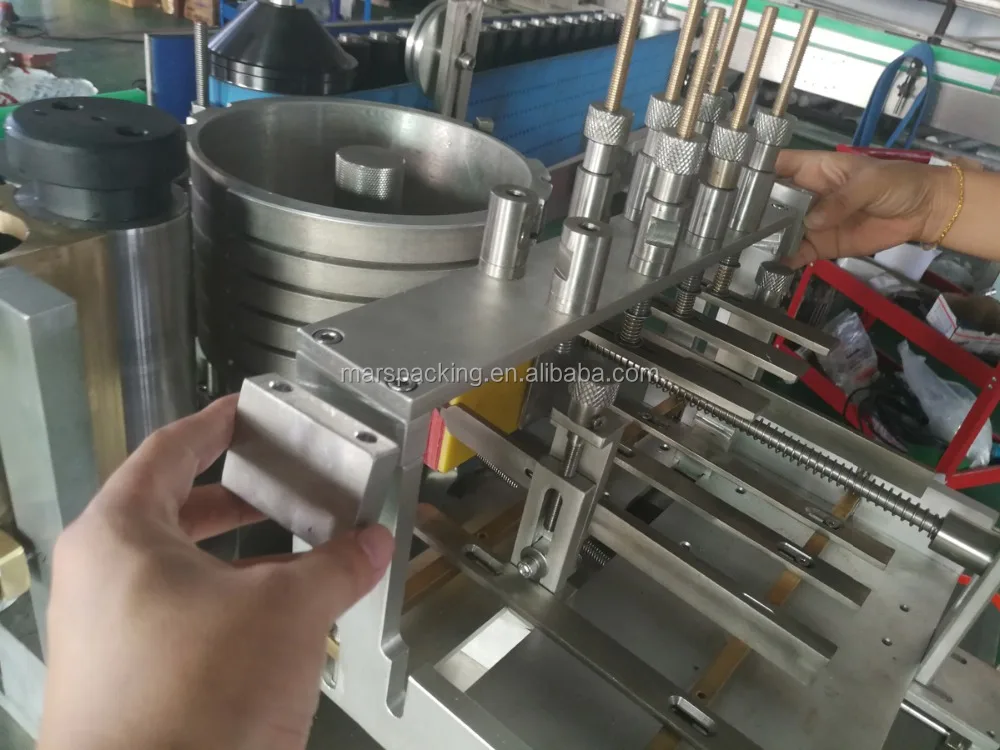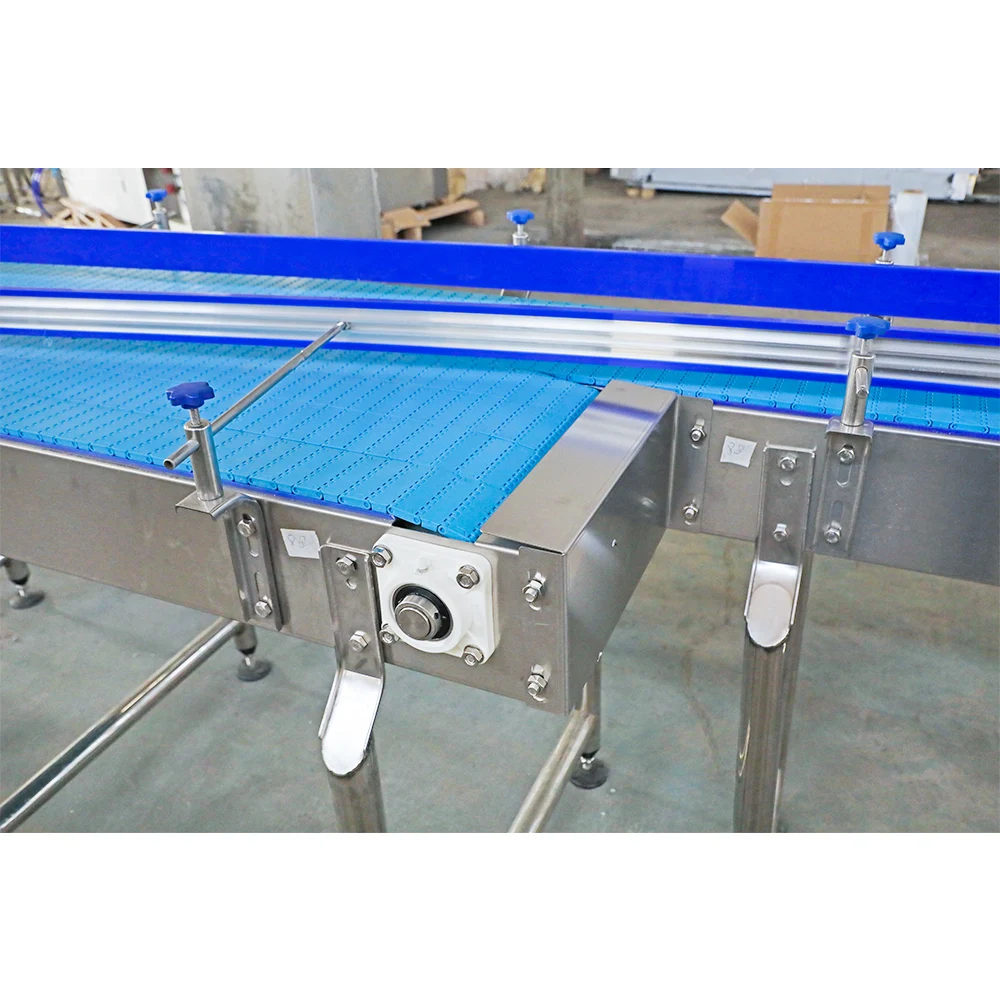
Choosing the Right Filling Capping Machine

All Categories

Filling capping machine

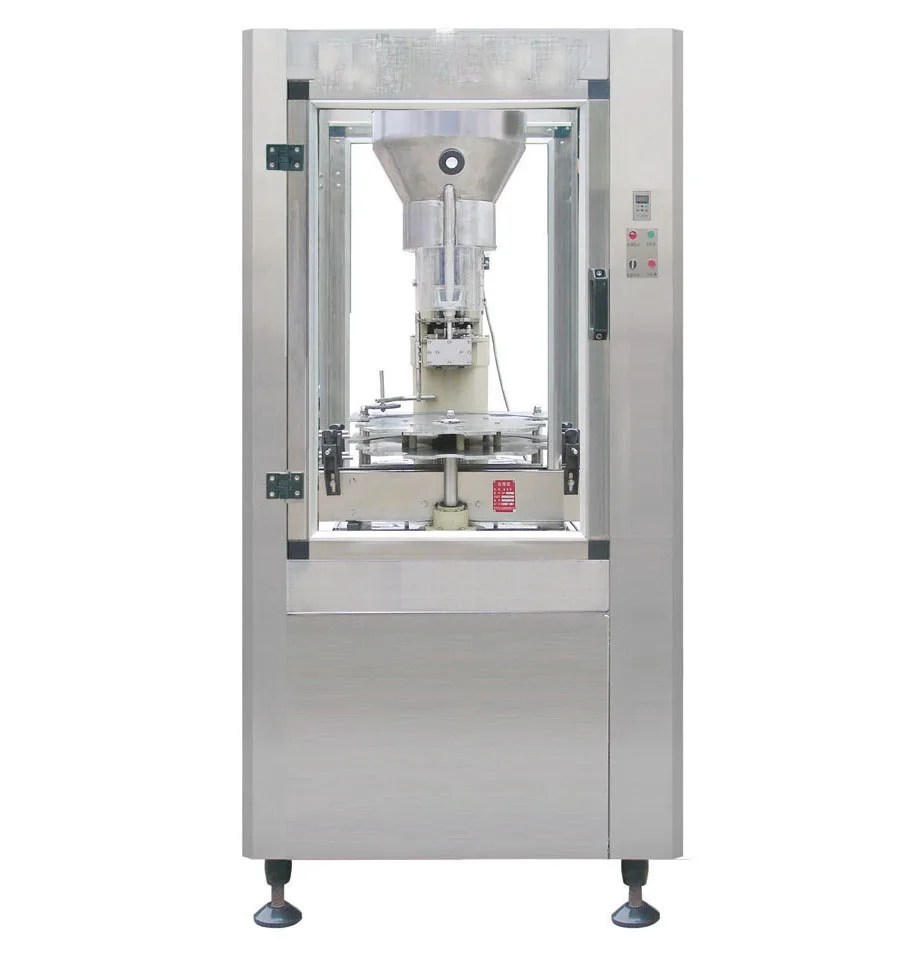
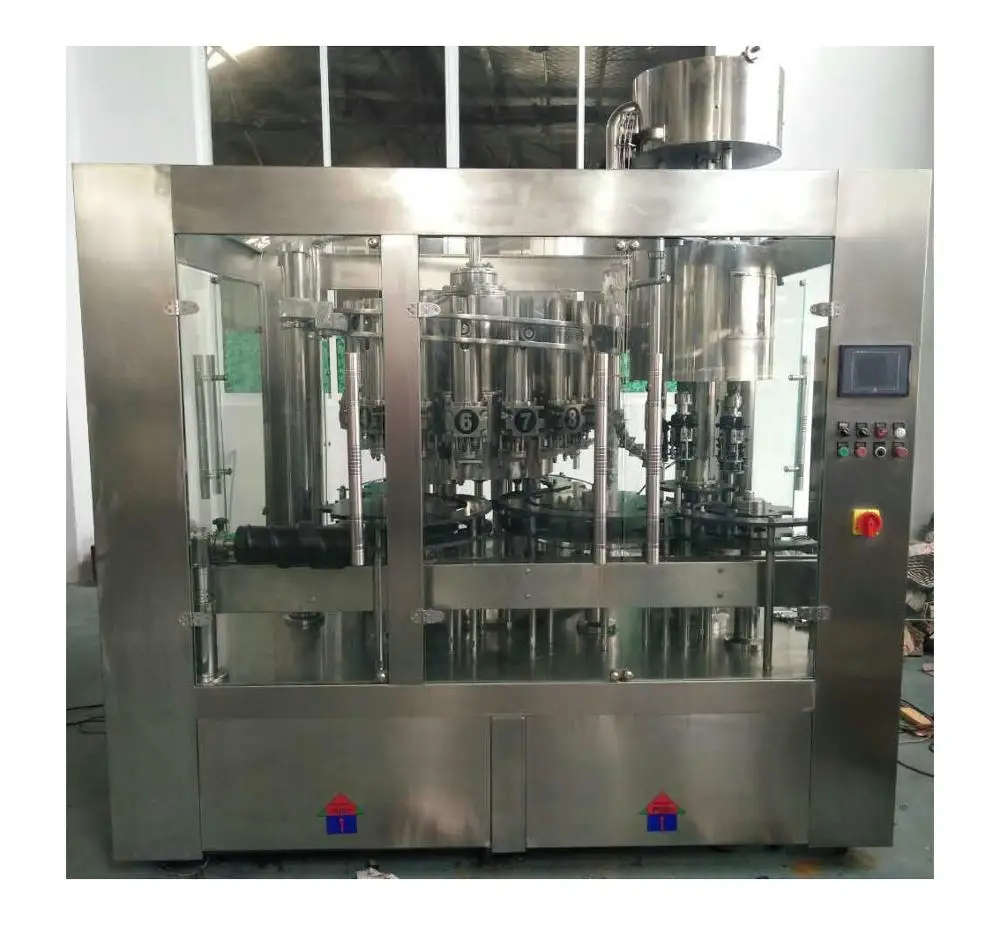
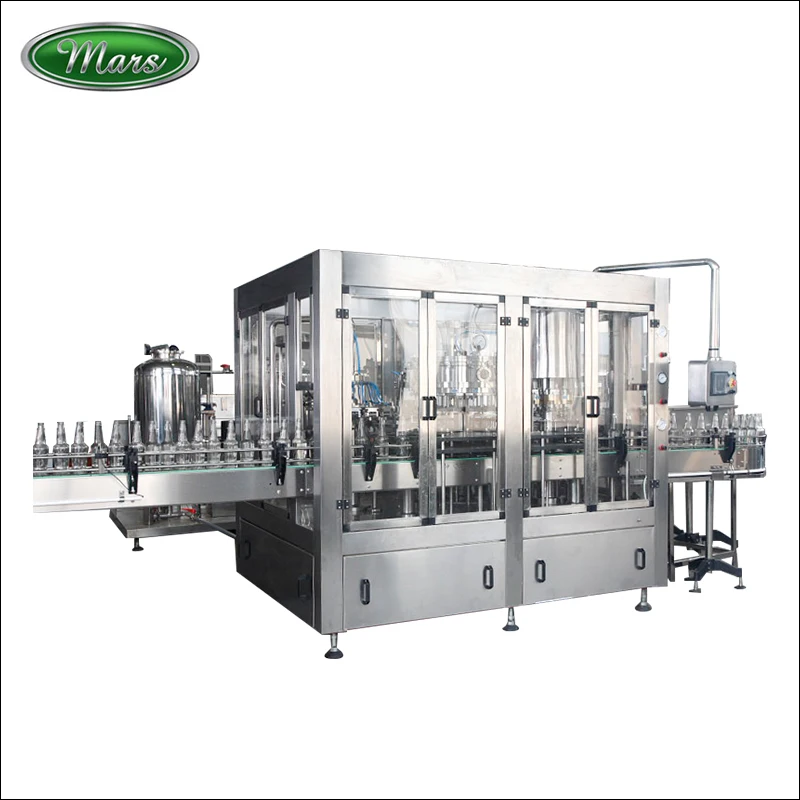
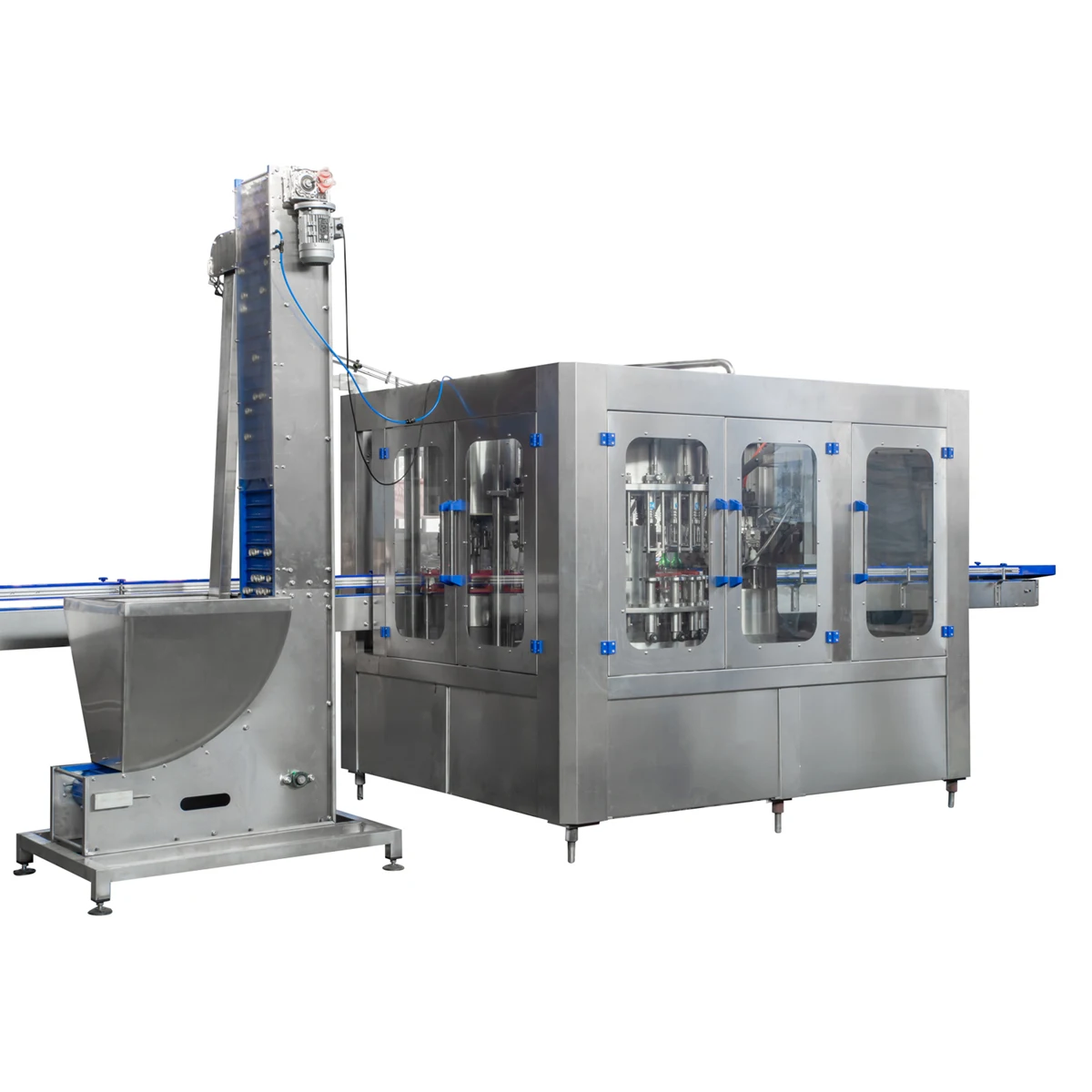
Navigating the world of filling capping machines can be daunting for B2B buyers in the manufacturing and packaging sectors. These machines are essential for efficiently filling and sealing various liquid products in industries such as water, beverages, beer, and dairy. Buyers often have concerns about selecting the right machine, understanding cost factors, ensuring reliable suppliers, and implementing effective installation. This article aims to provide insights into choosing the right bottle filling capping machine for your needs, sourcing from reliable suppliers, understanding cost implications, installation guidance, and exploring applications across various industries. 

Our Products

Finding Reliable Suppliers for Filling Capping Machines

When sourcing filling capping machines, reliability and reputation are paramount. Start by researching manufacturers who specialize in the beverage, dairy, and liquid packaging sectors.  Look for companies with a proven track record, such as Mars Packing Machinery, which has been providing customized solutions since 2010 and serves clients in over 40 countries. 

Request references or case studies from potential suppliers to gauge their experience with similar projects. A reliable supplier should also have a robust quality assurance process, ideally holding certifications such as ISO9001 and CE to ensure compliance with industry standards. 

In addition, consider the level of customer support offered. A supplier that provides pre-sales consultation and installation services can greatly ease the transition into using new machinery.  Ensure they also offer after-sales support, including training for your team and readily available spare parts, to minimize downtime. 

Understanding the Cost Factors of Filling Capping Machines in Bulk Orders

Costs associated with filling capping machines can vary significantly based on several factors. The initial price may be influenced by the machine's specifications, such as capacity, speed, and the technology used. For bulk orders, economies of scale can play a significant role; ordering multiple machines at once may reduce the per-unit price. 

Other cost factors to consider include customization requests, which can increase the base price but may offer cost savings in the long run by enhancing operational efficiency. Additionally, maintenance costs should not be overlooked. Machines requiring frequent repairs or specialized parts can escalate total ownership costs. 

Buyers should also evaluate the total cost of ownership, which encompasses installation, training, and potential downtime during the transition. When requesting quotations from suppliers, provide detailed specifications to receive accurate pricing that reflects your needs. 

Installation Guidance for Your New Filling Capping Machine

Proper installation of your filling capping machine is critical for optimal performance. Begin by reviewing the installation manual provided by the manufacturer to understand the specific requirements for your model. Prior to installation, ensure that the installation site meets all necessary specifications, such as power supply and space for operation. 

Collaboration with an experienced technician during the installation process can help address any technical challenges that may arise. This is especially important for machines with complex configurations or those requiring integration with existing production lines. 

After installation, conduct thorough testing to verify that the machine operates within the specified parameters. Check for filling accuracy, capping torque, and overall functionality. It is advisable to have a trained technician on-site during the initial run to address any immediate concerns and ensure a smooth transition to full production. 

Applications of Filling Capping Machines in Various Industries

Filling capping machines are versatile and find applications across multiple sectors, including water, beverages, beer, and dairy industries. In the beverage industry, for example, they are essential for ensuring that products maintain their quality and shelf life through effective sealing and filling processes. 

In the dairy sector, these machines can handle a range of products, from liquid milk to yogurt, requiring careful consideration of hygiene standards and filling techniques tailored to different product viscosities. Similarly, in the beer industry, filling capping machines must accommodate various bottle types and ensure minimal oxygen exposure during the filling process to preserve flavor and freshness. 

Understanding the specific application requirements is crucial when selecting a water bottle filling and capping machine. Factors such as the type of liquid, packaging materials, and environmental conditions will influence the machine's design and functionality. By partnering with a manufacturer like Mars Packing Machinery, which offers tailored solutions, you can ensure that your filling capping machine meets the unique demands of your industry. 

How to Choose the Right Filling Capping Machine for Your Needs

Choosing the right filling capping machine begins with a clear understanding of your specific production requirements. Key considerations include the type of liquid being processed, the desired filling speed, and the container specifications. For instance, machines designed for dairy products may require specialized components to handle viscosity and ensure hygienic filling processes. 

Additionally, consider the machine's compatibility with your existing production line. Evaluate the dimensions and layout of your facility to ensure adequate space for the new equipment.  Furthermore, think about customization capabilities; a machine that can be tailored to your specific needs, such as varying bottle sizes or types of caps, may offer long-term benefits. 

It's also vital to assess the technical specifications of the machine, such as its filling accuracy, capping torque, and the materials used in its construction. Bottling and capping machines made from stainless steel, for instance, not only provide durability but also facilitate easier cleaning and maintenance. As Mars Packing Machinery has demonstrated with its customized solutions, working closely with an experienced supplier can help ensure the machine you choose meets all operational requirements. 

Frequently Asked Questions

What types of caps can the filling capping machine handle?

Our filling capping machine supports screw, snap, and flip-top caps for plastic and glass containers. Custom tooling is available for special cap designs upon request.
Depending on model and product viscosity, speeds range from 500 to 6,000 bottles per hour. We recommend specifying bottle size and liquid type for an accurate speed quote.
Yes. We offer custom configurations for water, beverage, beer, and dairy liquids, including sanitary fittings, materials, and filling methods to meet industry requirements.
Our factory holds ISO9001 and CE certifications. We provide quality-tested machines, warranty terms, and documentation for compliance and export.
Yes. Our in-house engineering team provides pre-sales consultation, installation guidance, commissioning, and remote or on-site after-sales support worldwide.

Our Blog Posts

Beer Bottling Line Temperature Control: Keeping Lines Cool to Preserve Beer Freshness

18

Oct

Beer Bottling Line Temperature Control: Keeping Lines Cool to Preserve Beer Freshness

Temperature management of beer bottling line is a key to maintain beer's fresh and quality level. Keeping the temperature just right means the beer will remain fresh and tasty until it reaches consumers. Mars has an array of offerings to keep your be...
View More
From Raw Water to Bottling: Water Treatment Tech Breakdown

16

Nov

From Raw Water to Bottling: Water Treatment Tech Breakdown

Water is everywhere, but making raw water into clean bottled water is a big job. At Mars, we know it’s not enough to just fill bottles from a river or well. Water needs to jumps through plenty of hoops to become safe and delicious. There’s a lot of t...
View More
Wet Glue Labeling Machine Speed Control: Adjusting for Different Label Sizes

01

Apr

Wet Glue Labeling Machine Speed Control: Adjusting for Different Label Sizes

Wet glue labeling machines is used in factories for putting labels on products fast and good. They works well for various kinds of labels, but they can have some troubles, specially with speed control. When labels size change, the machine speed need ...
View More
Industrial Conveyor System Layout for Full Bottling Production Line

20

Jun

Industrial Conveyor System Layout for Full Bottling Production Line

Bottling drinks are big job which need lots of steps for getting it right. At Mars, we knows how important is a smooth process. Good conveyor system help move bottles from one place to another without stop. It connect different parts of production li...
View More

Get a Free Quote

Our representative will contact you soon.
Email
Name
Company Name
Message
0/1000

Get a Free Quote

Our representative will contact you soon.
Email
Name
Company Name
Message
0/1000