Automatic Filling Capping and Labelling Machine

All Categories

Automatic filling capping and labelling machine

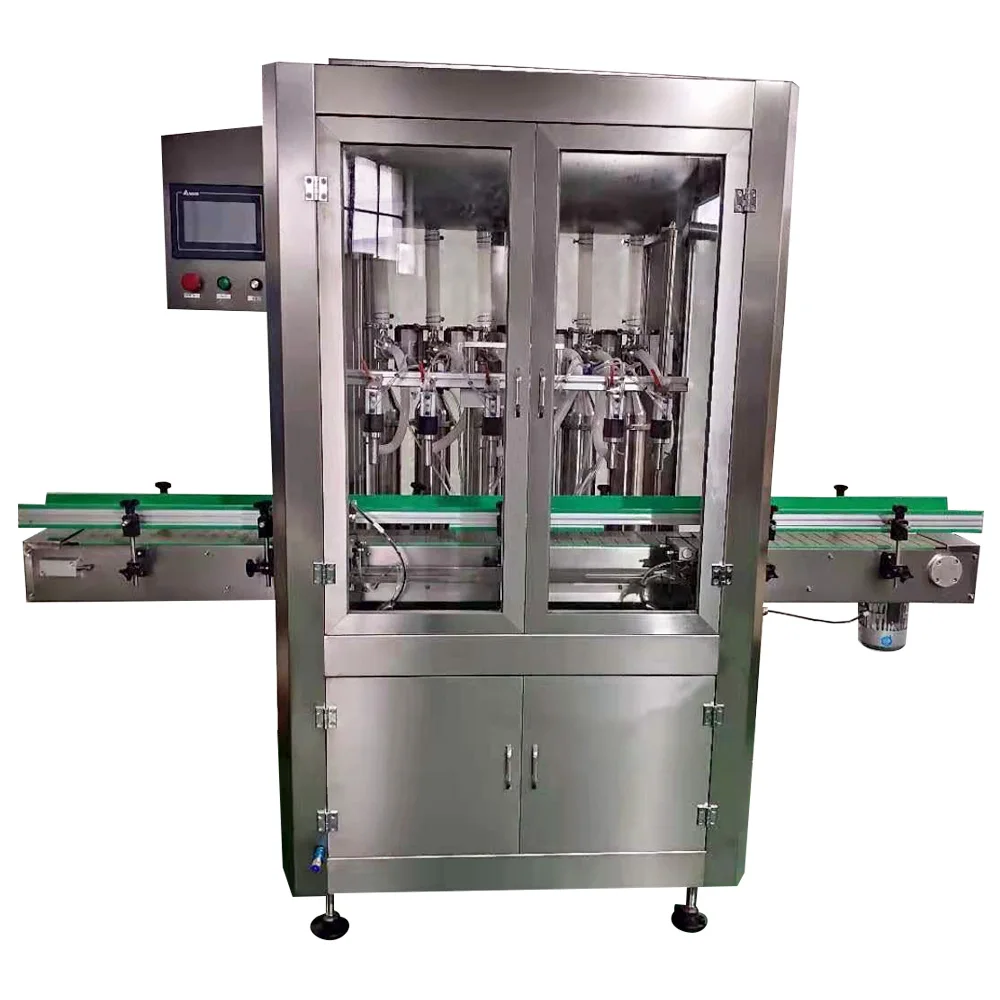
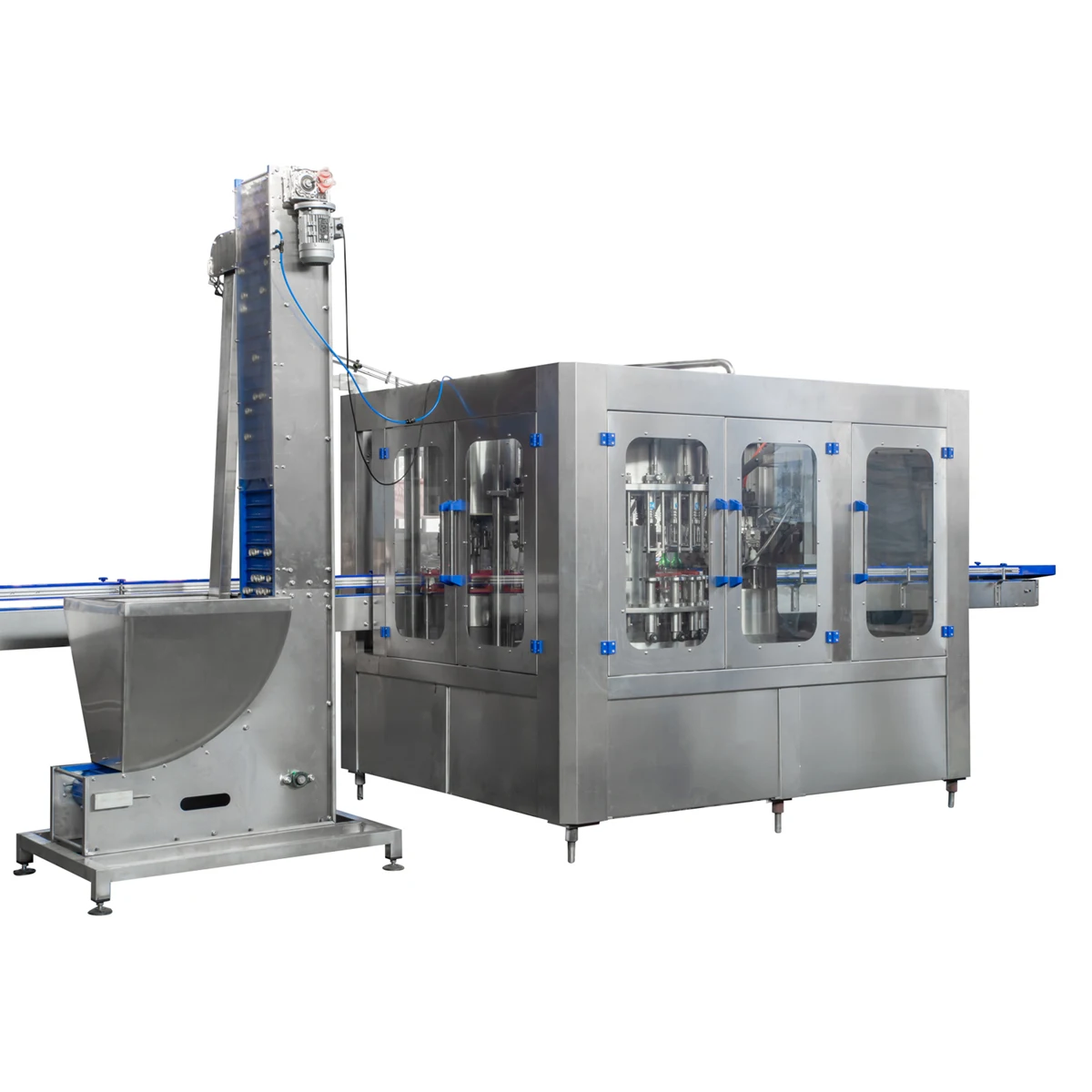
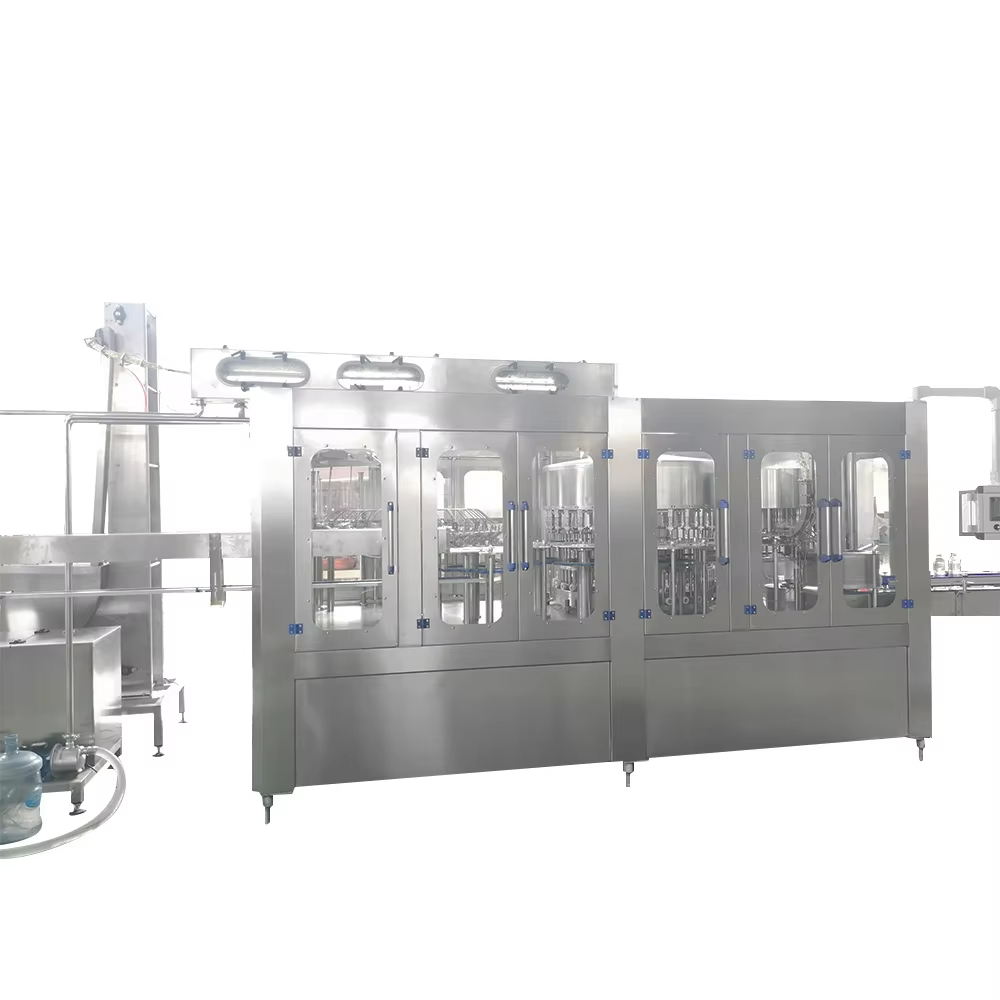
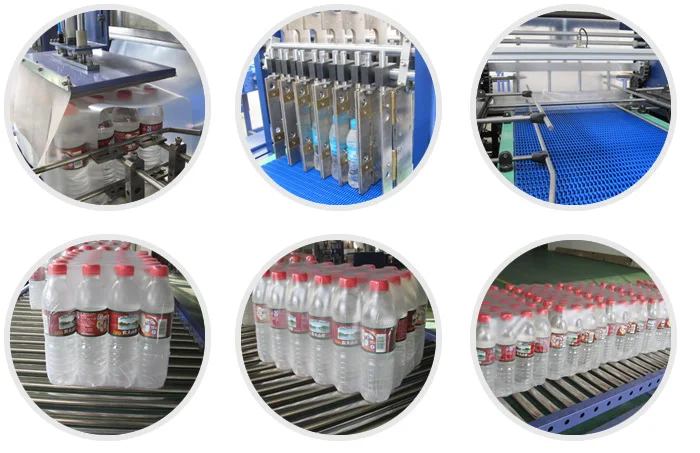
Automatic filling, capping, and labelling machines are essential assets for businesses in the liquid filling and packaging industries, including water, beverage, beer, and dairy. These machines streamline the packaging process, ensuring efficiency and consistency while minimizing human error. When choosing an automatic filling capping and labelling machine, buyers often seek reliable performance, customization options, and robust after-sales support. This article will guide you through the critical considerations for selecting these machines, evaluating their quality, understanding their applications, and addressing common operational issues. 

Our Products

How to Evaluate the Quality of Filling and Labelling Machines

Quality evaluation of filling machines and labelling machines should focus on several key aspects: 

Materials: The quality of materials used in machine construction is critical. Stainless steel is often preferred for its durability and resistance to corrosion, particularly in the food and beverage industries. Verify the material specifications with your supplier to ensure they meet industry standards. 

Certifications: Look for machines that hold certifications such as ISO9001 and CE, which indicate a commitment to quality and compliance with international safety standards. This is particularly relevant in regulated markets. 

Performance Testing: Before finalizing your purchase, request a demonstration or test run of the machine. This allows you to assess its performance under actual operating conditions. Pay attention to the filling accuracy, capping integrity, and labelling alignment. 

After-Sales Support: A reliable warranty and access to technical support are critical indicators of quality. Ensure the manufacturer provides comprehensive training and installation services, as well as ongoing maintenance options. 

Applications of Automatic Filling Machines in Various Industries

Automatic filling machines find widespread application across several industries, each with unique requirements: 

Beverage Industry: These machines are designed for high-speed filling machines of carbonated and non-carbonated beverages. They must handle foaming liquids, ensuring accurate fill levels without spillage. 

Dairy Sector: In dairy production, hygiene is paramount. Automatic filling machine must ensure minimal contamination and comply with stringent health regulations. They are often equipped with features that facilitate easy cleaning. 

Pharmaceuticals: Filling machines for pharmaceuticals require precise dosing and must meet strict regulatory standards. They often include features such as sterile filling environments and automated cleaning cycles. 

Cosmetics: The cosmetic industry often requires filling machines that can handle a variety of viscosities and container shapes, making versatility a key requirement. 

Understanding these industry-specific applications can help buyers select the most suitable machines for their needs. 

Solutions to Common Problems with Filling and Labelling Equipment

Common issues encountered with filling machines and labelling machines may include: 

Inconsistent Fill Levels: This can occur due to blockages or improper calibration. Regular maintenance checks and recalibrating the filling nozzles can help mitigate this issue. 

Label Misalignment: Misaligned labels can lead to aesthetic and compliance issues. Ensure that the machine is equipped with sensors that detect and correct label placement errors during operation. 

Machine Downtime: Downtime can significantly impact productivity. To address this, choose machines designed for easy maintenance, and ensure that spare parts are readily available from your supplier. 

Material Compatibility Issues: Some liquids may react with the machine’s components, leading to damage or contamination. Discuss these concerns with your provider, who can recommend suitable materials and coatings to prevent such issues. 

By proactively addressing these problems, buyers can maintain operational efficiency and product integrity. 

Understanding Material Advantages in Filling and Capping Machine Design

The materials used in the design of automatic filling machines and capping machines significantly influence their performance and longevity. Key material considerations include: 

Corrosion Resistance: Stainless steel is widely favored for its ability to resist corrosion, particularly in environments with high humidity or exposure to cleaning chemicals. This is crucial in maintaining hygiene standards in food and beverage applications. 

Durability: The machine's components should be made from sturdy materials that can withstand continuous operation and the mechanical stresses associated with high-speed filling machines and capping machine. 

Weight Considerations: Lightweight materials may reduce the overall machine weight, impacting installation and mobility. However, durability should not be compromised for weight savings. 

Thermal Resistance: Machines that handle heated products, such as certain dairy applications, should be designed with materials that can withstand high temperatures without degrading. 

When selecting a machine, ensure you discuss material options with your supplier to align with your operational needs and industry standards. This will enhance the machine's reliability and overall performance. 

What to Consider When Choosing an Automatic Filling and Capping Machine

When selecting an automatic filling machines and capping machine, several factors should be taken into account to ensure it meets your operational needs. Firstly, consider the type of liquid you will be handling, as different machines are designed for varying viscosities and chemical properties. For example, beverages with particulates may require specialized filling machine nozzles to prevent blockages. 

Next, assess the machine's production capacity, which should align with your anticipated output. This is particularly important for businesses experiencing growth or seasonal demand fluctuations. The machine’s speed, often measured in bottles or containers per minute, is a key specification to evaluate. 

Customization capabilities are another crucial factor. Many manufacturers, including Mars Packing Machinery, offer bespoke solutions tailored to specific requirements, such as container shapes, sizes, and closure types. Ensure you discuss these needs upfront to avoid complications later in the purchasing process. 

Lastly, consider the machine's compatibility with your existing production line. Integration ease can significantly impact installation time and costs, so it’s important to work with a supplier that understands your current setup. 

Frequently Asked Questions

What industries is the machine suited for?

The automatic filling, capping and labeling machine is designed for water, beverages, beer and dairy production lines, supporting various bottle types and production speeds.
We offer custom configurations for filling volumes, capping types, label formats, conveyor lengths and integration with existing lines to meet specific production needs.
Our factory holds ISO9001 and CE certifications. Machines undergo factory testing and quality checks before shipment to ensure reliability and safety.
Yes. Our in-house engineering team offers pre-sales consultation, installation guidance, commissioning and remote or on-site after-sales support as needed.
Typical lead time depends on configuration but averages from factory to shipment; we have exported customized solutions to clients in over 40 countries since 2010.

Our Blog Posts

Water Filling Machine Maintenance: Weekly Checks to Extend Equipment Lifespan

22

Sep

Water Filling Machine Maintenance: Weekly Checks to Extend Equipment Lifespan

Mars Packing Machinery have leading requirement on the technology and expertise at behalf of manufacturing liquid filling equipment since year 2010 for a wide range from oil to daily use products. Customized machinery for water, beverages, beer and d...
View More
Complete Bottling Line Training: Teaching Operators to Manage All System Components

20

Nov

Complete Bottling Line Training: Teaching Operators to Manage All System Components

When you think about a bottling line, it’s not just machines doing this work on their own. It’s a full system where all the parts have to row in the same direction smoothly. At Mars, we've learned that it really makes a difference by training operato...
View More
Carbonated Soft Drink Bottling Line Pressure Testing: Leak Detection for CSD Cans

15

Dec

Carbonated Soft Drink Bottling Line Pressure Testing: Leak Detection for CSD Cans

Mars is a manufacturer of delicious carbonated soft drinks (CSD). But when we put these drinks in cans, checking for leaks is so important. A way we do this is by doing pressure testings on our bottling line. This testing enables us to identify any p...
View More
Cost Saving Ways to Use PET Bottle Blowing Machine In-house

22

Jun

Cost Saving Ways to Use PET Bottle Blowing Machine In-house

Producing your own plastic bottles in-house with a PET bottle blowing machine from Mars is a smart way to reduce manufacturing costs. Instead of paying another company to manufacture bottles and ship them to your facility, you can handle the entire p...
View More

Get a Free Quote

Our representative will contact you soon.
Email
Name
Company Name
Message
0/1000

Get a Free Quote

Our representative will contact you soon.
Email
Name
Company Name
Message
0/1000