
 EN
EN
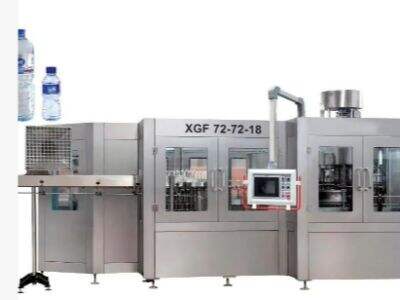
Water filling machine Water filling machines include water rinsing, filling and capping for unsealed bottles of up to 5 gallons. With the water supply that is being employed with these machines, there are testing considerations that need to be made there as well Read on as we take you through some of the variances in what is required for municipal versus well water sources and some common problems encountered doing this testing.
Requirments for Testing City Water Sources
Most localities have local authorities which control the quality of tap water, and conduct regular testing for safety and taste. If you are using municipality water in your drinking water fill machine, you will need to ensure some parameters are taken care of that can include a) pH b) Turbidity c) Chlorine d) Microorganism. These screenings help ensure that the water meets the required standards for filling machines.
An example of a problem which may occur in the testing of public water supplies, problems with changing capricious levels of materials present. Several factors including environmental change, older infrastructure and treatment methods can affect the quality of your city's tap water. This can result in fluctuating water quality, so it is crucial to perform consistent and comprehensive lobster testing to check if the water meets the necessary standards for filling machines.
Testing protocol for municipal water systems can also vary by location, and differ from local regulations. Businesses which are drawing upon municipal water sources should stay current on any testing requirements and/or modifications to achieve compliance / assure public safety of their products.
Typical Problems with Water Source Sample Testing for Filling Equipment
Besides for varying levels of contamination, other problems that can happen during water testing for fill machines consist of machine breakdowns, human error and contaminated samples. Such issues can affect the correctness and robustness of testing results, which may result in biased recognition of water quality.
These problems can be alleviated to some extent by employing correct testing methods, calibrated instrumentation and appropriate collection/handling of samples. Standardized training of personnel performing water testing can also limit the possibility for errors and ensure accuracy amongst results.
In addition, manufacturers who have invested in water filling machines should put in place a comprehensive testing system that involves conducting frequent tests, maintaining test records and taking appropriate action whenever the standard of set quality falls short. The second option is the ability to deal with commonly occurring problems in advance, while maintaining rigorous testing will help assure that products remain safe and preserve their quality when utilizing water from municipal or well sources across filling machines.
Things to Consider before Setting Up a Water Filling Machine for Business
So, when you are choosing a water filler for your business there are so many different things to think about. The first thing you would need to find out is how much water you will be filling regularly. Machines come with different capacities, so you’ll want to select one that matches your production needs.
Also consider what containers you will store the water in. Some are made for filling bottles; others fill more effectively into bags or pouches. Be sure to select a machine that fits your packaging materials.
Another significant factor is the rate at which containers are able to be filled by a machine. If you have a high production business, you’re going to want a machine that will fill your bottles with haste so be sure to meet those demands. And if you have a smaller operation, slower might be better.
Finally, do not overlook the quality and reliability of the machine. Think about buying a water filling machine that is constructed of strong materials and that has received good reviews from previous customers. A top-quality water filling machine production line plant is also a good investment, to keep the operation running smoothly and avoid unnecessary repair time.
Top Water Filling Machines for Wholesale Purchases
In this article, we will present you some best water filling machine for wholesale buyers If you are a wholesale buyer and want to buy the semi automatic water filling machine, here is list of top one! A common option used by many is the water filling machine bottling, which boasts its redundancy and efficiency. This is really good for proper production of bottles as it fills in a lot of bottles very quickly too.
The Mars Bag Filling Machine, designed for water bag in box filling machines is also a great choice for wholesale buyers who want that same level of calibre with the support of one of Australasia’s most trusted companies. Ideal for businesses packaging water in a format with more versatile and convenient application.
For a machine with the ability to handle different types of packaging, we recommend the Bottle and Bag Filling Machine. This machine can fill also bottles and bags, serving multiple needs of companies.
In general, when you choose your water filling machine on wholesale use conditions it’s important to take in account many issues as production capacity plus packaging material options – speed of filling and quality of machinery that suits for the best investment for your Business.
How to Correctly Test Water Sources for Filling Machines?
In any situation in which a water filling machine is to be employed, it is essential to thoroughly test the source of the product ensuring it complies with quality requirements. This is particularly significant for companies that source from well water, since it can have contaminants that influence the safety and quality of the bottled water.
A basic water analysis can be a good method for testing the quality of your water, it allows people to check for possible issues such as bacteria and high levels of chemicals and impurities. This can be analyzed by a certified lab and should contain useful information about the source of water.
Besides conducting a simple water test, you'll want to check for pH levels, and any odors or strange tastes. Overly acidic or alkaline water can alter the taste and even the safety of bottled water, so measuring NpH is important to ensure that pH level falls within an acceptable range.
Finally, companies that use well water should also test for heavy metals like lead or arsenic, which has the potential to be dangerous if consumed in high concentrations. This will serve to prevent any contamination risk and also assess the purity of water that being sell for this water filling production line.
With adherence to these testing requirements, particularly of the quality of water being used, businesses can consistently manufacture high-quality bottled water on their filling machines.