
 EN
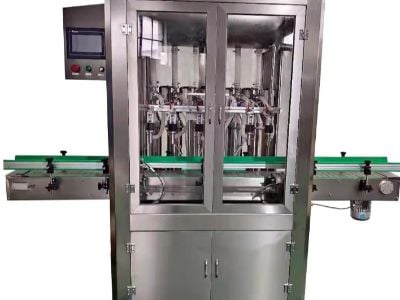
When selecting an oil filling machine for edible and industrial oil lines, it's essential to understand the unique requirements of each type. This article discusses the key factors that influence oil filling machine selection, ensuring that B2B buyers, purchasing managers, and engineers can make informed decisions. By addressing common concerns such as oil filing machine compatibility, cost factors, installation, and application suitability, we aim to provide valuable insights to streamline your purchasing process.
Edible vs. Industrial Oil Filling Machines
The choice between edible and industrial oil filling machines often comes down to specific formulation and operational needs. Edible oil filling machines are designed with food-grade materials, ensuring compliance with health and safety regulations. They typically feature advanced cleaning mechanisms and precise filling capabilities, as even minor inaccuracies can lead to food safety issues or product recalls.
On the other hand, industrial oil filling machines cater to non-food applications, such as lubricants or automotive oils. These oil filling machine are usually built to handle higher viscosity products and may utilize different filling technologies, such as volumetric or weight-based filling systems, depending on the required accuracy and speed. Understanding the application is crucial; for instance, an edible oil line may require more stringent hygiene standards compared to an industrial oil line, which can tolerate different levels of contamination.
Common Problems with Oil Filling Machines and Their Solutions
When operating oil filling machines, buyers may encounter several common issues, including inconsistent filling volumes, machine jams, or contamination risks. Inconsistent filling can stem from incorrect calibration, which can be resolved through regular maintenance and recalibration of the filling system. Additionally, ensuring that the machine is suited for the specific viscosity of the oil being filled is vital; a machine not designed for high-viscosity oils may struggle with consistent performance.
Machine jams can often be mitigated by using high-quality components and ensuring appropriate maintenance schedules. Regular inspection of parts such as conveyors and pumps will help identify wear and tear before they lead to significant downtime. Contamination risks, especially in edible oil applications, can be addressed by implementing strict cleaning protocols and using machines that allow for easy disassembly and thorough cleaning.
Evaluating Cost Factors for Wholesale Oil Filling Machine Purchases
Cost evaluation for oil filling machine purchases involves several factors beyond just the initial purchase price. Buyers should consider operational costs, including energy consumption, maintenance expenses, and the cost of consumables. For instance, automatic oil filling machine with higher efficiency ratings may have a higher upfront cost but can lead to significant savings in energy bills over time.
Another critical cost factor is the potential for downtime. Machines that require frequent repairs or are difficult to maintain can lead to lost production and increased operational costs. Therefore, it’s advisable to assess the total cost of ownership (TCO), which includes purchase price, operational costs, maintenance, and potential downtime costs.
Customization options also play a role in pricing. If your production line requires specialized features such as specific nozzles for different bottle sizes or automatic cleaning systems, these can significantly affect the overall cost. It’s essential to communicate your exact needs to suppliers to obtain accurate quotes that reflect the total investment required.
Installation Guidance for Efficient Operation of Oil Filling Machines
Proper installation is key to ensuring the efficient operation of edible oil filling machines. Buyers should ensure that the installation site is prepared according to the manufacturer's specifications, which typically include considerations for electrical supply, air supply, and space for maintenance access. Engaging with the manufacturer’s installation team or trained professionals can help avoid common installation pitfalls.
During installation, it’s crucial to verify that all components are correctly aligned and calibrated. This includes confirming that sensors, pumps, and filling heads are functioning correctly before starting production. Additionally, proper training for operators on how to use the machine effectively can minimize operational issues and enhance productivity. Regularly scheduled maintenance checks post-installation can also help maintain optimal performance.
Applications of Oil Filling Machines in Diverse Industry Segments
Oil filling machines serve a wide range of applications across various industries. In the food and beverage sector, they are primarily used for bottling edible oils, salad dressings, and sauces, where accurate filling and hygiene are paramount. Industries such as cosmetics and pharmaceuticals also require specialized filling machines for oils and serums, often necessitating machines that can handle small batch sizes and varying formulations.
In industrial applications, oil filling machines are used for lubricants and hydraulic oils, where speed and efficiency are critical. These machines may be integrated into automated production lines, where high throughput is essential. Additionally, the automotive sector utilizes oil filling machines for engine oils, requiring robust machines that can handle varying viscosities and ensure precise filling without spillage.
By understanding the specific applications and requirements of each industry sector, buyers can select oil filling machines that best suit their operational needs and compliance standards. This tailored approach ensures optimal performance and minimizes the risk of operational disruptions.
Through this comprehensive understanding of oil filling machine selection, B2B buyers can confidently navigate their purchasing decisions, ensuring that they choose the right machinery for their unique operational requirements and industry standards.
Table of Contents
- Edible vs. Industrial Oil Filling Machines
- Common Problems with Oil Filling Machines and Their Solutions
- Evaluating Cost Factors for Wholesale Oil Filling Machine Purchases
- Installation Guidance for Efficient Operation of Oil Filling Machines
- Applications of Oil Filling Machines in Diverse Industry Segments