 EN
Pneumatic air conveyors are essential systems used in various industries for efficiently transporting materials such as powders, granules, and other bulk products. These systems utilize compressed air to move materials through pipelines, offering advantages like reduced labor costs and improved safety. For B2B buyers, concerns typically revolve around system compatibility, operational efficiency, maintenance requirements, and supplier reliability. This article will delve into critical aspects of pneumatic air conveyors, helping purchasing managers, engineers, and product managers make informed decisions.
Common Problems with Pneumatic Air Conveyors and Solutions
Pneumatic air conveyors can present several challenges, including material degradation, blockages, and inconsistent flow rates. Material degradation often occurs when the conveyed product is sensitive to air pressure changes or friction within the system. To mitigate this, it is crucial to select appropriate materials for both the conveyed product and the conveyor components. For example, using a gentler conveying method or optimizing the air pressure can help preserve the integrity of delicate materials.
Blockages can arise from improper system design or the accumulation of material in bends and corners. To prevent this, ensure that the design accommodates the physical characteristics of the materials being conveyed, including particle size and flow properties. Regular maintenance checks and cleaning routines can also help reduce the risk of blockages.
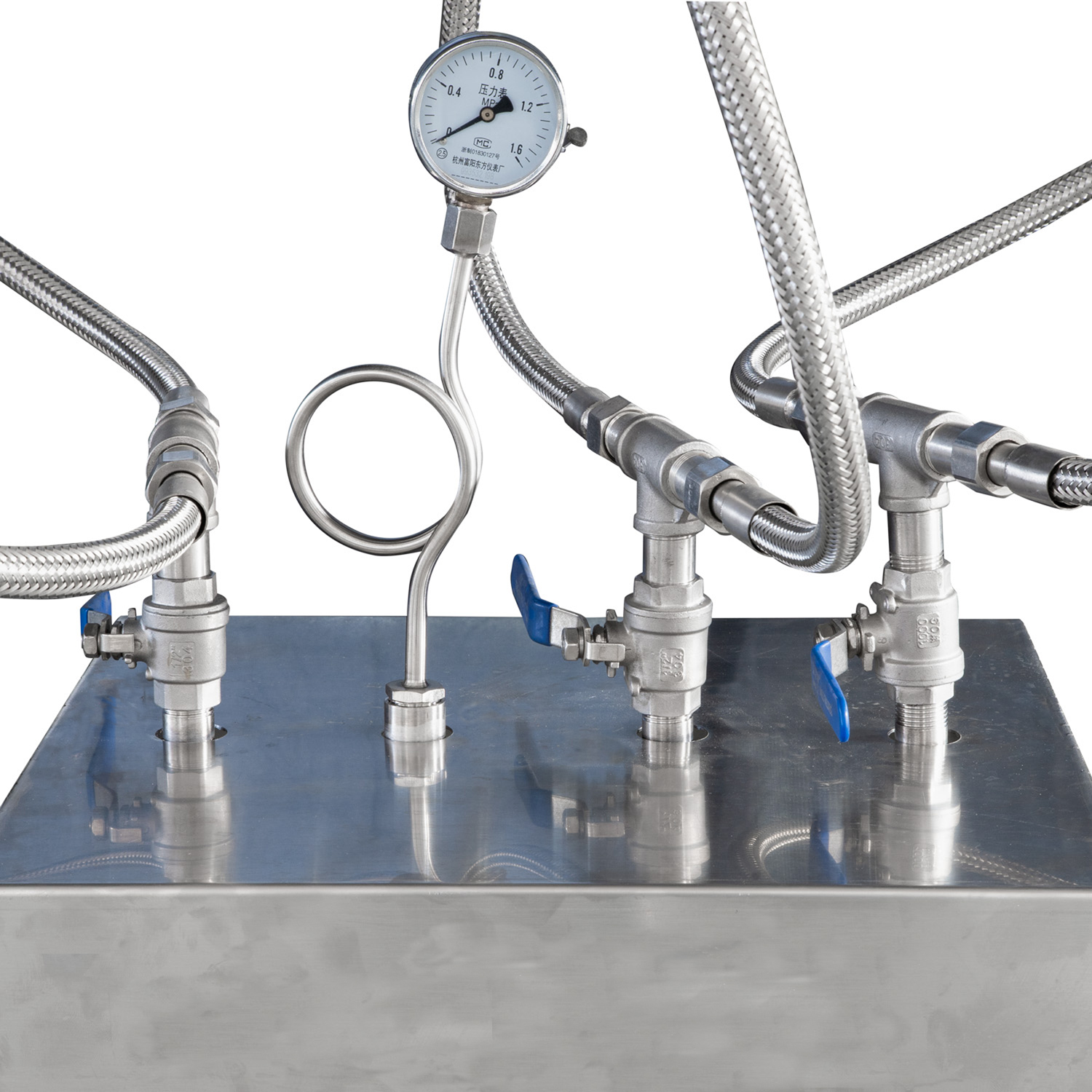
Inconsistent flow rates may indicate an issue with air supply or system leaks. Conducting routine inspections to verify air pressure and seal integrity can help maintain consistent performance. For instance, utilizing pressure gauges and flow meters can assist in monitoring the system’s efficiency.