Choosing the Right LN2 Doser for Your Needs

All Categories

ln2 doser

Understanding  the complexities of liquid filling  and packing operations is  essential  for professionals  in the beverage, dairy, and industrial sectors.  A critical component in these processes is the LN2 doser, which plays  a vital role in  ensuring product  quality and efficiency. This article will explore key considerations for selecting  an  LN2  doser, identifying reliable suppliers, addressing common  issues,  and highlighting  features  that enhance performance. By the end, readers will  have a clearer  understanding  of how to make informed decisions regarding LN2 dosers for their specific  application needs.

Where to Find Reliable Suppliers of LN2 Dosers for Wholesale

Finding  a trustworthy supplier for LN2 dosers is essential for ensuring quality  and  reliability in your  operations. Start by  researching manufacturers with a  solid reputation in the industry. Look for companies that provide:

Certifications: Ensure the supplier holds relevant certifications  like ISO9001 and CE, which indicate adherence to  quality management and safety standards.  Experience: A supplier with extensive experience in manufacturing liquid filling machinery and LN2 dosing systems is  more likely to provide reliable products  and support. Global  Reach: Suppliers with international  experience  can better understand diverse market needs  and offer solutions that cater to various regulatory  environments.

Networking within  industry forums, attending trade shows, or  utilizing platforms  like LinkedIn can also yield valuable connections. Requesting references and customer testimonials can further help assess a supplier's  reliability and quality of service.

Common Problems with LN2 Dosers and Effective Solutions

LN2 dosers can encounter several issues that may disrupt  operations. Understanding these potential problems  and their  solutions can save time and reduce costs:

Inconsistent Flow Rates: Variability  in the nitrogen flow can  lead to product quality issues.  Regular maintenance and calibration of  the doser can help ensure consistent performance. It’s advisable to  keep  a log of maintenance checks to  identify patterns in flow issues.

Frost Build-Up: This  can occur in systems not properly insulated or if LN2 is not fed correctly. Regular  inspection of insulation and ensuring proper nitrogen delivery can mitigate  this problem. Implementing  a defrost cycle can also help maintain optimal operation.

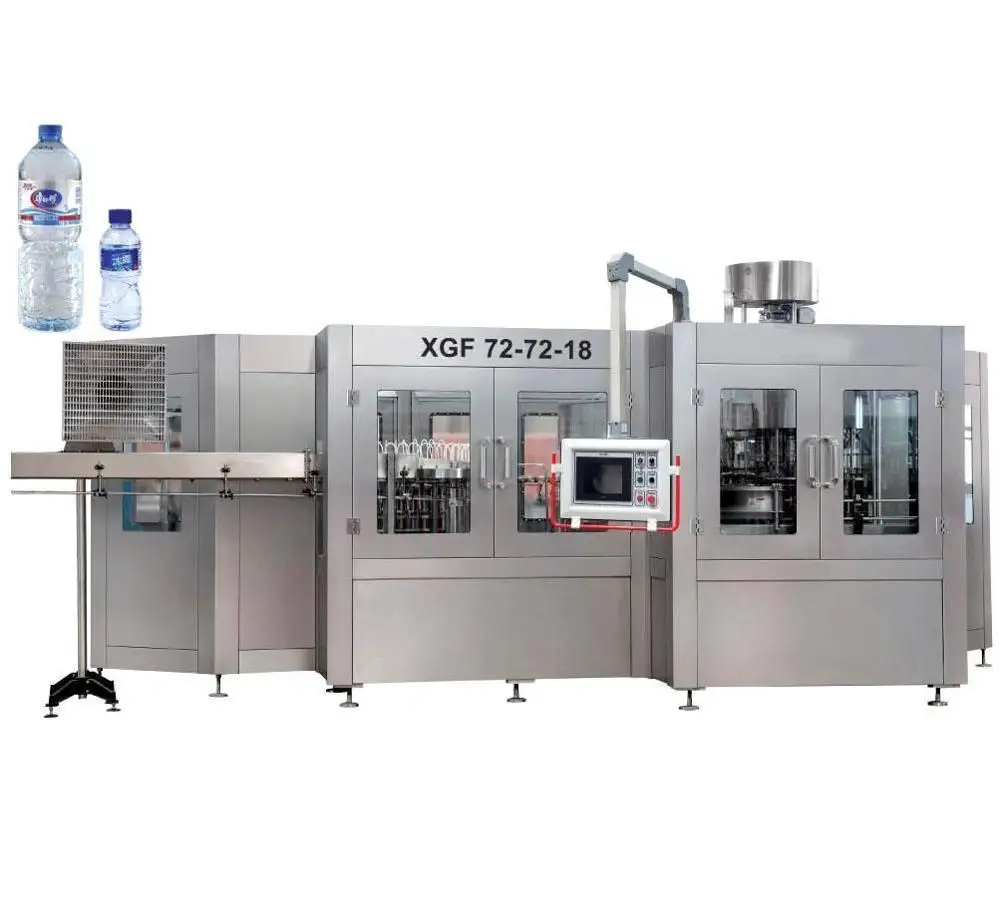
Compatibility Issues with Existing Equipment: When integrating an LN2 doser into  a filling line,  ensure that all components are compatible.  Working closely with the supplier during  installation and testing phases can prevent these challenges. For example, a reliable supplier could be the CGF40/40/12 18000BPH Rotary Monoblock PET Bottle Mineral Water Filling Machine.

By proactively addressing these common issues, you can maintain a smooth operation and enhance  the longevity of your LN2 dosing system.


A Comprehensive Overview

An  LN2 doser functions by injecting liquid nitrogen  into a  product,  typically for the purpose  of preservation  or carbonation in  beverages. It  is particularly valuable in  filling processes that require temperature control  to maintain product integrity or extend  shelf life.


Technical  Parameters:

Pressure Range: LN2 dosers typically operate  within specific pressure ranges, which must be adhered to in order to optimize performance  while preventing damage. Material Composition: Most dosers are constructed from stainless  steel or other materials resistant to cryogenic temperatures. The right  material choice is  essential to withstand the operating environment and maintain durability.

Understanding these parameters can help you select a doser that not only meets  your operational needs but  also aligns with industry standards.

Features and Benefits for Buyers

When evaluating LN2  dosers, several  key features can significantly enhance your operational efficiency:

  Automated Control Systems: Advanced dosers may come equipped with automated controls that allow for precise nitrogen injection, reducing the need for manual adjustments and improving accuracy. Integration with Existing Systems: Look  for dosers designed to easily integrate with your  current  filling machinery, minimizing downtime during installation. Energy  Efficiency: Some models are designed to minimize nitrogen waste, which can lead to  cost savings in the long run. Assessing energy consumption can provide insights into the overall operational cost.

Moreover, the ability  to customize features such as nozzle types  or injection rates  can further tailor the doser’s performance to fit specific product  requirements. By  focusing  on these  features, buyers can  invest in equipment that  not only meets immediate needs  but also supports long-term operational goals.

In summary, understanding the key elements of LN2 dosers is essential for B2B buyers in the manufacturing and beverage sectors. From choosing the  right model to finding  reliable suppliers and addressing common operational challenges, these insights are crucial for making informed purchasing decisions.

How to Choose the Right LN2 Doser for Your Application Needs

Selecting the appropriate LN2 doser is crucial for optimizing your liquid filling process. The  first step is to assess your specific application requirements, such as the type of liquid being filled, the  desired filling speed, and any temperature control needs. LN2 dosers come in various configurations, so understanding the nuances of each option is important. For instance, the A to Z Complete Full Automatic Mineral Water Plant Machine Project can provide insights into effective liquid filling processes.

Key  specifications to consider include:

Flow Rate: This determines  how  quickly nitrogen can be injected  into the liquid. Ensure that  the doser’s flow rate aligns with your  production speed to avoid bottlenecks. Temperature Control: Different applications may require varying nitrogen temperatures. Consider a doser that  allows for adjustable settings  to accommodate specific product requirements. Compatibility: Ensure the  doser  is compatible with your existing filling machinery. This involves checking the connection types and operational parameters  to avoid compatibility  issues during installation. 

Additionally, consider customization options.  Some manufacturers, like Mars Packing Machinery, offer tailored solutions to meet unique  operational needs. Always request detailed specifications and,  if possible, a demonstration or sample to validate performance before  making  a purchase.

Our Blog Posts

The Ultimate Checklist for Carbonated Drink Filler Maintenance

16

Nov

The Ultimate Checklist for Carbonated Drink Filler Maintenance

Regular maintenance is crucial to this piece of equipment used to fill carbonated beverages such as soda or sparkling water, and yet many companies allow a carbonated drink filling line to wear prematurely. At Mars, we know there is a longer list of ...
View More
From Raw Water to Bottling: Water Treatment Tech Breakdown

16

Nov

From Raw Water to Bottling: Water Treatment Tech Breakdown

Water is everywhere, but making raw water into clean bottled water is a big job. At Mars, we know it’s not enough to just fill bottles from a river or well. Water needs to jumps through plenty of hoops to become safe and delicious. There’s a lot of t...
View More
Water Filling Machine Batch Logging: Recording Production Data for Compliance

09

Mar

Water Filling Machine Batch Logging: Recording Production Data for Compliance

Water is very important for life, and filling machines help put that water into bottles fast and safe. At Mars, we produce really good water filling machine that companies use to make bottled water. One key thing in these machines is batch ...
View More
Beer Filling Machine Line Cleaning: Scheduling CIP Cycles to Avoid Cross-Contamination

09

Mar

Beer Filling Machine Line Cleaning: Scheduling CIP Cycles to Avoid Cross-Contamination

Keeping beer filling machines clean is super important. When we talking about cleaning, we often say CIP, or Clean-In-Place. This mean you clean the machines without take them apart, right there where they stand. If you schedule these CIP cycles good...
View More

Get a Free Quote

Our representative will contact you soon.
Email
Name
Company Name
Message
0/1000

Get a Free Quote

Our representative will contact you soon.
Email
Name
Company Name
Message
0/1000