Juice Bottle Cap Sealing Machines: Key Specifications

All Categories

juice bottle cap sealing machine

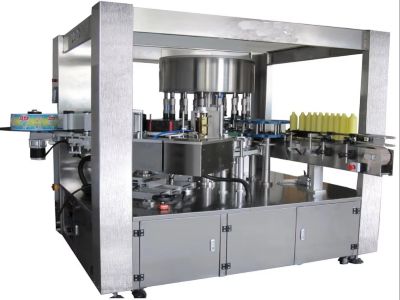
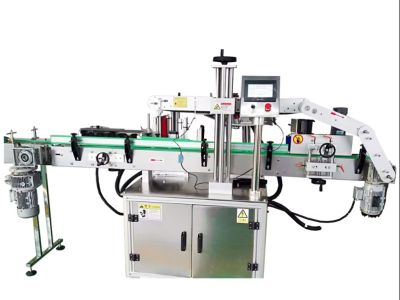
Juice bottle cap sealing machines are essential equipment in the beverage manufacturing industry, specifically designed to ensure airtight seals on juice bottles.  For purchasing  managers and engineers, the quality  and reliability of these machines are  paramount, as  they  directly impact  product integrity and  shelf  life. ,  we will  explore  the  critical  specifications to consider  when evaluating juice  bottle cap sealing machines, how to assess their  quality,  common problems and  solutions, installation guidance, and their applications  in beverage production.

How to Evaluate the Quality of Cap Sealing Machines for Juice Bottles

Evaluating the quality of juice bottle cap  sealing machines involves several key considerations:

Sample Testing: Before committing  to a purchase, request samples of the sealing process.  This  allows you to assess  the seal integrity, ensuring there are  no leaks  or failures under normal storage conditions.

Manufacturer Reputation: Research  the manufacturer’s history and reviews. A reputable supplier, like Mars Packing Machinery, known for  its expertise and experience in liquid filling and packing machines, is likely to provide high-quality equipment. Look for options like a Packing Machine that complements your production line.

Warranty  and Support: A solid warranty  can indicate the manufacturer's confidence in their product. Check  what  kind of after-sales  support and  service are offered, as this can affect long-term  operational efficiency.

User Reviews and Case Studies: Look for feedback from other buyers  in similar industries. Case studies can  provide insights  into the machine's performance in real-world applications, helping to assess reliability and effectiveness.
Common Problems with Cap Sealing Machines and Their Solutions

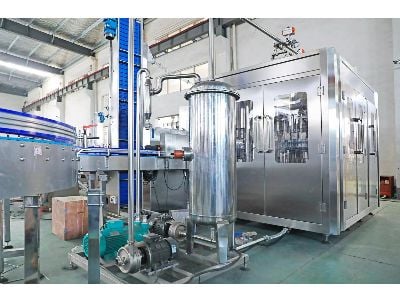
While juice bottle cap  sealing machines are designed for  efficiency,  various issues can arise during operation. Some common problems  include:

Seal Failures: Inadequate  sealing can lead to product spoilage. This can often be resolved by adjusting the sealing temperature or pressure  settings,  ensuring  optimal contact between the cap and  bottle.

Bottle Jamming: Bottles  can jam due to misalignment or improper  loading. Regular maintenance and alignment checks can  prevent this issue, ensuring smooth operation.

Mechanical Wear and Tear: Over time, components may wear out, leading to inconsistent sealing. Implementing  a regular maintenance schedule, including inspections and part replacements, can mitigate this risk.

Quality  Control Issues: To maintain high standards, quality checks  should be incorporated into  the production  line. This includes monitoring the  integrity of seals  and the  overall performance of the sealing machinery.

Installation Guidance for Juice Bottle Cap Sealing Machines

Proper installation is crucial for the effective operation of juice  bottle cap sealing machines. Here are key steps to follow:

Site Preparation:  Ensure that the installation site is clean and free of obstructions. The area should have adequate space for the machine,  operators, and maintenance personnel.

Leveling the  Machine: Use  a  leveling tool to ensure that  the machine is installed on a flat surface.  This is critical for smooth operation and to prevent mechanical issues.

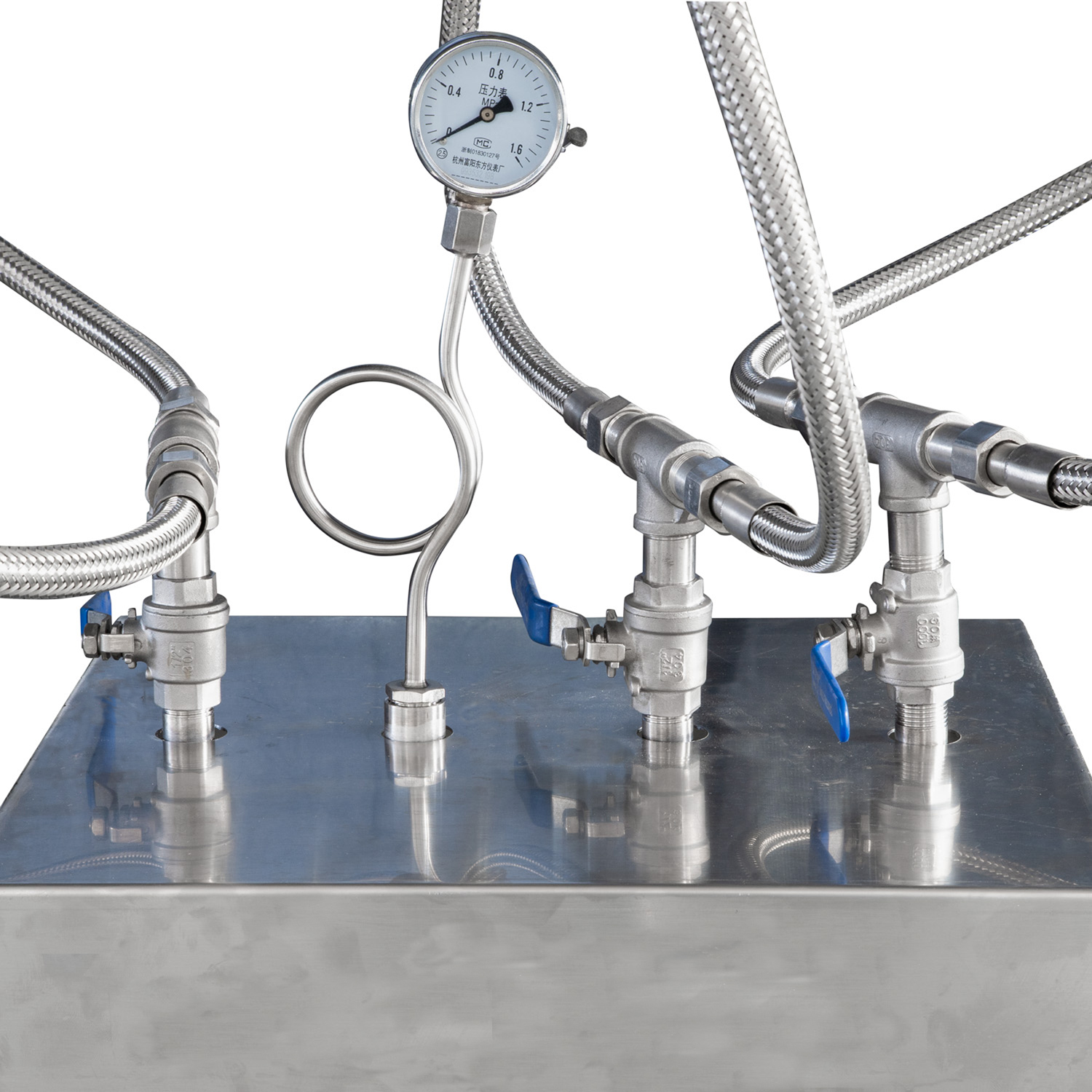
Electrical and Water Connections: Confirm that the  necessary electrical and  water supplies  are in place. Follow the manufacturer's guidelines for connecting power sources  and any required  plumbing for cooling or cleaning.

Calibration: After installation, the machine should be  calibrated according to the manufacturer's specifications. This includes adjusting parameters such as sealing pressure and  timing to match the specific bottles  and caps  used.

Training for Operators: Proper  training for operators on how  to use and maintain the machine can significantly  reduce the risk of operational issues. Ensure that staff understand the machine’s controls and safety procedures.

Applications of Juice Bottle Cap Sealing Machines in Beverage Production

Juice bottle cap sealing machines play a vital role in  various stages of beverage production, including:

Bottling Lines: In high-speed bottling  lines,  these machines ensure that every  bottle is sealed  correctly to  maintain freshness and prevent contamination.

Product Variations: Different types of beverages, such as organic juices or those with pulp, may require specific  sealing methods. Machines can  often be customized to  handle these variations effectively.

Quality  Assurance: By effectively sealing  bottles, manufacturers can  extend the shelf life of their products, which is crucial for maintaining quality  during distribution and storage.

Sustainability Practices: As the  industry shifts towards eco-friendly packaging, cap sealing machines can be adapted to use lighter materials or alternative sealing  methods, aligning with sustainability goals.

In summary,  understanding  the specifications, quality evaluation,  common issues, installation guidance, and applications of juice bottle cap sealing machines is essential for B2B buyers in the beverage  industry. By considering these factors, purchasing managers  and engineers can make informed decisions that enhance production efficiency and product quality.

Key Specifications to Consider for Juice Bottle Cap Sealing Machines

When selecting a juice bottle cap sealing machine, several specifications are critical  to ensuring optimal  performance:

Sealing Method: The  most  common sealing methods include induction  sealing, pressure-sensitive sealing, and screw cap sealing. Each method has its advantages depending on  the type of juice being packaged and the desired shelf life.

Production Capacity: Machines vary in their output, typically measured  in bottles per  minute (BPM).  Assessing your production  needs will  help determine  the appropriate capacity. For instance, a  higher BPM is critical for high-volume operations.

Bottle Compatibility: The machine should accommodate the specific dimensions and types of juice bottles you are using. Factors like neck size and material (PET, glass, etc.) should be confirmed  to ensure  compatibility.

Material  and Build Quality: The materials used in the machine's construction (e.g., stainless steel, aluminum) impact durability and maintenance. Machines built with corrosion-resistant materials are preferable for  juice applications due to the acidic nature of many juices.

Control Systems: Modern machines often feature PLC (Programmable Logic Controller) systems for enhanced control over sealing operations,  allowing for adjustments in speed, pressure, and temperature settings. Additionally, integrating a Conveyor System can help streamline the packaging process.

Certifications: ISO9001 and CE  certifications indicate that the manufacturing processes meet international quality standards. This is crucial for ensuring not only the machine's reliability but also compliance with regulatory requirements.

Our Blog Posts

Juice Bottling Line Sanitation: Step-by-Step Cleaning Protocols for Fresh Fruit Juices

22

Sep

Juice Bottling Line Sanitation: Step-by-Step Cleaning Protocols for Fresh Fruit Juices

Mars Packing Machinery is a professional manufacturer on liquid filling line solution. MARS focus on the series by engineering case to apply among water, beverage, beer, and dairy. We have been providing unique solutions to customers across the globe...
View More
Shrink Packing Machine Film Thickness: Choosing the Right Gauge for Light vs. Heavy Bottles

15

Jan

Shrink Packing Machine Film Thickness: Choosing the Right Gauge for Light vs. Heavy Bottles

When packaging bottles the right thickness of shrink film is very important. The thickness of the film can make a significant difference, and different bottles want different kinds of care. Mars knows that for lightweight bottles, you want something ...
View More
OPP Hot Glue Labeling Machine Maintenance: Cleaning Glue Nozzles to Prevent Clogs

30

Mar

OPP Hot Glue Labeling Machine Maintenance: Cleaning Glue Nozzles to Prevent Clogs

Keeping your OPP Hot Glue Labeling Machine running smooth is important for make sure all things work well. One key part that need regular care is the glue nozzle. Over time, glue build up and cause clogs. This slow down your machine and make issues w...
View More
Adhesive Labeling Machine Label Material: Choosing Durable Labels for Refrigerated Products

31

Mar

Adhesive Labeling Machine Label Material: Choosing Durable Labels for Refrigerated Products

When it comes to labeling products that go in a fridge, picking the right kind of labels is really important. These labels need to stick well and not come off, even if they get cold or wet. At Mars, we get how key it is for businesses to have tough l...
View More

Get a Free Quote

Our representative will contact you soon.
Email
Name
Company Name
Message
0/1000

Related product categories

Get a Free Quote

Our representative will contact you soon.
Email
Name
Company Name
Message
0/1000