Top Features of Micro Brewery Bottling Lines

All Categories

Micro brewery bottling line

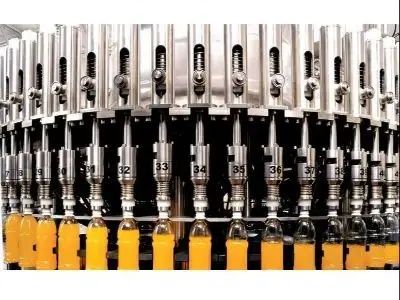
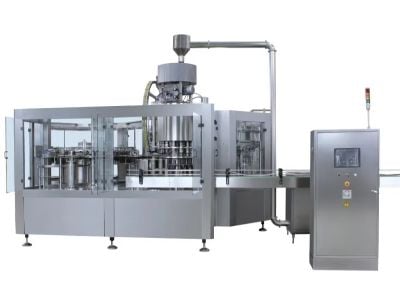
Micro brewery bottling lines are essential for small to mid-sized breweries looking to efficiently package their products. These specialized bottling systems are designed to streamline the filling and capping processes for various beverage types, including craft beers. As a purchasing manager, engineer, or product manager, you likely have concerns about the quality, cost, and operational efficiency of these systems. This article will explore the key features of reliable micro brewery bottling equipment, cost factors, common problems with micro brewery bottling line, installation guidance for micro brewery bottling line, and comparisons of different models to help you make informed purchasing decisions. 

Understanding Cost Factors for Micro Brewery Bottling Line Purchases

The cost of a micro brewery bottling line can vary significantly based on several factors. Understanding these factors will help you make a more informed purchasing decision: 

Equipment Specifications: The complexity and specifications of the bottling line, such as speed capacity and automation level, directly influence the price. Higher capacity systems typically cost more but can offer better long-term returns. 

Customization Needs: If your brewery requires custom features or modifications to the standard models, this can increase the overall cost. Be sure to discuss your specific requirements with potential suppliers to get accurate pricing. 

Supplier Reputation: Established manufacturers, like Mars Packing Machinery, may charge a premium for their experience and reliability, but this can be offset by lower maintenance costs and better support services. 

Training and Installation Services: Some suppliers include training and installation in the purchase price, while others may charge extra. Ensure you factor in these costs when budgeting for your bottling line. 

Maintenance and Parts Availability: Consider the long-term costs associated with maintenance and the availability of replacement parts. A slightly higher initial investment may be worthwhile if the equipment is more reliable and easier to maintain. 

These cost factors will help you evaluate your options more effectively and align them with your budgetary constraints. 
Common Problems with Micro Brewery Bottling Lines and Solutions

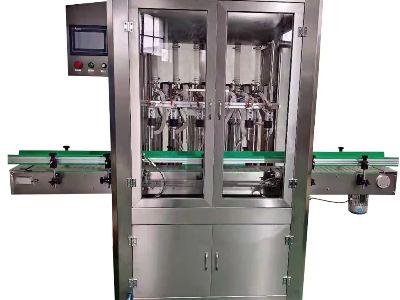
Bottling lines can encounter various issues that may disrupt production. Understanding these common problems and their solutions will help you maintain efficiency: 

Filling Inconsistencies: Variability in fill levels can occur due to equipment misalignment or improper calibration. Regularly checking the calibration of the filling system and conducting routine maintenance can mitigate this issue. 

Labeling Errors: Incorrect labeling can lead to compliance issues and consumer dissatisfaction. Invest in a reliable labeling system and conduct regular checks to ensure labels are applied correctly. 

Bottle Breakage: This can happen during the capping or filling process, especially if the equipment is not properly adjusted. Implementing softer handling mechanisms or adjusting the speed of the line can reduce breakage rates. 

Clogged Nozzles: Residue buildup can clog filling nozzles, leading to delays. Regular cleaning and maintenance schedules can help keep equipment in optimal condition. 

Operator Errors: Training staff thoroughly on the operation of the bottling line can minimize human error, which is a common cause of production downtime. 

By addressing these potential issues proactively, you can ensure smoother operations and minimize production disruptions. 

Installation Guidance for Your Micro Brewery Bottling Line Setup

Proper installation of your micro brewery bottling line is crucial for its performance and longevity. Here are some key steps to follow: 

Site Preparation: Ensure that the installation area meets the necessary space and utility requirements, including electrical, water, and air supply. The layout should facilitate easy access for maintenance. 

Follow Manufacturer Instructions: Adhere to the installation guidelines provided by the manufacturer. This includes assembly instructions, electrical connections, and plumbing requirements. 

Testing and Calibration: After installation, conduct thorough testing and calibration of the equipment. This step is essential to ensure that all components work correctly and that the system operates at optimal efficiency. 

Training Staff: Provide comprehensive training for your operators on how to use and maintain the bottling line. This will enhance safety and efficiency and reduce the likelihood of operational issues. 

Establish a Maintenance Plan: Once installed, establish a regular maintenance schedule to keep the equipment in good working condition. This should include cleaning, inspections, and timely repairs as needed. 

Following these guidelines will help you maximize the performance of your new bottling line and ensure a smooth transition into production. 

Comparing Different Micro Brewery Bottling Line Models for Efficiency

When evaluating different micro brewery bottling line models, consider the following aspects to determine which is most efficient for your operations: 

Production Speed: Compare the bottling speed of each model. A faster line may be more suitable for high-demand periods, while a slower line could suffice for smaller operations. 

Footprint and Layout: Assess the physical size of the equipment. Some bottling lines may require more space than others, impacting your facility layout and workflow. 

Energy Efficiency: Look for models that utilize energy-efficient technologies. This can help reduce operational costs and minimize your brewery's environmental impact. 

Flexibility: Consider how easily a model can be adjusted for different bottle sizes and types. A bottling line that can handle a variety of formats can be a significant advantage as your product offerings expand. 

User-Friendly Interfaces: Evaluate the control systems and interfaces. A user-friendly design can streamline operations and reduce training time for staff. 

By comparing these factors, you can select a micro brewery bottling line that best suits your production needs and enhances operational efficiency. 

Top Quality Features of Reliable Micro Brewery Bottling Equipment

When selecting a micro brewery bottling line, prioritize features that enhance efficiency and reliability. Key features to consider include:  

Filling Technology: Look for equipment that uses volumetric, gravity, or pressure filling methods. Volumetric filling provides high precision, while gravity filling is suitable for less viscous liquids. Each method affects the speed and accuracy of the bottling process. 

Capping Mechanism: Ensure the bottling line includes an effective capping system, such as screw caps or crown caps, that fits your specific bottle type. The capping process should be adjustable to accommodate different bottle sizes and materials. 

Material Quality: Equipment should be constructed from stainless steel or food-grade materials to ensure hygiene and durability. This is particularly important in the beverage industry, where contamination can compromise product quality. 

Automation Level: Consider the degree of automation you require. Fully automated systems can significantly reduce labor costs and improve production rates. However, semi-automated lines may offer flexibility for smaller batches. 

Adjustability: A reliable bottling line should allow for easy adjustments between different bottle sizes and types, enabling you to respond quickly to changing market demands. 

These features are crucial for maintaining high standards of quality control while maximizing production efficiency, ensuring that your microbrewery remains competitive. 

Frequently Asked Questions

What is included in the micro brewery bottling line?

Our bottling line includes rinser, filler, capper, labeling, conveyor and control panel. Configurations can be customized for bottle size, speed and product type.
Capacity depends on configuration; typical ranges are 500–6,000 bottles per hour. We assess your needs and recommend an optimal setup.
Yes. The system is designed for beer, water, beverages and dairy with material and sanitation options suitable for each liquid.
Yes. Our in-house engineering team offers pre-sales consultation, installation guidance, commissioning and ongoing technical support.
Our factory holds ISO9001 and CE certifications. We provide quality-controlled manufacturing, factory testing and documented specifications for each machine.

Our Blog Posts

Washing Capping Machine Speed Adjustment: Syncing with Variable Filling Line Speeds

07

Mar

Washing Capping Machine Speed Adjustment: Syncing with Variable Filling Line Speeds

Washing and capping machines are really important in factories where they fill bottles with liquids. The speed of this machines need to match with the filling line speed. If they don't sync good, production can slow down or make some mistakes happen....
View More
Filling Machine Material Construction: Corrosion-Resistant Parts for Acidic Juices

07

Mar

Filling Machine Material Construction: Corrosion-Resistant Parts for Acidic Juices

Filling machines they are really important in lots industry, specially for packing juices. When we make this machines, we have to think about what materials using. This is more true when deal with acidic juices, like citrus ones. Juices can be very h...
View More
CSD Filling Machine Carbon Dioxide Usage: Reducing CO2 Waste in Soda Production

09

Mar

CSD Filling Machine Carbon Dioxide Usage: Reducing CO2 Waste in Soda Production

Mars is famous for make delicious soda, but we also really care about the planet too. One big way we do this by using carbon dioxide, CO2, in our soda making. CO2 is what make the fizz, so soda become bubbly and refreshing. But we don't want waste th...
View More
Full Automatic Water Bottling Line Complete Equipment Configuration

22

Jun

Full Automatic Water Bottling Line Complete Equipment Configuration

A full automatic water bottling line is a great way to package water quickly and efficiently. This equipment helps factories fill bottles with water without needing much help from people. Companies like Mars use this kind of technology to keep up wit...
View More

Get a Free Quote

Our representative will contact you soon.
Email
Name
Company Name
Message
0/1000

Related product categories

Get a Free Quote

Our representative will contact you soon.
Email
Name
Company Name
Message
0/1000