 EN
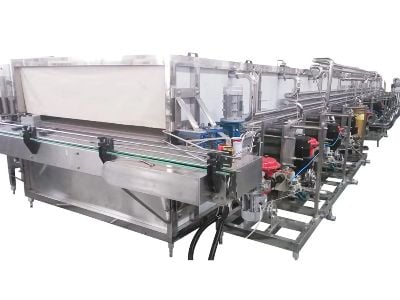
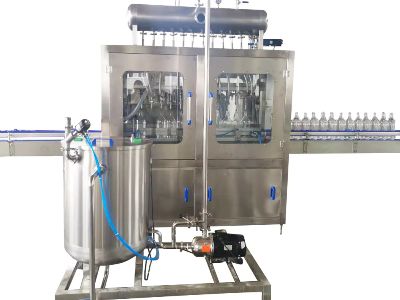
Juice filling machines are essential equipment for the beverage industry, designed to efficiently fill containers with juice while maintaining quality and hygiene standards. For B2B buyers, particularly purchasing managers and distributors, understanding the nuances of juice filling machinery is crucial for making informed decisions. This article will explore key aspects of juice filling machines, including buying guidance, cost factors, supplier sourcing, material advantages, and their applications in the beverage sector. For more information on the materials used in these machines, refer to our article on Packaging Material.
Cost Factors to Consider for Juice Filling Machinery Purchases
The price of juice filling machines can vary significantly based on several factors. Key cost determinants include machine specifications, production capacity, and customization levels. Higher-capacity machines with advanced technology typically come at a premium but can offer long-term savings through improved efficiency and reduced labor costs.
Additionally, consider the total cost of ownership, which encompasses purchase price, maintenance expenses, and operating costs. Some machines may have lower upfront costs but require more frequent maintenance or higher energy consumption, impacting overall profitability.
Another critical factor is supplier support. Reliable manufacturers provide installation, training, and ongoing maintenance services, which can help avoid costly downtimes and ensure optimal machine performance. Investing in a machine from a reputable supplier may yield better long-term value.
It is also advisable to conduct a thorough market comparison. Gathering quotes from multiple suppliers allows buyers to evaluate pricing structures and identify potential hidden costs, such as shipping or import duties, particularly for international orders.