
Fruit Juice Packaging Machines: Key Insights for Buyers

All Categories

fruit juice packaging machine

Fruit  juice  packaging  machines are essential for companies in  the beverage  industry looking to efficiently package their  products while maintaining quality and freshness.  As businesses expand,  the need for reliable, high-quality  packaging  solutions  becomes paramount.  Buyers often  face  challenges such  as selecting the right  machine, understanding technical specifications, and sourcing trustworthy suppliers. This  article aims to  provide valuable  insights into fruit juice packaging machines, addressing key specifications, sourcing options, common issues, cost factors, and applications  in the beverage sector. For a comprehensive overview, consider exploring our Packaging Material section.

Where to Source Reliable Suppliers for Fruit Juice Packaging Equipment

Finding a reliable supplier for  fruit juice packaging machines is crucial for a successful purchase.

Industry Trade  Shows:  Participating in industry-specific trade shows and exhibitions is a great way to connect with manufacturers and suppliers. These events allow buyers to see machines in action and  discuss their specific needs with  experts.

Online Marketplaces: Websites such as Alibaba or Made-in-China can provide a broad range of suppliers. Buyers should carefully evaluate vendor ratings, customer reviews, and product specifications before making inquiries.

Manufacturer  Directories: Utilizing directories  that list verified manufacturers  can help  narrow down options. Look for suppliers with experience in  the beverage industry and a proven track record.

Networking with  Industry Peers: Engaging with  peers in the beverage  sector can  provide recommendations for trusted suppliers. Forums and industry groups can also offer valuable insights into  supplier reliability.

Requesting Samples: Before committing to a supplier, request samples or demonstrations of the packaging machines. This allows buyers  to evaluate the  performance and suitability of the equipment  for their specific applications.

By following these steps, buyers can enhance their chances of sourcing  high-quality,  reliable fruit juice packaging machines.
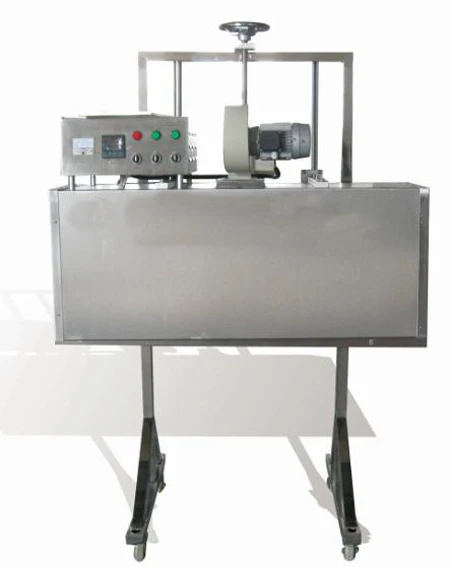
Common Problems with Fruit Juice Packaging Machines and Their Solutions

While fruit juice  packaging machines are designed for efficiency, they may encounter common issues that can disrupt operations. Here are some typical problems and their  solutions:

Inconsistent Fill Levels: This can occur due to incorrect calibration or wear in filling nozzles. Regular maintenance  and recalibration  of the  machine can help ensure consistent fill levels.

Seal Failures: If containers are  not sealed properly,  it can lead to product spoilage. Regular inspection of sealing mechanisms and  replacing  worn components can mitigate  this issue.

Clogging: Juice with pulp or other particulates can clog the filling nozzles. Implementing a filtration system before the filling  process  can help prevent clogging.

Mechanical Failures: Over time, components can wear out, leading  to machine breakdowns. Establishing a  routine maintenance schedule  and using high-quality parts for replacements can minimize downtime.

Software Glitches: Modern  machines often rely on software for operation. Regular updates and checks can help prevent software-related issues that may disrupt  production.

By understanding  these common problems and their  solutions, buyers can better prepare for maintenance and ensure  smooth operations.

Cost Factors to Consider for Wholesale Fruit Juice Packaging Machines

When budgeting for fruit juice  packaging machines, several cost factors  should be taken into  account:

Initial Purchase Price: This includes the base cost of the machine as well as any  additional features or customizations that may be  necessary for specific applications.

Installation and Setup Costs: Buyers should factor in expenses related to shipping, installation,  and training. Proper  installation is  crucial for optimal machine performance.

Maintenance and Operating Costs: Regular maintenance is essential for prolonging the lifespan of the  machine. Buyers should consider the costs of routine service,  replacement parts,  and potential downtime.

Energy Consumption: The energy efficiency  of the machine  will impact operational costs. Investing in  energy-efficient models may lead to  long-term savings.

Customization Needs: Custom features can significantly increase costs.  Buyers should evaluate whether  customization is necessary or if standard models will suffice.

Financing Options: Some suppliers may offer financing plans or leasing options, which  can alleviate upfront costs. Buyers should explore these options to assess their affordability.

Understanding these cost factors will help buyers make informed financial decisions regarding their investment in fruit  juice packaging machines.


Applications of Fruit Juice Packaging Machines in the Beverage Industry

Fruit juice packaging  machines play a vital role in the beverage industry, with applications that  go beyond simply filling and sealing containers.


Diverse Product Types: These machines are  versatile and can handle a variety of juice products, including pure juices, blends, and organic options. This flexibility allows manufacturers to cater to different market segments.

Preservation of Quality: Efficient packaging  helps maintain the  freshness  and nutritional value of juices, crucial for consumer  satisfaction. Machines that minimize oxygen exposure during packaging can enhance shelf  life.

Branding Opportunities: Custom labeling and  packaging designs  can be incorporated during the filling process, allowing brands to differentiate themselves in a competitive  market.

Sustainability  Practices: Many manufacturers are adopting eco-friendly packaging solutions. Fruit juice packaging machines can be adapted to use recyclable materials, addressing  increasing consumer demand for sustainable products.

Scalability: As  demand fluctuates, packaging machines can often be adjusted or upgraded to accommodate varying production volumes, making them suitable  for both small and large operations.

By recognizing these applications, buyers can appreciate the integral role that fruit  juice packaging machines play in enhancing product quality, marketability,  and operational efficiency in the  beverage  industry.

Key Specifications of Fruit Juice Packaging Machines for Buyers

When  evaluating  fruit  juice packaging machines,  several key specifications should be considered to ensure the  equipment meets operational needs.

Filling Mechanism: The most common types include gravity, vacuum,  and pressure filling. The choice depends on the viscosity of the  juice and desired speed. For instance, gravity fillers are suitable for thin liquids, while pressure fillers are better for thicker  juices.

Packaging Material Compatibility: Machines should support various  materials like glass, plastic,  and tetra packs. The selection often depends on the product's shelf life, distribution method, and consumer preferences. To learn more about suitable materials, check our Packing Machine resources.

Production Capacity: This  refers to the number of containers a machine can fill per hour. Buyers should assess their production needs and how they align with the machine's capacity to avoid bottlenecks.

Sealing and Capping Systems: The type of seals (e.g.,  screw caps, snap-on lids) can influence product freshness and shelf life. Machines must ensure a  secure seal to  prevent contamination and spoilage.

Control Systems: Modern  machines often feature advanced control systems for monitoring and  adjusting parameters such as filling  volume, speed, and temperature. This  is crucial for maintaining consistent quality.

Certifications: Ensure the machinery  complies with industry standards, such as ISO and CE certifications, which reflect quality  and safety compliance.

Understanding these specifications will help buyers make informed decisions and choose machines that align with their operational requirements.

Our Blog Posts

Sleeve Labeling Machine Material Options: Biodegradable Shrink Sleeves for Eco Brands

16

Jan

Sleeve Labeling Machine Material Options: Biodegradable Shrink Sleeves for Eco Brands

Companies are altering how they package their products. Today, many brands want to be eco-friendly and environmentally friendly. At Mars we know the small things make a big difference.  What Are Biodegradable Shrink SleevesBiodegradable shr...
View More
OPP Hot Glue Labeling Machine Speed: Matching 300-Bottles-Per-Minute Filling Lines

17

Jan

OPP Hot Glue Labeling Machine Speed: Matching 300-Bottles-Per-Minute Filling Lines

The OPP Hot Glue Labeling Machine is mostly used for the high glue label of the square round products in such industries as food, medicine, wine, oil and daily chemical etc. This unit provides a very simple solution for this kind of many-noirs bottle...
View More
Complete Bottling Line Upgrades: Adding New Components to Existing Systems

07

Mar

Complete Bottling Line Upgrades: Adding New Components to Existing Systems

Upgrading a bottling line can really change how company works a lot. At Mars, we see this all time. When you put new stuff into old system, everything runs more smooth and quicker usually.  Where to Find Good Solutions Finding right up...
View More
High Speed Packing Machine Advantages for Mass Bottle Production

17

Jun

High Speed Packing Machine Advantages for Mass Bottle Production

High-speed packing machines are great tools that help factories pack bottles quickly and efficiently. When producing big numbers of bottles, these machines become a big deal. The filling and packing machine save time and money, making it easier ...
View More

Get a Free Quote

Our representative will contact you soon.
Email
Name
Company Name
Message
0/1000

Get a Free Quote

Our representative will contact you soon.
Email
Name
Company Name
Message
0/1000